







Introduction:SOE (Single Origin Espresso), or single-origin espresso, has been gaining increasing attention in recent years. It emphasizes the unique flavors of a single origin or region, standing in stark contrast to common blended beans. This article takes an in-depth look at the characteristics of SOE, the ideal roast level for home espresso machines, freshness requirements, how to avoid common extraction mistakes, and recommends six SOE coffee beans with distinct flavor profiles—complete with images—to help you find the most suitable SOE bean for home use.
With the rise of specialty coffee culture, more and more consumers and café owners have started paying closer attention to their choice of espresso beans. Among them, SOE (Single Origin Espresso) has gradually become a new favorite in the market. SOE refers to espresso made exclusively from beans sourced from a single origin or farm, without blending beans from other regions. This approach allows the unique flavor characteristics of that specific origin to shine through more clearly—whether it's fruity, floral, or nutty notes—often more vividly than traditional blends.
Compared to blended coffee beans, SOE is positioned as a more refined option. Traditional blends usually combine beans from different origins with the goal of balancing taste and maintaining flavor stability, and they are commonly found in commercial beans used for everyday drinking. If you want to enjoy a variety of coffee flavors at home, it’s recommended to prioritize freshly roasted (within 5 days) blended beans, such as classic Italian blends, entry-level or commercial-grade recipes. These beans typically offer stable fermentation, good value for money,and it’s advisable to choose suppliers that offer shipping within 24 hoursto ensure the beans arrive in peak condition.
However, if you’re looking to explore deeper regional characteristics, SOE is a great choice. Using single-origin beans for espresso can highlight the unique aromas and flavors brought by the soil, climate, and variety of that specific region—such as bright citrus, rich berries, or even chocolate and caramel notes in the finish. In the past, such single-origin coffees were mostly brewed using pour over methods, but nowadays more and more coffee enthusiasts are experimenting with using them in espresso machines to create distinctive SOE espresso bases.
It’s worth noting that not all single-origin beans are suitable for direct use as SOE espresso. Because espresso machines extract under high temperature and pressure (around 9 bar) in a short time (usually 20–30 seconds), the roast level and freshness of the beans are critical. Choosing the wrong beans can result in excessive acidity, bitterness, or even unpleasant off-flavors. Therefore, to successfully brew delicious SOE espresso at home using an espresso machine,you need to pay special attention to the following three key factors: appropriate roast level, bean freshness, and cost-performance considerations.
First is the choice of roast level. Generally speaking, SOE is best suited tomedium to medium-dark roasts. Lighter roasts, while preserving more of the bean’s inherent flavors, can easily result in sharp acidity and under-extraction under high-pressure brewing, and these flavors can be further masked when milk or water is added. On the other hand, overly dark roasts may amplify bitterness, leading to over-extraction and loss of delicate nuances. Medium-roast SOEs often showcase bright fruitiness and a balanced acidity-sweetness profile, while medium-dark roasts can better bring out warm notes such as caramel, nuts, and chocolate.
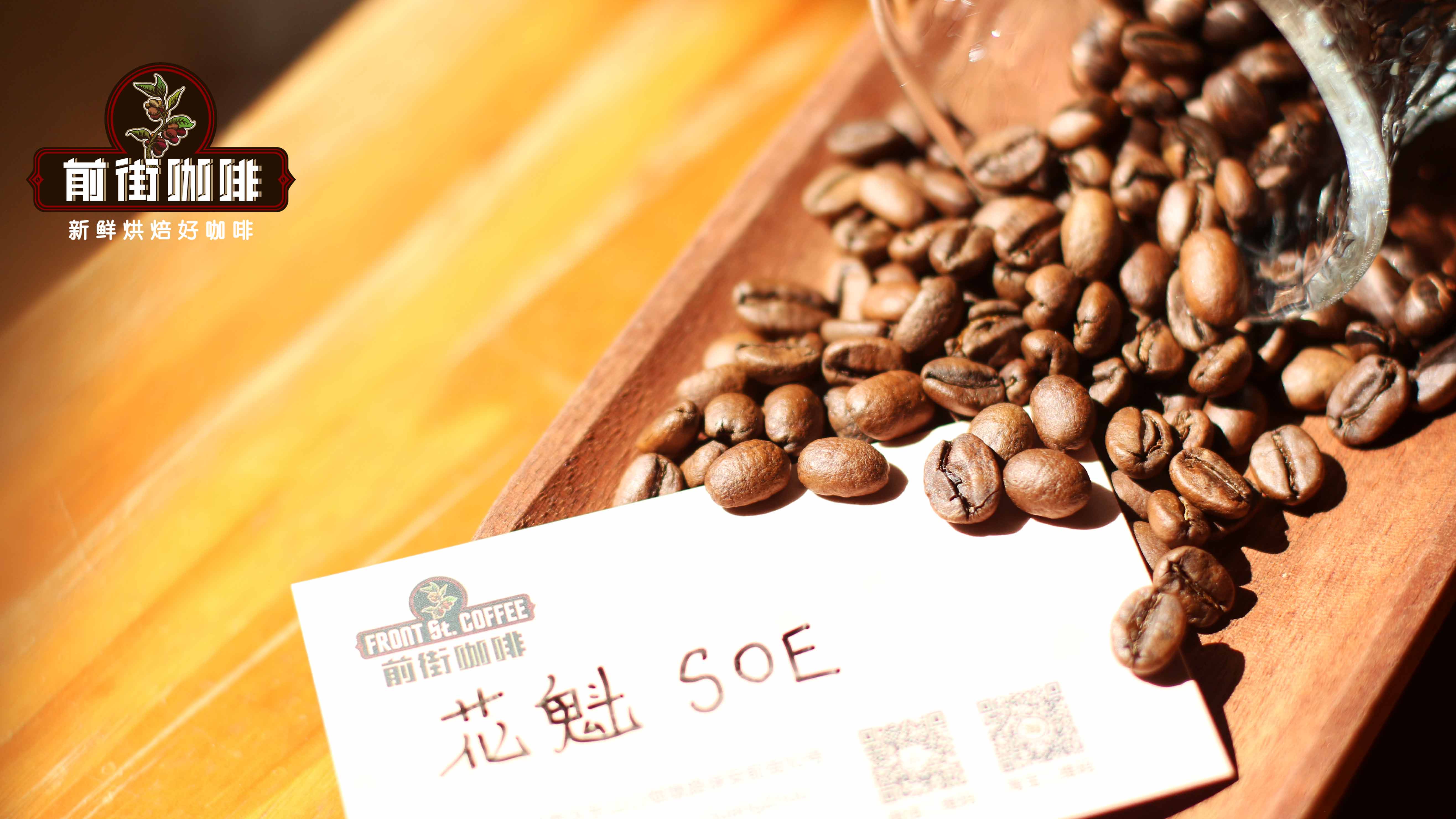
For example, anatural-processed, medium-roast Ethiopian Hua Kui SOEoften features intense creamy strawberry aromas, and after extraction, presents red berry, subtle floral, and citrusy orange notes. It’s well-suited for making Hua Kui SOE Americano or flat white. TheCosta Rican Strawberry Candy SOE, when medium-roasted, can release a sweet dried fruit character and red floral notes, with moderate berry acidity and sweetness, making it ideal for those who enjoy fresh fruit flavors.The Brazilian Queen Estate SOEis typically medium-dark roasted, with flavor notes leaning toward roasted nuts, dark chocolate, and caramel undertones, offering a rich and full-bodied mouthfeel.
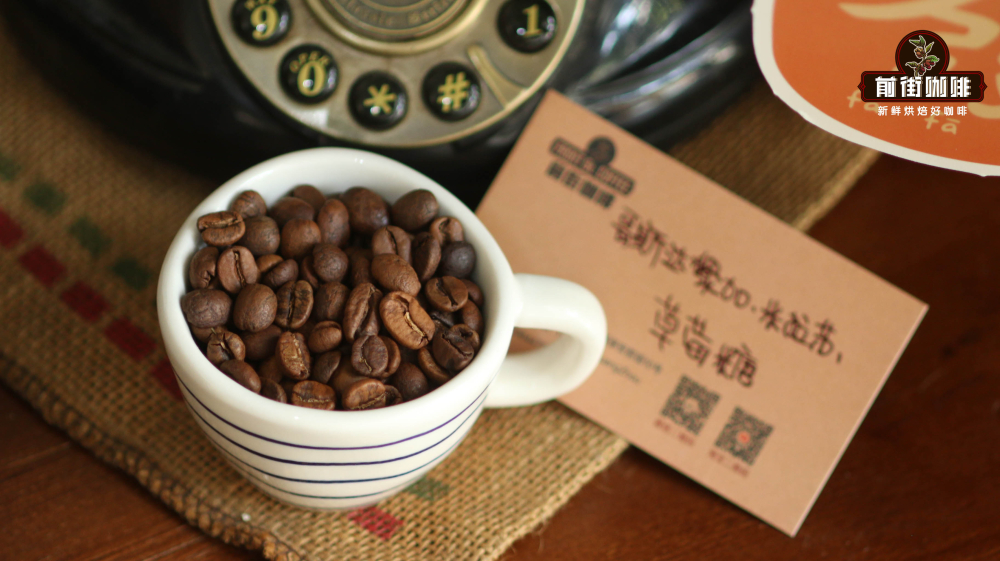
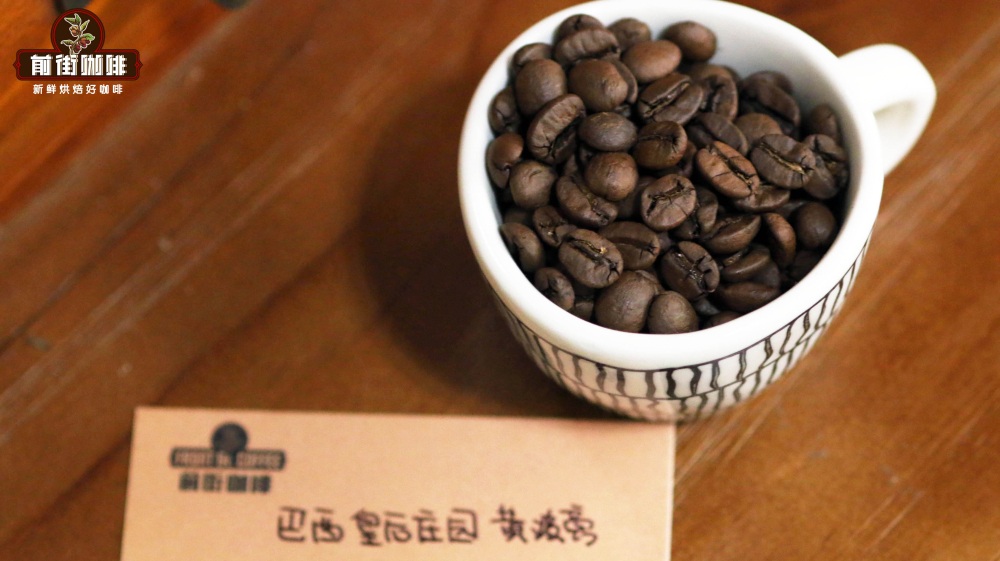
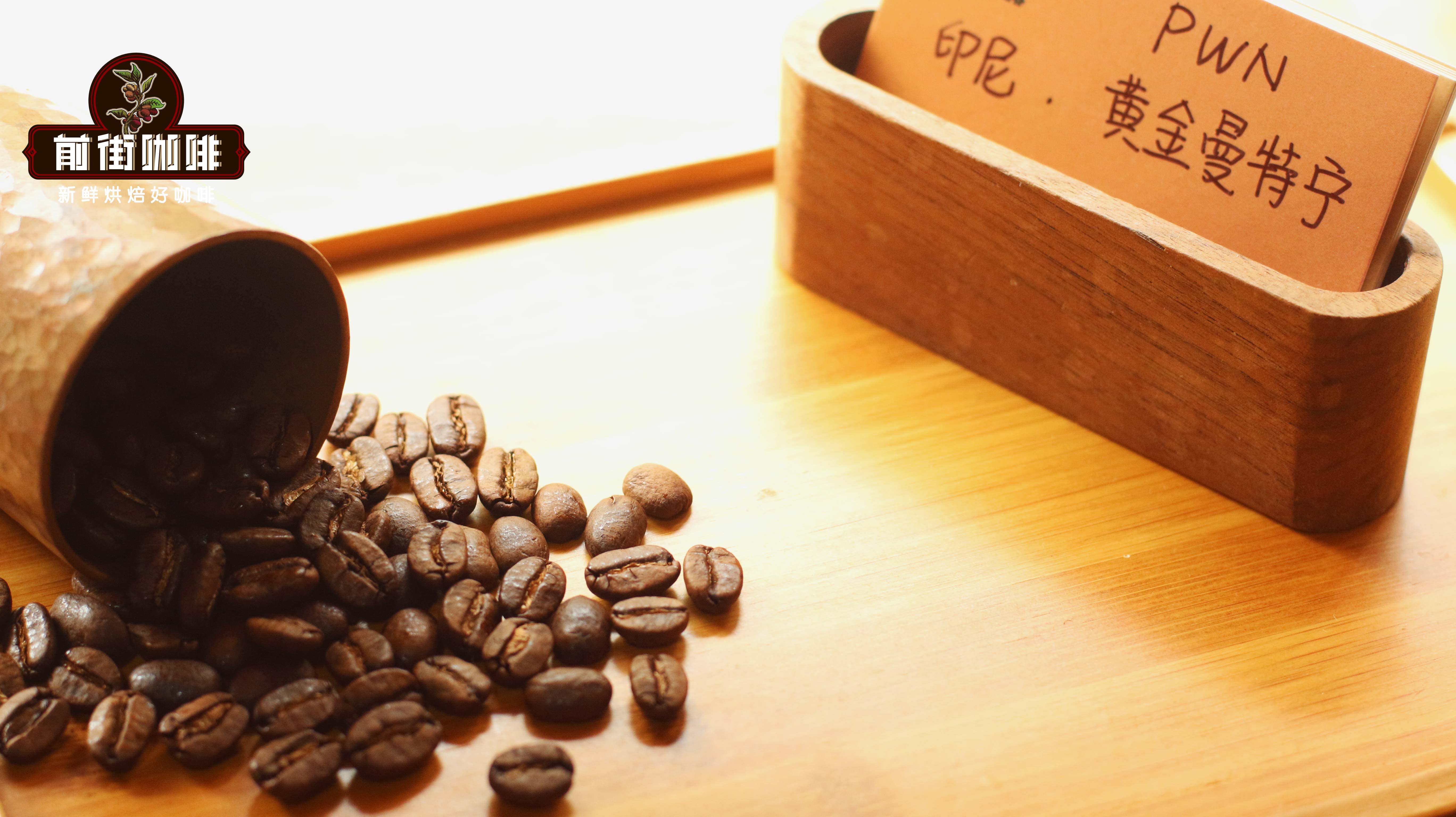
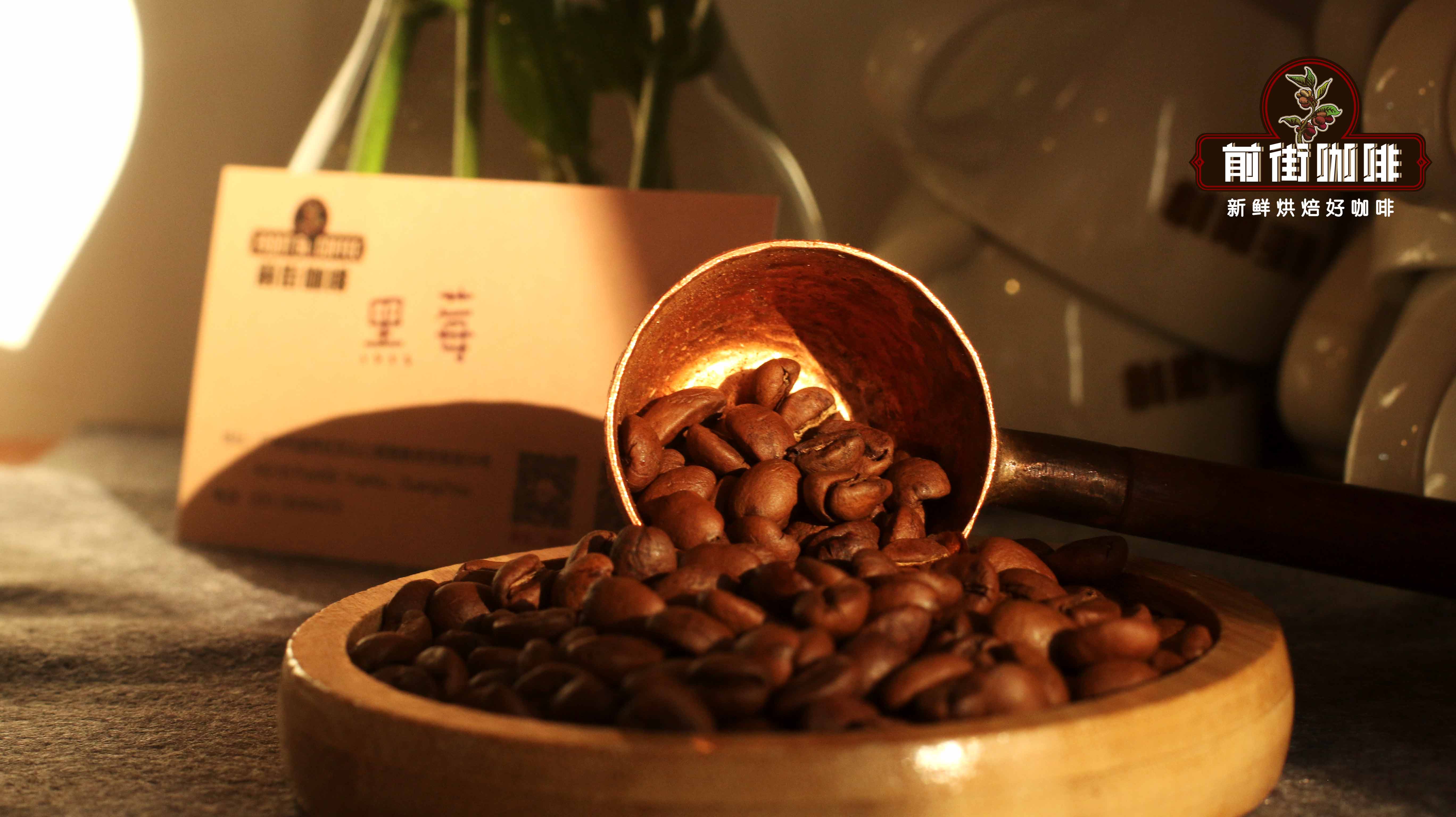
Additionally, options like thePWN Golden Mandheling SOE—a low-defect bean that undergoes three rounds of hand sorting and one machine sort—when medium-dark roasted, can display layered flavors of spice, herbs, sandalwood, and caramel, with a long finish of deep dark chocolate. It suits those who prefer a bold and mellow taste. Meanwhile, theblack honey-processed Costa Rican Blackberry SOEbenefits from its processing method, which brings rich tropical fruit sweetness. After extraction, it often exhibits aromas of rose, raisin, sweet orange, and cream. When paired with milk for a latte, it’s often described as having the flavor profile of a cranberry cookie.
Besides roast level,bean freshness is also a crucial factor influencing the flavor expression of SOE. Freshly roasted coffee beans (ideally within 5 days) retain the highest levels of volatile aromatic compounds. Especially in a home environment, if the beans have been stored for more than two weeks, even with the correct roast level, they may lose their intended aroma and acidity-sweetness balance due to oxidation. Therefore, choosing a supplier that provides recent roast dates and fast shipping will greatly increase your chances of successfully brewing great-tasting SOE at home.
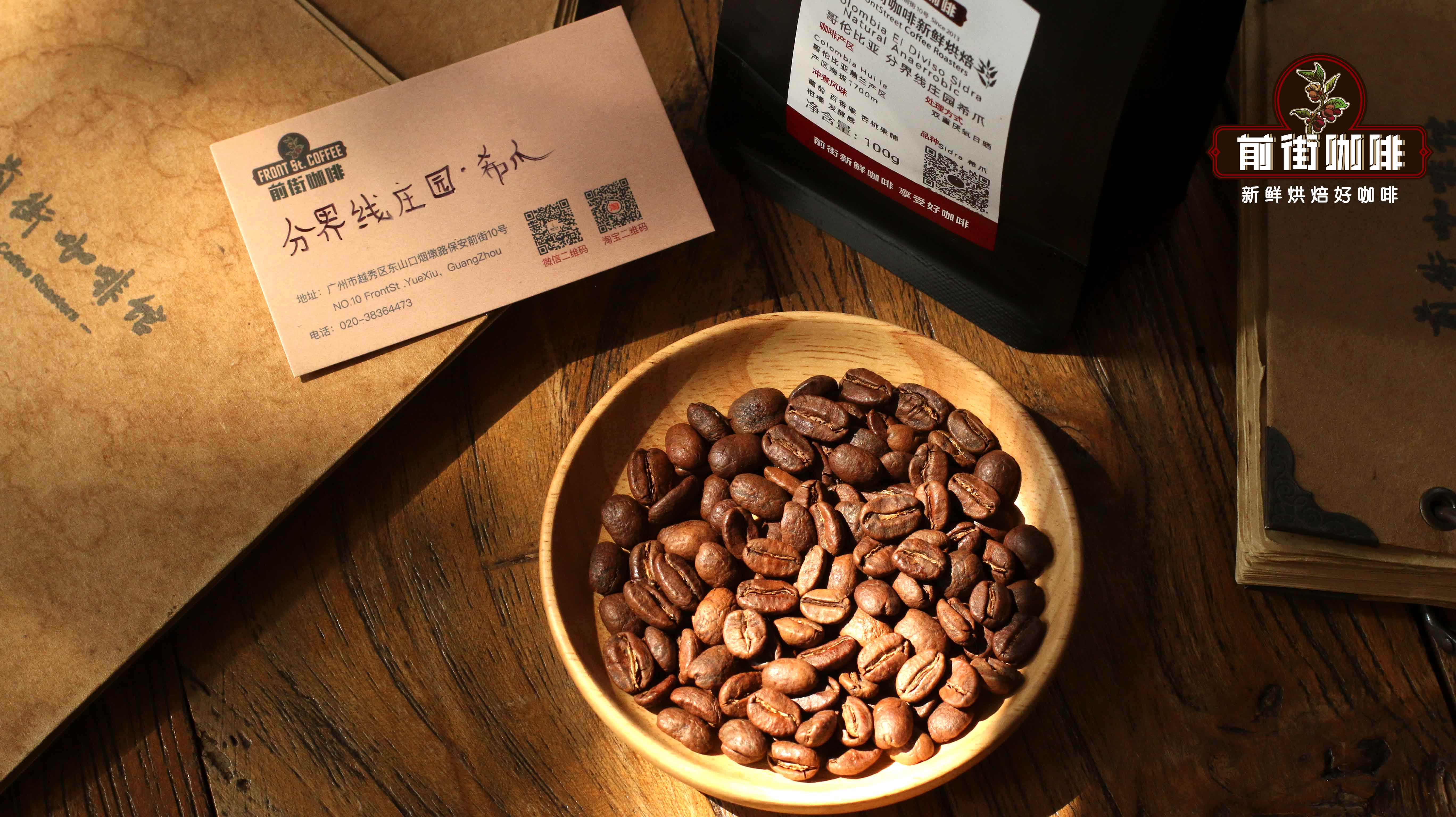
Finally, if you’re new to SOE, it’s recommended to start with more cost-effective options. While there are premium SOEs on the market such as Panamanian Geisha or Jamaican Blue Mountain, their high prices make them unsuitable as everyday home espresso beans. In fact, besides the aforementioned Hua Kui, Strawberry Candy, Queen Estate, Golden Mandheling, and Blackberry SOEs, other options like Costa Rican Mozart, PNG Bird of Paradise, and Colombian Sidra also deliver excellent flavor profiles and reasonable pricing, making them perfect for home espresso machine users looking to explore different single-origin flavors.
The above content is compiled by CoffeeHunters, a coffee news website.


