







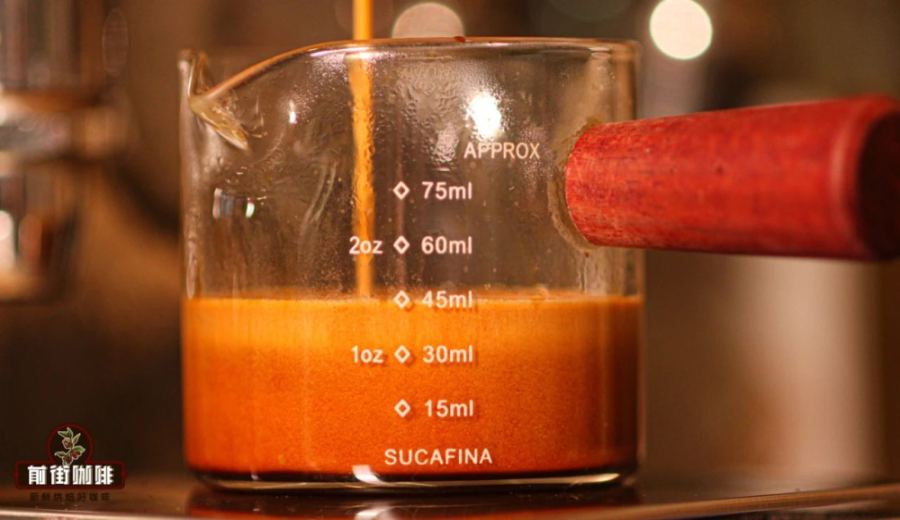
Introduction:Master the golden extraction parameters for espresso—from dose, ratio, to flow rate and pressure—and dive deep into the 10 key factors that influence flavor. This article explains how to calculate the ideal extraction yield of 18%–22% and concentration range of 8%–12%, provides practical steps for adjusting flow rate, and debunks the drinking myths around the Golden Cup Theory, helping you precisely control the flavor balance of every shot of Espresso.
Espresso extraction is a craft that blends science and art. Unlike the fixed process of pour over coffee, the final flavor of espresso is influenced by multiple variables such as espresso machine model, pressure stability, and even water quality differences. Even the same coffee bean variety can present vastly different flavor profiles on different equipment. To consistently extract an ideal flavor, it’s essential to systematically understand the six core parameters and their interrelationships.

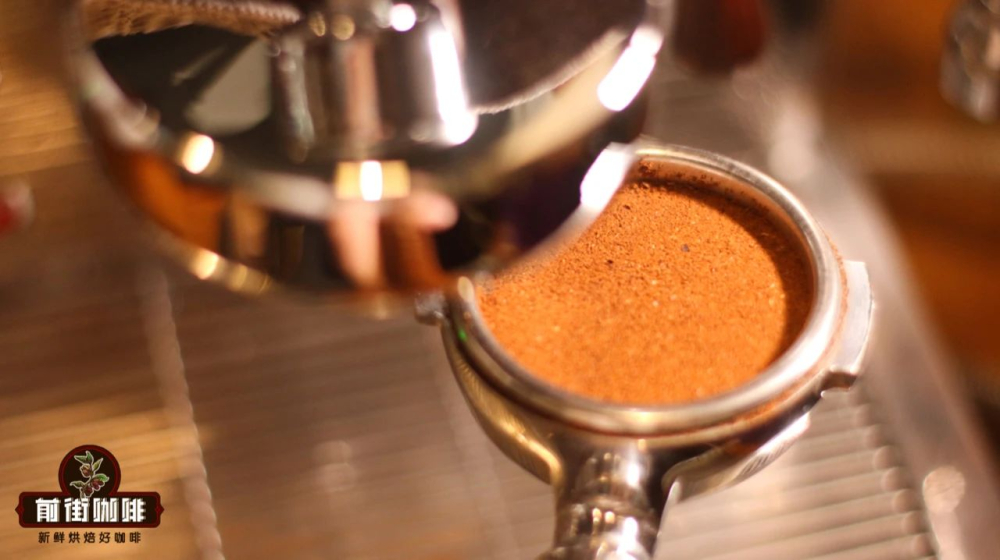
The dose setting should first match the basket capacity. It is recommended to use 7–9 grams for a single shot and 18–20 grams for a double. In practice, adjustments should be made based on the basket specifications—overfilling can lead to an overly compact puck that restricts water flow, resulting in under-extraction; insufficient dose can intensify channeling, leading to a sour taste. Professional baristas often make ±1 gram dynamic adjustments based on the daily activity level of the beans.
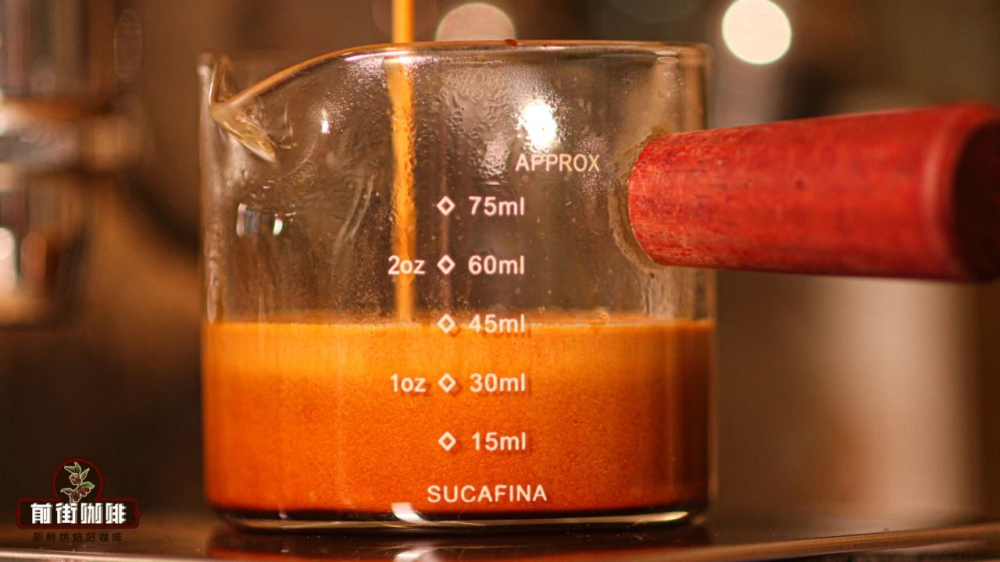
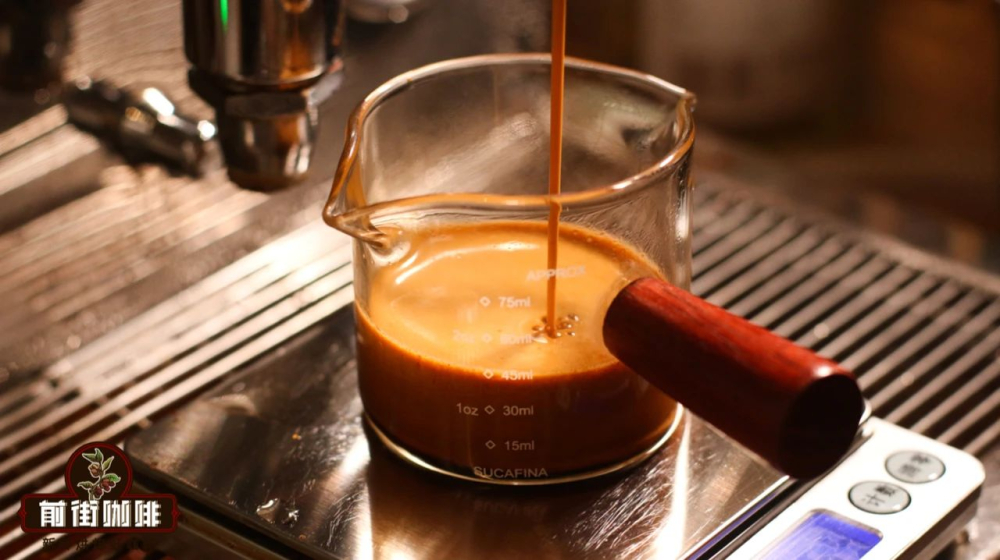
The coffee-to-water ratio is the foundational formula that determines concentration, with the conventional range set between 1:1.5 and 1:2.5, and the mainstream choice being 1:2 (e.g., 18 grams of coffee yielding 36 grams of liquid). This value directly affects the body of the coffee: ratios below 1:1.8 can easily lead to over-extracted, burnt bitterness, while ratios above 1:2.2 may result in flat flavors with prominent tannins. For specially processed blends (such as natural-process Yirgacheffe paired with sherry-cask-aged beans), a golden range of 1:1.9–1:2 can be tried to highlight wine-like layers.
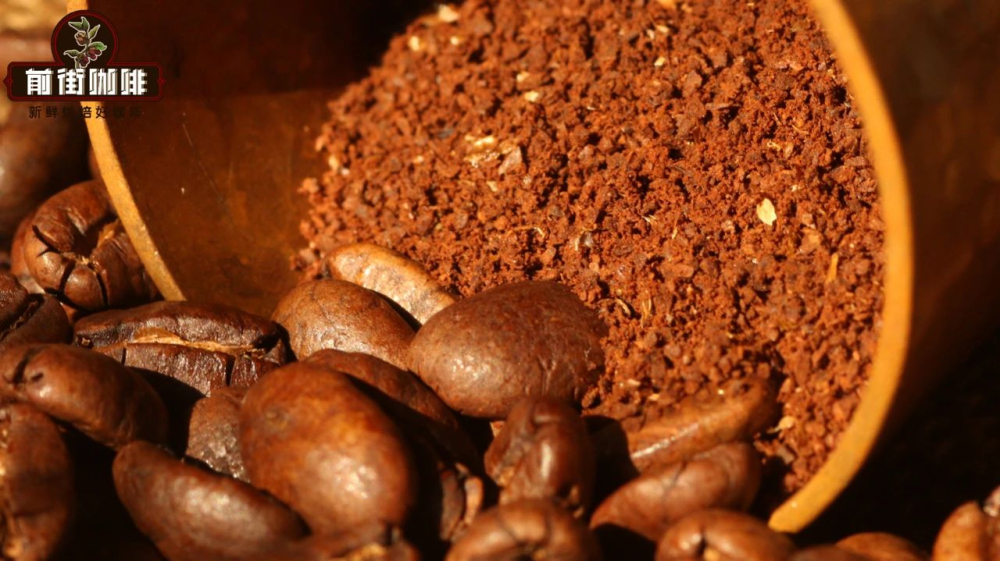
The standard extraction time should be controlled within a 25–30 second window. The best practice is to start timing from the first drop of coffee appearing at the 5-second mark after initiating extraction. Grind size has a significant impact—fine grinds increase puck density and extend extraction time, but exceeding 30 seconds can lead to over-extraction; coarse grinds may speed up the process but can result in under-extraction. Notably, freshly roasted beans may naturally extend extraction time by 1–2 seconds due to vigorous CO₂ release and produce rich crema.
Flow rate control is a direct indicator of whether the parameters are reasonable. The ideal state should show a steady, continuous stream. Empirical data shows that using 18–20 grams of coffee, a full extraction of 35–40 milliliters of coffee liquid takes about 27–30 seconds. If the flow is too fast (finishing in <25 seconds), first check the puck tamping pressure; if the flow is too slow (>35 seconds), investigate the grind setting or the bean degassing condition.
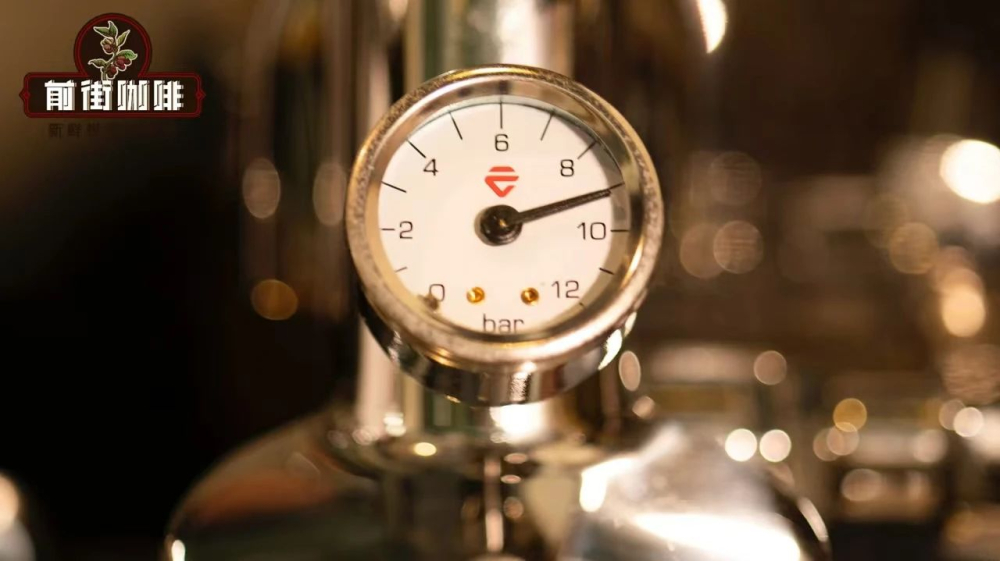
The standard extraction pressure for commercial espresso machines is around 9 bar, which effectively breaks down coffee cell walls to release flavor compounds. Abnormal pressure leads to serious defects—pressures below 8 bar result in insufficient extraction of aromatic substances, while pressures above 10 bar may extract bitter and astringent off-flavors. When selecting home machines, special attention should be paid to pressure stability parameters rather than simply pursuing high power configurations.
Water temperature control falls into the category of fine-tuning, with the optimal range set between 90–94°C. High temperatures (>94°C) accelerate the dissolution of tannins and phenolic substances, producing bitterness; low temperatures (<88°C) fail to fully extract sucrose and caramelized substances, resulting in sourness and astringency. Seasonal changes are advised to be compensated with ±1°C micro-adjustments using a thermometer.
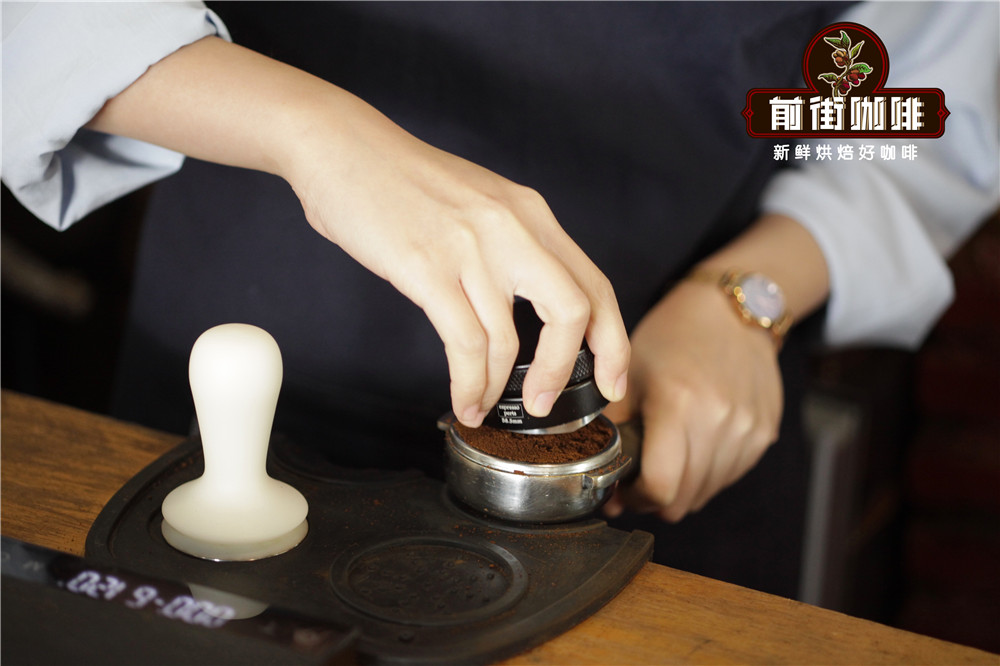
When flow rate abnormalities occur, it is recommended to troubleshoot in the following priority: first confirm the freshness and roast level of the beans (note the vigorous degassing period for fresh beans), then check the accuracy of the dose and the uniformity of tamping (a standard force of 30 pounds is recommended), and finally adjust the grind setting. Each parameter change should be made gradually, in increments of 0.1 mm on the burr setting or 0.5 grams of coffee dose.
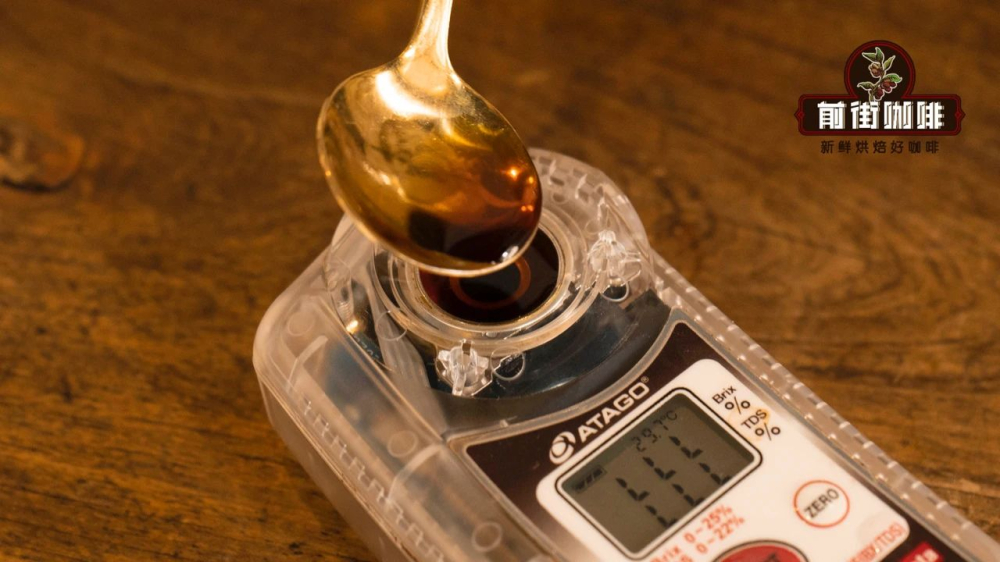
Professional concentration testing requires the use of a refractometer: first calibrate the instrument to zero with pure water, then take the center portion of the coffee liquid, allowed to settle for 10 seconds, and drop it into the test slot. Repeat the measurement three times and take the average to ensure stability. Extraction yield is calculated using the formula: (coffee liquid weight × concentration value) ÷ coffee bean weight × 100%. The ideal value should fall within the 18%–22% range.

Practical example: Using 19 grams of coffee to extract 40 milliliters of liquid in 28 seconds, with a measured concentration of 8.97%, the extraction yield is calculated as (8.97% × 40) ÷ 19 ≈ 18.44%, which meets the Golden Cup standard certification range. However, it’s important to note that the Golden Cup Theory only serves as a reference benchmark for flavor balance, and individual taste preferences still need to be validated through cupping practice.
The above content is compiled by CoffeeHunters, a coffee news website.


