







Introduction:Want to recreate a cup of outstandingly flavorful Kaweh SOE americano or latte at home, just like those from your favorite café? This article dives deep into the Ethiopian Yirgacheffe-grown sun-dried Kaweh SOE coffee beans, covering everything from green bean processing and roast level selection, to espresso extraction ratios, timing, and grind size. Whether you’re a pour over or espresso machine user, you’ll find beginner-friendly guidance and practical tips to master the key steps and troubleshoot common issues.
When it comes to specialty sun-dried coffee, many people first think of the “Kaweh” coffee beans from Ethiopia’s Yirgacheffe region. This sun-dried SOE, with its intense berry aroma and sweet, full-bodied taste, has become a daily favorite for many coffee enthusiasts thanks to its affordable price and consistent performance.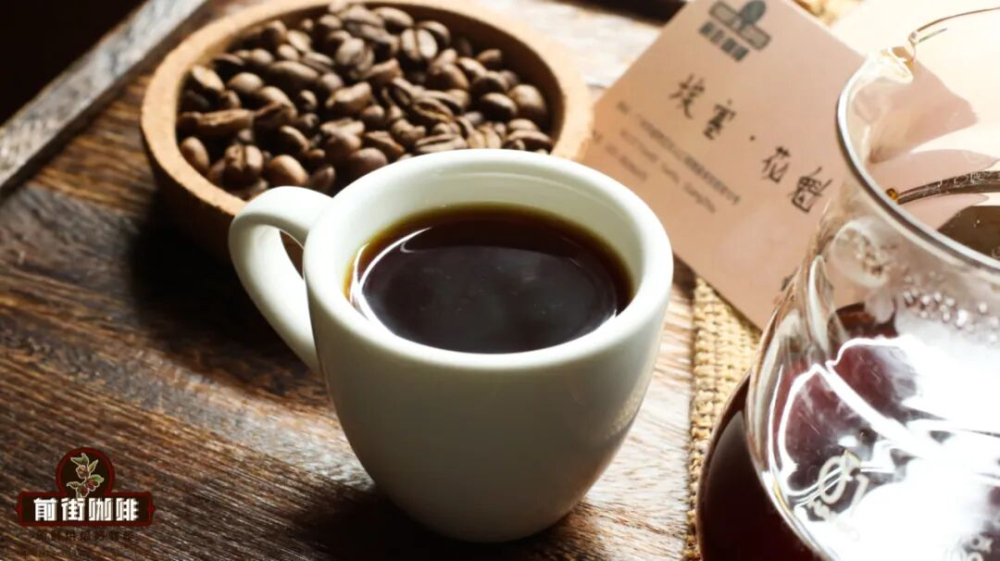
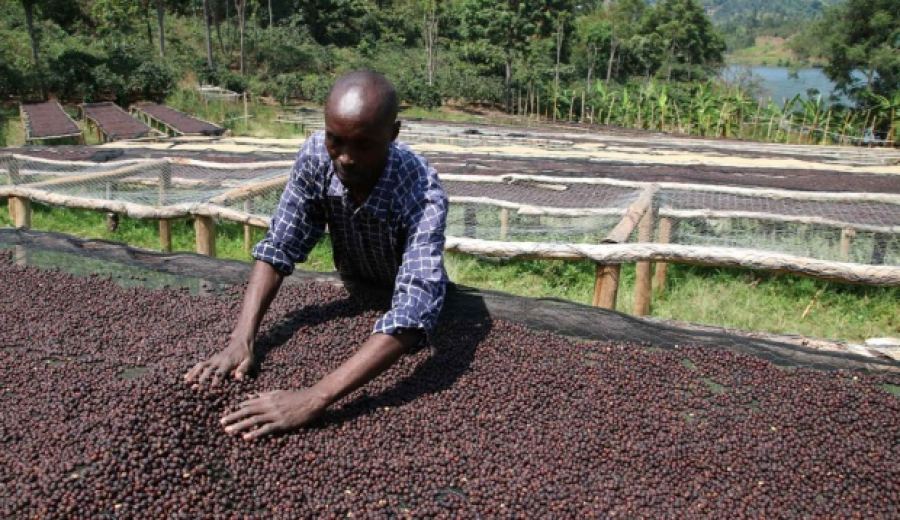
In the Yirgacheffe region, coffee farmers only select fully ripe red coffee cherries during harvest, picking them one by one by hand to ensure each bean is uniformly mature and free of impurities. These coffee cherries are then placed on wooden racks or platforms for sun drying to avoid contact with the ground, which can introduce undesirable off-flavors.
During the sun-drying process, the beans are regularly turned to ensure even heat distribution and stable dehydration. Every three to five days, moldy or defective beans are manually removed again. Once the fruit skin is completely dry and hardened, a hulling machine is used to remove the outer layer, followed by a final selection to ensure the green beans reach their optimal quality.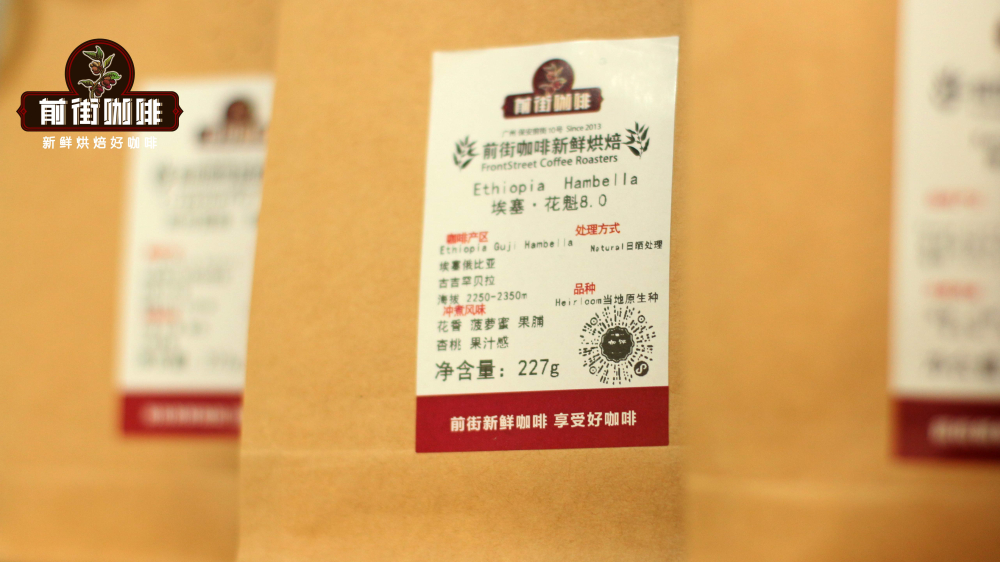
The new-season sun-dried Kaweh from this particular region comes from the Buku Abel processing station in the Guji-Hambela area of Ethiopia’s Yirgacheffe region. The coffee is grown at an altitude of 2,250–2,350 meters and belongs to the Heirloom variety, graded as G1. This coffee is called “Kaweh” because in 2017, it won the sun-dried category at TOH (Ethiopia National Taste of Harvest competition), after which it was named and introduced to the Chinese market by traders, symbolizing “the queen of flowers.”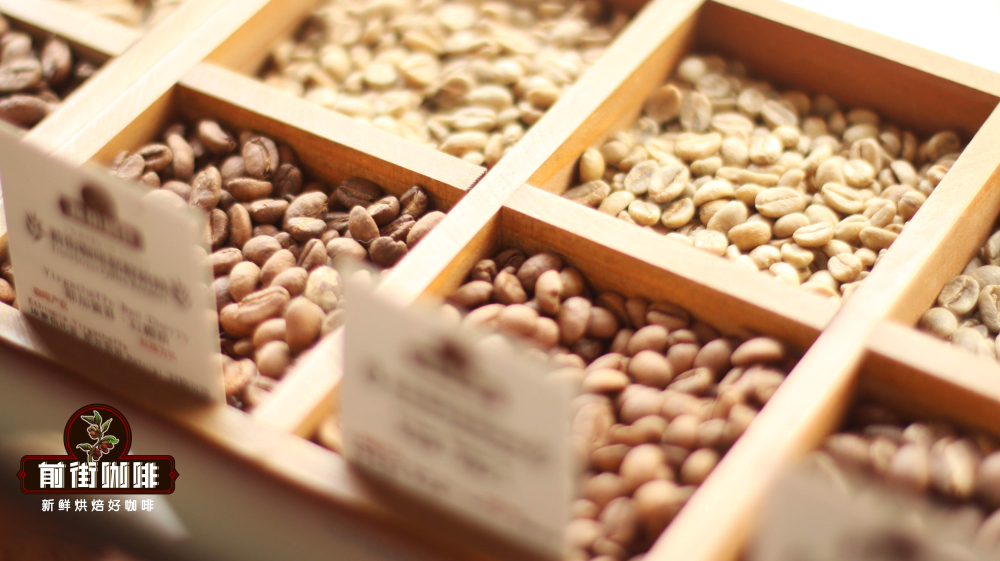
Although its name contains the character for “flower,” its flavor profile is not dominated by simple floral notes. Instead, it showcases a rich array of tropical fruit tones such as strawberry cream, mango, jackfruit, citrus, and blueberry—this is also the key to its standout performance in competitions.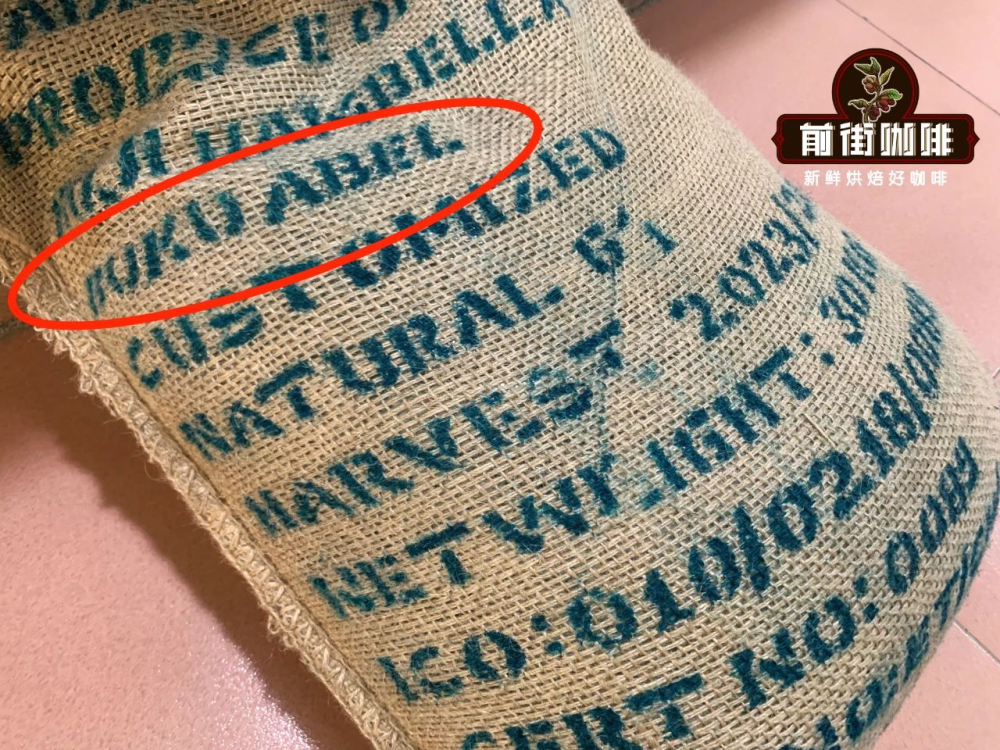
As for whether Kaweh is suitable for making SOE (single-origin espresso), the answer is yes. Its intense fruit aroma and fermented sweetness make it not only ideal for single-origin espresso extraction but also excellent when combined with milk or water to produce americano or latte with both appealing color and flavor.
Kaweh is offered in two roast levels: medium-light roast, which is ideal for cold brew or pour over, emphasizing bright acidity and layered complexity; and medium roast, specifically designed for espresso machines and moka pots, highlighting crema and a full-bodied mouthfeel—perfect for users who prioritize latte art and milk flavor.
If you choose to extract Kaweh SOE espresso using an espresso machine, the recommended parameters are as follows: use 20 grams of coffee grounds, aiming to extract 40 grams of espresso, with a 1:2 brew ratio. The extraction time should be controlled between 26–32 seconds, and the grind size can be referenced to around Galileo 2.0.
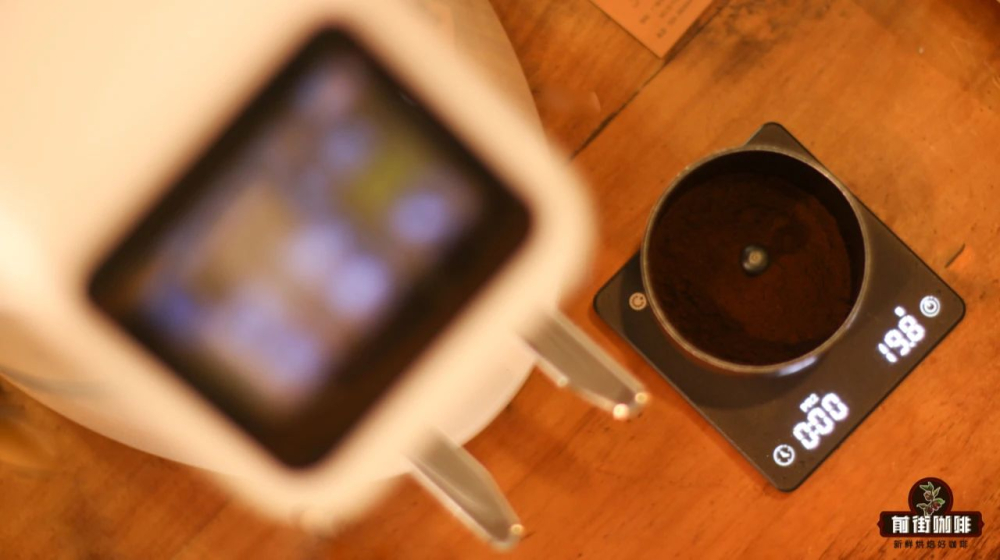
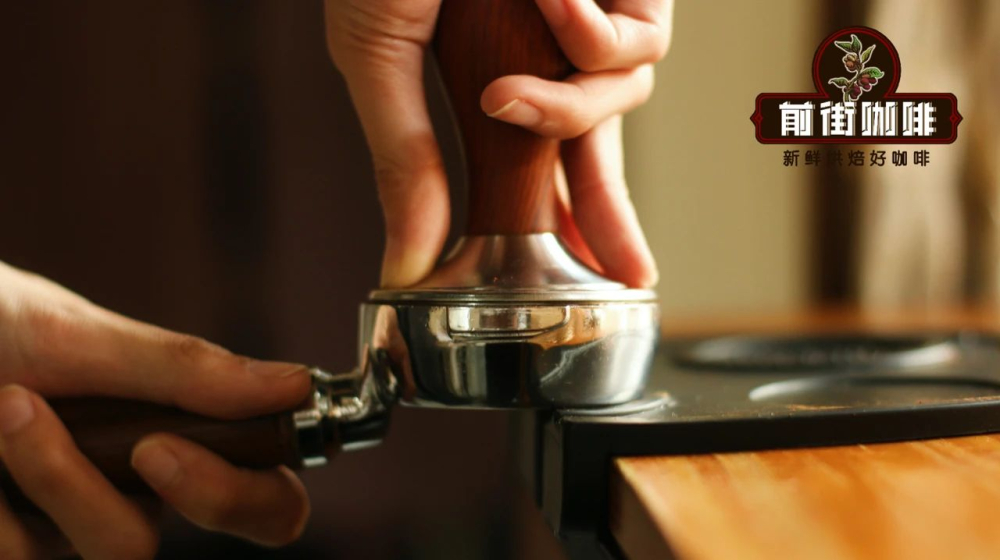
During operation, first dry the portafilter basket, grind the coffee beans and weigh them accurately, use a distribution tool to evenly spread the coffee grounds, then tamp vertically with a tamper to ensure a compact and stable puck. Before extraction, run water for 1–2 seconds to wet the brew head and clean away any residual grounds. Place the shot glass under the portafilter, start the extraction, and monitor both time and output weight. Once you reach 40 grams and the time is around 30 seconds, the extraction is complete.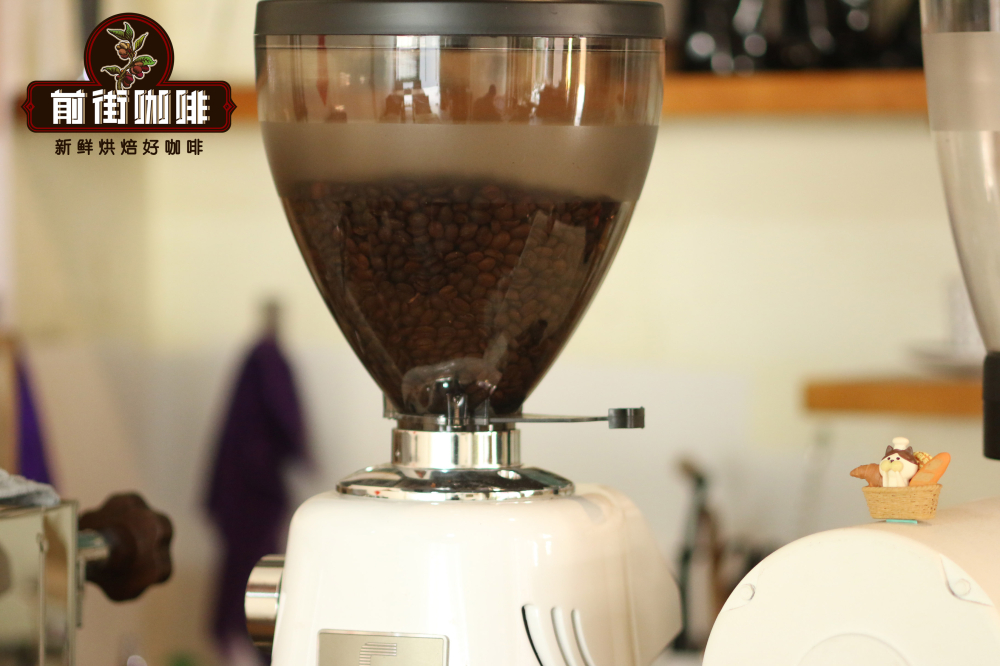 ,
 ,
 ,

The finished Kaweh SOE espresso features a rich crema with a primary profile of tropical fruit sweetness and acidity, paired with subtle floral notes. Using this as a base, you can prepare a Kaweh SOE americano (recommended 1:4 ratio with 160 grams of cold or hot water) or a Kaweh SOE latte (recommended 1:6 ratio with 240 grams of steamed milk). The latter will deliver a smooth and sweet taste reminiscent of strawberry shortcake with cream.
The above content is compiled by CoffeeHunters, a coffee news website.


