








Introduction:Want to know if the Huakui coffee beans are suitable for extraction with a moka pot? This article provides an in-depth analysis of the premium sun-dried Huakui G1 from the Guji-Hambela region of Ethiopia’s Sidamo, covering its flavor profile, roasting adaptability, as well as practical moka pot steps and techniques to help you showcase its unique wine-like aroma and berry notes using a light to medium roast. It also includes complete extraction parameters and answers to frequently asked questions.
The Origin and Flavor Background of Huakui Coffee
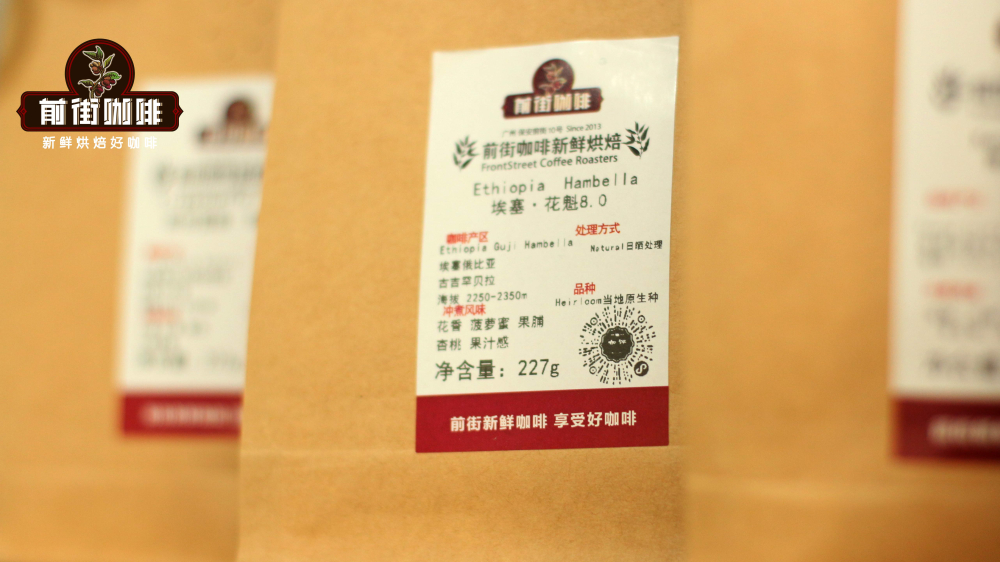
Huakui coffee originates from the Guji-Hambela area in Ethiopia’s Sidamo region. It is a high-grade G1 single-origin coffee bean that won first place in the sun-dried category during the 2017 Ethiopian National Cupping Competition, hence earning the name “Huakui.” This particular batch is harvested between December and January each year. The region’s unique high-altitude climate and significant day-night temperature variations impart highly distinctive aromas and sweetness.
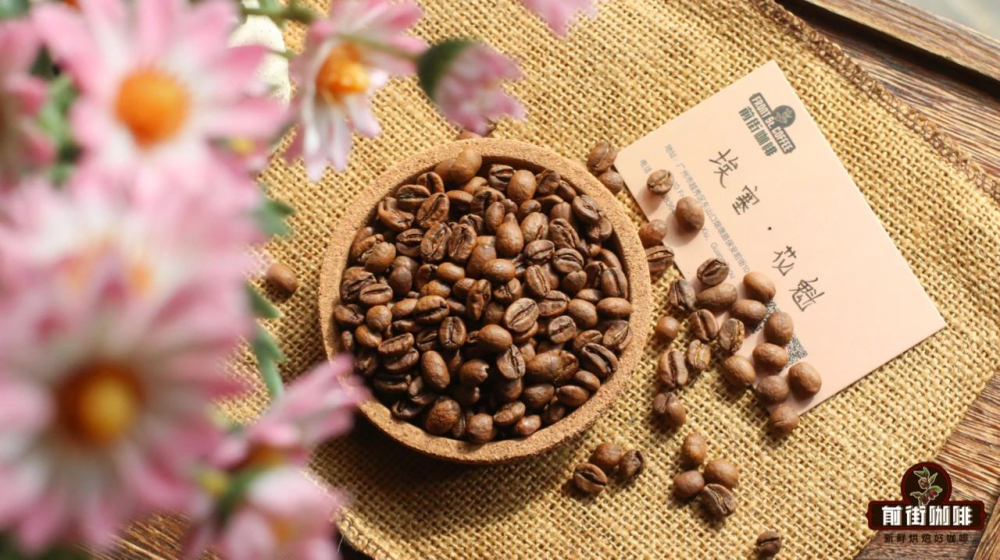
The Processing Method and Unique Flavor Profile of Huakui
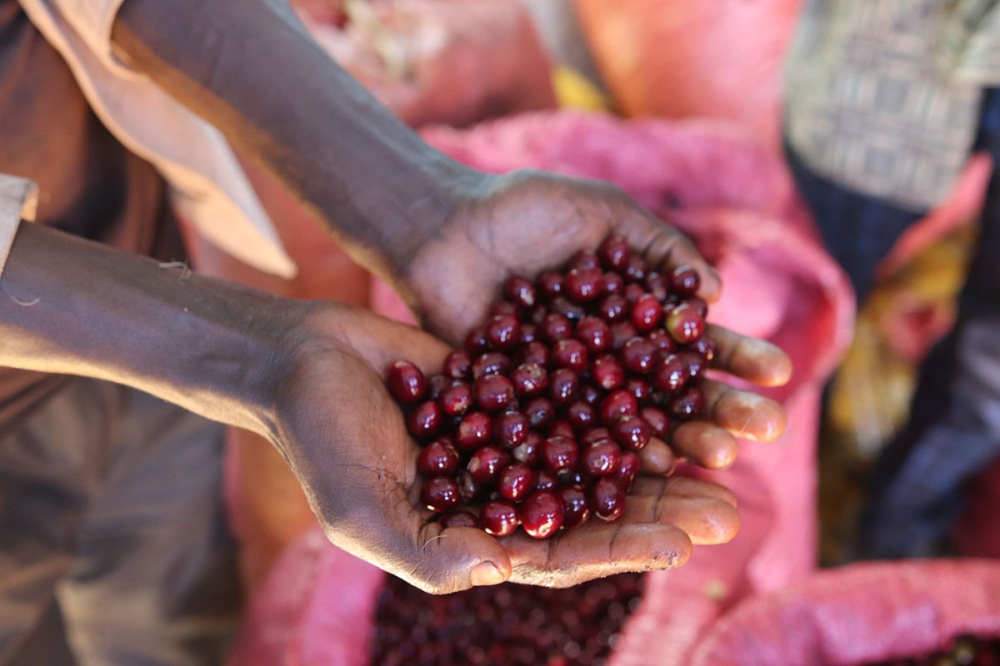
Huakui coffee is carefully selected from fully red, ripe coffee cherries and insists on handpicking to ensure quality. After harvest, the beans undergo African raised-bed drying, with fermentation beginning only once the sugar content reaches above 21. Throughout the sun-drying process, the beans are turned regularly every 24 hours to ensure even ventilation, and the low-temperature fermentation lasts for 21 days (compared to the usual 10+ days for typical sun-dried processing). This meticulous method greatly enhances sweetness and the complexity of fermented flavors. When brewed, it often presents rich wine-like aromas, floral notes, and fruity tea-like profiles reminiscent of strawberry fruit tea.
The Roast Levels and Suitable Brewing Scenarios of Huakui
Commercially available Huakui G1 is typically offered in two roast levels: light to medium roast and medium roast. The light to medium roast version highlights bright floral notes, citrus, and lemon-like fruit tones, with a finish of nutty and cane sugar sweetness. It is very suitable for brewing via pour over or drip methods. The medium roast version, on the other hand, emphasizes a richer body and caramel aroma, and is specially designed as an SOE (Single Origin Espresso) for high-pressure extraction tools such as moka pots and espresso machines. It can deliver a more robust body and layered flavors.
Why Can a Moka Pot Also Extract the Flavors of Huakui?
Many people think that moka pots are only suitable for medium to dark roast beans, but in fact, with adjustments to grind size and heat, a medium roast Huakui can also perform excellently in a moka pot. Thanks to Huakui’s naturally high sweetness and distinct fruit characteristics, it can still release captivating wine-like and berry aromas even during the high-pressure, short-duration heating process, offering a unique flavor experience compared to traditional espresso.
Step-by-Step Guide to Brewing Huakui with a Moka Pot
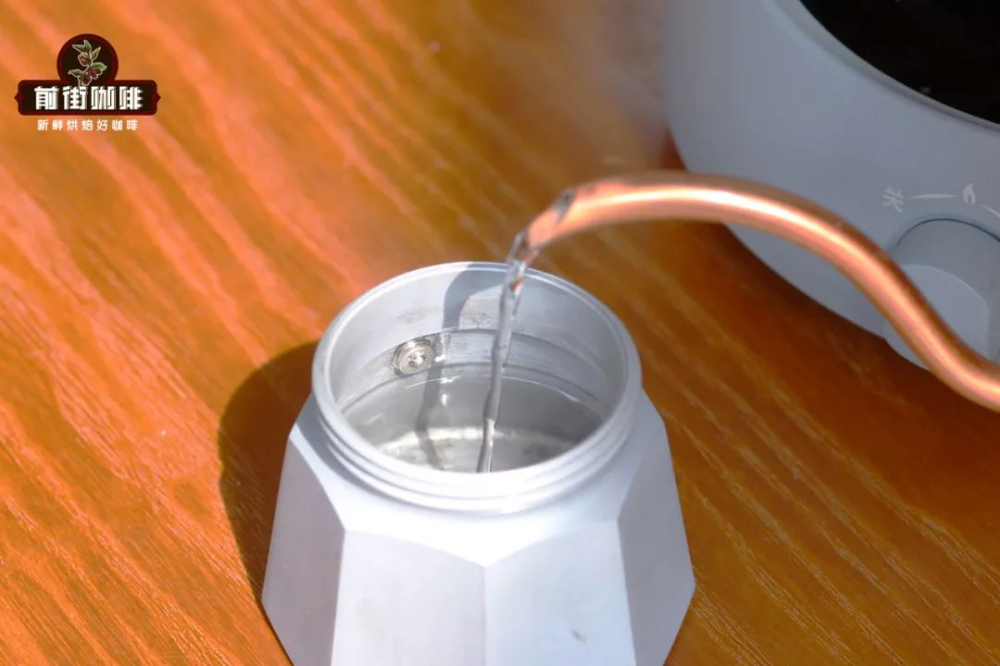
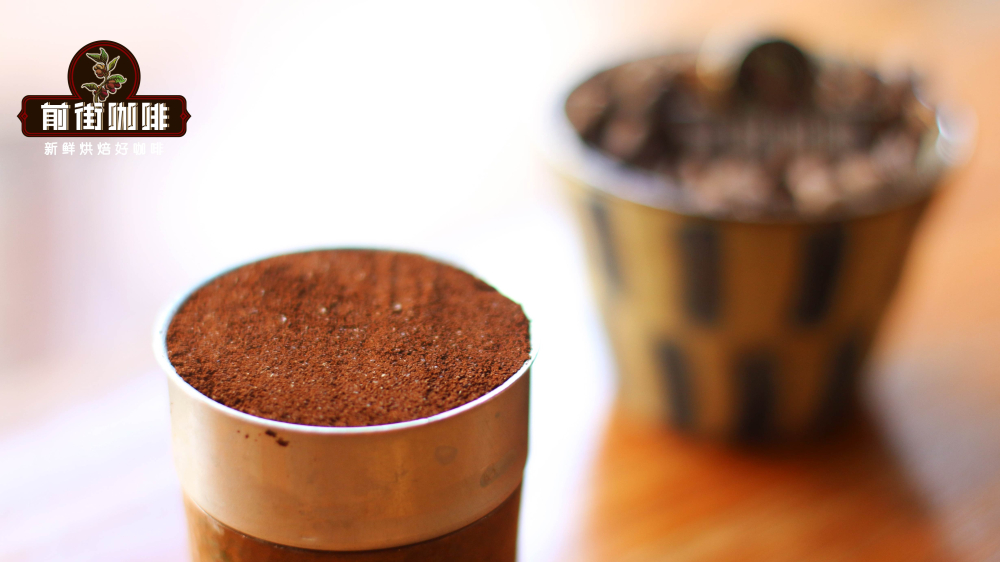
First, pour cold water into the lower chamber of the moka pot (it is recommended to use room temperature or slightly warm water to avoid scalding). Place the metal filter (basket) into the lower chamber, then gently hold the edge of the basket and fill it with the appropriate amount of ground Huakui coffee. When tamping, let the center rise slightly like a small hill, while evenly filling the gaps around the edges. Next, tightly screw the upper and lower chambers together to ensure there are no air leaks.
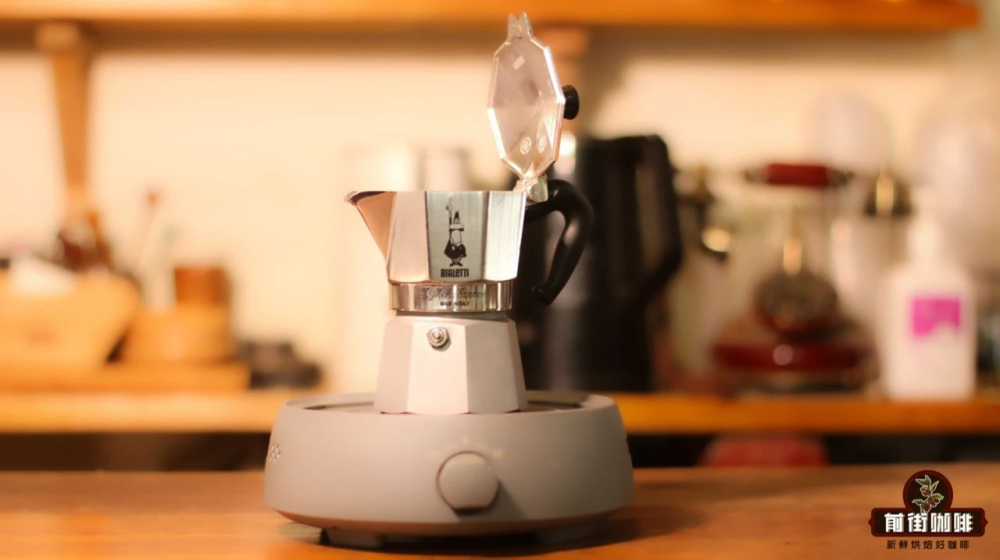
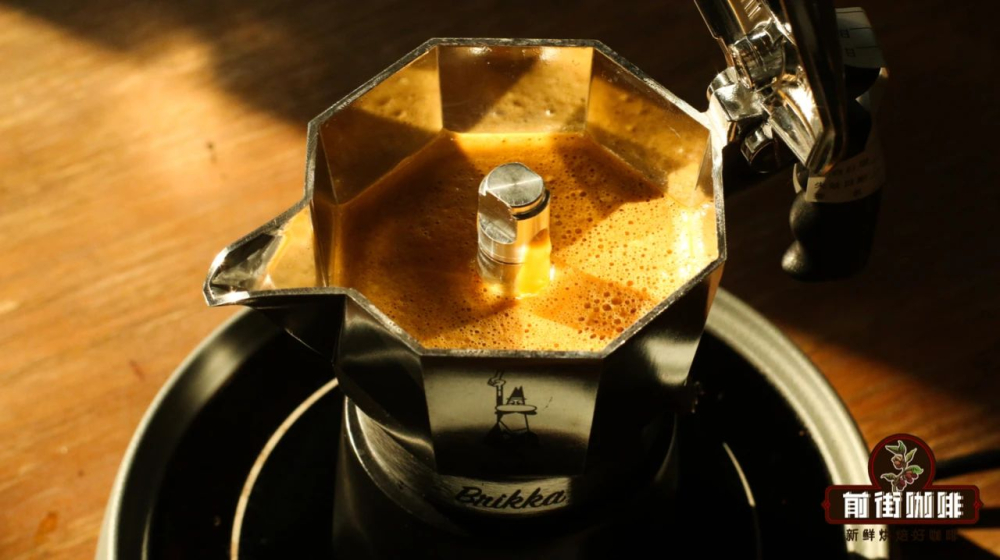
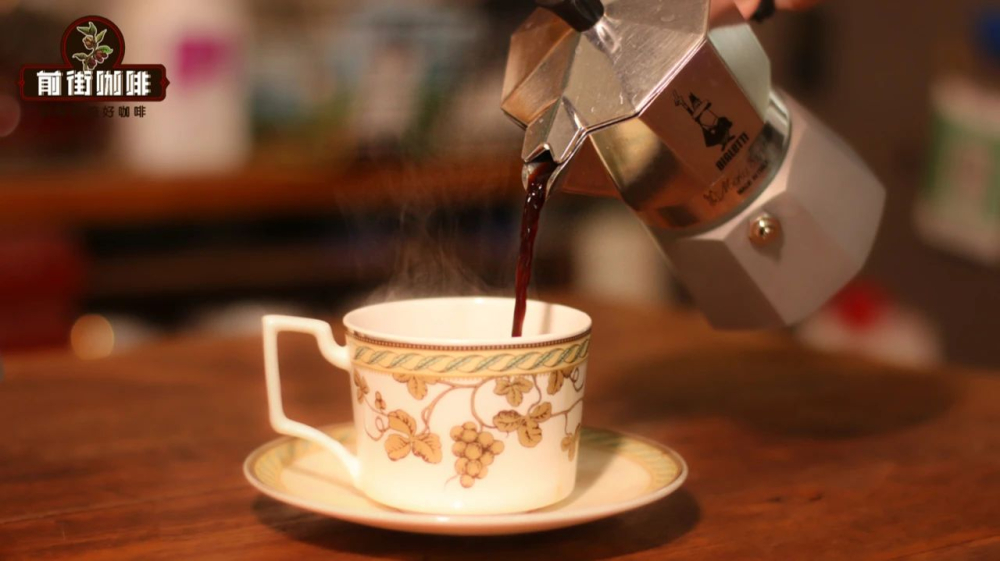
Place the assembled moka pot on an electric stove or gas burner and begin heating. When you hear a distinct “wuu wuu” sound, it indicates that pressure is building and coffee extraction has begun. At this point, it is recommended to immediately turn off the heat and wait for the coffee liquid to naturally flow into the upper chamber. This helps prevent over-extraction and preserves Huakui’s delicate aromas and balanced acidity and sweetness.
Flavor Enhancement Tips and Common Questions
Freshly brewed moka pot coffee usually has a layer of golden crema on the surface, but this crema often dissipates quickly, which is normal. If you enjoy a latte-like flavor, you can add a suitable amount of warm fresh milk with frothed foam. It is recommended to use a French press to quickly create fine foam, then mix it evenly with the coffee and perform simple latte art to create a uniquely flavored moka pot latte. Note that the grind size should be slightly finer than for pour over, but not too fine to avoid channeling. Avoid using excessive heat to prevent over-extraction or burnt, bitter flavors.
The above content is compiled by CoffeeHunters, a coffee news website.


