







Introduction:An in-depth analysis of the differences in extraction principles between hand grinding and machine grinding, with a comprehensive comparison of flavor profiles from espresso to pour over. Lists specific types of light, medium, and dark roasted coffee beans suitable for hand grinding, providing details on origin, altitude, processing method, and brewing parameters to help readers choose the right beans based on taste preference and master professional-level extraction techniques.
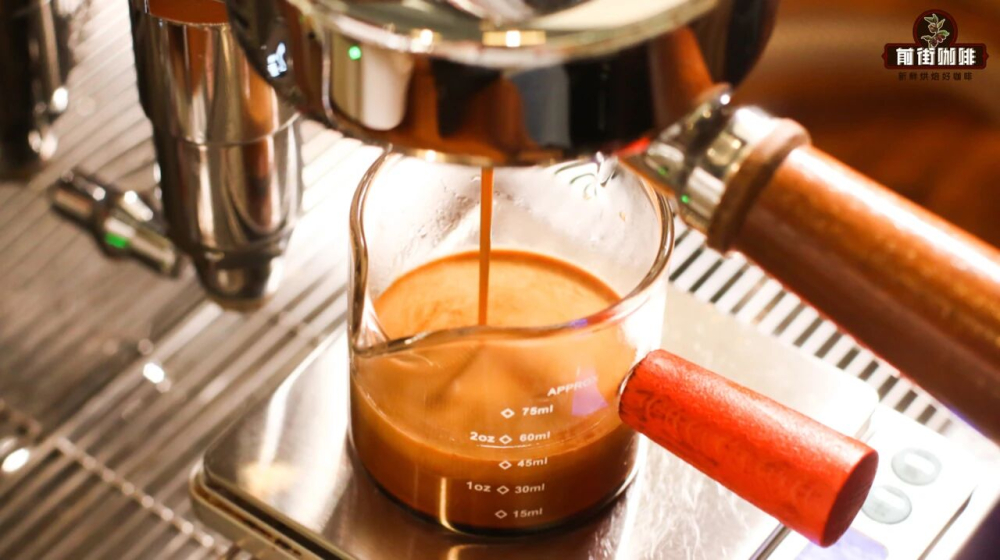
The biggest difference between hand-ground coffee and machine-ground coffee lies in the grinding method and extraction pressure. Taking common espresso machines as an example, they use an extremely fine grind size. After tamping the coffee grounds, extraction is performed under high pressure, releasing a large amount of soluble substances and forming a rich taste along with the signature golden to brown crema layer. These machines are generally suitable for medium to dark roasted beans—for instance, Brazil Queen Estate, which exhibits the aroma of roasted peanuts, or Golden Mandheling, which showcases spicy notes, both delivering stable extraction results.
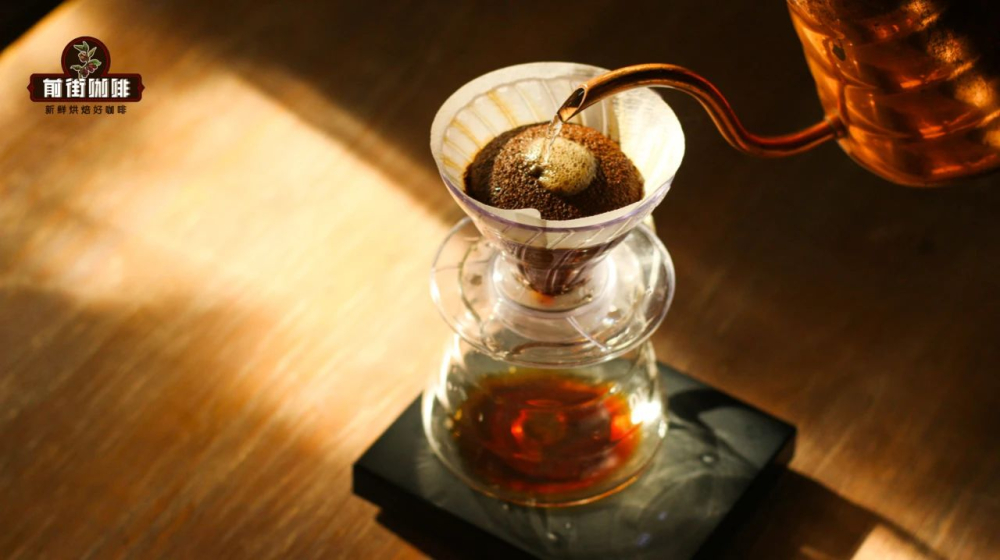
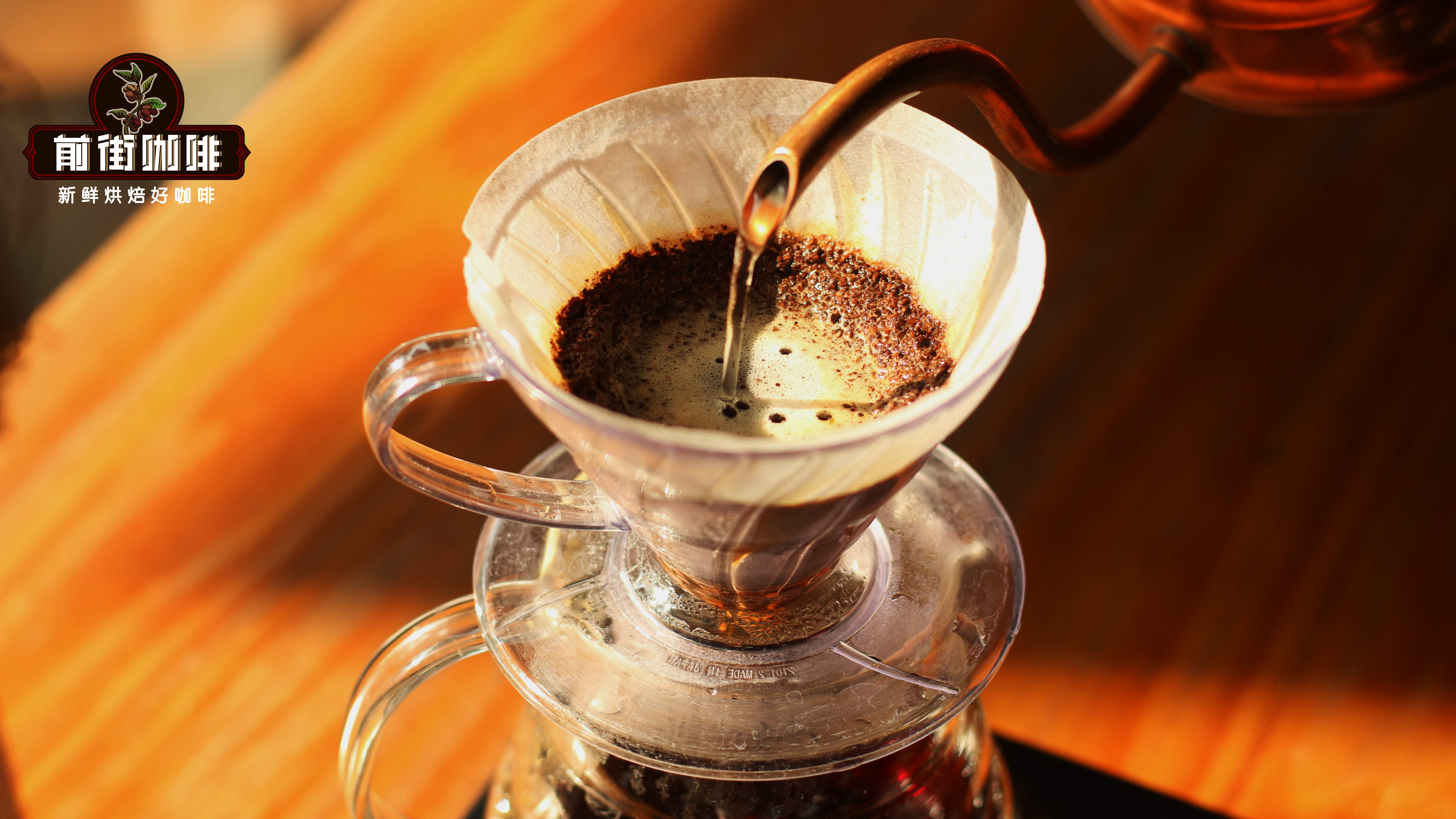
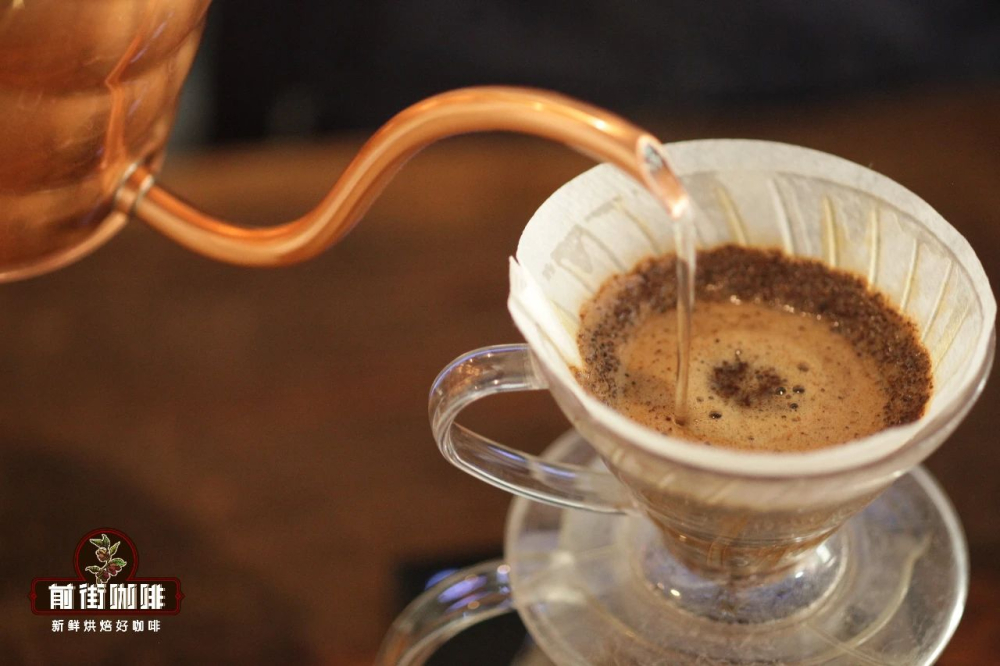
In contrast, hand-ground coffee allows manual control over grind coarseness, commonly used in pour over methods. This technique does not rely on high pressure but instead slowly saturates the coffee grounds with hot water and filters out the residue through paper, resulting in a clearer, more transparent liquid and a softer taste. Without the interference of mechanical pressure, pour over can more directly reflect the terroir characteristics of the coffee bean’s origin, making it ideal for exploring the unique flavor profiles of different growing regions.
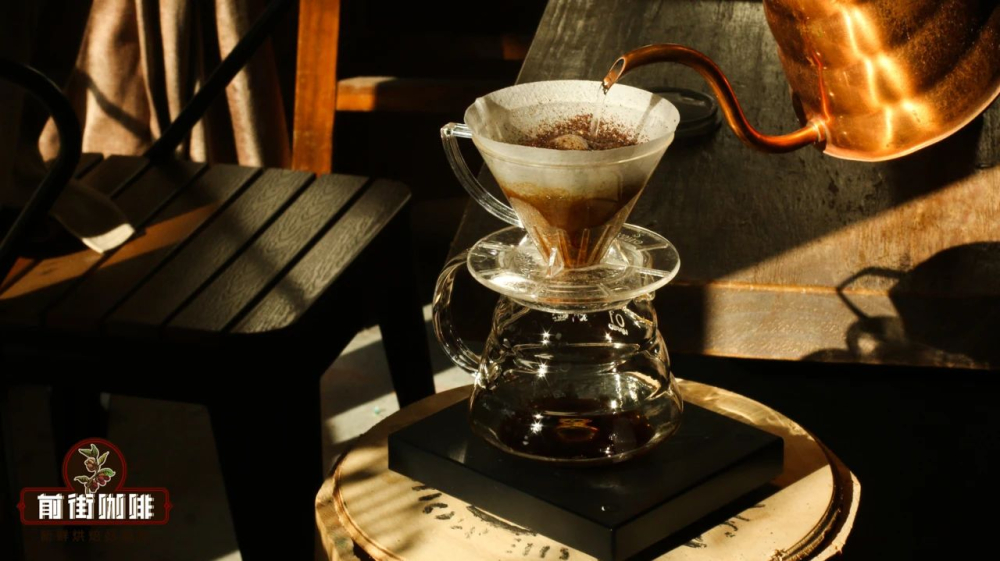
When performing pour over extraction, it is recommended to prepare a basic set of tools: including an electric scale for precise temperature control, a heating device capable of maintaining water temperature around 90°C, an adjustable pour over kettle, a V60 or fan-shaped dripper paired with corresponding paper filters, and a grinder that ensures even grinding. These tools help users strictly control the coffee-to-water ratio, water temperature, and pouring rhythm, thereby improving brewing consistency.
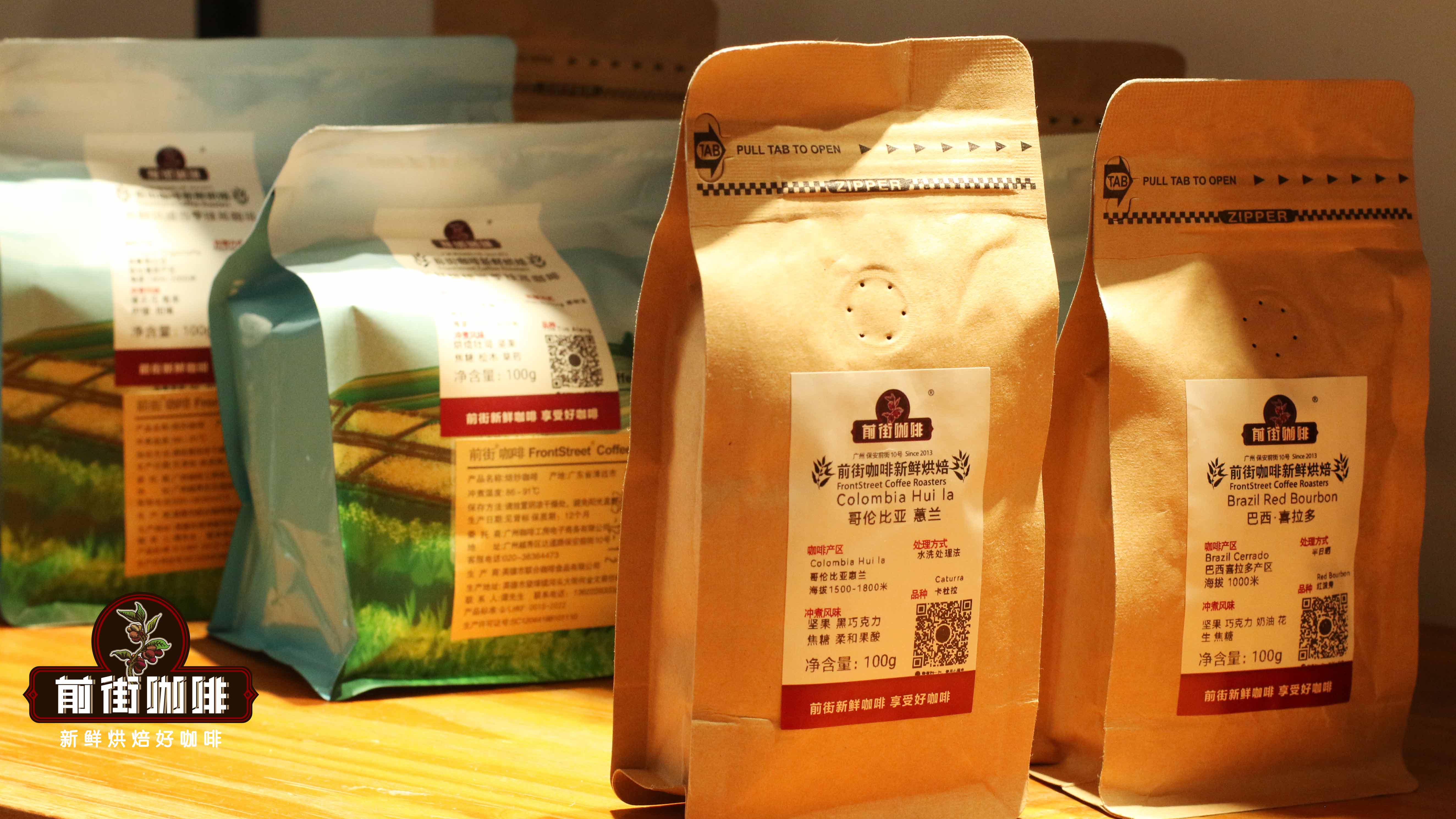
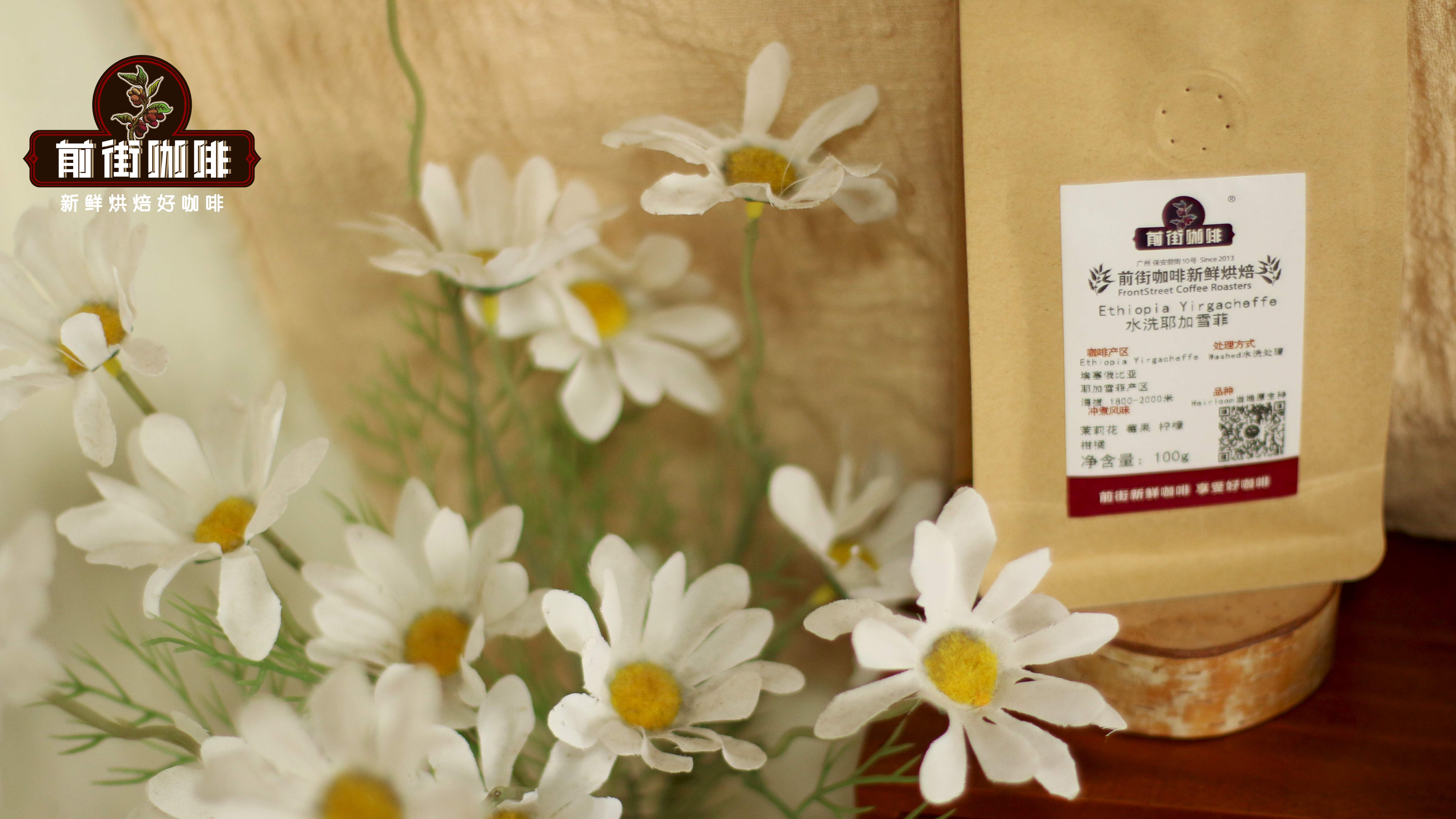
For those who prefer bright acidity and floral notes, Ethiopian Yirgacheffe washed beans are a classic entry choice. Grown at high altitudes of 1800–2000 meters, this G2 grade coffee, after being washed, presents distinct notes of jasmine, berries, and lemon, with a bright acidity that is not overly sharp. It is recommended to grind the beans to a granularity similar to fine sugar (approximately 80% passing through a #20 sieve), using a 1:15 coffee-to-water ratio and a water temperature of 90–91°C. Employ a pulse pouring method: start with 30 grams of water for a 30-second bloom, then pour an additional 95 grams and wait until the water level drops to two-thirds of the coffee bed before topping up to 225 grams. Total extraction time should be controlled between 1 minute 55 seconds and 2 minutes.
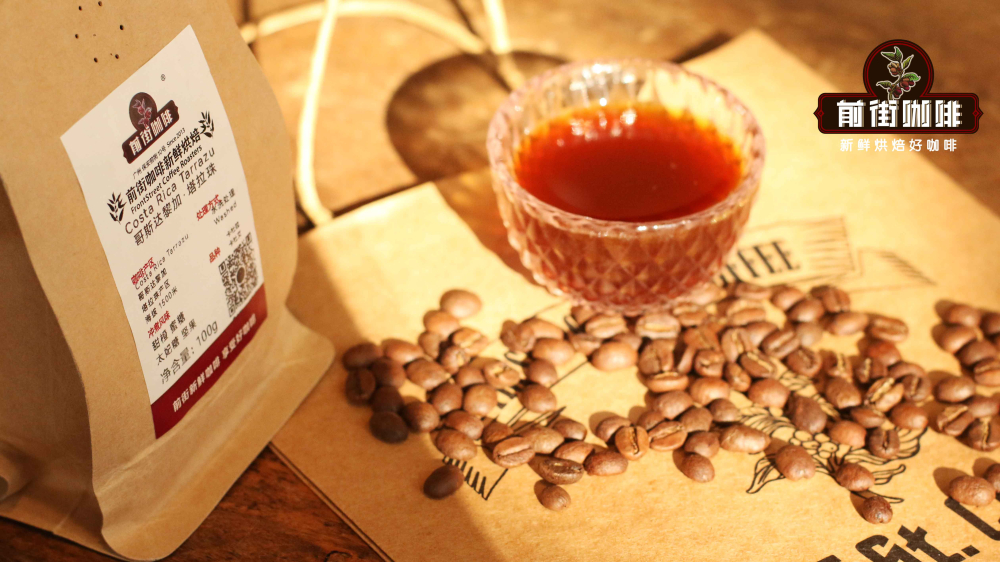
For consumers seeking sweetness and nutty flavors, Costa Rica Tarrazú washed beans are a great option. Grown at 1500 meters in the Central Valley, this blend of Caturra and Catuaí varieties, after washing, offers layered notes of sweet orange, honey, and toffee. The brewing parameters are similar to those for Yirgacheffe, but note that after the second pour, extend the dripping time to 2 minutes and 3 seconds to fully extract the mid-palate nutty and chocolatey finish, complemented by cedar notes to form a complete flavor arc.
For those who prefer low acidity and a full-bodied mouthfeel, Indonesian Sumatra Lintong Mandheling processed with the wet-hulled method is a solid choice. Grown at elevations of 1100–1600 meters in mountainous regions, this blend of Typica and Caturra exhibits deep flavors such as toasted bread, dark chocolate, and herbs due to its unique processing method. It is recommended to switch to a Kono dripper to enhance extraction uniformity, adjust the grind size to that of coarse sugar (approximately 11 on the EK43s grinder), and lower the water temperature slightly to 87–88°C. After a 30-gram bloom, pour in 125 grams followed by 225 grams of water in stages, keeping the total brew time around 2 minutes to emphasize caramel and pine wood flavors.
When selecting hand-ground coffee beans, it's important to consider how roast level affects flavor: light roasts highlight bright acidity and fruity-floral aromas, suitable for those who enjoy refreshing tastes; medium roasts balance acidity, bitterness, and sweetness, showcasing caramel and nutty notes; dark roasts enhance body and spice flavors, ideal for those preferring a bold cup. Regardless of roast preference, it is recommended to start with single-origin beans to gradually develop the ability to discern terroir characteristics before exploring the complex flavors of blends.


The above content is compiled by CoffeeHunters, a coffee news website.

