








Introduction:Want to understand why Ethiopian Yirgacheffe Natural Hua Kui coffee beans are often the first choice for many coffee beginners? This premium bean from the Guji Hambella region, with its unique high-altitude natural processing and heirloom variety characteristics, showcases captivating floral and fruity aromas along with a refreshing juice-like body. This article delves into its growing environment, processing methods, flavor profile, and optimal brewing techniques, guiding you from bean selection to brewing to fully grasp your own coffee experience.
Ethiopian Yirgacheffe Natural Hua Kuiis a premium Arabica coffee bean originating from the Guji (GUJI) Hambella (Hambella) area, meticulously processed by a local washing station. What this coffee is most known for is its rich and layeredfloral and fruity aroma,making it one of the top choices for many coffee beginners stepping into the world of specialty coffee.
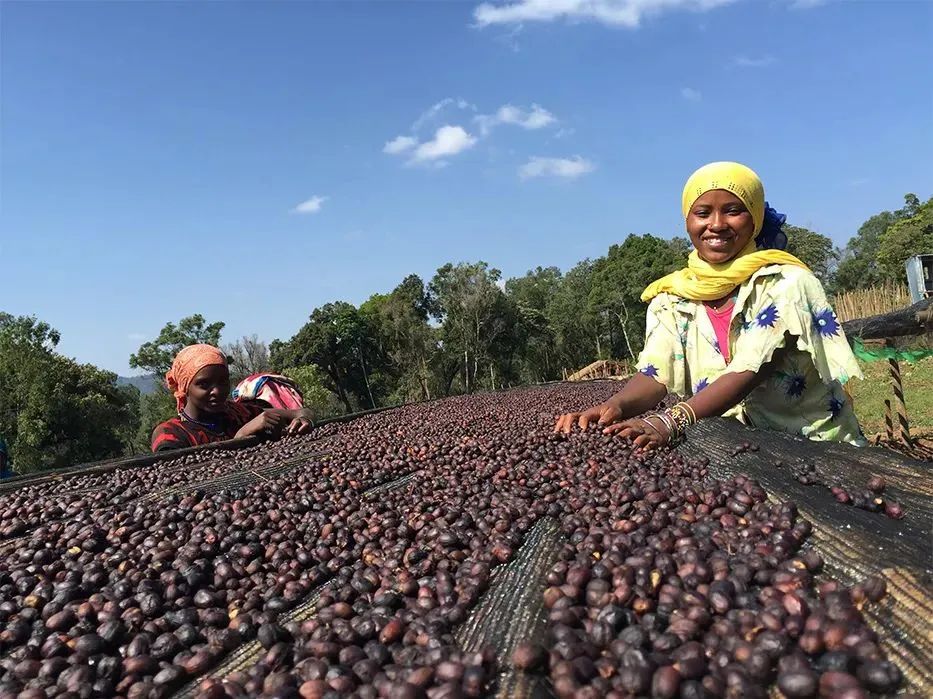
The washing station is located at an altitude ofover 2250 meters,with annual rainfall exceeding 1200 mm, coupled with significant day-night temperature variations, providing ideal growing conditions for coffee cherries. The Hua Kui coffee carefully selectsfully red cherries,that is, fully ripe coffee cherries, and insists on handpicking to ensure the quality of each bean. After harvest, the coffee cherries undergo natural sun drying on African raised beds, with careful control of fruit layer thickness and24-hour continuous turning, combined with the low local temperatures for natural fermentation, further enhancing the complexity of flavors.
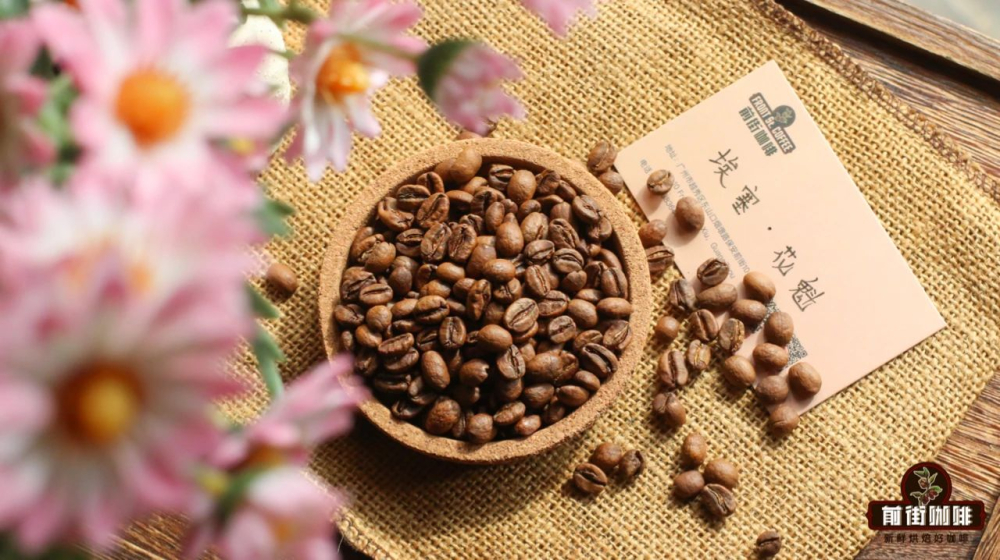
During the harvesting season from December to January each year, the region’s unique natural conditions give Hua Kui its distinctive flavor profile. It is reported that sun drying only begins when the sugar content of the coffee cherries reachesabove 30.In the first two days of sun drying, the washing station pays special attention to maintaining appropriate humidity to promote the fermentation reaction of the fruit sugars. Additionally, since the washing station is located in a high-altitude area, nighttime temperatures can drop to around12°C,helping to slow down the fermentation rate and avoid undesirable over-fermented odors; during higher midday temperatures, appropriate shading is applied to prevent the coffee cherries from being scorched by intense sunlight.
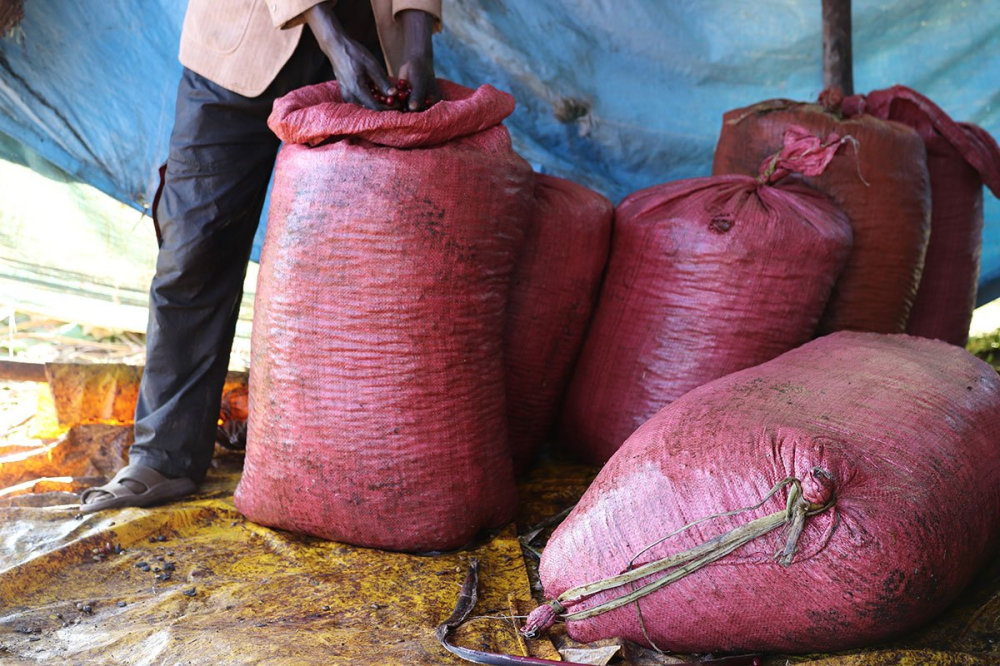
It is worth mentioning that to prevent unexpected nighttime rainfall from affecting the fermentation process, the washing station also uses thick plastic sheeting for coverage, ensuring the coffee cherries can slowly dehydrate and ferment in a stable and cool environment. This rigorous processing technique allows the Hua Kui coffee to retain bright acidity while also offering rich sweet fruitiness and a full-bodied aftertaste.
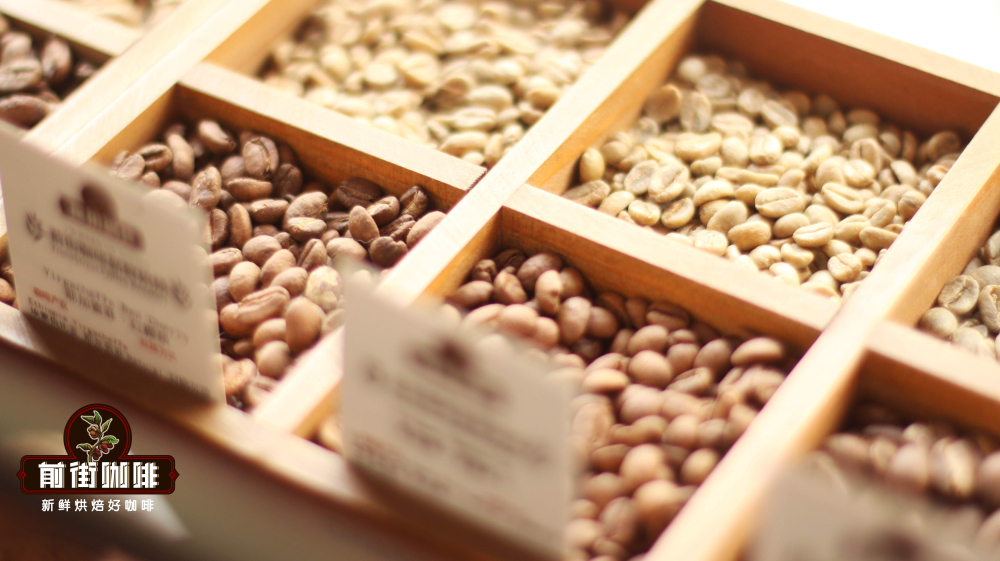
The coffee variety used in Hua Kui belongs to Ethiopia’s local heirloom types, with beans varying in size — some are smaller and more rounded, while others are slightly longer with fuller bodies, typically ranging between14 to 15 mesh. Although the appearance varies significantly, this is a common characteristic of Ethiopian coffee and has no direct relation to the final flavor profile.
Presented with a medium-light roast, the Yirgacheffe Natural Hua Kui has a very clear flavor profile:The cup opens with distinct floral and berry notes,followed by the bright acidity and sweetness of citrus and oranges. The mid-palate reveals a rich fruitiness reminiscent of mango juice, while the finish carries honey-like sweetness and the smoothness of black tea. The overall mouthfeel is refreshing yet layered, making it highly suitable for coffee lovers who enjoy bright fruitiness and balanced acidity and sweetness.
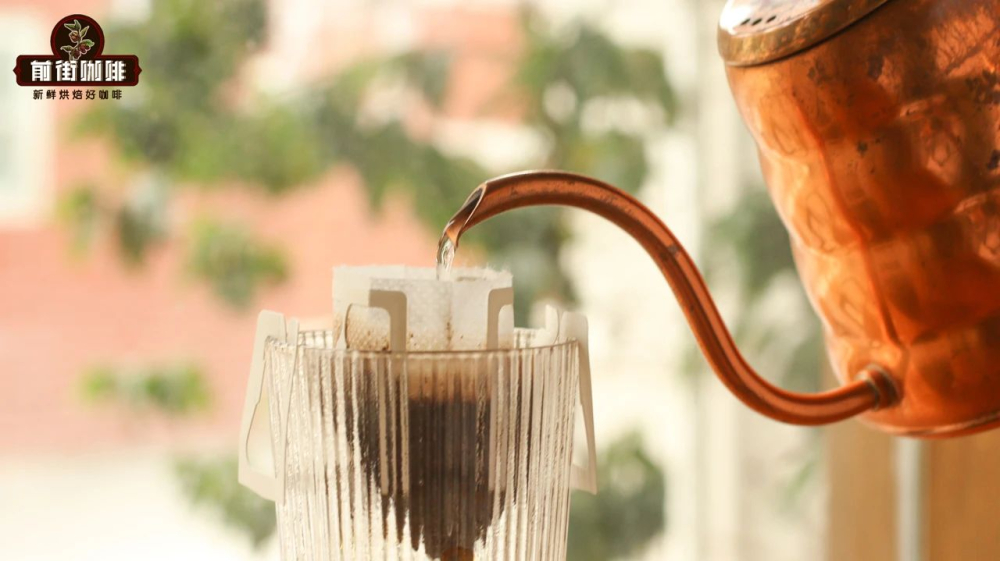
In terms of brewing methods, Hua Kui coffee beans are suitable for various devices such as pour over, drip bags, siphon pots, or clever drippers, among which pour over best highlights its delicate flavor layers. If you have a busy daily life, drip bags are recommended — each 10g coffee pod brews about 150ml of black coffee, is easy to use, and preserves the original flavors, making it perfect for office workers to enjoy daily.
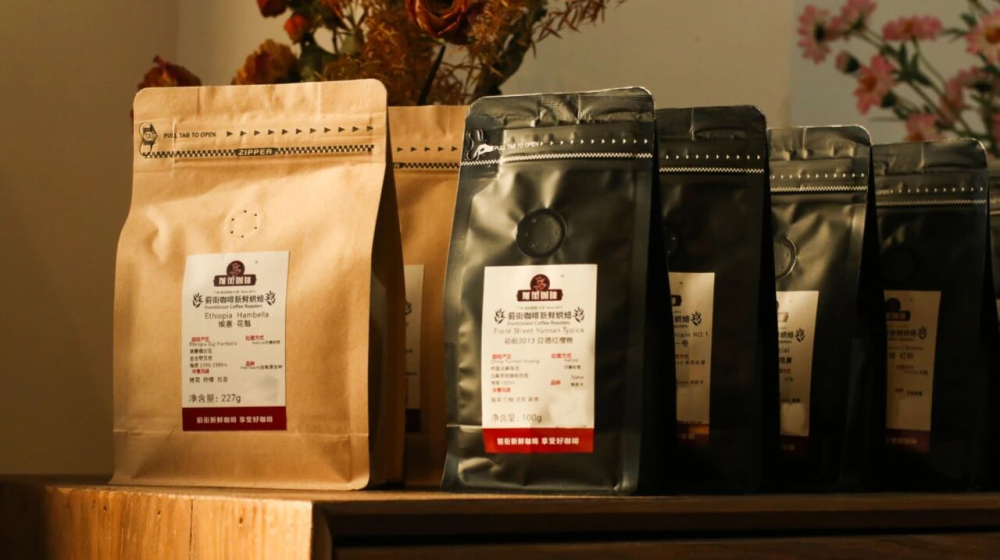
If choosing the pour over method, it is recommended to use aresin V60 filter cone,as this type of filter enhances aroma release and showcases richer acidity changes from hot to cool during brewing, making the coffee flavors more three-dimensional. Also, pay attention to the coffee bean’s resting period before brewing — it is generally recommended to consume it within4 to 7 days after roasting,when the flavor performance is at its best.
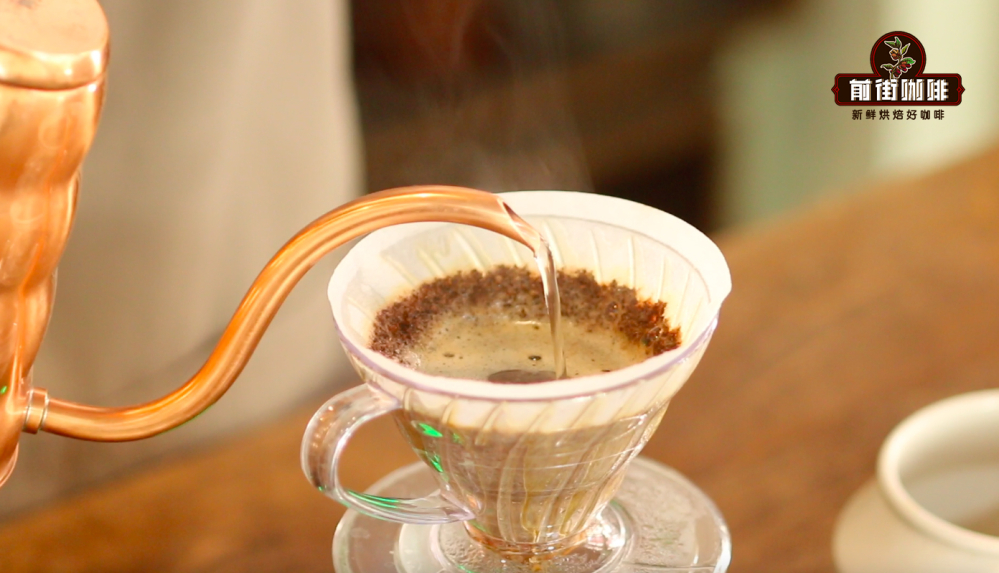
In practice, it is suggested to usemedium-fine grind (similar to the coarseness of fine sugar),with a reference of about 80% extraction rate using a Chinese Standard No. 20 sieve. For example, a brand’s standard recipe is: 15g coffee grounds, 91°C water temperature, 1:15 powder-to-water ratio, and extraction via a three-stage pouring method — starting with 30g water fora 30-second bloomto release CO₂ from the coffee grounds for stable subsequent extraction; then continue pouring with a small stream in circles up to 125g for the first pour, then add water up to 225g before stopping, and let the filter cone drip dry before removing it, with total extraction time controlled at approximately2 minutes.Finally, gently swirl the brewed coffee before enjoying this highland essence from Ethiopia.
The above content is compiled by CoffeeHunters, a coffee news website.

