







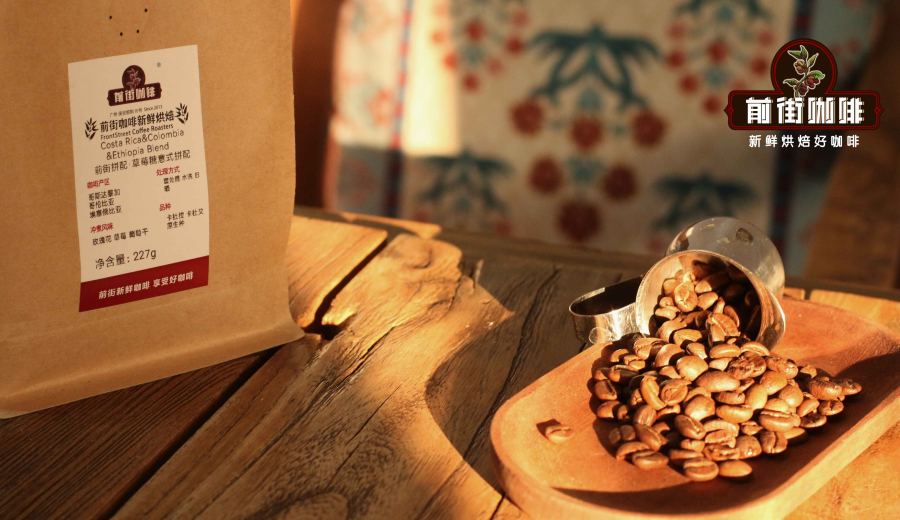
Introduction:To brew an espresso with rich crema and balanced flavors, choosing the right blend is key. This article dives into why professional shops prefer blended coffee beans, introduces the ideal coffee-to-water ratio and roast level for espresso, and recommends five different espresso blends—from beginner-friendly options to commercial-grade choices—to help you find the perfect bean for your needs.
Many people’s first encounter with coffee is an espresso-based drink, whether it’s a latte with milk or an Americano with water. These classic beverages all start with a shot of espresso. But many beginners often wonder: do you have to use dark-roasted beans to make espresso? And what kind of coffee beans are suitable for home brewing? In fact, selecting the right espresso blend is the first step to making a great shot.
Before choosing any espresso blend,the freshness of the coffee beansis one of the most important factors to consider. To judge freshness, check the roast date on the packaging: if it’s within five days, the beans are very fresh; if it’s over a month, it’s best to consume them soon. You can also assess freshness by the extraction results: freshly roasted beans produce espresso with thick, dark crema, while stale beans yield thin, pale crema, usually indicating the beans have been stored too long and their flavors have significantly diminished.

After roasting, coffee beans typically experience a noticeable decline in aroma after about 50 days, and may even develop woody or cardboard-like tastes. Therefore, freshness directly impacts the final extraction quality. Even high-quality beans can struggle to express their full flavor potential if they’re not fresh.
Why recommend usingblended coffee beansfor making espresso? Blends are made by combining single-origin beans from different regions in specific proportions, aiming to balance strengths and weaknesses to create a more harmonious and complex flavor profile. For example, some beans may have a smooth mouthfeel but lack aroma; pairing them with high-aroma beans can compensate for the shortcomings, resulting in a rich and layered coffee experience. This blending technique is the secret weapon that professional coffee shops use to produce consistently delicious and stable espressos.
When making espresso,the coffee-to-water ratiois one of the key parameters affecting extraction. The generally recommended ratio is 1:2 to 1:3 (i.e., 1 gram of coffee grounds to 2–3 milliliters of water), with a typical dose of 7–10 grams and an extraction time of 25–30 seconds. This yields a concentrated and balanced espresso. Additionally,an appropriate grind sizeis also crucial for successful extraction—too coarse leads to under-extraction, while too fine can cause over-extraction and result in bitterness.
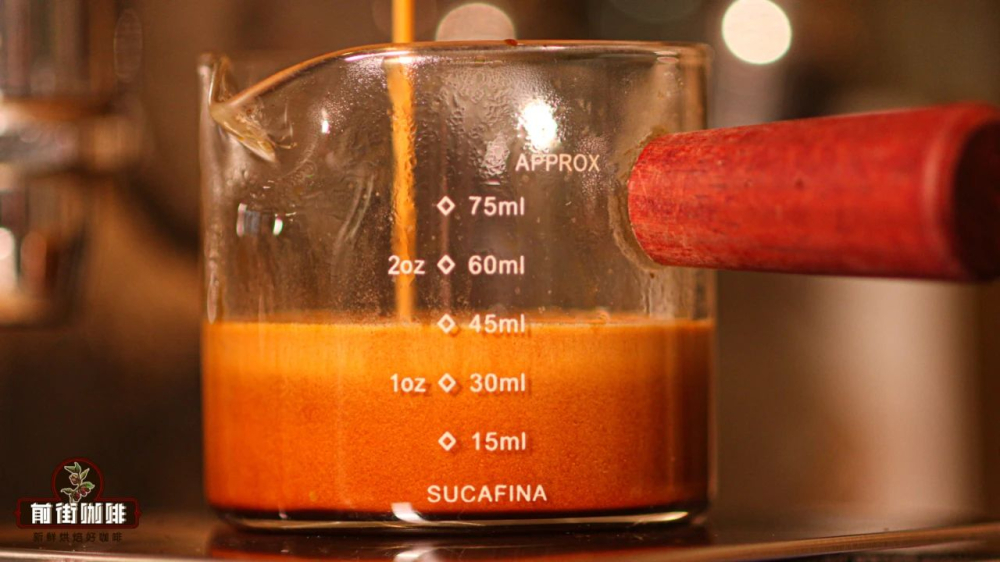
Below are several espresso blends worth trying, tailored to different preferences and needs, offering a range of options from beginners to commercial use.
First up is theclassic dark roast espresso blend,which combines Brazilian Red Bourbon, Indonesian Mandheling, and Vietnamese Robusta. Dark roasting brings out intense, bold aromas, making it especially suitable for making Americanos and lattes. This blend produces rich, velvety crema with distinct layers, making it a solid choice for beginners.
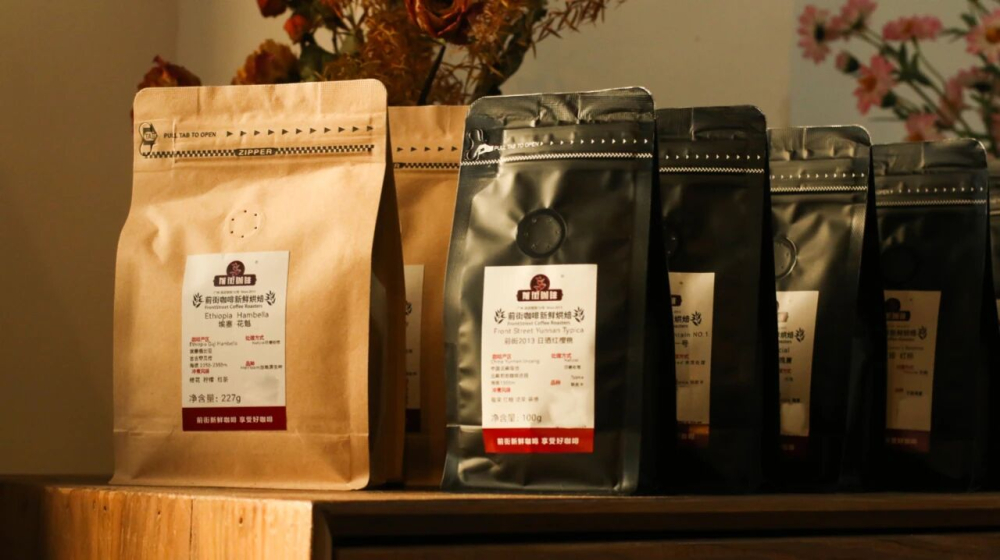
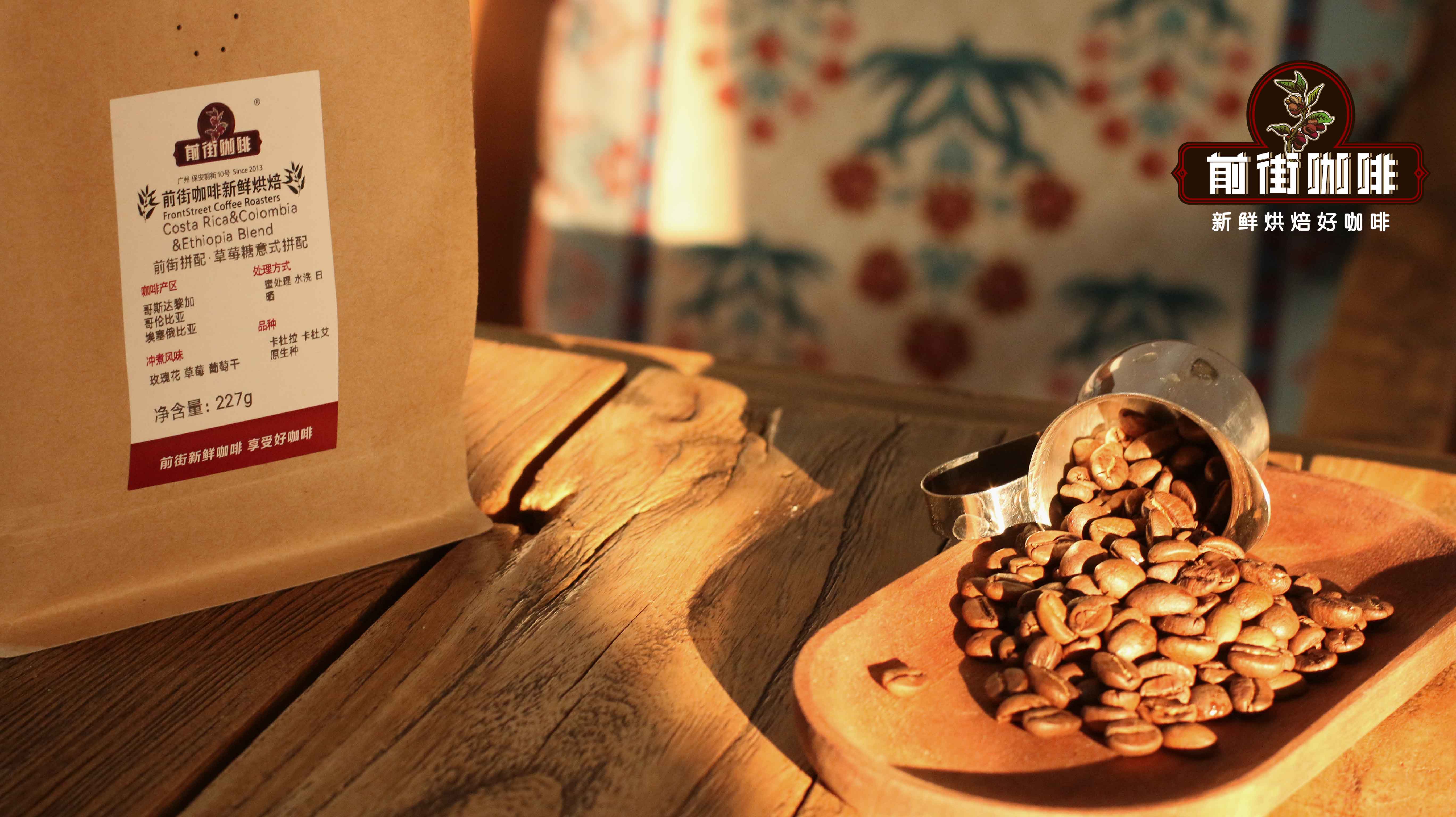
If you prefer fruity and floral notes in your espresso, consider themedium-roast Strawberry Candy Blend,which combines Costa Rican honey-processed beans and Ethiopian beans, with Colombian beans added for balance. It delivers a soft, sweet-tart flavor with strawberry gummy-like notes, while maintaining good crema texture and a smooth mouthfeel.
For those who enjoy nutty and chocolatey profiles, theBrazil and Colombia Combination Blendis a great option. This blend showcases intense nuttiness and a lingering chocolate finish, with extraction yielding a complex flavor of butter cookies and roasted nuts—ideal for those who prefer a full-bodied cup.
For aspiring coffee shop owners,the Commercial-Grade Espresso Blendis a cost-effective choice. Combining Brazilian, Colombian, and Vietnamese beans, this medium-dark roast delivers bold roasty notes and rich crema. Whether used for Americanos or lattes, it offers a smooth, easy-drinking profile, making it suitable for high-volume use with cost efficiency in mind.
Finally, for home users just starting out,the Beginner’s Base Blendoffers mild fruit acidity, caramel sweetness, and nutty-chocolate flavors, with a smooth mouthfeel and affordable price—making it a great everyday option for family consumption or first-time espresso exploration.


The above content is compiled by CoffeeHunters, a coffee news website.


