







Introduction:Choosing the right coffee beans for pour over is the first challenge for beginners. This article selects 10 reliable single-origin beans from major global producing regions, covering flavor profiles ranging from bright fruity notes to rich nutty undertones, along with regional environment descriptions and recommended brewing parameters. It helps newcomers develop an intuitive understanding of "origin flavors" while addressing the core question of "how to pick your first great bag of beans."
The essence of specialty coffee lies in the unique terroir flavors shaped by specific microclimates and soil conditions. For those just starting with pour over, rather than getting lost in a sea of options, it's better to begin with classic regions that have stood the test of the market—these beans not only feature distinctive flavor profiles but also consistently deliver representative taste characteristics due to mature cultivation and processing techniques.
Top RecommendationsBrazil Cerrado Red Bourbon(Corresponding to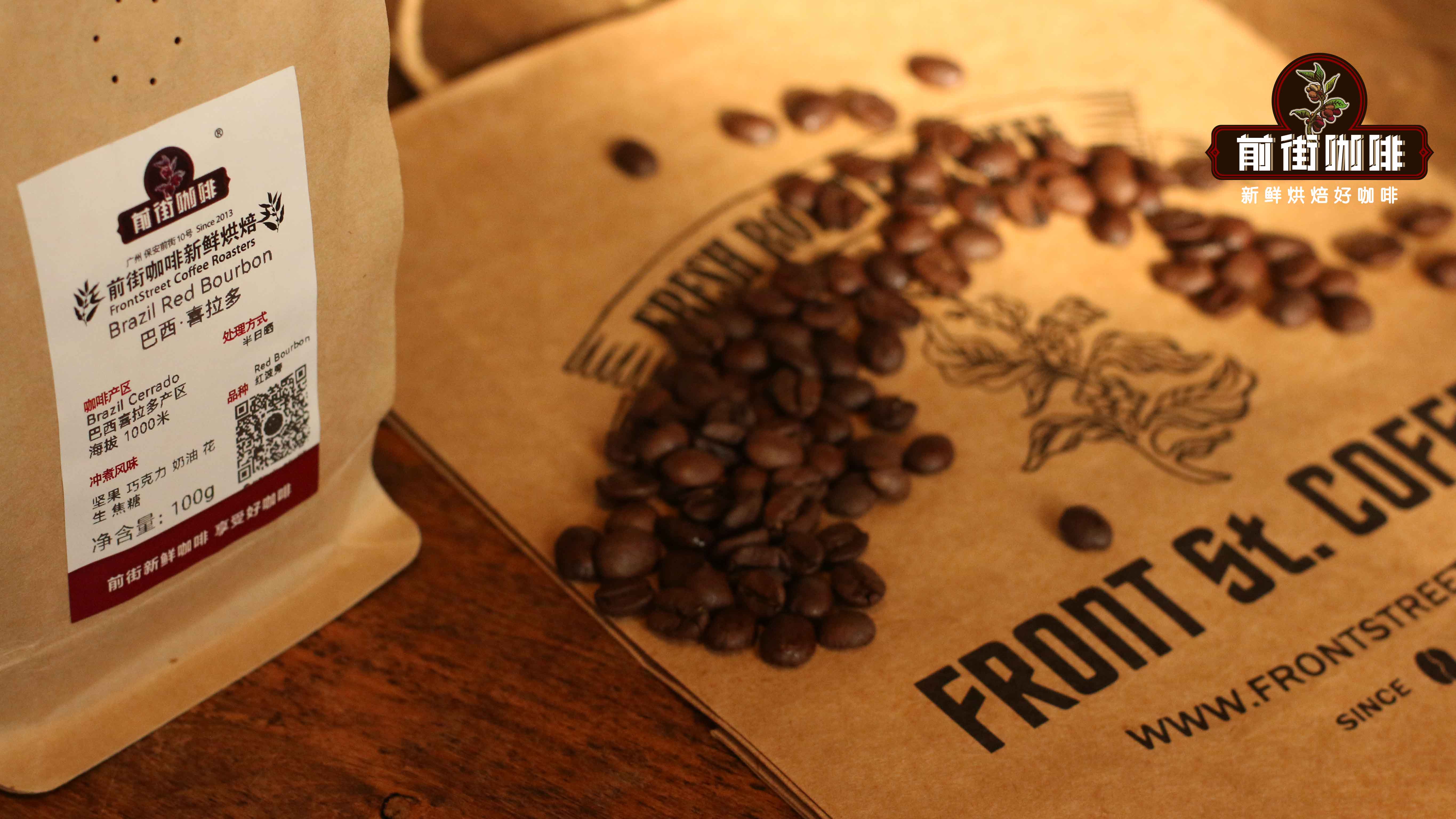 ), as the representative bean from the world’s largest coffee-producing country, its strength lies in its well-balanced low acidity and full-bodied nuttiness. The high-altitude cultivation in the Cerrado region gives the beans a solid chocolate base, paired with roasted nuts and a creamy, rich aftertaste, making it particularly suitable as a foundational bean for pour over practice. Note that medium-dark roasting is recommended, with water temperature controlled at 90-92°C to better bring out the cocoa aroma.
If you prefer bright citrus acidity,Costa Rica Tarrazú(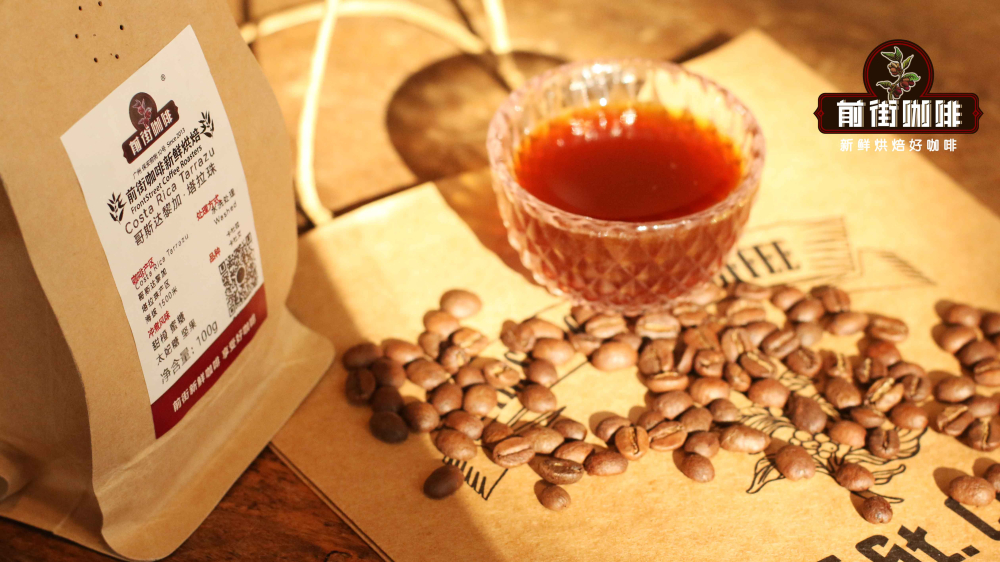 ) is an unmissable choice. The fertile soil and stable rainfall provided by the country’s volcanic terrain create the perfect balance of sweetness and acidity in Arabica beans. This bean opens with sweet orange and citrus fruit aromas, followed by a smooth mid-palate of nuts and maple sugar, suitable for brewing at slightly higher temperatures of 92-94°C to highlight its refreshing acidity.
From Colombia, theHuila region beans(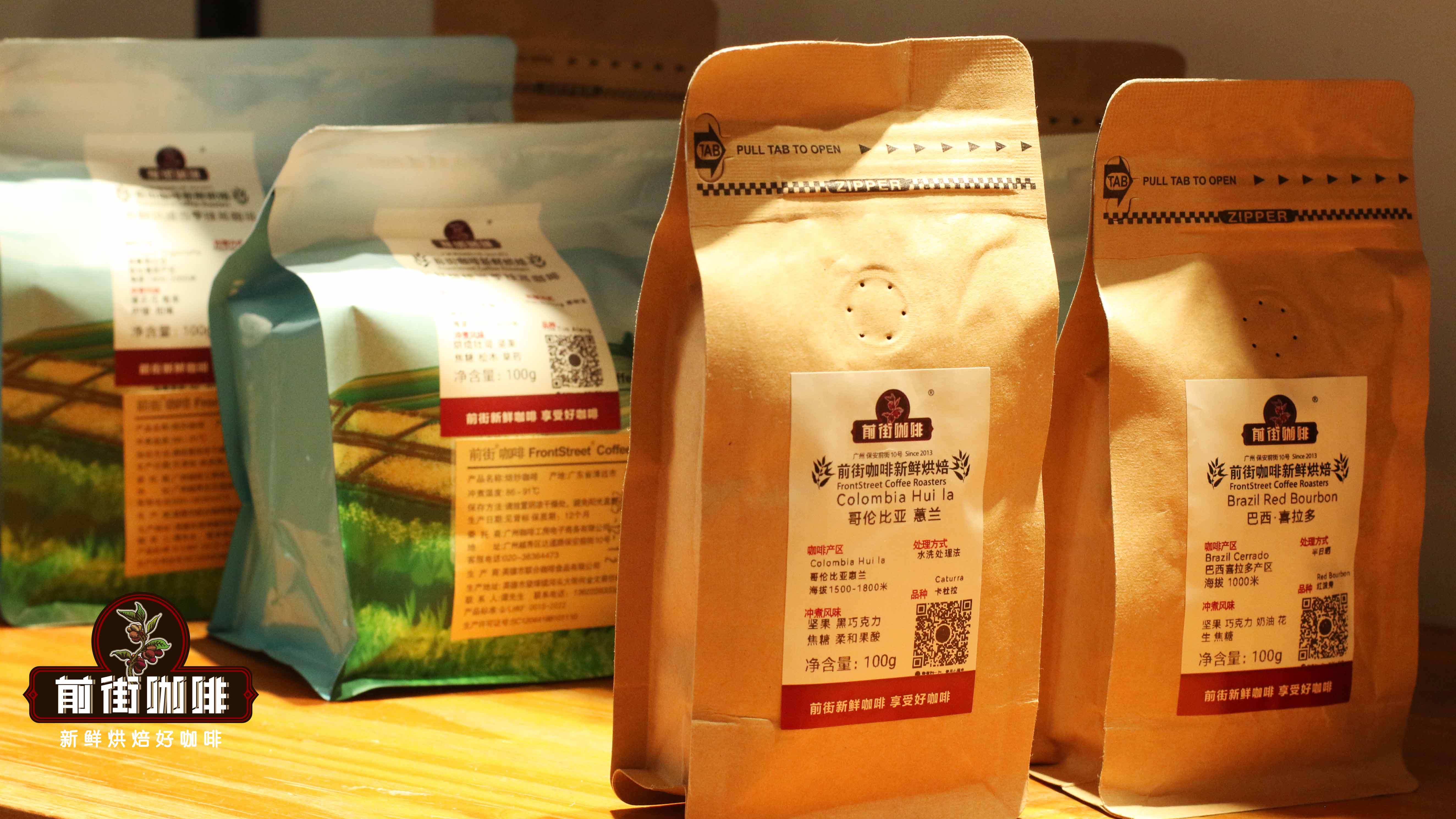 ) are known for their multi-layered complexity. As an internationally renowned specialty-producing region, Huila’s coffee carries a depth reminiscent of red wine, with dark chocolate and cream as dominant notes, and a lingering aftertaste of almond cookies and caramel sweetness. Suggested use of medium-fine grind (e.g., 70% passing through a Chinese standard No. 20 sieve), with water temperature at 91-93°C; fractional extraction can enhance its layered profile.
Ethiopia’sYirgacheffe(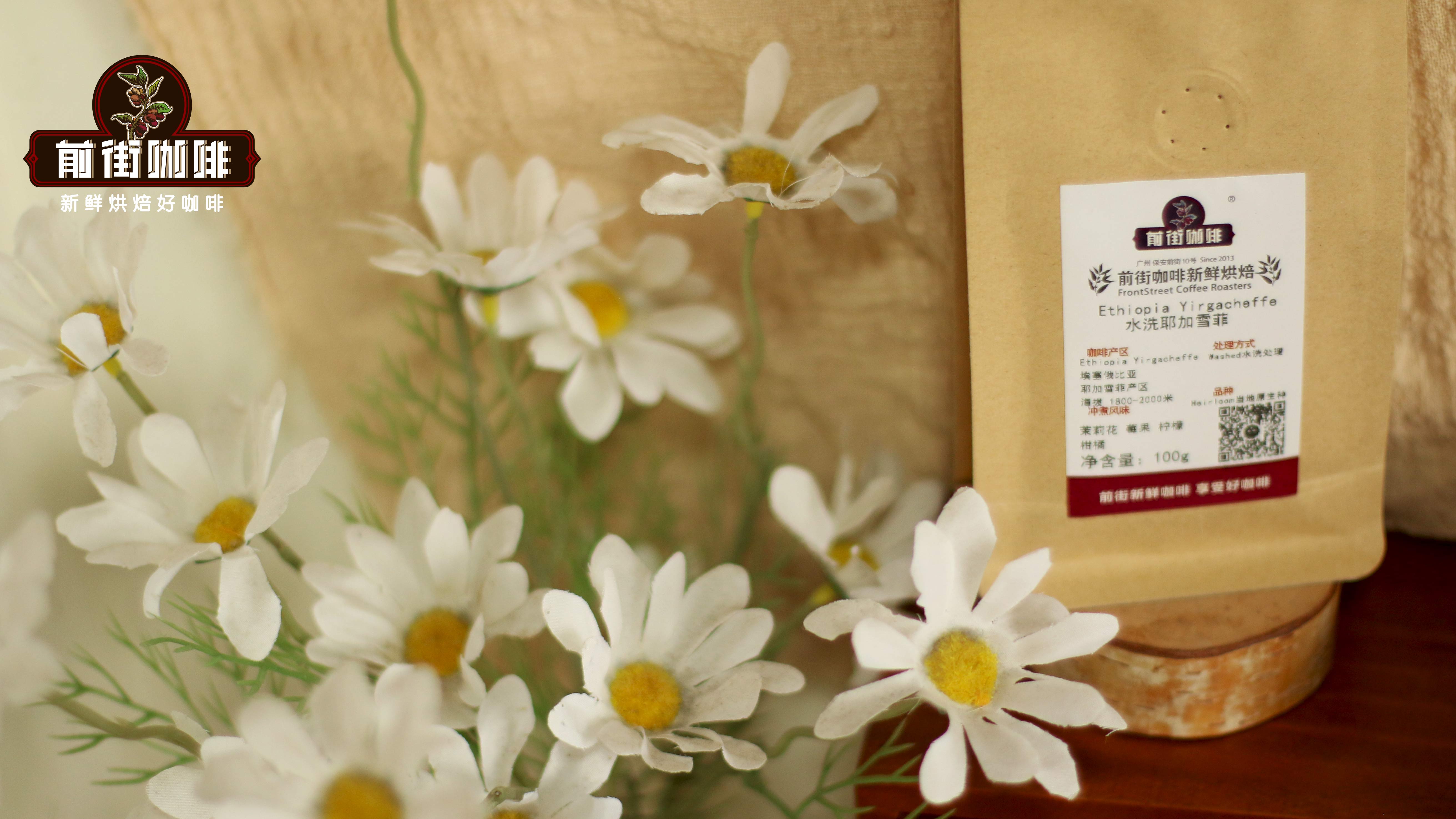 ) is the “flavor enlightenment bean” for coffee enthusiasts—this country, known as the coffee gene bank, produces some of the world’s most floral and fruity beans. Yirgacheffe’s classic expression features light white floral and citrus lemon notes, paired with a green tea-like clean aftertaste, gentle like winter sunlight. For pour over, a fine grind (80% passing through a No. 20 sieve) is recommended, with water temperature at 88-90°C and extended blooming time up to 40 seconds to fully develop its floral and fruity aromas.
A Southeast Asian representative,Indonesia Mandheling(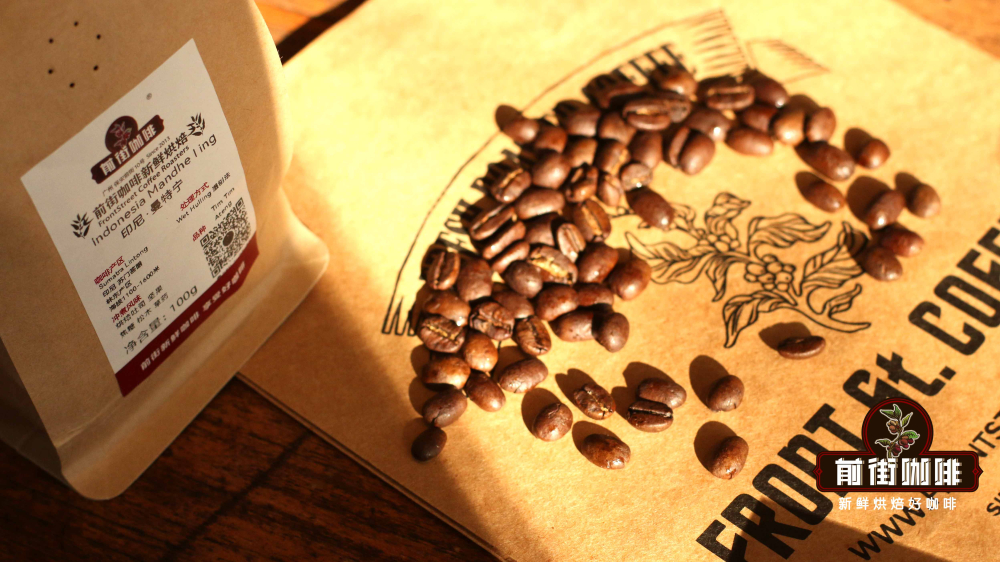 ), is famed for its unique herbal and spice notes. The high humidity of Sumatra Island and the traditional wet-hulled processing method give the beans a strong herbal and earthy character, paired with a heavy base of dark chocolate and caramel sweetness, forming a distinctive “bold” style. Suitable for coarse grind (60% passing through a No. 20 sieve), with water temperature at 88-90°C, using center pouring to minimize bitterness from over-extraction.
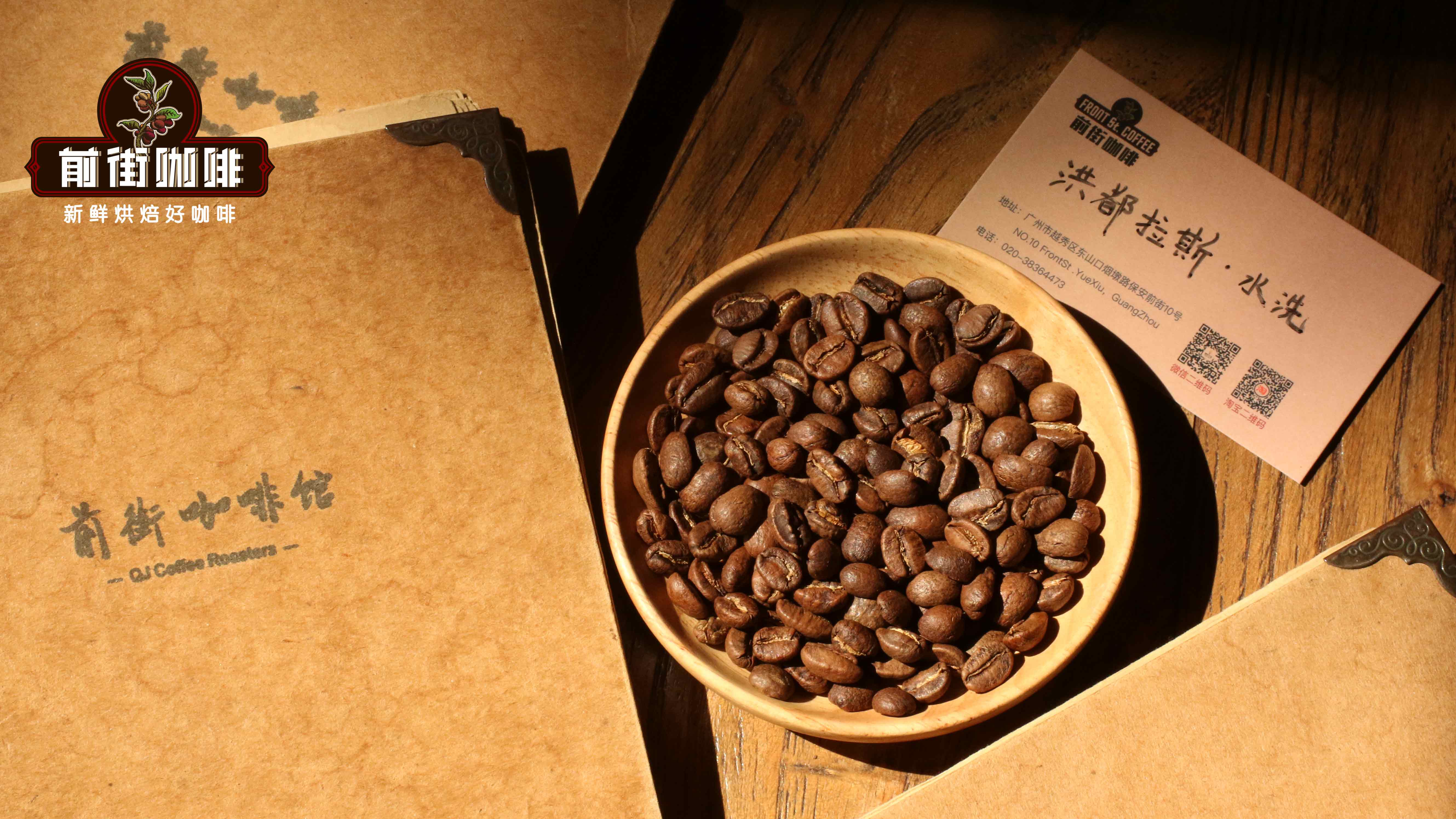
From Central America,Honduras washed Catuai() is a high-value choice for nut lovers. The country’s agriculture-focused economy has led to mature coffee cultivation techniques, and the washed Catuai variety delivers consistent nutty and cocoa profiles, with maltose-like sweetness balancing the overall flavor. Medium roasting paired with 90-92°C water temperature is suggested—simple to brew and hard to mess up.
China’s Yunnansmallholder coffee(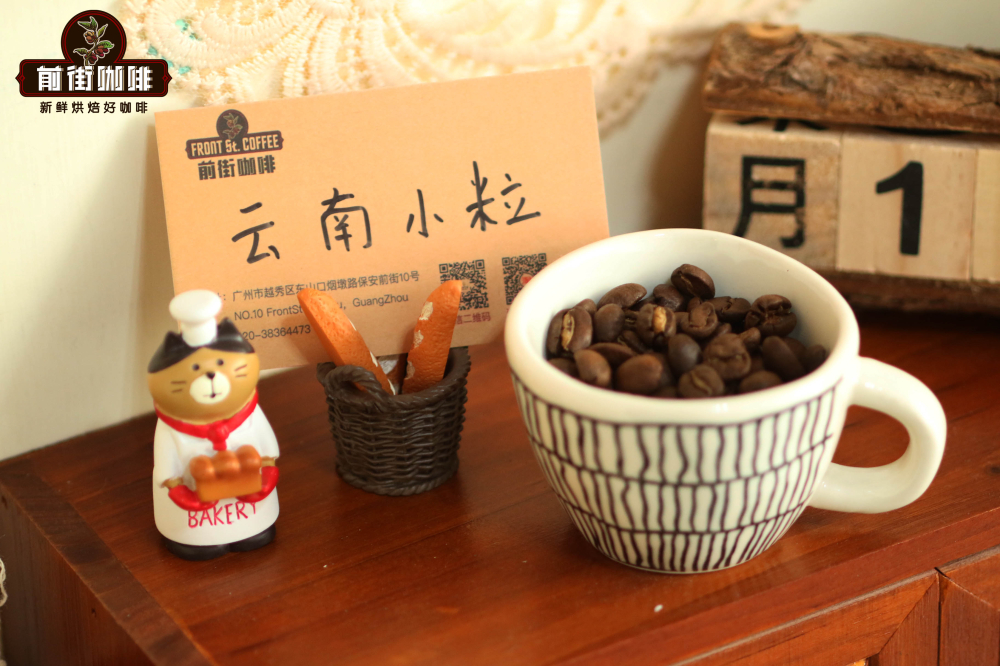 ) has seen significant quality improvements in recent years. High-altitude growing environments in regions like Lincang and Baoshan allow the Typica variety to retain the tight mouthfeel of traditional small beans, with nutty and brown sugar sweetness accompanied by a subtle tea-like note, suitable for drinkers who enjoy Eastern flavor profiles. Medium-light roasting with 89-91°C water temperature highlights its clean and refreshing characteristics.

Panama’sFinca Deborah Emerald Mountain Series() is a star product in specialty coffee. The 1400-1700 meter altitude imparts distinct citrus and black tea aromas, with a soft and delicate nuttiness, making it an accessible entry point for advanced pour over enthusiasts trying auction-grade beans. Fine grind combined with high temperatures of 92-94°C is recommended; fractional pouring controls the extraction rhythm, fully showcasing its refined fruit acidity layers.
Kenya’sLittle Tomato Series(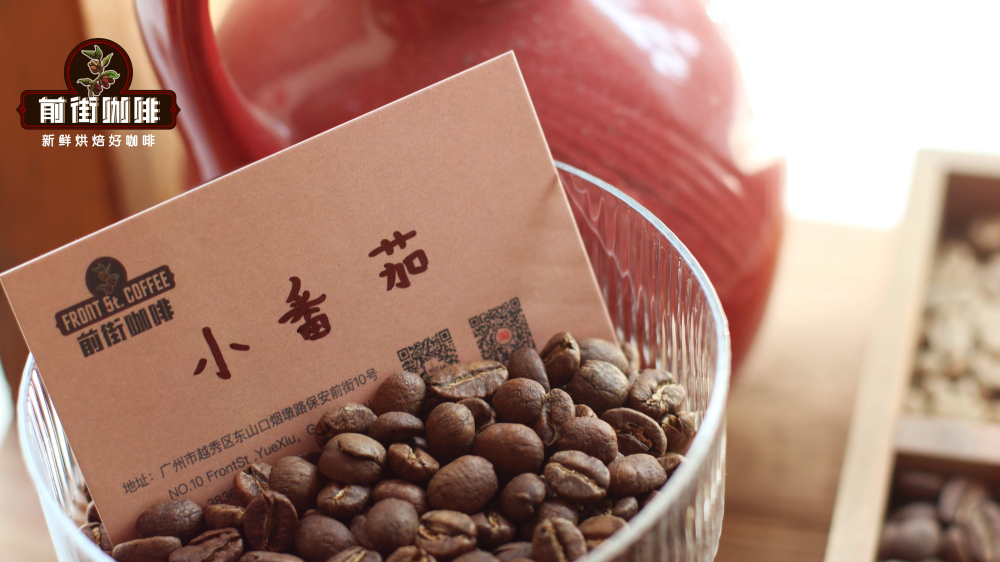 ) is known for its unique acidity structure—double washed processing preserves vibrant berry notes, with rounded tomato and black plum flavors at its core, complemented by a hint of dark plum astringency and a clean finish, achieving excellent sweetness-acidity balance. Requires finer grind (85% passing through a No. 20 sieve) and higher water temperature (93-94°C), with fast extraction to avoid excessive sourness or astringency.
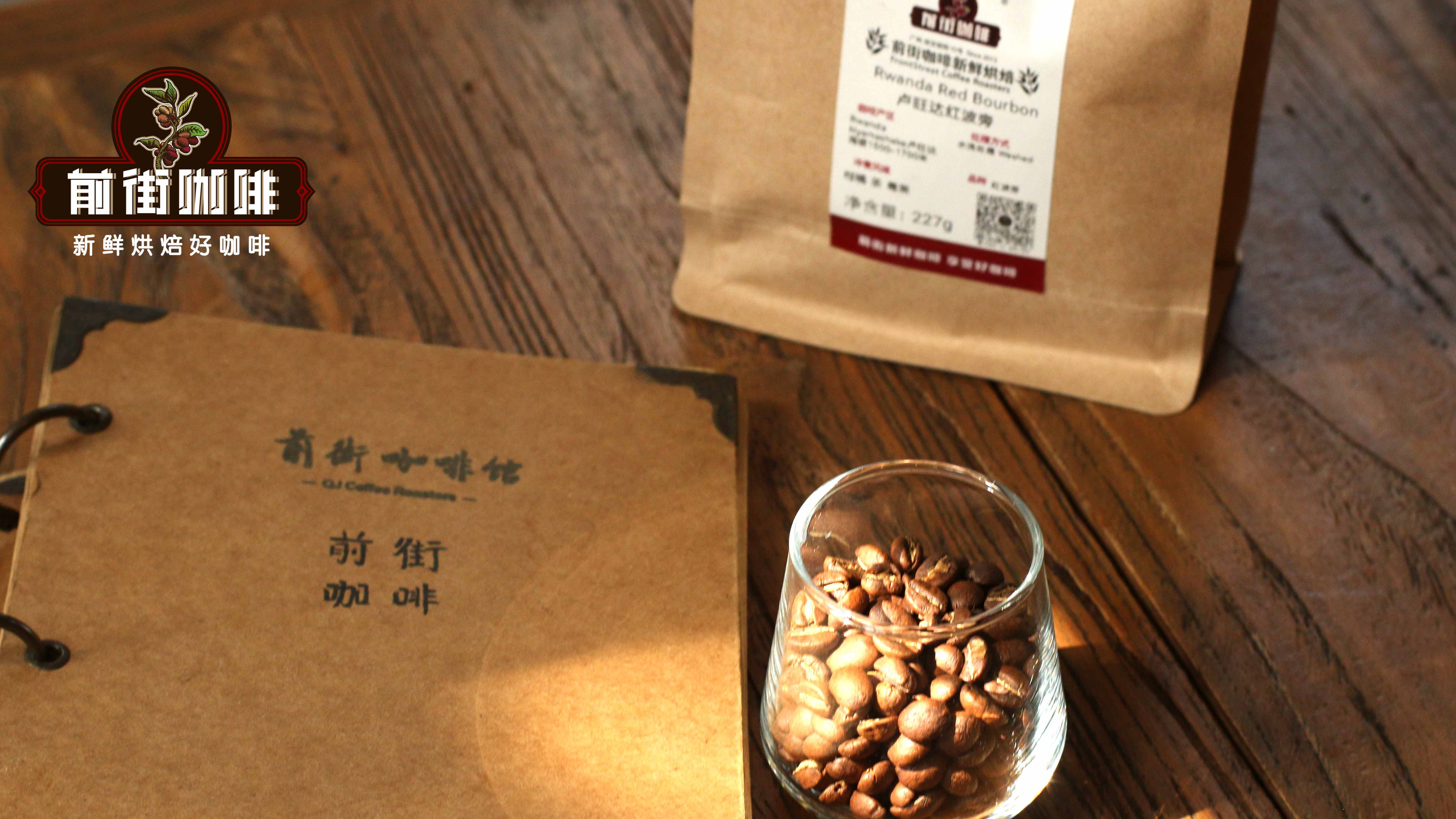
Rwanda’sRed Bourbon() showcases the refinement of African bean varieties. Strict farmer selection of fully red cherries ensures a high-quality foundation for the green beans. This bean opens with refreshing apple and green tea notes, transitions through berry and plum acidity in the mid-palate, then quickly shifts to delicate floral and green tea aftertastes, ideal for those seeking a clean, fresh taste. Medium-light roasting with 90-92°C water temperature and gentle pouring maximizes its elegant fruit aroma expression.
The above content is compiled by CoffeeHunters, a coffee news website.

