








Introduction:SOE (Single Origin Espresso) has garnered significant attention in recent years. What exactly sets it apart from common blends? Why are more and more coffee enthusiasts gravitating toward SOE? This article delves into the origins, characteristics, and selection tips of SOE, and offers practical recommendations to help beginners find a single-origin espresso bean that suits their taste.
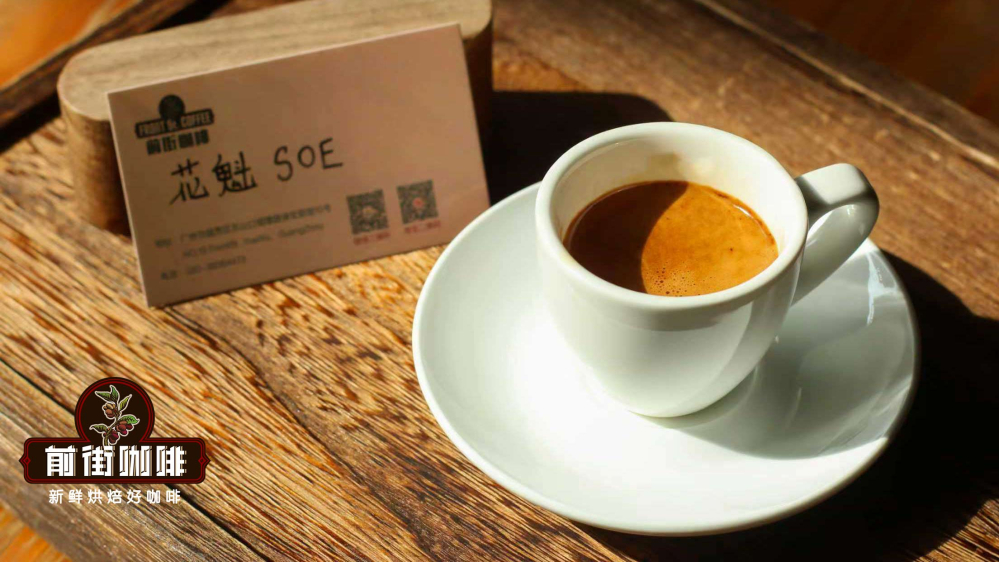 Ever walked into a café and been asked by a barista, “Would you like to try our SOE?” SOE stands for Single Origin Espresso — coffee beans sourced from a single origin and roasted specifically for espresso. Many coffee aficionados believe that compared to traditional blends, single-origin beans can showcase more distinct regional characteristics. However, whether SOE is actually tastier than blends really depends on the roast profile and brewing method.
The rise of SOE is closely tied to the growing popularity of specialty coffee culture. As consumers’ pursuit of coffee flavor intensifies, more people hope to experience the unique tastes of specific regions — such as Ethiopia, Kenya, or Central and South America — in a single shot of espresso. In addition, many well-known coffee chains have launched their own SOE series, giving the general public more opportunities to explore and enjoy the charm of single-origin espresso.
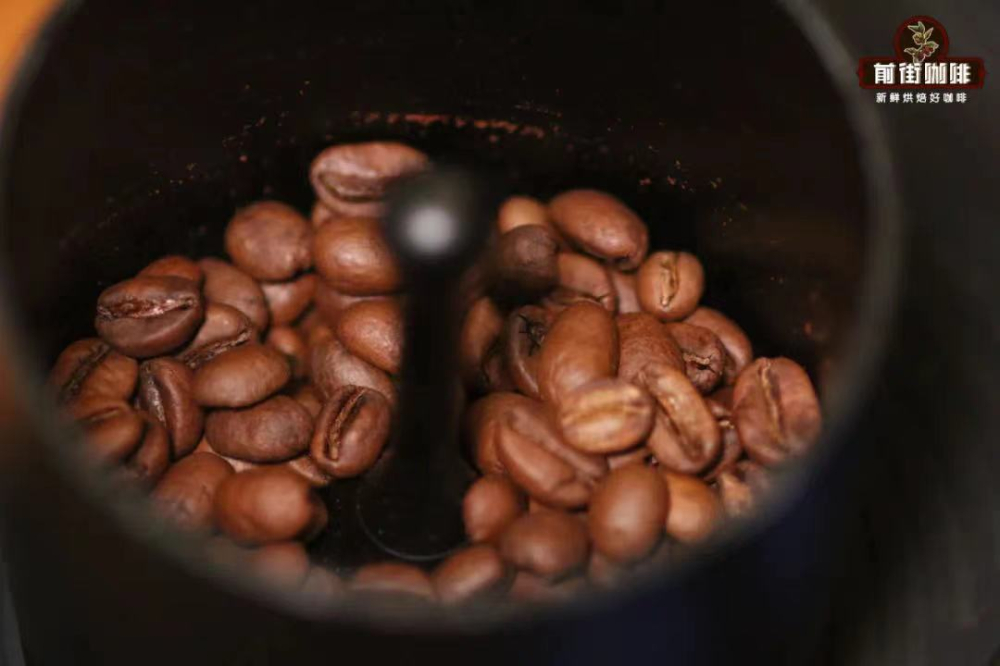 The hallmark of single-origin coffee beans lies in their clear and defined flavor profiles. For example, Ethiopian Yirgacheffe often exhibits pronounced citrus and floral notes, while Kenyan beans are renowned for their bright acidity and fruity flavors such as berries and blackcurrants. When these distinctive beans are roasted to an appropriate degree and extracted as espresso, their unique regional character is further amplified. Especially under the high pressure of espresso extraction, the resulting flavor layers tend to be richer and more intense compared to pour over.
However, SOE is not without its flaws. Since it uses beans from just one origin, if that particular batch lacks balanced flavors or sufficient sweetness and body, those shortcomings may become more apparent during extraction or when used in milk-based drinks. For instance, using an overly light-roasted SOE for espresso might showcase vibrant floral and fruity aromas on its own, but once milk or other ingredients are added, the overall cup may turn out thin and lacking in structure.
Therefore, if you plan to use SOE as the base for various milk coffees, Americanos, or creative coffee beverages, it’s advisable to choose beans with a medium roast or darker, or those that offer rich sweetness and balanced acidity.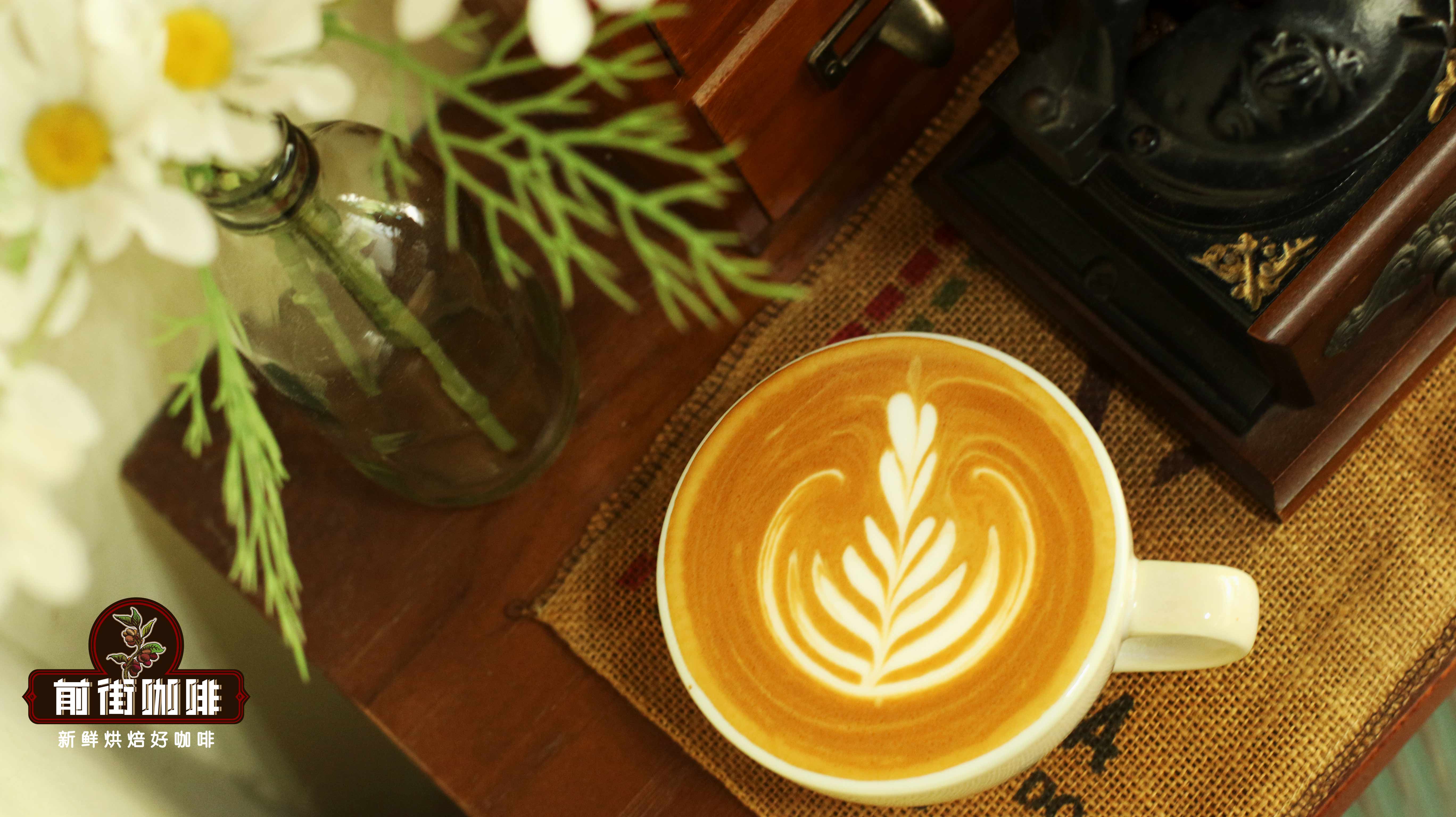 Such SOEs are not only enjoyable on their own, but also deliver good mouthfeel and layered complexity when paired with milk, adding depth and personality to your coffee drink.
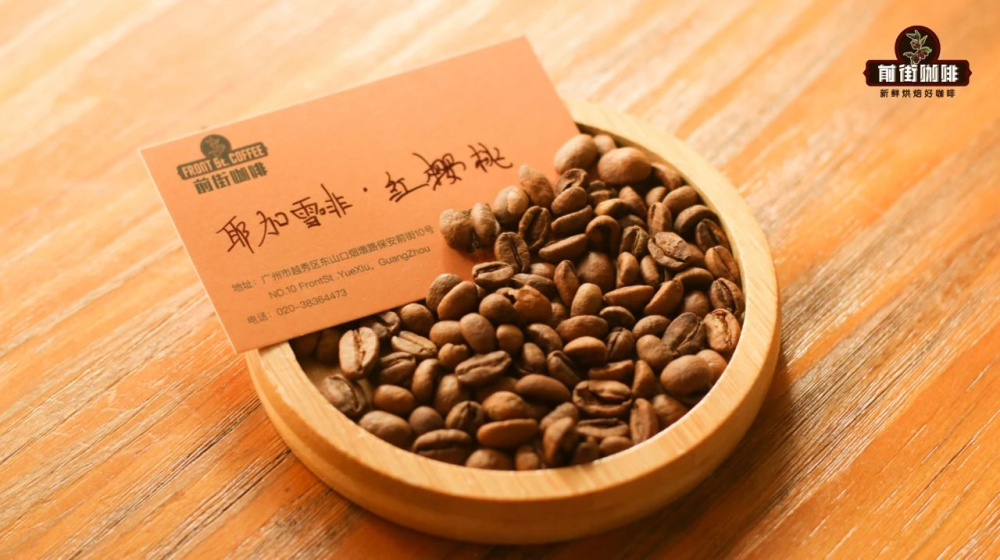
Among the many SOE coffee beans available, there is one medium-roast naturally processed bean that’s especially worth trying for beginners. This bean is made from ripe coffee cherries, carefully processed through a refined natural method. The moisture content is strictly controlled at 12% before the cherries are depulped and fermented, ultimately yielding a cup with intense berry and orange-like acidity, coupled with a captivating caramel finish. This type of bean not only highlights the terroir characteristics of its single origin but also delivers the body and balance required for a great espresso — making it perfect for newcomers who love fruity flavors to explore the appeal of SOE.
 In summary, SOE coffee beans are not necessarily better tasting than blends, but they do offer a more distinct and recognizable flavor experience. Whether you’re a beginner just stepping into the world of coffee or an experienced enthusiast, you can discover your personal coffee preferences by selecting SOEs with the right roast level and origin. Remember, choosing the right roast and processing method is often more important than simply chasing the “single origin” label.
The above content is compiled by CoffeeHunters, a coffee news website.


