







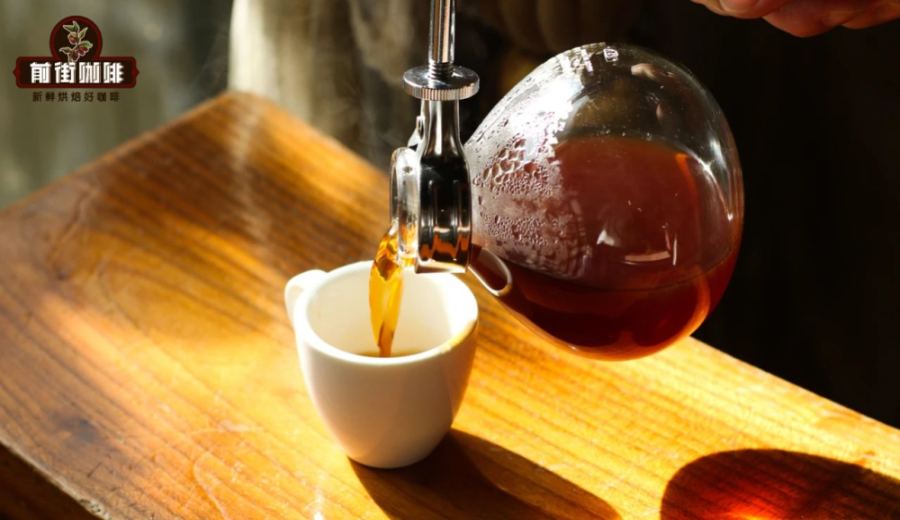
Introduction:Want to learn how a siphon brewer extracts richly flavored coffee? This article delves into the history and working principles of the siphon, using Costa Rica’s Canet Estate Musician Series “Mozart” beans as an example. We put two common brewing methods—stirring and immersion—to the test, covering key parameters such as coffee-to-water ratio, water temperature, and grind size, and analyzing how different methods affect flavor. This will help you brew thick, layered siphon coffee with ease.
Coffee brewed with a siphon often has bold aromas and a rich mouthfeel, which is related to its use of cloth filtration. Compared to paper filters, cloth has larger pores, which may allow some fine particles into the brew but also contribute to a smoother texture and fuller body. To fully bring out the siphon’s characteristics, proper operation is essential—and choosing the right coffee beans is equally important.
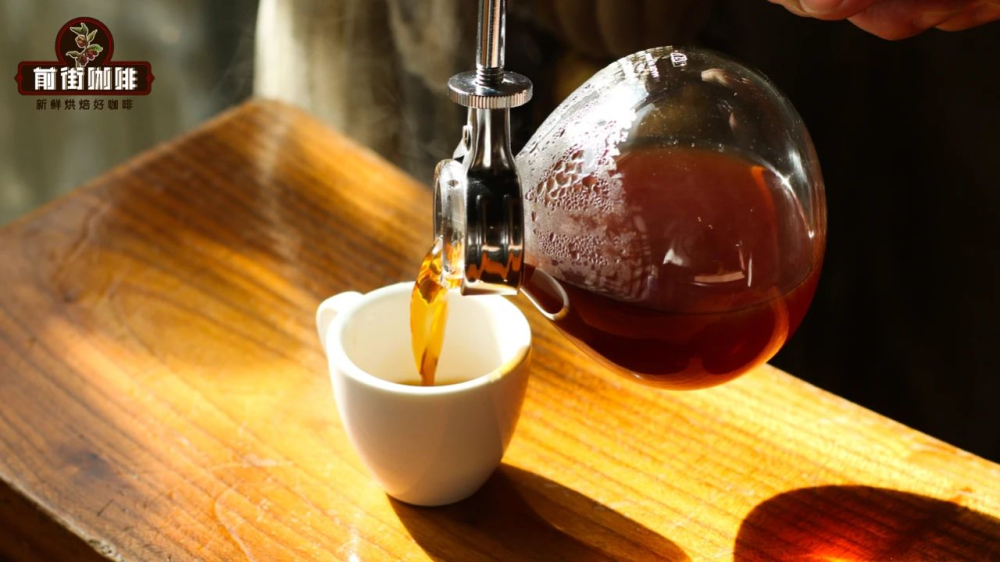
The history of the siphon brewer dates back to early 19th-century Europe, about 70 years before pour-over coffee. Between 1830 and 1840, Loeff in Berlin, Germany, first invented a glass, two-chambered siphon extraction device and successfully applied for a patent. It was subsequently refined in France, Britain, and Germany. By the mid-20th century, siphon technology had spread to Denmark and Japan, gradually gaining global popularity, peaking in the 1950s.
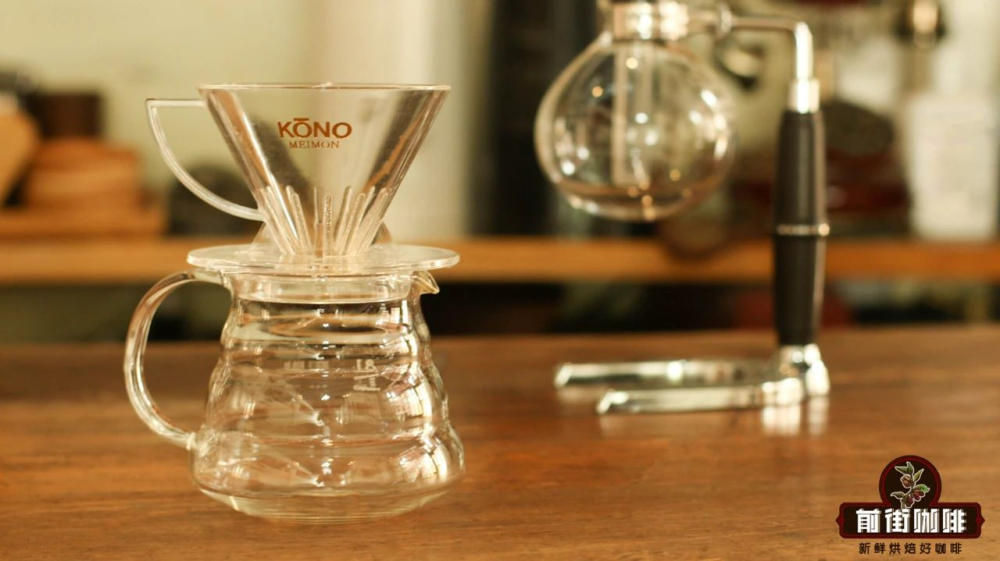
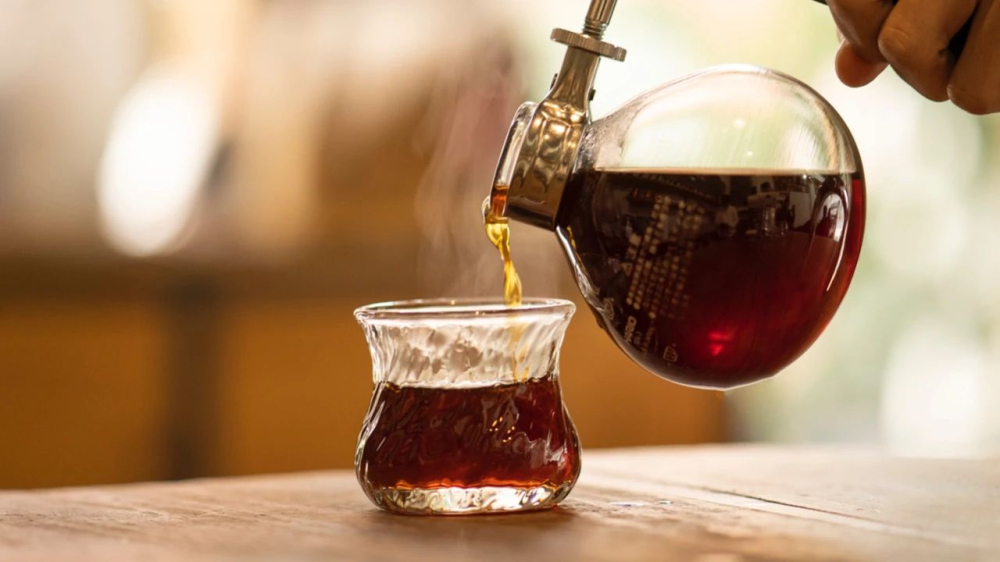
The siphon’s operating principle is based on the simple physical phenomenon of siphoning. The lower chamber is usually spherical, with water level markings indicating capacity, and holds hot water and the final coffee liquid. The upper chamber is a straight cylindrical vessel responsible for coffee extraction. When the lower chamber is heated, steam and pressure push the hot water up through the glass tube into the upper chamber to mix with the coffee grounds, beginning extraction. After removing the heat source, the lower chamber forms a partial vacuum, losing upward pressure, and the coffee liquid is drawn back down. At this point, wiping the outer wall of the lower chamber with a damp cloth can help quickly equalize the pressure difference and accelerate the coffee’s return. Coffee grounds are retained by the cloth filter in the upper chamber, completing the entire extraction process.
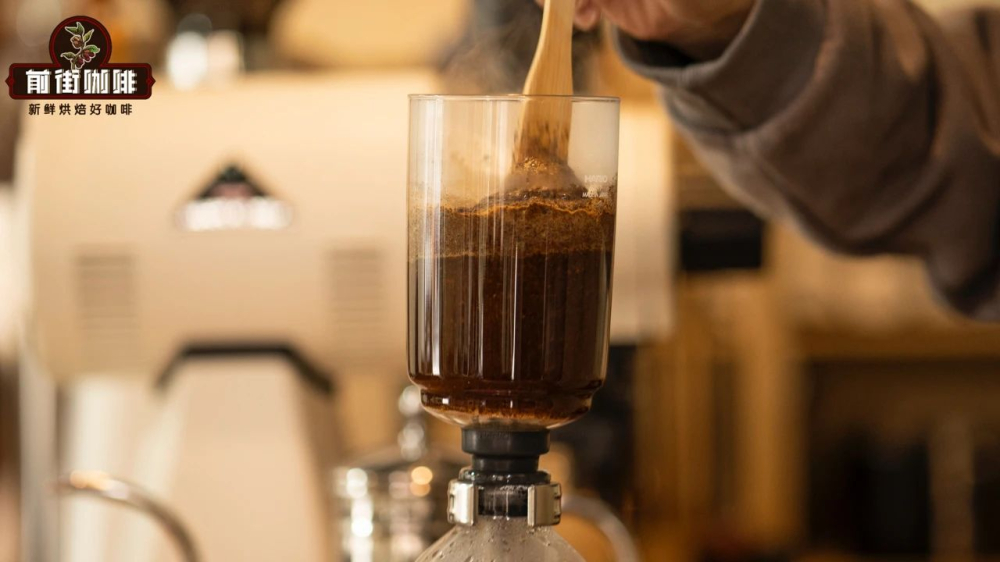
There are various siphon brewing methods, with stirring and immersion being the most common. Different techniques, grind sizes, temperatures, and durations can significantly influence the final flavor. Below, we use a single-origin bean from Costa Rica’s Tarrazú region—Canet Estate’s Musician Series “Mozart”—to test both methods, sharing key parameters and flavor results.
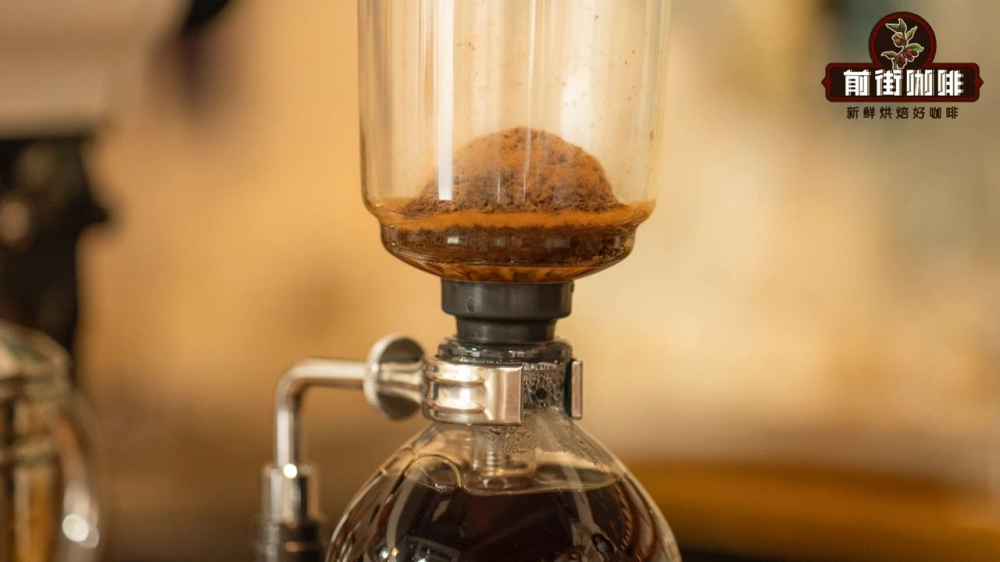
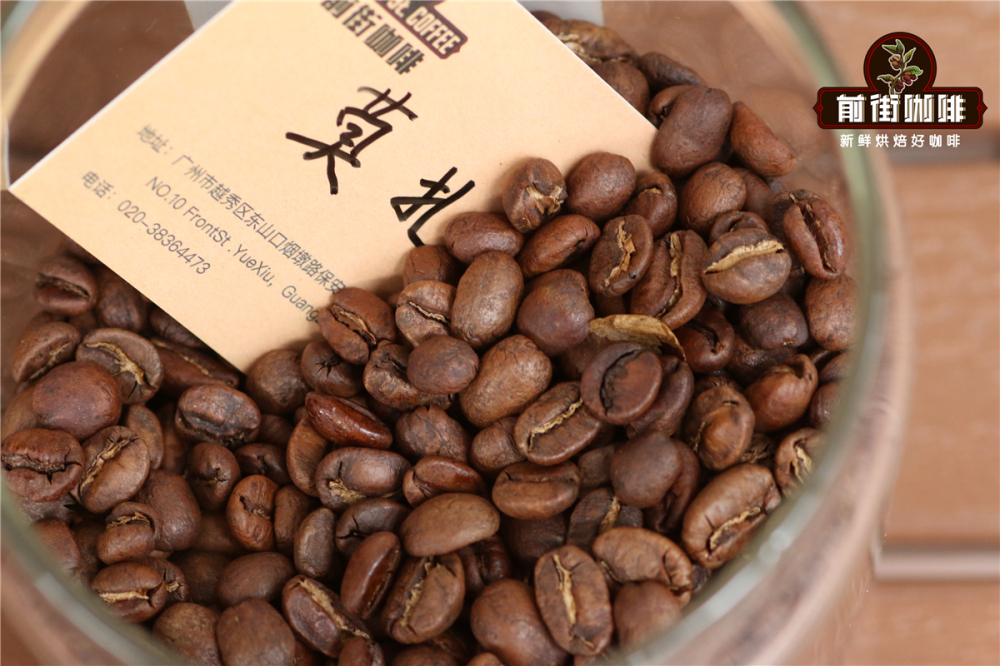
The “Mozart” from Costa Rica’s Canet Estate is part of the Musician Series, grown at an altitude of 1,950 meters, using the Caturra and Catuaí varieties and processed via raisin honey. This bean has a distinct flavor profile, featuring intense floral, berry, raisin, and osmanthus notes, along with captivating caramel and fermented wine aromas—perfect for showcasing its complexity via the siphon.
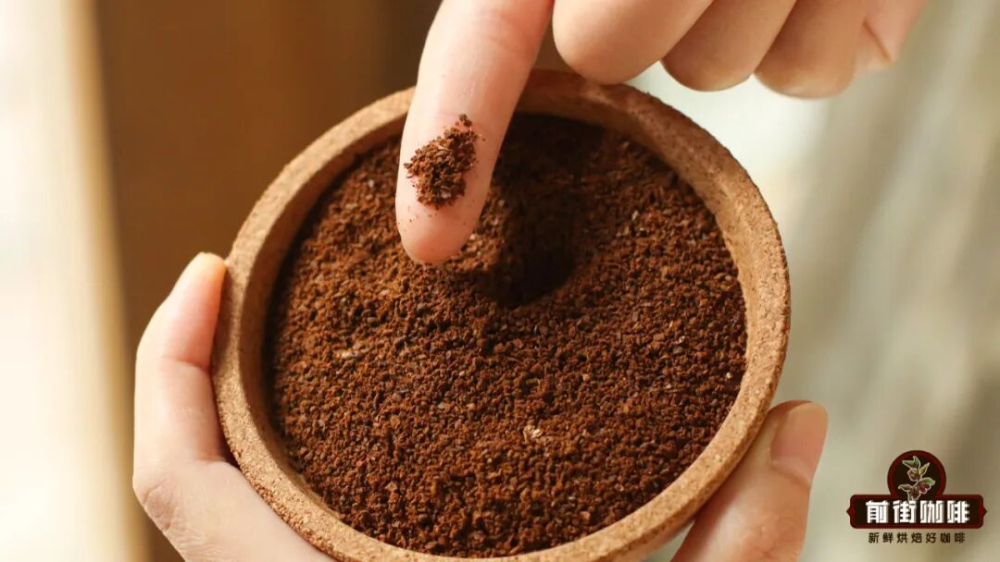
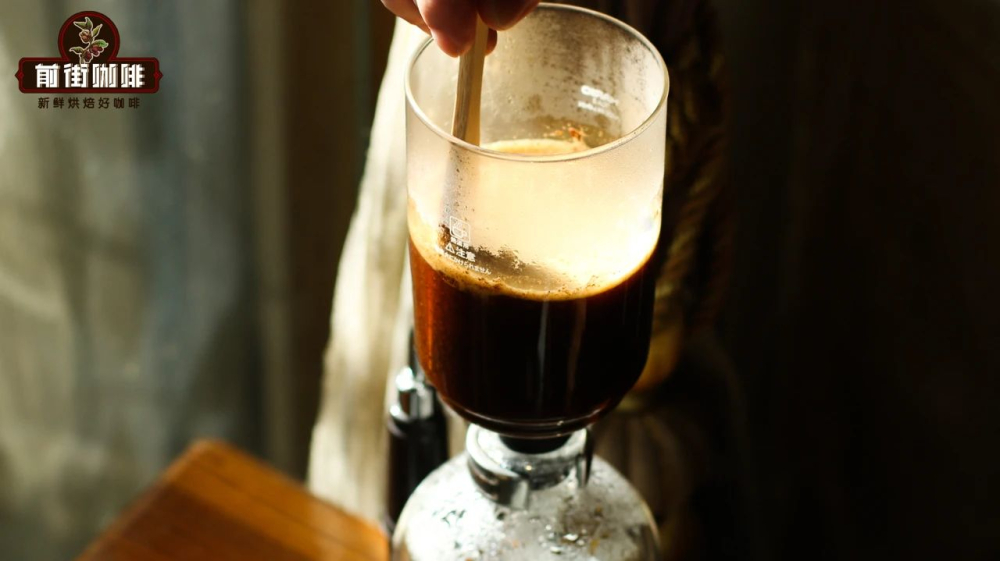
Stirring Method Parameters:Coffee-to-water ratio 1:10, using 20g of coffee, finely ground (approximately EK43s grinder setting 9, 85% passing rate through China Standard No. 20 sieve), with water temperature controlled at 90°C. Steps: First, pour 200g of water into the lower chamber. Once the water reaches 90°C, attach the upper chamber. As the hot water rises, add the coffee grounds, then stir immediately and evenly with a spoon to ensure full contact between the coffee and water. Around 30 seconds in, perform a second circular stirring motion to break the crust on the coffee’s surface and release more flavors. Turn off the heat at 56 seconds and let the coffee liquid return naturally. Total brew time is about 1 minute and 8 seconds. Tested flavors include prominent floral, berry, fermented wine, and sweet-sour raisin notes, with a thick body and long-lasting aftertaste.
Immersion Method Parameters:Also using a 1:10 coffee-to-water ratio and 20g of coffee, but the grind size is adjusted to medium-fine (still EK43s setting 9, 85% sieve passing rate), with water temperature maintained at 90°C. Procedure: Add 200g of water to the lower chamber, and once the target temperature is reached, attach the upper chamber, add the coffee grounds, stir evenly, then let it steep for about 1 minute before turning off the heat and letting the coffee return. Total brew time is about 1 minute and 32 seconds. This method highlights osmanthus as the primary note, supported by berry, raisin, and caramel sweetness, with a relatively crisp mouthfeel, balanced acidity and sweetness, and clear layering.
Based on comprehensive test results, the stirring method enhances wine-like aromas and body, making it ideal for those who prefer a richer taste. The immersion method, on the other hand, emphasizes floral notes and bright fruity acidity, resulting in a gentler flavor profile suited for those who enjoy a crisper cup. Both methods have their merits—feel free to experiment based on your personal taste preferences.
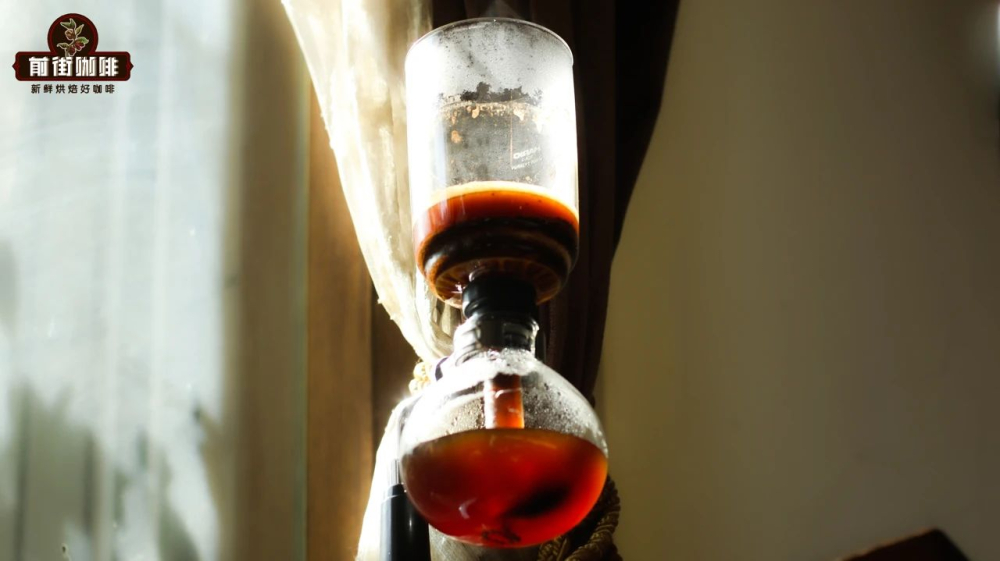
When brewing with a siphon, it’s recommended to maintain water temperature between 86°C and 94°C to ensure stable extraction and consistent flavor. Even beginners can easily brew coffee with a rich body and aroma by mastering water temperature, grind size, and timing. Also, be sure to clean the cloth filter after each use and replace it regularly to avoid residual oils or impurities affecting the flavor of subsequent brews.
The above content is compiled by CoffeeHunters, a coffee news website.

