







Introduction:Want to try using an espresso blend for pour over? This article delves into the characteristics of espresso blends, explains how they differ from single-origin beans, and tells you whether they can be brewed via pour over. It also recommends several blends suitable for making lattes, along with practical pour over parameters to help you explore different flavor extraction possibilities.
Many people ask: “Can espresso blend coffee beans be brewed using a pour over method?” The answer is yes, but it requires some understanding of the characteristics of the blend. Espresso blends are typically combinations of beans used to extract espresso, often made up of two to three types of beans from different regions or varieties. The goal is to combine the strengths of each bean to achieve a balanced flavor while also highlighting a particular theme or flavor profile.

Common combinations in such blends may include beans from Africa, Central and South America, and Southeast Asia, each bringing different levels of acidity, sweetness, and body. Generally speaking, blends aim for a stable and layered taste, which is why they are commonly used to make espresso and are also the base beans chosen by many cafés.

However, this does not mean they cannot be brewed using a pour over method. In fact, by adjusting the grind size and brewing parameters appropriately, espresso blends can also showcase flavor profiles quite different from those of espresso. It’s important to note that since these beans were originally designed to perform under high-pressure espresso extraction, switching to pour over may bring out details that were previously hidden within the rich body.
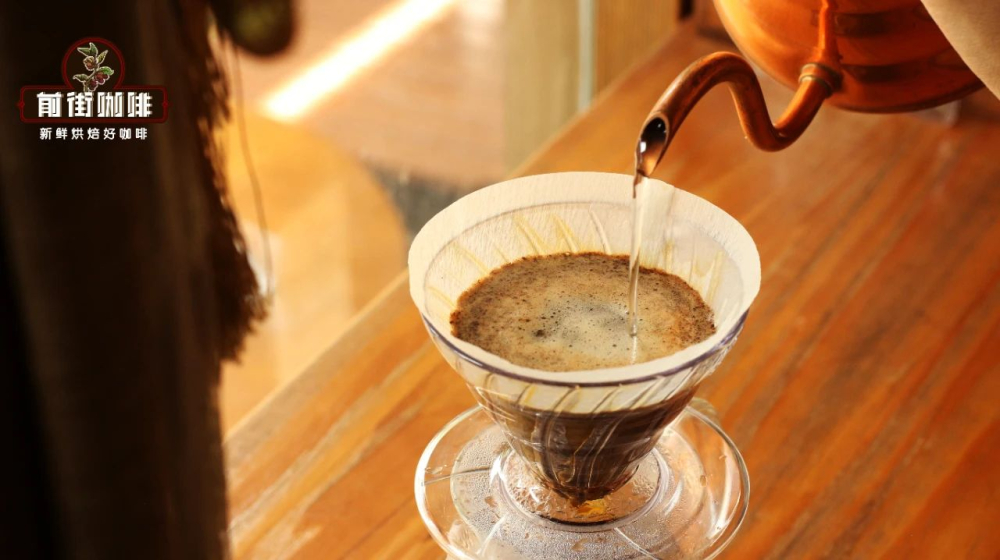
For example, when using pour over, it’s recommended to use a coarser grind size, roughly medium-coarse as commonly used for the V60 filter, with a reference of about 80% passing through a No. 20 sieve—coarser than traditional espresso grinds. At the same time, the water temperature can be set around 90°C, with a coffee-to-water ratio of 1:15. Use about 15 grams of coffee, pouring the water in three stages: the first stage is a 30-second bloom using about 30 grams of water, followed by a slow circular pour up to 125 grams for the first pour, and finally pouring up to 225 grams to finish. Keep the total brew time around 2 minutes.
As for single-origin coffee beans, these refer to beans from a single region, farm, or even processing method, usually with distinct regional characteristics—such as the floral and citrus notes of Yirgacheffe, or the herbal, spicy, and heavy body of Mandheling. Such coffees, with their clear flavors, are typically suitable for straightforward enjoyment and are often used to highlight regional traits and variations in processing methods.
Compared to blends, single-origin beans tend to be more expensive due to limitations in cultivation conditions, processing techniques, and yield. However, this also allows them to present a more distinctive flavor profile. That said, single-origin beans also have their limitations—for instance, they may not provide the same level of crema and rich base as blends when making milk coffee, which is why most lattes or cappuccinos on the market use blends as the base.
Returning to the topic of blends, their widespread use in espresso is not only due to balanced flavor but also an important reason: cost control. Many traditional blends include a certain proportion of Robusta beans to enhance the coffee’s viscosity and richness. Even if their cupping scores are not as high as those of premium single-origin beans, they can deliver a smoother and fuller mouthfeel when used in milk coffee.

It’s worth noting that although blends are primarily designed for espresso extraction, they can also reveal unexpected flavor layers when brewed via pour over. However, since the original recipe is based on high-pressure extraction, switching to low-pressure pour over may cause certain flavors to become more prominent or change. Therefore, it’s recommended to experiment with blends of different processing methods and regional combinations according to your personal taste preferences, to find the combination that suits your palate best.
If you’re curious about exploring espresso blends through pour over, here are several commonly available blends on the market that are suitable for further pour over experimentation. These blends are not only good for making milk-based drinks like lattes but also have decent potential for drinking black. Each has its own unique flavor direction:
First is a blend with notes of wine, vanilla cream, and fruity berry acidity. Common combinations might include sun-dried red cherry beans and Honduran beans. The overall flavor is warm and mellow, suitable for users who enjoy fruitiness and sweetness. Next is a blend that highlights nutty, dark chocolate, and caramel tones. These beans are often composed of Colombian and Brazilian beans, offering a balanced taste, suitable for pairing with milk or drinking black.

Additionally, there are blends specifically designed for commercial use, usually containing Robusta components, which provide rich crema and a bold taste. These are relatively affordable and suitable for high-volume use or for users on a budget. There are also entry-level blends that lean toward gentle fruit acidity, caramel, and nutty flavors—perfect for those new to coffee who want to experience the diversity of blends.
If you prefer more distinctive flavors, some blends may combine rose-like floral notes, strawberry sweetness, and light citric acidity. These beans are often made from various types of beans from Central and South America, suitable for coffee lovers who enjoy fruity profiles and can add a different kind of enjoyment to daily pour over sessions.


The above content is compiled by CoffeeHunters, a coffee news website.

