







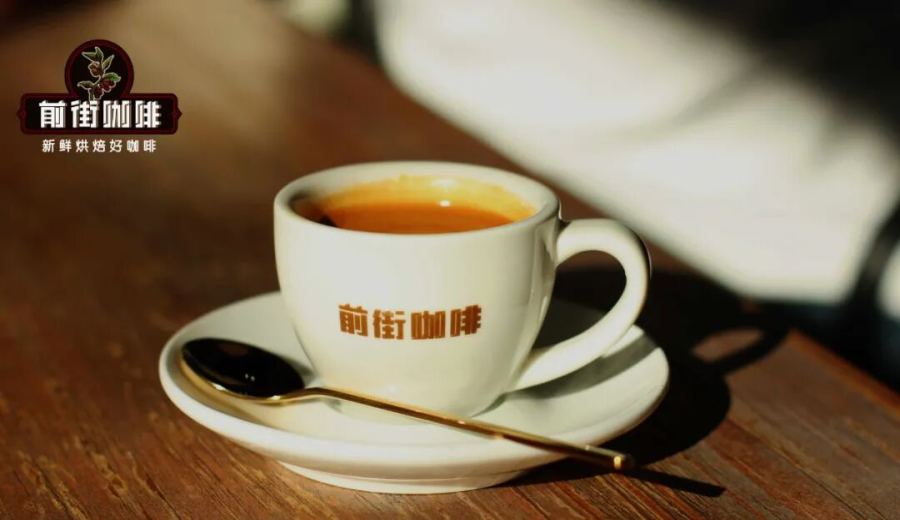
Introduction:Have you ever been asked if you’d like to upgrade your americano or latte to an SOE bean when ordering at a café? Why is it that SOE often comes with an extra charge, even though it’s still espresso? This article delves into the differences between SOE (Single Origin Espresso) and regular blended beans—from roast profiles and extraction challenges to cost structures—helping you understand the professional considerations behind this “premium espresso,” and why some cafés choose not to offer SOE options at all.
When you walk into a café and order a regular americano or milk coffee, you’ll often see two types of beans to choose from: the default house blend and a pricier SOE option. Many customers wonder—what’s so special about this “SOE,” and why is it more expensive than regular blends?
SOE stands for Single Origin Espresso, which literally means “espresso made from a single origin.” It is fundamentally different from common espresso blends (which combine beans from multiple countries or farms). Looking back at the early days of cafés, the majority of espressos were made using dark-roasted blends. These beans came from various sources, and roasters prioritized extraction stability and a rich body over highlighting specific regional flavors.
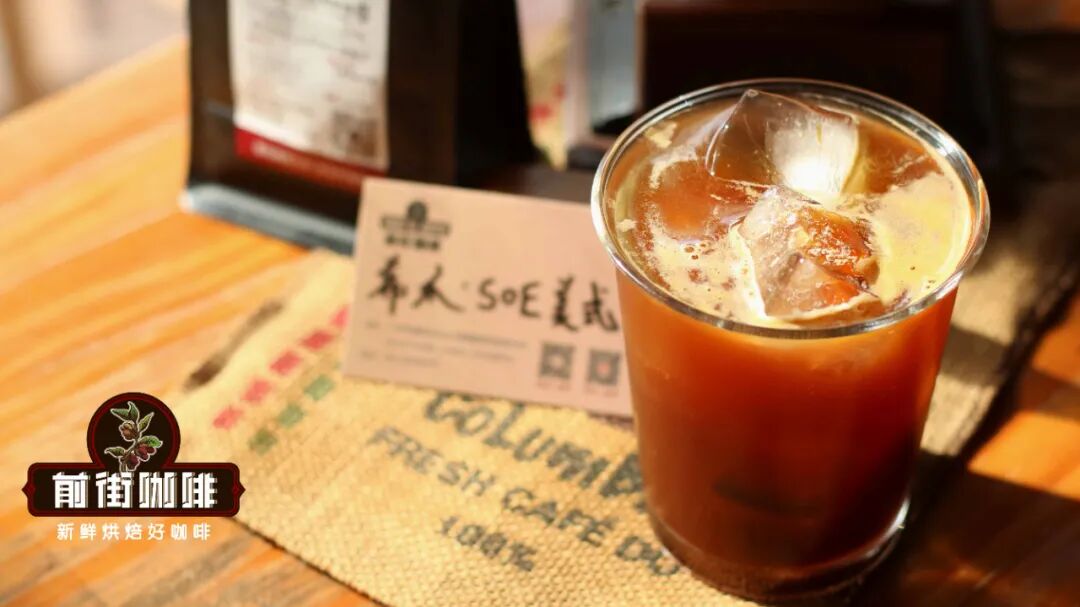
By the 1980s, with the rise of the specialty coffee movement, consumers began to seek out the stories and unique flavors behind their coffee beans. Initially, these highly distinctive single-origin beans were mainly brewed using methods like pour over, siphon, or French press—all under normal pressure. It wasn’t until 2007, when World Barista Champion James Hoffmann used a single-origin bean to make espresso and won the competition, that the concept of SOE gradually entered the public eye.
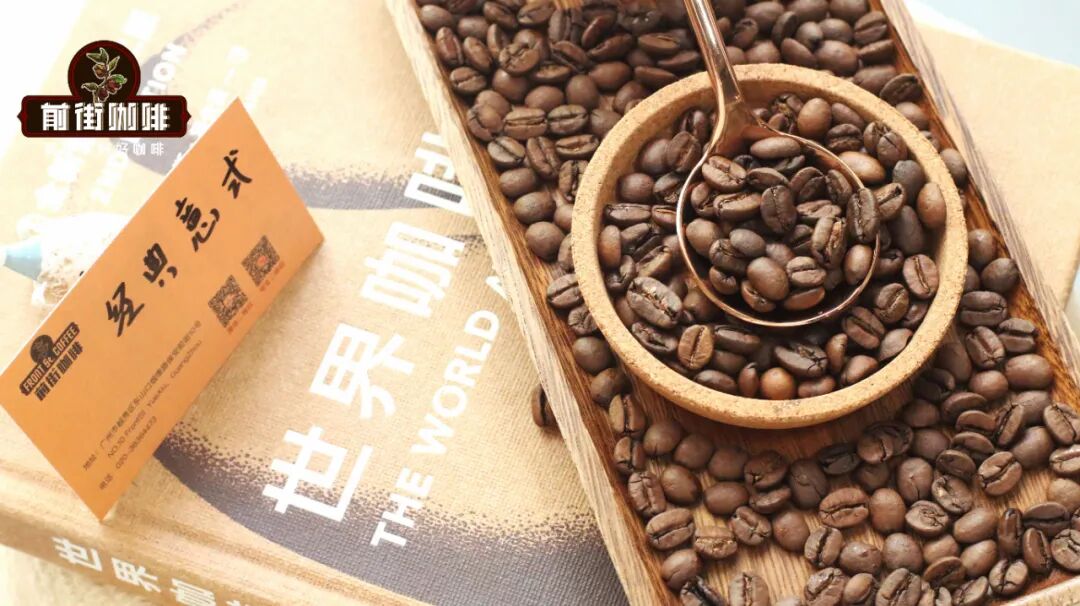
Today, not only do more and more cafés list SOE options on their menus, but you can also easily purchase online single-origin espresso beans marketed as having “floral, citrus, or berry notes.” These products usually come with detailed origin information and flavor profiles, making them a new favorite among specialty coffee enthusiasts.
Since SOE is essentially still espresso, why does switching to it mean paying more? The key lies in the choice of “single origin” and the roasting strategy. In theory, any seasonal beans from the same country, region, cooperative, or even a single farm can be classified as single-origin coffee, and many cafés have dozens of potential SOE beans on display.
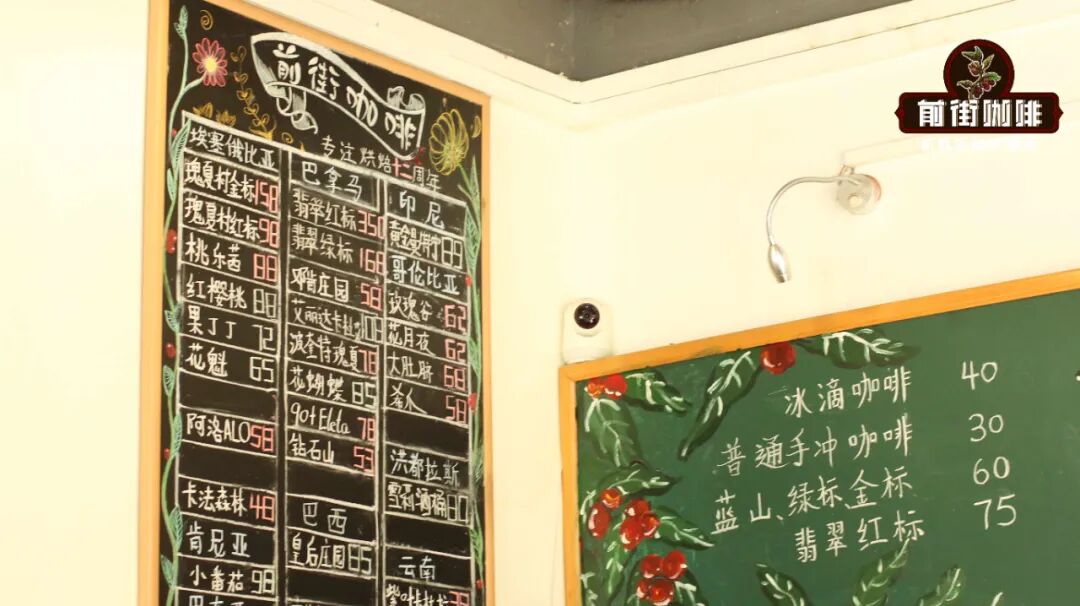
But unlike regular blends, to let the SOE express its unique character, cafés typically select beans with distinct flavor profiles—especially those roasted to light or medium levels. Such roast levels preserve more acidity, floral notes, or sweetness, and through the high-pressure extraction of an espresso machine, they amplify details that are usually only noticeable in pour over brewing. For example, certain Yirgacheffe SOEs have prominent citrus notes, the Huakui series offers berry and honey aromas, and Kenyan beans may exhibit a unique tomato-like acidity.
These highly recognizable flavors are exactly the value of SOE, but they also mean higher raw material costs. Additionally, lighter-roasted beans are harder in texture, requiring more precise calibration of extraction parameters (such as grind size, coffee-to-water ratio, and brew time), which naturally drives up the overall price.
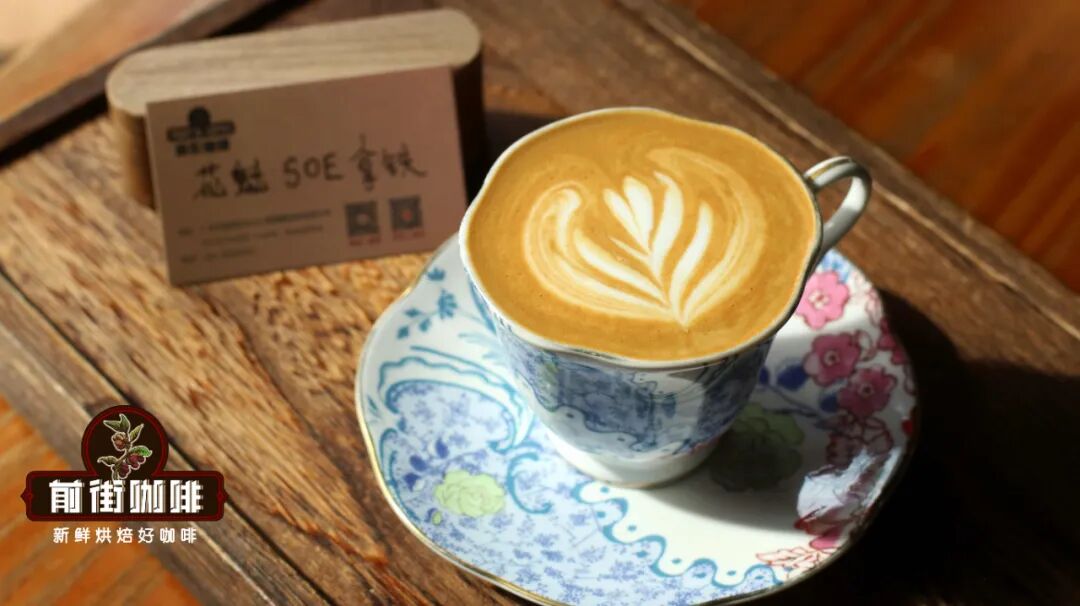
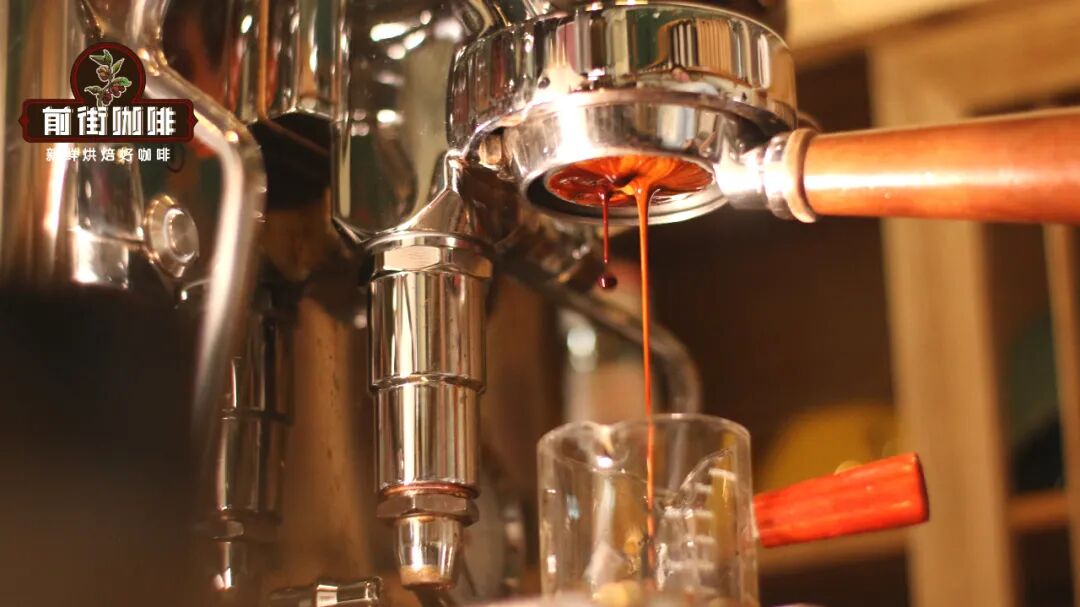
However, not all cafés are willing to offer SOE options, and the key challenge lies in “stability.” Industry insiders point out that espresso is a high-pressure extraction method, which amplifies the strengths and weaknesses of the beans more than pour over does. Light-roast SOE beans are hard and require finer grinding and longer extraction times—any slight misstep can lead to over-extraction (resulting in bitterness) or under-extraction (leading to sourness).
In practice, even the same Sidamo SOE can produce vastly different flavors depending on the batch or minor adjustments to extraction parameters. To maintain consistent daily output, cafés not only need to frequently calibrate grinders and test coffee-to-water ratios, but also adjust the recipes of derived drinks like americano and latte according to different flavor profiles (such as acidity-focused or sweetness-focused types). For café owners, this represents a significant technical and managerial burden.
For this reason, some cafés that prioritize flavor consistency prefer to stick with rigorously tested blends rather than offering SOE options lightly—after all, a delicious and stable cup of espresso is the real reason customers keep coming back.
The above content is compiled by CoffeeHunters, a coffee news website.


