







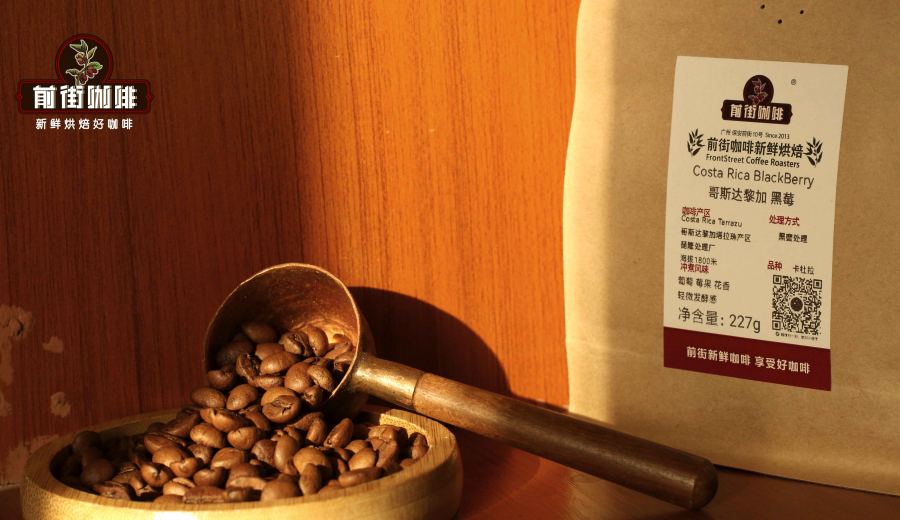
Introduction:Want to understand why Costa Rican honey-processed coffee beans have outstanding sweetness and prominent berry flavors? This article takes an in-depth look at the differences between black honey, red honey, and yellow honey processing methods, guiding you through the steps of honey processing, key drying factors, flavor origins, and recommending several high-quality pour over beans to help you find the honey-processed coffee that suits your taste.
Honey processing (Honey Process or Miel Process), a term derived from the Spanish word “Miel” meaning “honey,” was first widely used in Costa Rica in Central and South America. This method involves retaining part or all of the fruit’s mucilage layer during sun drying. The concept evolved from Brazil’s pulped natural process.
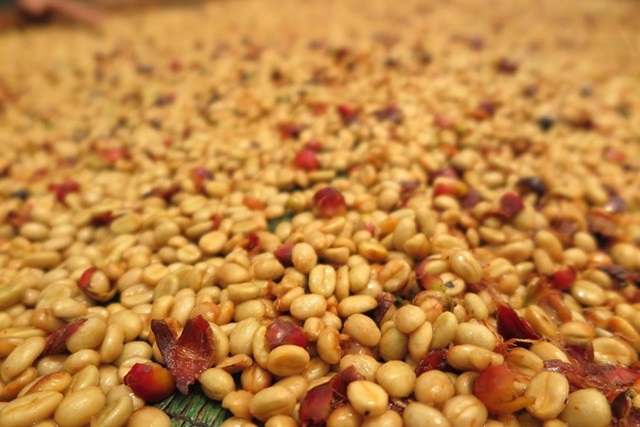
Honey processing can be roughly divided into four main steps. First, harvested coffee cherries are carefully sorted to retain only those with good maturity and appearance. Next, these coffee fruits are sent through a depulper to remove the outer skin and pulp, but the mucilage layer, which is rich in sugars and fermentation potential, is intentionally preserved. Notably, depending on the amount of mucilage retained, it is categorized into yellow honey (around 60% mucilage retained), red honey (about 75%), and black honey (nearly all mucilage retained). Among them, black honey, with the highest mucilage retention, usually results in a more intense flavor and more pronounced sweetness.
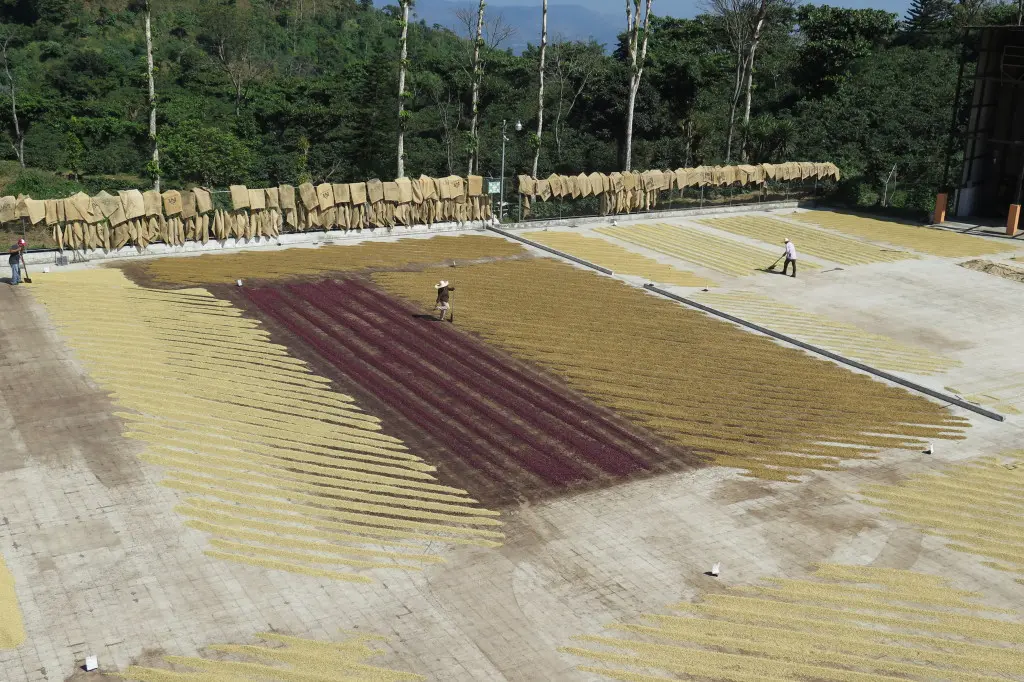
Unlike washed processing, honey-processed beans go directly into the drying stage with the mucilage still attached. The drying process typically takes about 18 to 25 days, depending on local climate and processing experience, with the goal of reducing the moisture content of the green beans to around 11%. During drying, temperature and agitation frequency must be closely monitored to avoid risks of over-fermentation or mold. Once drying is complete, the beans are packaged and stored until just before export, when the outer parchment layer is removed.

Compared to the clean taste of washed processed coffee, honey-processed coffee often exhibits richer fruity aromas and sweetness. Compared to traditional natural (sun-dried) processing, honey processing removes the skin and some pulp early on, resulting in a fresher overall aroma and lower astringency. Thanks to its long-term focus on honey processing techniques, Costa Rica excels in drying control and flavor consistency, making it a top choice for sourcing high-quality honey-processed pour over beans.
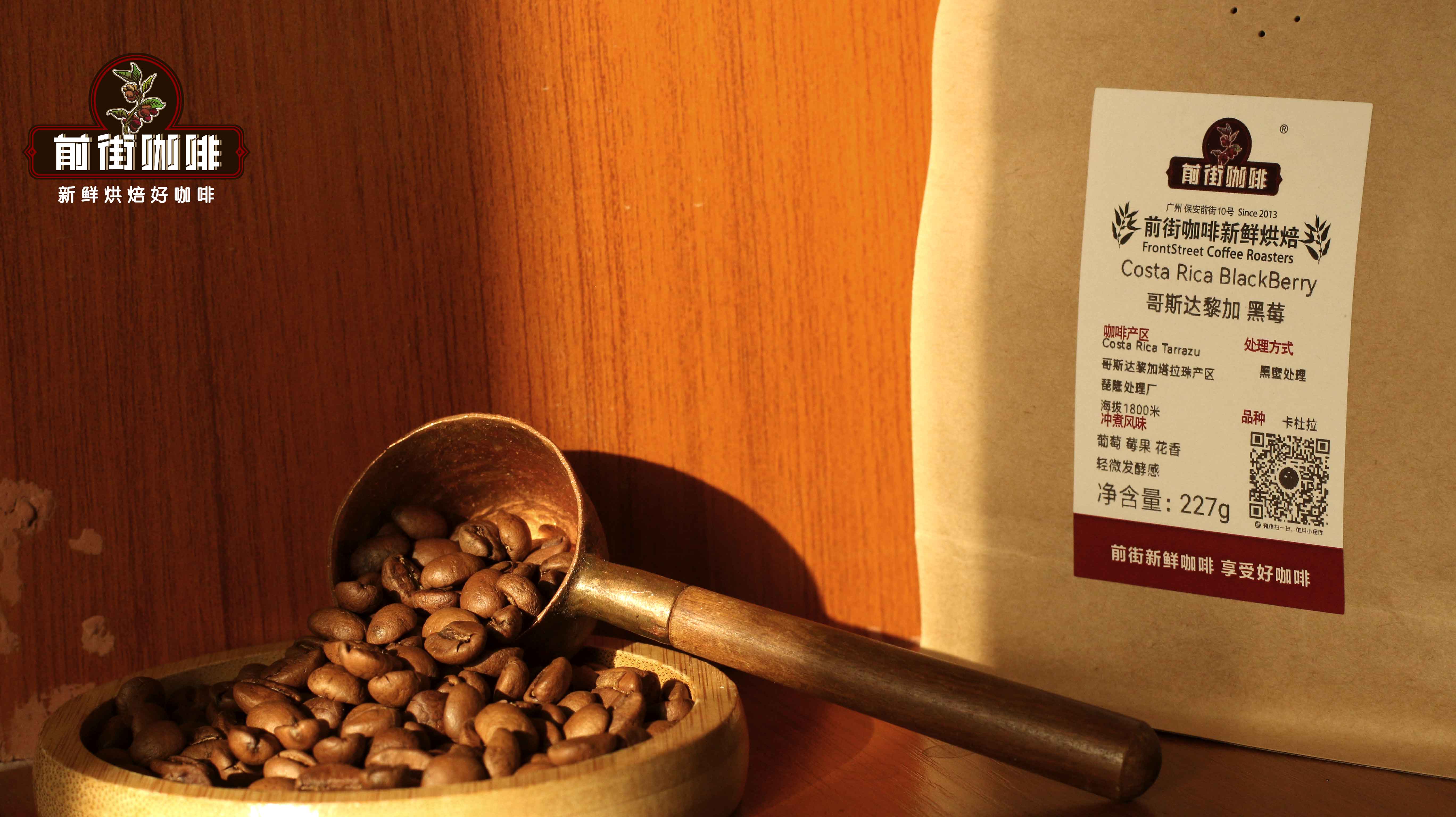
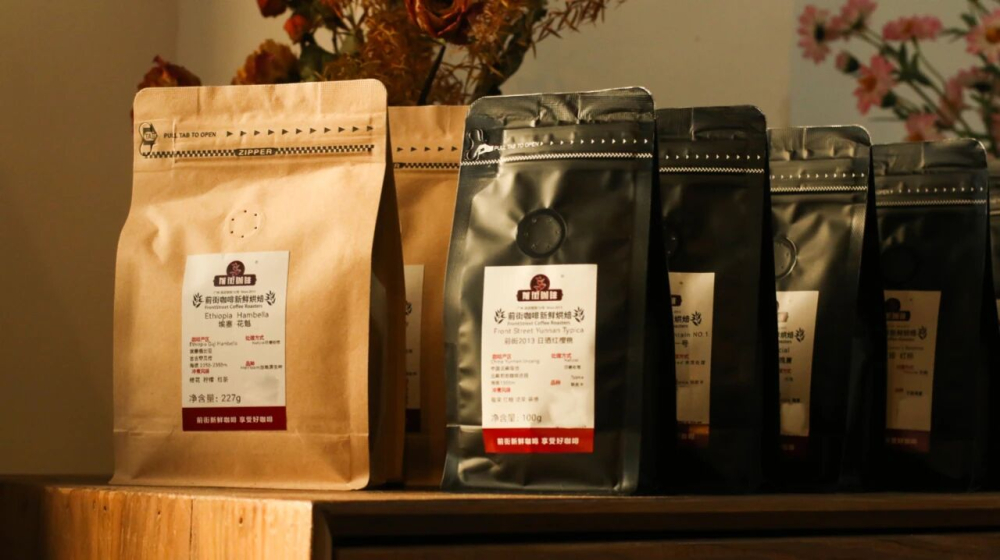
If you’d like to try honey-processed pour over beans from Costa Rica, here are a few worth considering. The first option offers sweet notes of longan, grape, and honey, with a clear flavor profile and delicate floral notes. It’s suitable for those who prefer low acidity but seek layered complexity—whether brewed as Americano or pour over, it delivers a rich and long-lasting aftertaste.
Another blend combines the strengths of Panamanian Geisha and Costa Rican honey processing, using medium roasting to balance fruitiness and roast character. When brewed, it presents notes of caramel, raisin, and rose, ideal for coffee lovers who enjoy complex flavors. There are also options using raisin honey processing, which employs slow fermentation to bring out a sweetness akin to Kyoho grapes. Paired with medium-light roasting, it enhances wine-like and fermented aromas, perfect for advanced pour over enthusiasts to explore further.

When selecting honey-processed coffee beans, it is recommended to prioritize specialty roasters with fresh roast dates and reliable sourcing. Freshly roasted beans not only have more vibrant flavors but also more authentically showcase the delicate sweetness and fruity notes brought by honey processing. Additionally, the control of the drying environment and the ratio of mucilage retention both directly impact the final flavor profile. Consumers are advised to compare information from multiple sources and choose products with clear processing details and origin descriptions.

The above content is compiled by CoffeeHunters, a coffee news website.


