







Introduction:Ethiopia’s Yirgacheffe is one of the world’s most renowned high-quality coffee regions, celebrated for its bright acidity and elegant floral notes—making it especially favored by pour over enthusiasts. This article will explore the unique flavor origins of this region, teach you how to distinguish authentic Yirgacheffe coffee beans, and offer purchasing advice from beginner to advanced levels, helping you easily select premium single-origin beans.
Coffee beans from the African continent have always stood out with their vibrant fruity aromas and bright acidity, forming an interesting contrast to the rich spice notes of Asian origins and the bold nutty-chocolate profiles of American beans. As a representative of East African specialty coffee, the coffee beans produced in Ethiopia’s Yirgacheffe region are distinguished by their unique citrus acidity and layered floral complexity, making them the top choice for global pour over lovers. The coffee here differs both from the intense berry character of Kenyan beans and the caramel-nut flavors of Central and South American beans, showcasing an exceptionally distinctive regional terroir.
Faced with numerous products on the market labeled as “Yirgacheffe,” consumers often struggle to discern authenticity. To accurately identify genuine products, it’s essential to understand three key markers: confirming the origin of the region, observing the characteristics of the green bean variety, and tasting the typical flavor profile. These elements not only help you avoid low-quality blends but also ensure you get the most authentic Yirgacheffe experience.
The first step in identifying authenticity isconfirming the region of origin. Yirgacheffe is not a single village but rather a vast region that includes several well-known processing farms, such as Kochere, Worka, and Gotiti—all premium sub-regions within the area. Professional green bean suppliers typically indicate the combination of “Yirgacheffe + processing farm name” in product titles—for example, “Yirgacheffe Gotiti” clearly points to a specific high-quality sub-region. These cooperatives use traditional washed or natural processing methods, sourcing fresh cherries collectively from local smallholder farmers and then processing them under unified standards. It’s worth noting that beans from the Gotiti sub-region often exhibit prominent jasmine floral notes and a tea-like aftertaste, which serve as important flavor indicators of authenticity.
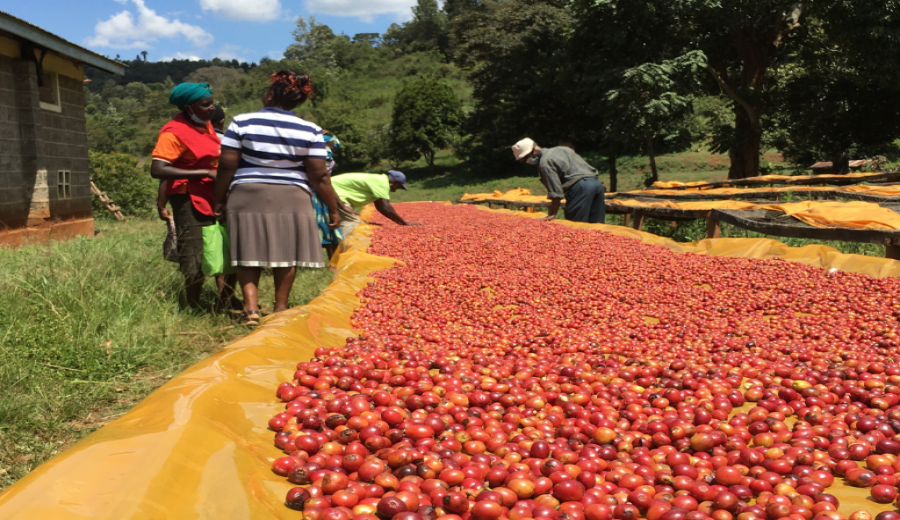
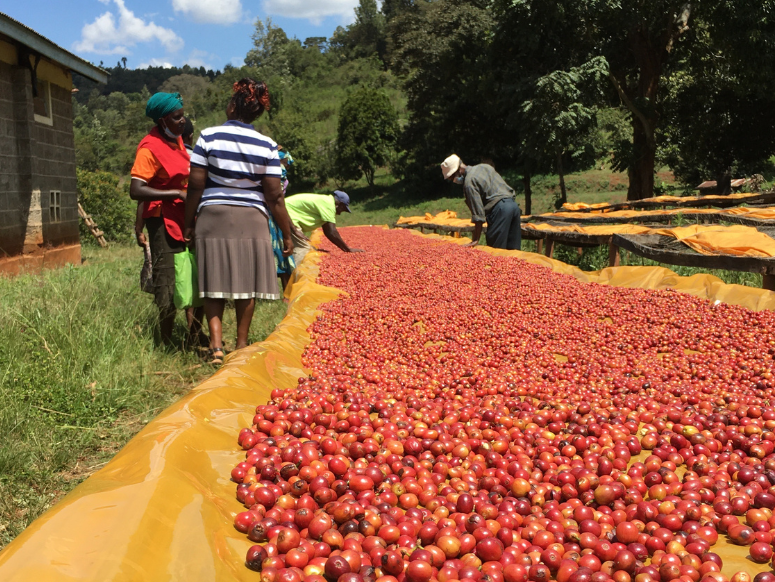
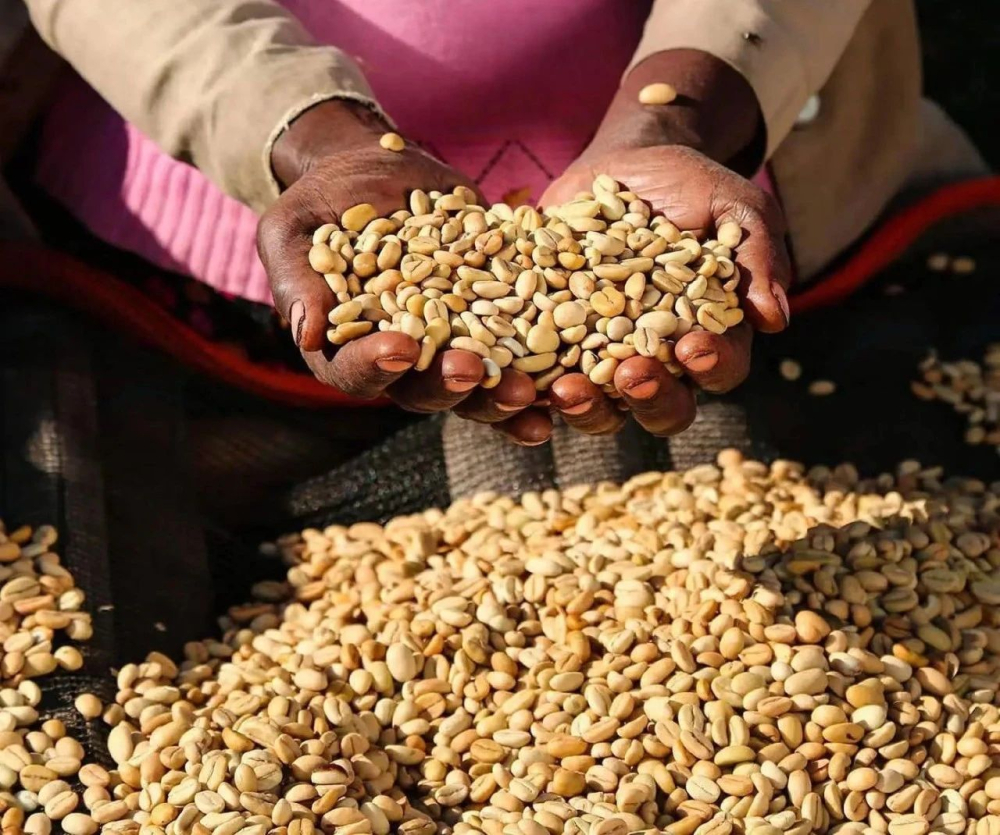
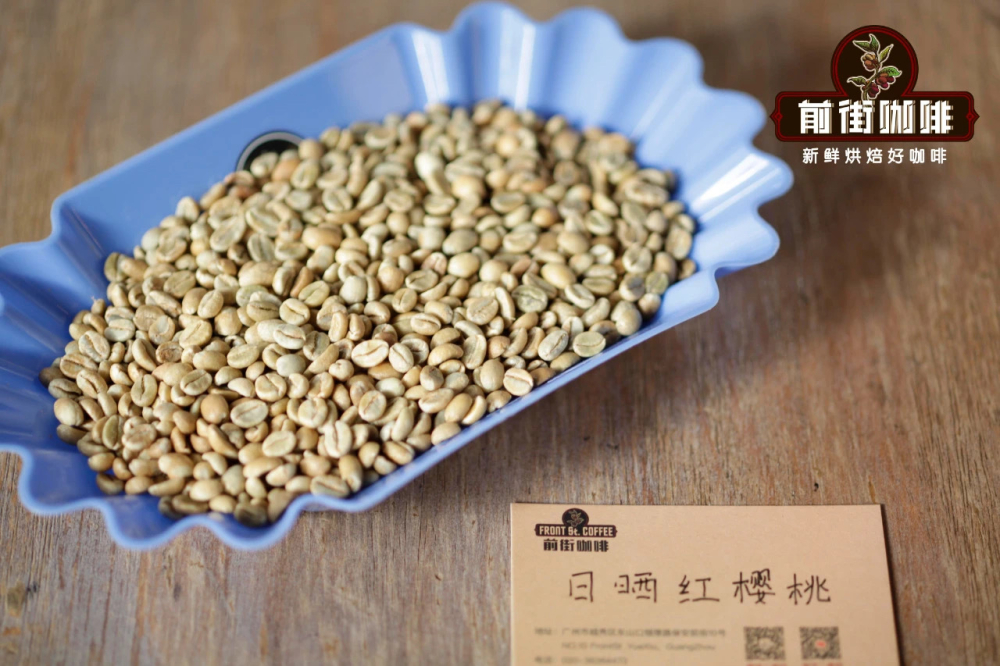
The second key characteristic isobserving the green bean variety. Ethiopia’s unique “heirloom varieties” are not a single type, but rather a wild genetic pool of over ten thousand uncultivated coffee varieties. The cherries produced by these naturally crossbred coffee trees show significant differences in bean size and shape—some round and plump, others long and flat. This inconsistent appearance is actually a hallmark of heirloom varieties. Since smallholder farms mix different tree varieties, the final lots often present a natural unevenness in bean size. However, what might seem like a flaw actually contributes to the complex and varied flavor layers of Yirgacheffe, with natural sundried red cherry batches in particular showcasing rich fruitiness and honey sweetness.
The most direct way to judge the authenticity of Yirgacheffe is totaste its typical flavor profile. Authentic beans should exhibit three core characteristics: first, a strong citrus fruit acidity (such as lemon or lime), second, distinct white floral notes (especially jasmine and white rose), and third, a clean tea-like aftertaste reminiscent of black tea. These flavor elements together create what is known as the “Yirgacheffe profile”—a clean taste akin to refreshing lemon tea, with bright acidity that is never sharp, and a lingering floral finish. Beginners may want to start with washed-process entry-level beans, which are typically known for their stable citrus notes and moderate acidity, and are also more affordable—an ideal choice for experiencing classic Yirgacheffe flavors.
When making specific purchases, it’s recommended to prioritizewashed-processproducts. This method better preserves the signature clarity and acidity of Yirgacheffe. Coffee beans processed through professional washed fermentation usually display more pronounced citrus notes and a cleaner flavor base. If you prefer intense fruitiness, try sundried batches—these beans develop richer berry flavors and honey sweetness after prolonged fermentation under sunlight. Regardless of the processing method chosen, always pay attention to the roast date, and opt for freshly roasted beans within two weeks for optimal extraction performance.
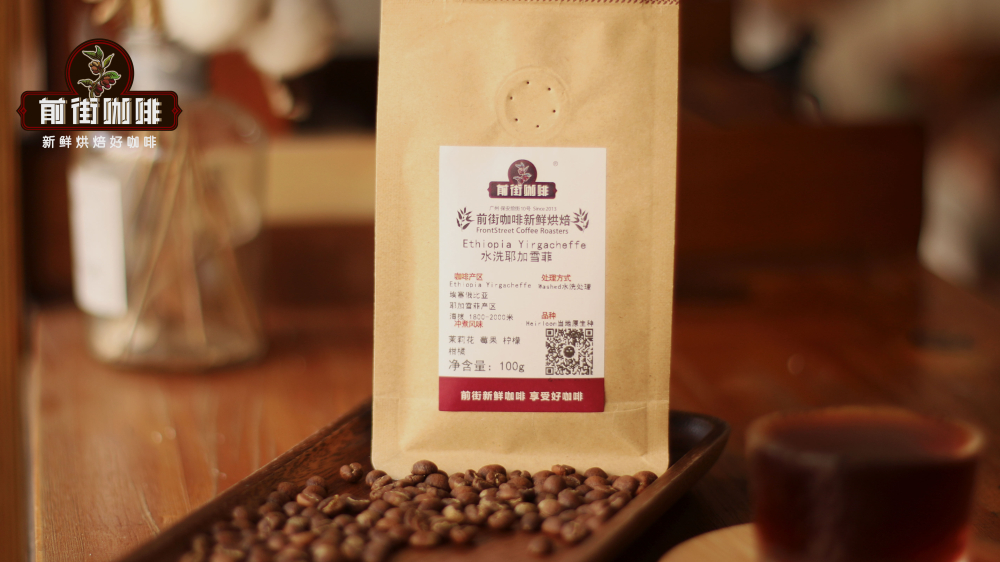
For pour over enthusiasts, Yirgacheffe offers an excellent brewing practice subject. It is recommended to use a medium-fine grind (similar to granulated sugar), with water temperature controlled between 90–92°C, employing a blooming-and-pour technique: start with a 30% water bloom for 30 seconds, then continue with circular pouring to reach the target volume. This method effectively balances the sweet-acid ratio and avoids the astringency caused by over-extraction. It’s worth noting that Yirgacheffe beans from different altitude regions may require slight parameter adjustments—beans from higher-altitude areas, being denser, may benefit from slightly longer extraction times to fully release their flavor compounds.
The above content is compiled by CoffeeHunters, a coffee news website.


