








Introduction:Want to taste distinct fruit aromas in your pour over coffee? In fact, coffee beans from different regions naturally possess unique flavor profiles. This article will delve into the common fruity notes found in African and South American coffee beans—from tropical fruits to citrus acidity—to help you choose the right single-origin beans based on your personal taste preferences, and master the skills to identify various fruit characteristics.
Where do the fruity flavors in coffee come from?
Many people are pleasantly surprised to discover that their black pour over coffee contains sweet and sour notes reminiscent of fresh fruit. These delightful fruity aromas mainly stem from the bean’s variety, the microclimate of its origin, and the influence of post-harvest processing methods. The common types of fruit flavors can be divided into three main categories:Stone fruits (such as peaches, apricots, apples),Citrus fruits (such as oranges, lemons, grapefruits)andBerries (such as blueberries, strawberries, blackcurrants), with each flavor reflecting the coffee bean’s unique growing environment.

African beans: Bright acidity and rich berry notes
Coffee beans from the high-altitude regions of East Africa are generally known for their vibrant acidity and diverse fruit aromas. Coffee from the Kenyan region is particularly famous for its intense berry flavors, often showcasing layered sweet and sour notes akin to cherry tomatoes, black plums, and Chinese plums, paired with moderate tartaric acid that brings out a crisp pear-like aftertaste.
Ethiopia: A delicate balance of citrus and berries
The Yirgacheffe region of this country is renowned for its citrus fruit aromas, with typical flavors including a refreshing yellow lemon note and elegant jasmine floral tones, often followed by a berry-like finish. Meanwhile, coffee from the Sidamo region tends to present a warmer combination of berries and tropical fruits—for example, strawberry aromas often echo the sweetness of guava and mango.

South American beans: Mellow expressions of stone fruits and tropical fruits
Compared to the strong acidity of African beans, South American coffee beans often exhibit rounder flavor profiles characterized by stone fruits. Coffee from the Colombian region commonly features a blend of blackcurrant, grape, and apricot aromas, with some high-quality batches even offering tropical fruit notes like passionfruit. Costa Rican coffee primarily highlights mature fruit aromas such as pineapple and raisins, paired with moderate caramel notes to create a full-bodied flavor structure.
Flavor profiles of other specialty origins
Tanzanian coffee beans are noted for their gentle kiwi-like acidity and blackberry tones, with an overall flavor profile showcasing a mild nutty base. The Guatemalan region often presents a refreshing mix of citrus and green apple, making it ideal for drinkers who prefer bright acidity. It’s worth noting that even coffee from the same origin may show subtle flavor variations due to differences in microclimate or processing methods.

How to extract the best fruit flavors through pour over?
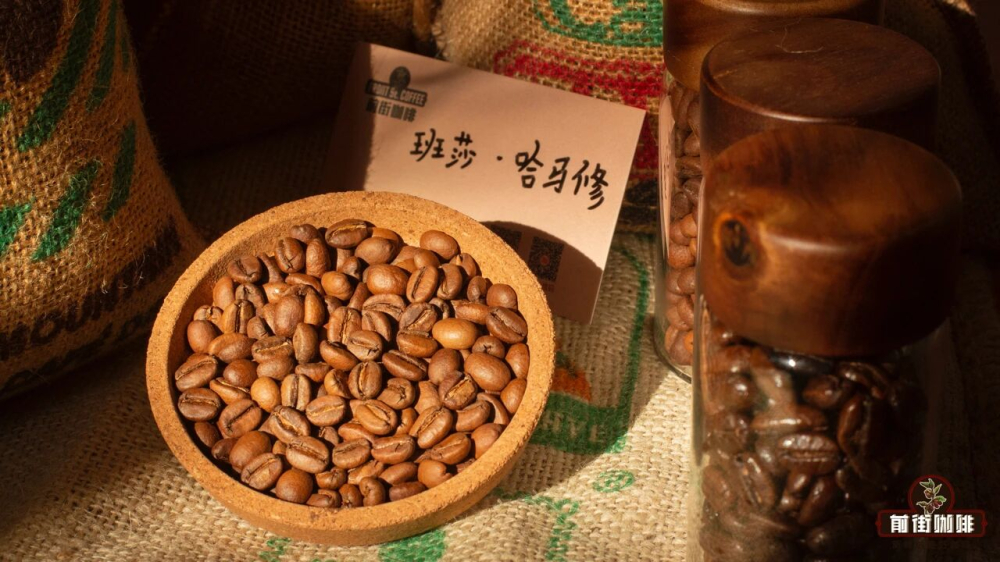
To fully highlight the fruity characteristics of coffee beans, it is recommended to use medium-light roasted beans and control extraction parameters: a coffee-to-water ratio of 1:15 to 1:16, with water temperature maintained between 90-93°C. Use a medium-fine grind size (approximately like fine sugar grains), and employ a pulsed pouring technique to maintain stable extraction pressure, which helps accentuate bright acidity and clear fruit notes.
Practical tips for flavor identification
When you’re first trying to distinguish fruit flavors, it’s advisable to prepare a selection of common fruit samples as references—such as fresh lemon slices, ripe strawberries, or dried black plums. By conducting comparative tastings, you can more accurately capture the fleeting aromatic characteristics in coffee. Remember to gently swirl the coffee in your cup before tasting to release more volatile aromatic compounds.


The above content is compiled by CoffeeHunters, a coffee news website.


