







Introduction:Geisha coffee is renowned for its distinctive floral and fruity aromas, but its high price deters many coffee enthusiasts. This article delves into the unique flavor origins of Panamanian Geisha, introduces how to find more affordable alternatives with similar profiles through proper roasting and processing methods, and provides practical drip bag brewing tips and parameter suggestions—so you can enjoy high-quality Geisha flavors at home.
The Rise of Geisha Coffee, making it a star variety in the specialty coffee world. As one of the most celebrated coffees globally, Panamanian Geisha has won numerous international coffee competitions with its unique floral and fruity notes, thereby gaining widespread fame. However, as the glow of competition victories and auction prices continues to rise, Geisha coffee has gradually become a "luxury item" in the eyes of many.
In reality, what makes Geisha so captivating lies inthe combined effects of variety characteristics, growing environment, harvest ripeness, and post-harvest processing. These factors together shape Geisha’s distinctive bright citrus, peachy sweetness, and tea-like aftertaste. As long as you choose the right region and processing method, even non-top-tier auction lots can offer a similarly delightful Geisha experience.
Regarding the price issue, the high cost of Geisha is no accident.In its early days, Geisha prices were relatively reasonable, but after multiple international competition wins—coupled with limited production and the boost from auction mechanisms—prices have soared. As a result, finding an "affordable version of Geisha" has become a goal for many coffee lovers.
To experience the classic flavors of Geisha, consider starting withwashed-process beans from Panama. These beans typically exhibit higher clarity and vibrant acidity, with medium-light roasting highlighting notes of citrus fruits, white flowers, and delicate tea undertones. For example, meticulously washed Geisha from the Boquete region can showcase similar elegant aromas and layered complexity.
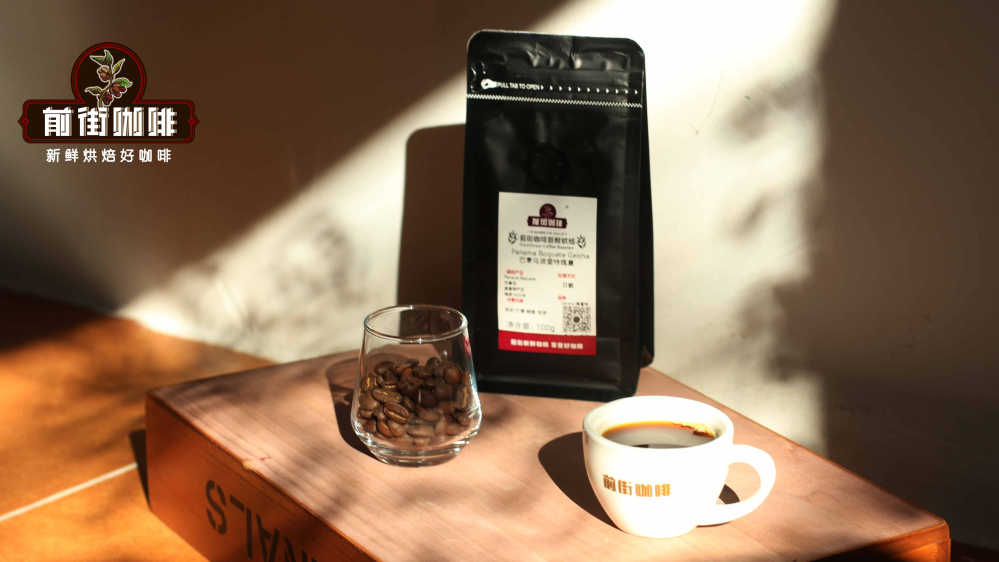
Drip bags are a practical option for experiencing Geisha flavors.To maintain optimal flavor, it’s recommended to use freshly roasted coffee beans for drip bags, and to minimize the time between roasting and brewing. While freshly ground coffee offers more intense aroma, it also oxidizes faster—so drip bags are usually pre-ground and sealed to preserve flavor stability.
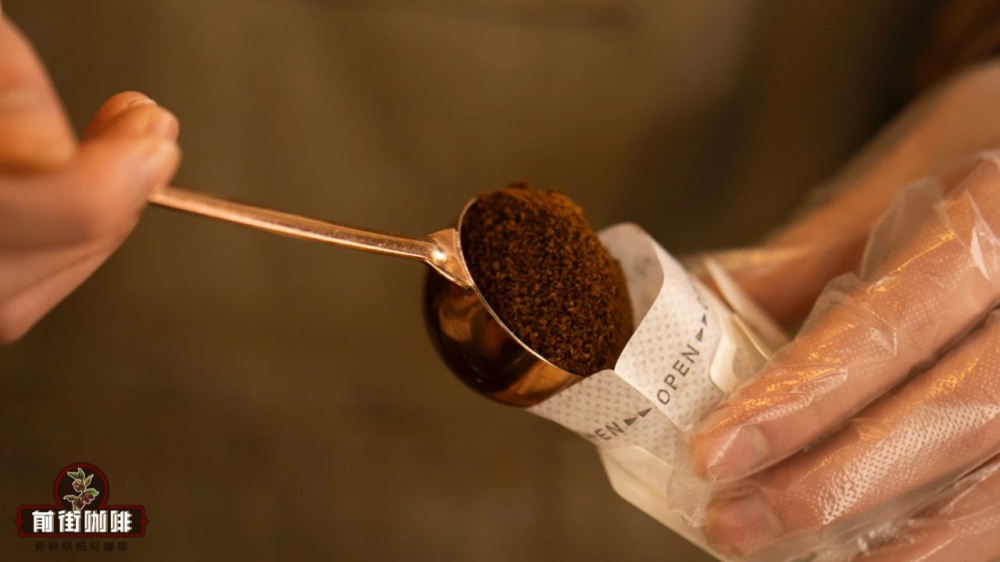
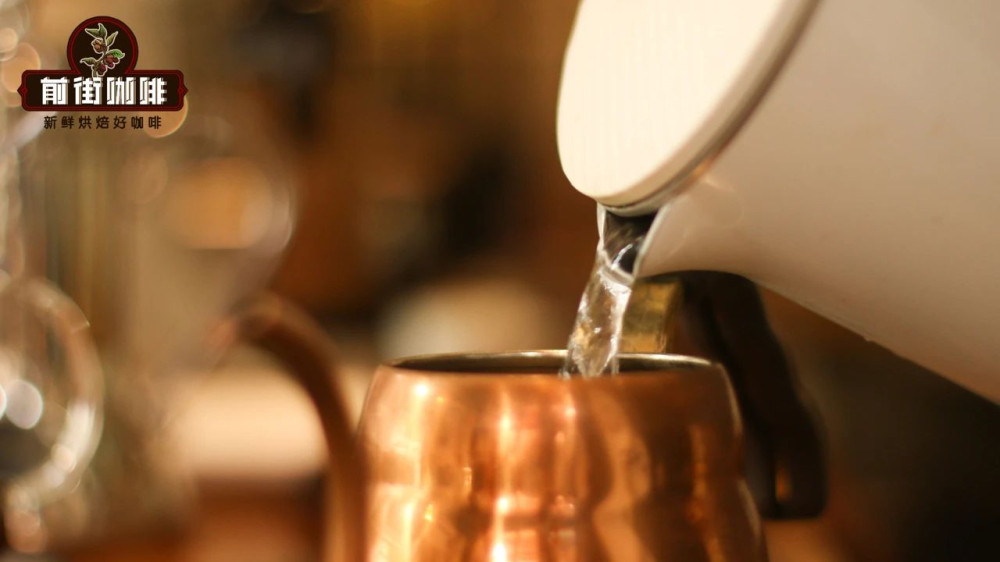
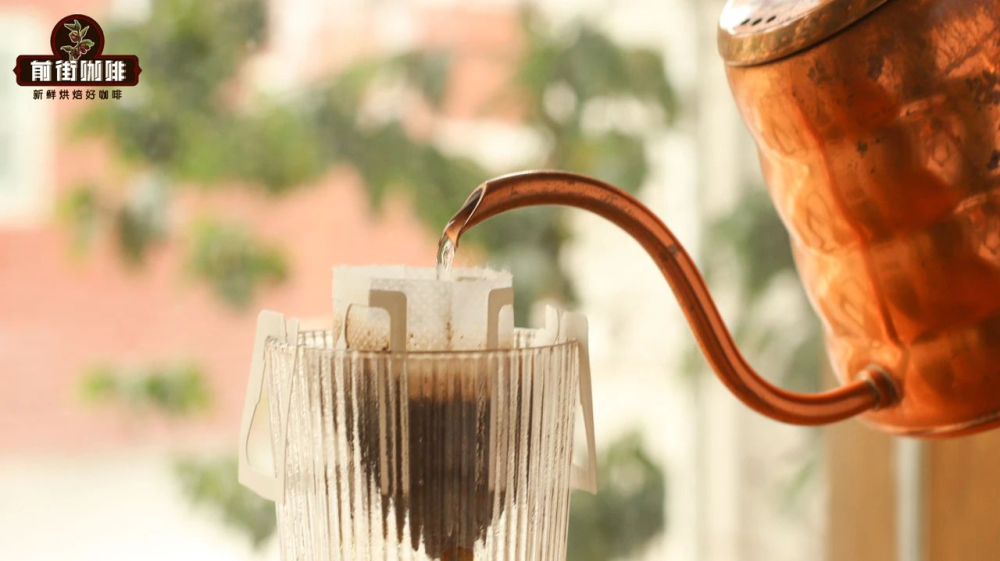
When brewing drip bag coffee,water temperature control is key. It’s advised to let boiling water sit for about 1–2 minutes to cool to around 90°C; this temperature range helps fully extract aromatic compounds while avoiding over-extraction and bitterness. Proper brew ratios (such as 1:15 to 1:16) and a steady pouring rhythm can also significantly enhance brew quality.
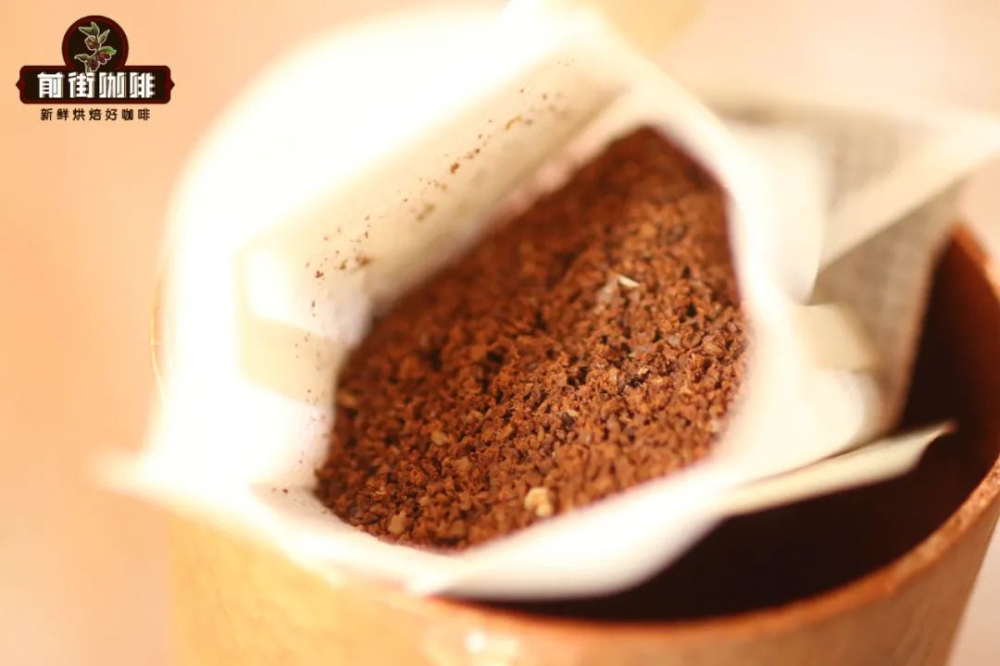
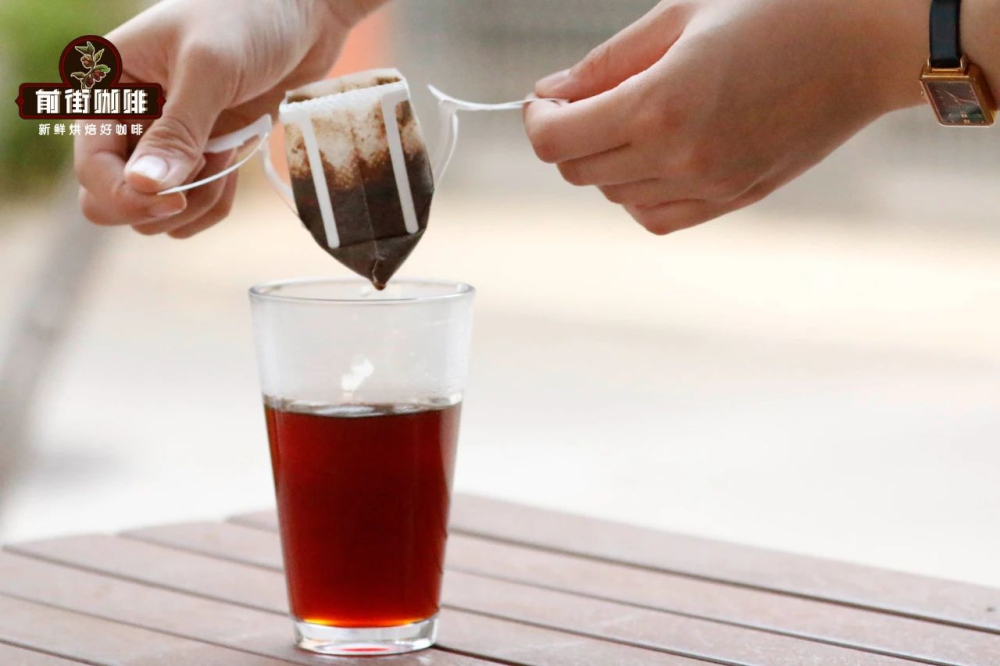
In practice, try a three-stage pour:First, pour a small amount of hot water to bloom the coffee grounds for about 10–20 seconds, waking up the grounds and releasing their aroma; then continue with a steady, fine stream until the coffee reaches about 80% full, wait for the liquid to drop, then pour to full. Finally, let the coffee fully drip through. This segmented brewing promotes even extraction and improves flavor balance.
Starting with opening the drip bag, unfold the non-woven filter and securely hang it on the cup rim, ensuring the paper fits snugly against the rim to prevent leaks.Every step impacts the final coffee taste, including water temperature, pour speed, and total brew time. With experimentation and adjustments, you can brew Geisha-flavored drip coffee at home that rivals café-quality.
The above content is compiled by CoffeeHunters, a coffee news website.


