







Introduction:Want to explore the allure of Mandheling coffee in depth? This article starts with the historical origins of Sumatra and takes you through Mandheling’s grading system, regional differences, and common varieties. It also details the characteristics of the wet hulling process, bean appearance features such as the cause of the "goat hoof" shape, and provides professional pour over recommendations and parameter settings to help you fully understand this classic coffee with rich layers.
Known as one of the world’s most expensive coffees, "kopi luwak" originates from Indonesia, but the most representative Indonesian coffee is none other than Mandheling. Mandheling has a strong flavor, with acidity that's just right, a prominent aroma, and a bitter yet bold and solid taste. Overall, it presents a blend of fragrance, richness, body, and bitterness. For those not accustomed to this style, the flavor may feel as intense as traditional Chinese medicine.
As a major coffee-producing country in Asia and one of the top coffee producers globally, Indonesia has the largest planting area in the world. However, due to limitations in production efficiency, its total output only ranks third worldwide, after Brazil and Vietnam. Dating back to 1699, when Indonesia was still a Dutch colony, the Dutch East India Company (VOC) introduced Arabica coffee in an attempt to break the Arab monopoly on coffee trade. Initially, these coffee trees were planted around present-day Jakarta and later expanded to East Java, Central Java, West Java, as well as parts of Sumatra and Sulawesi, making Indonesia one of the earliest regions to engage in large-scale coffee cultivation outside of Arabia and Ethiopia. The VOC also dominated global coffee trade between 1725 and 1780.
By the mid-17th century, Arabica planting areas in Sumatra, Bali, Sulawesi, and Timor continued to expand. In 1888, coffee was first planted around Lake Toba in North Sumatra, followed by records of cultivation near Lake Laut Tawar in the Gayo Highlands (Aceh) in 1924. In the late 18th century, large-scale plantations also emerged on the Ijen Plateau in eastern Java. However, the coffee leaf rust disease of 1876 led to the mass death of traditional Typica varieties, and Robusta (C. canephora var. robusta) was subsequently introduced to low-altitude areas of East Java around 1900 as a substitute. To this day, Robusta still accounts for about 85% of Indonesia’s total output, mainly concentrated in the lowlands of Java and Bali; Arabica makes up 15%, mostly distributed in northern Sumatra, Sulawesi, and high-altitude areas of Java.
Comprising numerous islands, Indonesia is known as the "Country of a Thousand Islands." Its terrain is mostly rugged mountains and hills, with only narrow coastal plains. The climate is a typical tropical rainforest type, with an annual average temperature of 25–27°C and no distinct four seasons. Rainfall is influenced by monsoons, concentrated from July to September in the northern islands and from December to February in the southern islands, with an annual rainfall of about 1600–2200 mm. High altitudes, mineral-rich volcanic ash soil, along with suitable temperatures and rainfall, create an ideal growing environment for Arabica coffee.
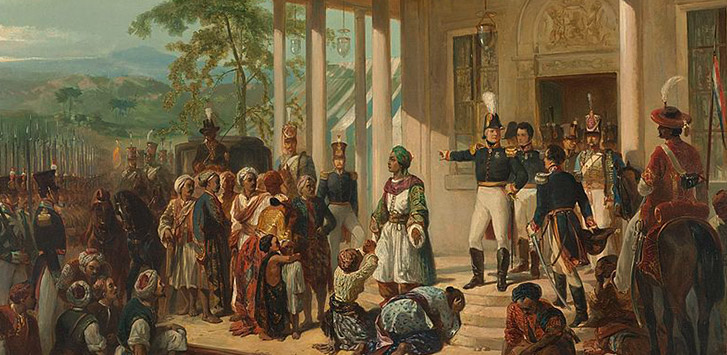
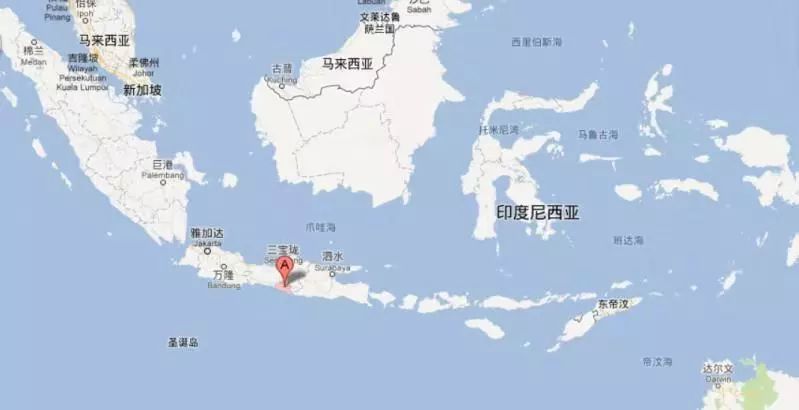
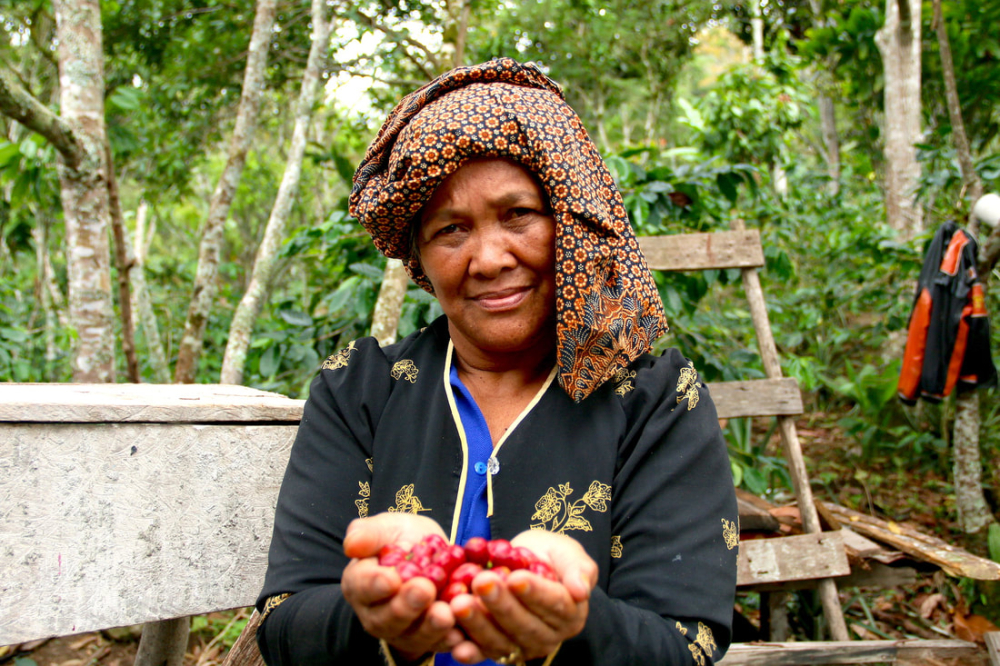
In the late 17th century, the Dutch East India Company introduced Arabica tree varieties originating from India to Java, which were then expanded to Sumatra and Sulawesi. However, in 1880, Java suffered a severe outbreak of coffee leaf rust, nearly wiping out Arabica. Due to its strong disease resistance, Robusta became the dominant variety thereafter and continues to lead Indonesia’s coffee industry to this day. Currently, about 90% of Indonesia’s coffee is grown by smallholders, with an average farming area of no more than one hectare.
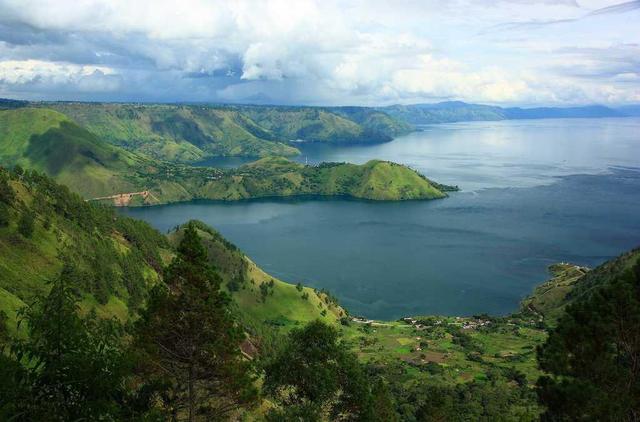
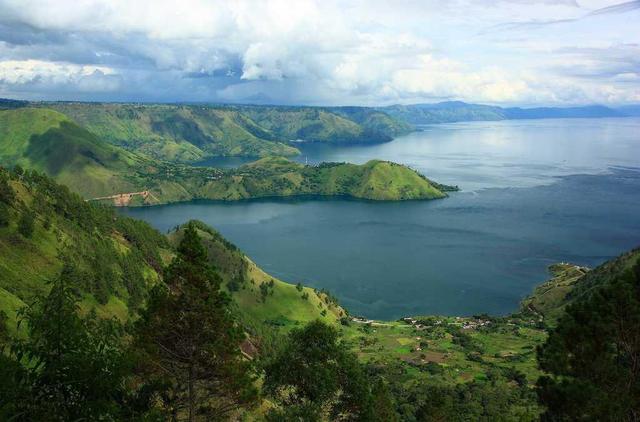
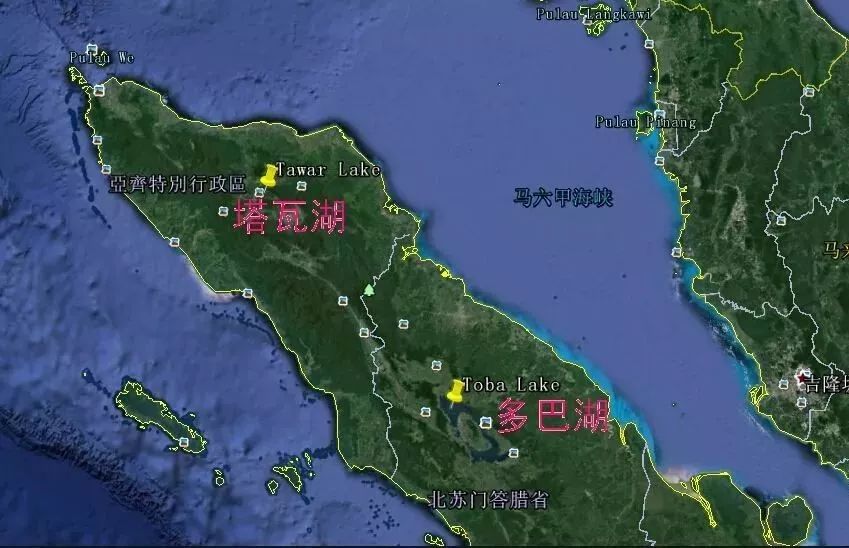
When talking about Mandheling, the most commonly mentioned origin is Sumatra. This sixth-largest island in the world, located on the equator, has a climate suitable for coffee cultivation and is the main source of the broadly defined "Mandheling" coffee. Sumatra’s harvest season runs from November to March of the following year, making it one of the earliest regions in Indonesia to enter the harvest period.Produced in theLintong mountainous area in north-central Sumatra, near Lake Toba, is a common version of Sumatran Mandheling.Lake Toba was where the Dutch first introduced the "Java Mandheling" variety in 1888, marking the beginning of the modern Mandheling legend. Another well-known lake, Lake Tawar, is located in the central part of Aceh and is smaller in size, also situated in the northern tip of Sumatra.
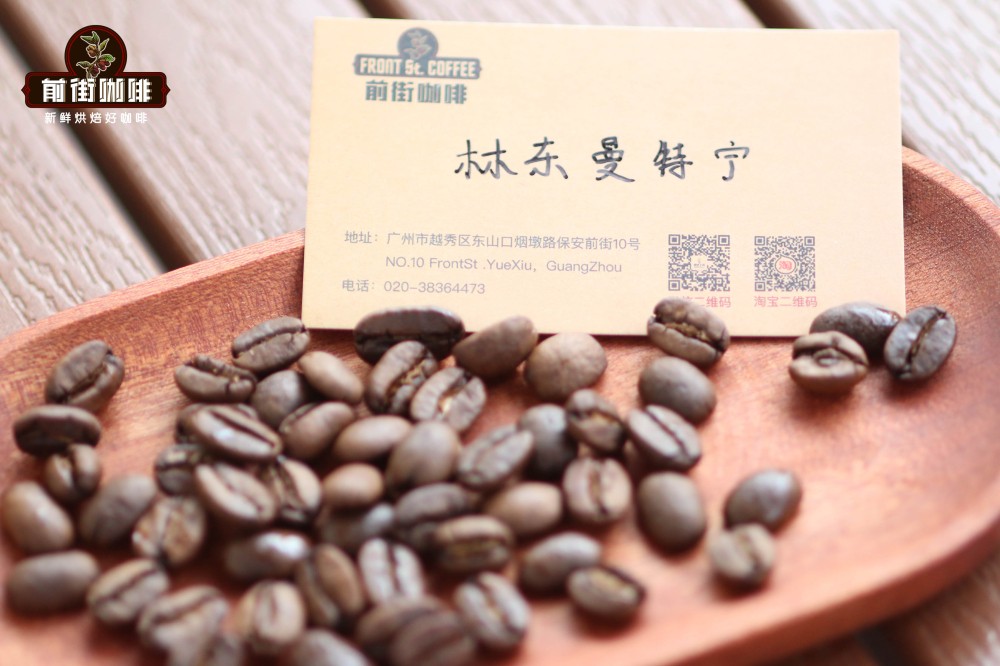
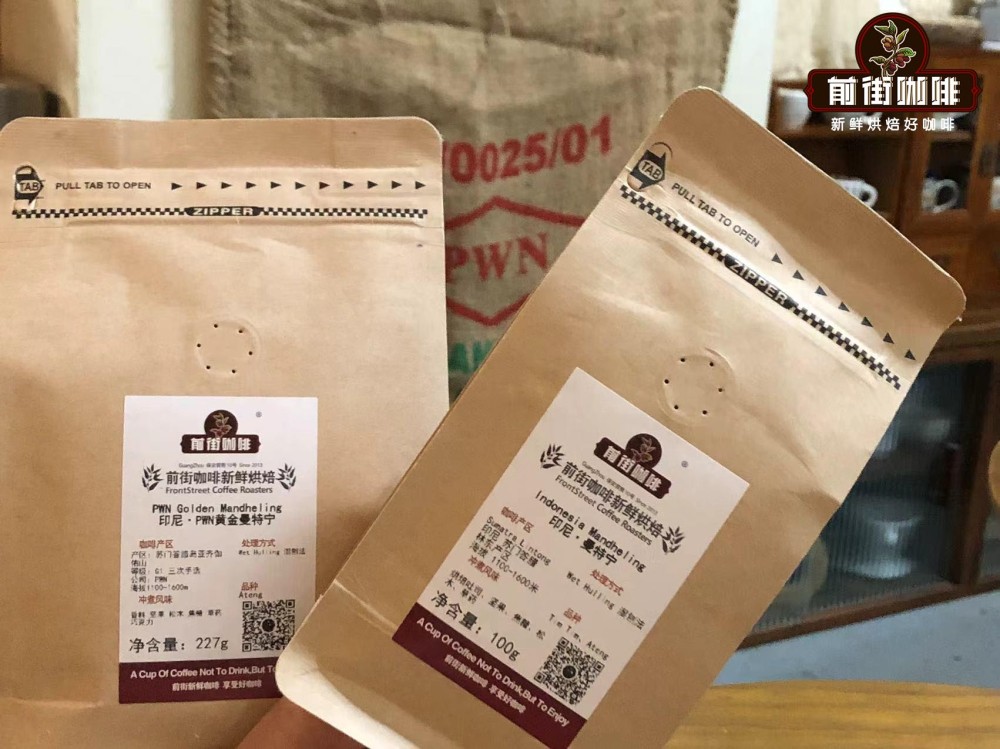
The highest-grade coffee in Sumatra mostly comes from the Gayo Highlands, grown at elevations of 1500–2500 meters, primarily from older tree varieties. The coffee farmers in this region are mostly indigenous Gayo people, who rely on high altitudes, fertile soil, abundant rainfall, and the clear waters of Lake Tawar. Coupled with widespread adoption of organic farming practices and the absence of chemical fertilizers, Gayo coffee is often referred to as green or organic coffee, known for its unique flavor and exceptional quality.The Lintong Mandheling we offer exhibits aromas of toasted bread, nuts, caramel, pine, and herbs; Golden Mandheling, on the other hand, excels in spices, nuts, pine, caramel, herbs, and dark chocolate.
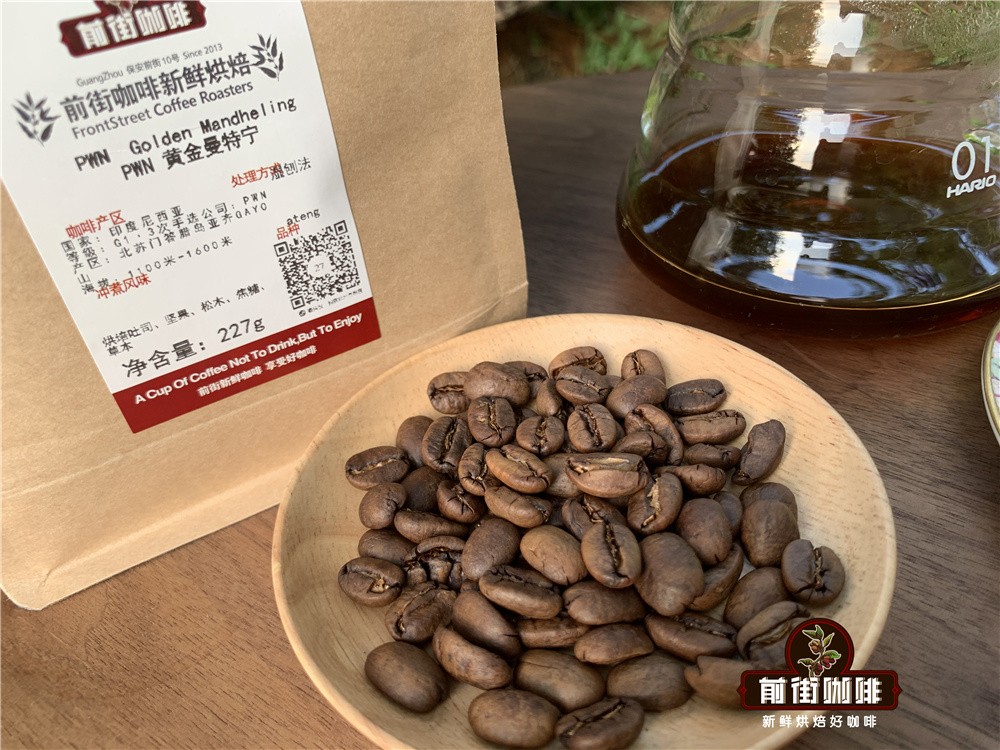
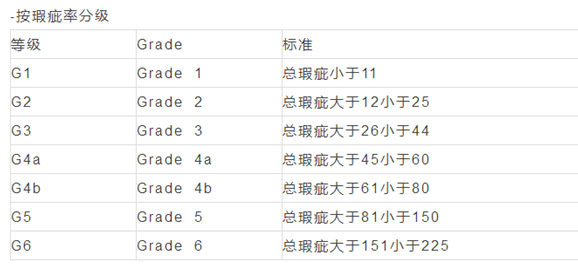
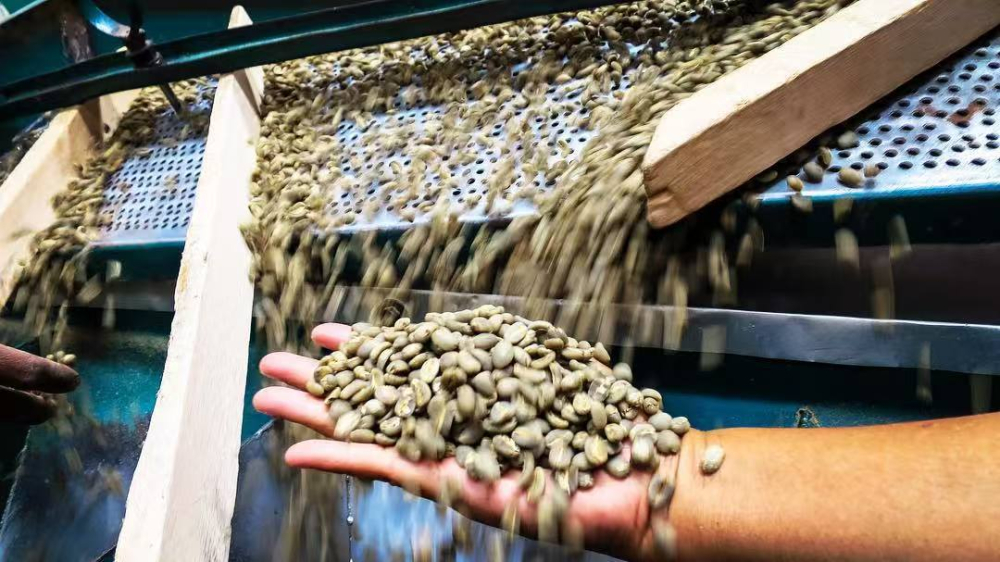
Indonesia’s coffee grading is mainly based on the number of defective beans and bean size,using a 300-gram sample as the benchmark, and is divided into six grades from G1 to G6, with fewer defects indicating a higher grade. Generally, requirements include no live insects, no mold, moisture content not exceeding 12.5%, and impurities less than 0.5%. Before export, green bean merchants manually sort the beans to remove defective ones, ensuring quality.
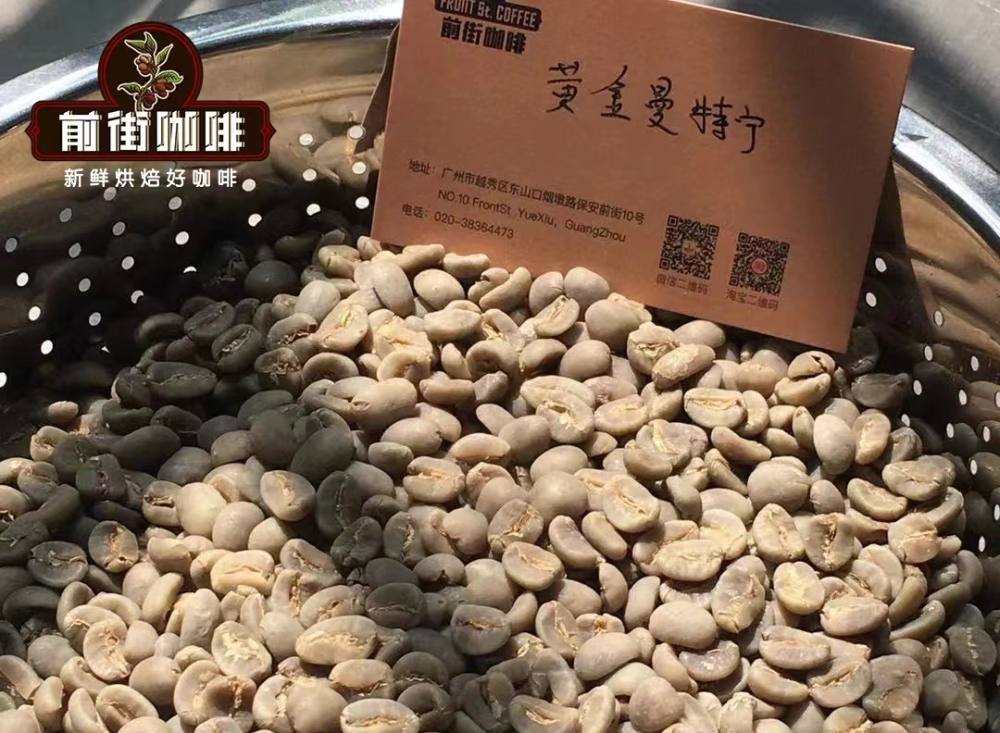
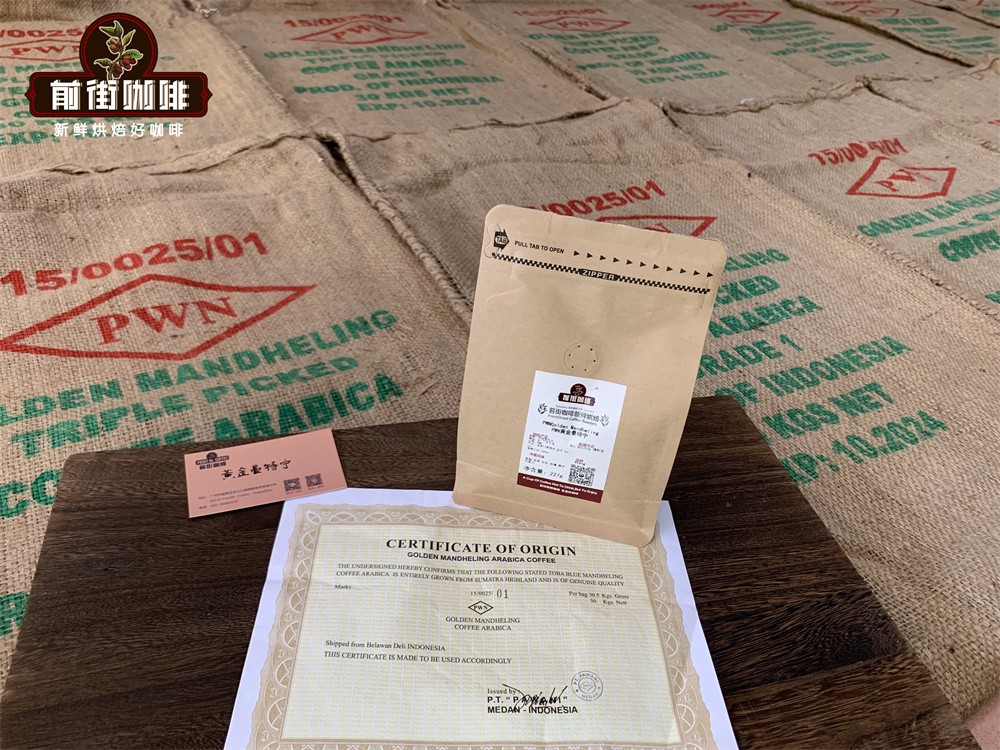
Indonesia’s "Golden Mandheling" is a proprietary trademark of PWN Company, representing G1-grade specialty beans that have undergone one machine sort and three hand sorts.These beans have uniform color, regular particle size, and an extremely low defect rate, making them Indonesia’s highest-grade coffee. The Golden Mandheling we sell all comes from PWN Company, with sacks labeled “PWN GOLDEN MANDHELING TRIPLE PICKED Grade 1 PROD OF INDONESIA 30KGS NET.” Compared to regular Mandheling, Golden Mandheling lacks earthy or musty off-flavors, offering a cleaner and brighter taste with a more pronounced sweetness.
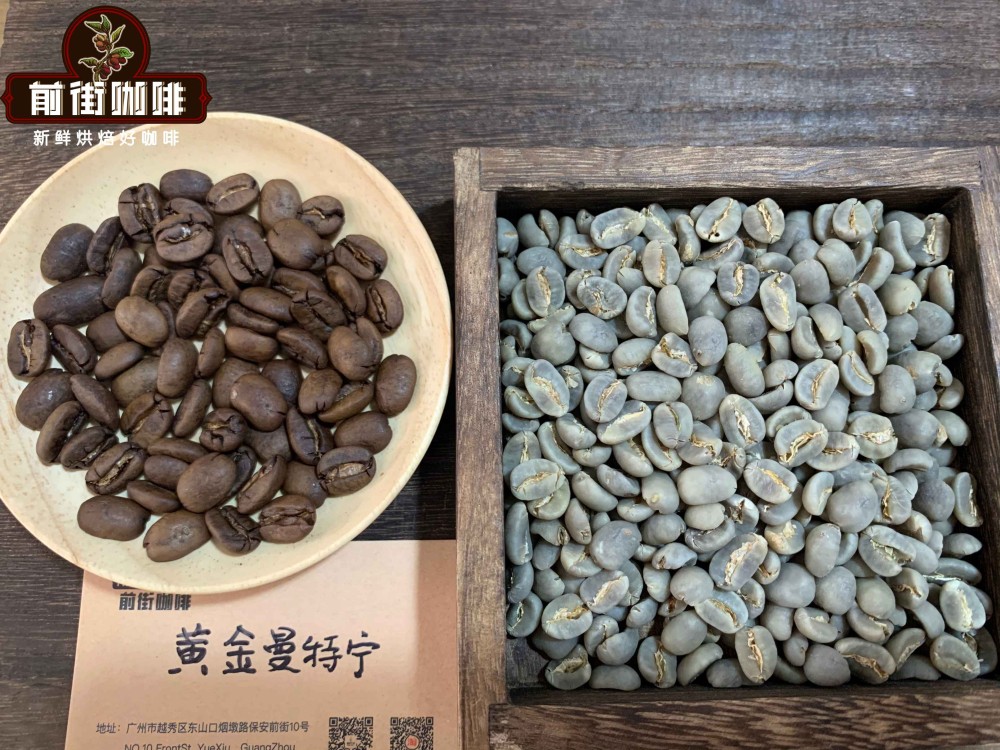
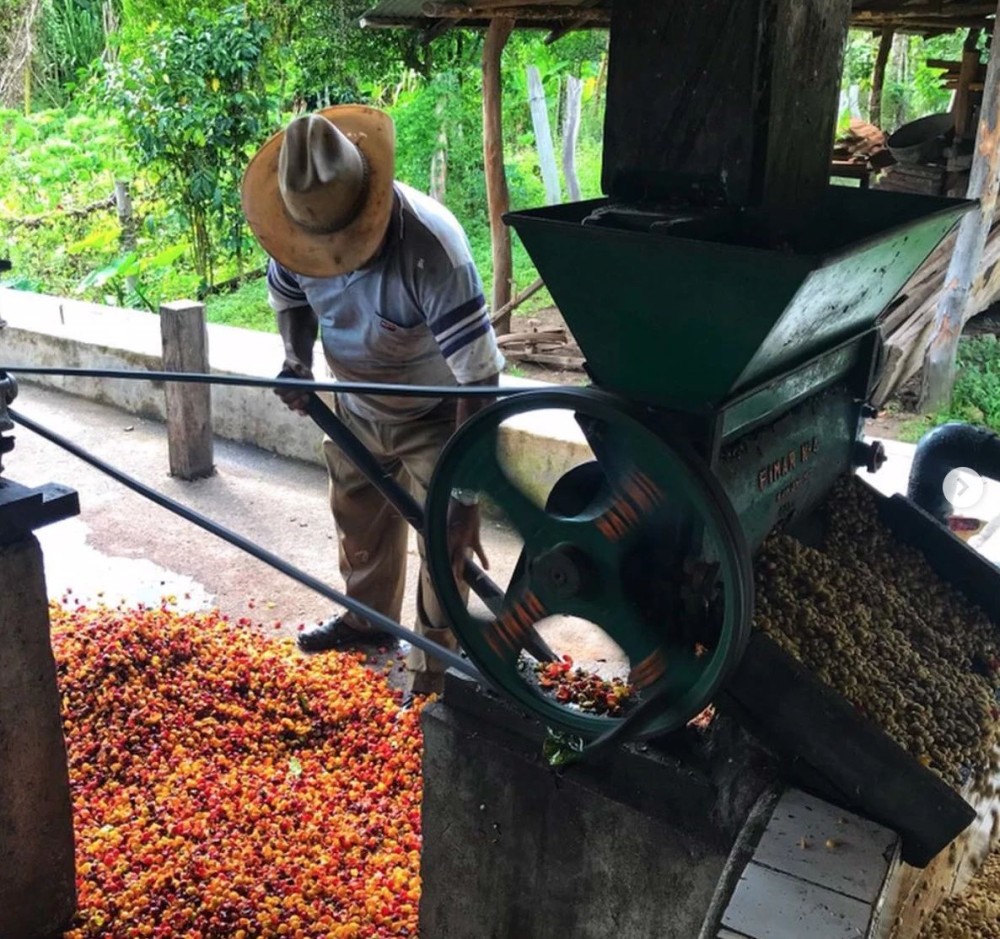
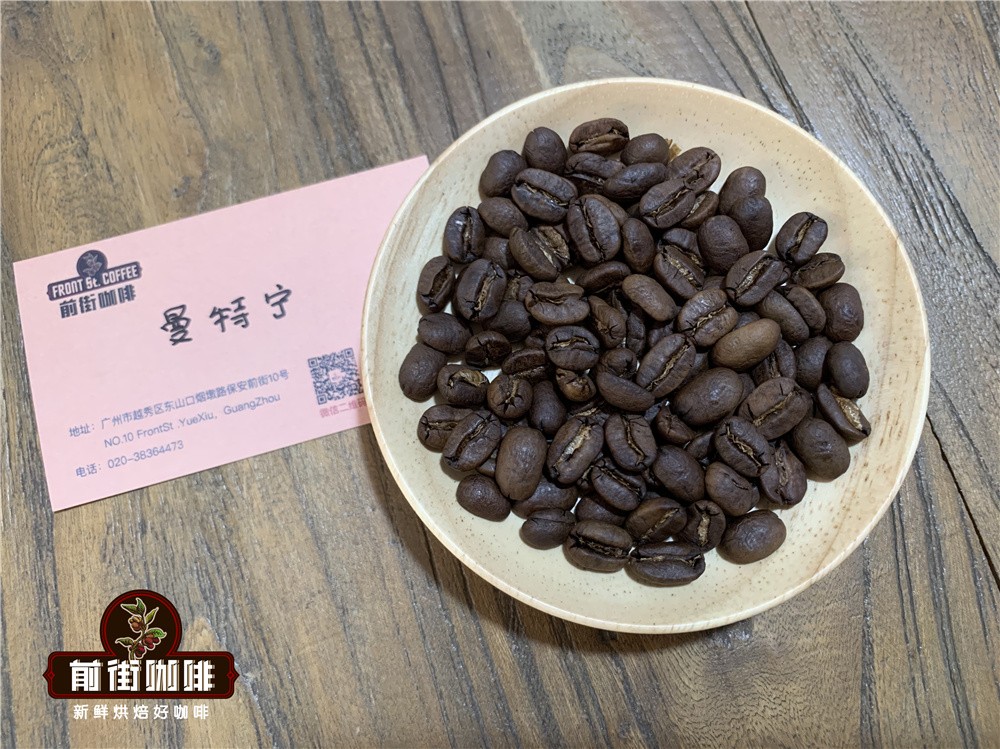
Mandheling generally uses the "wet hulling" method (known in Indonesian as Giling Basah), developed in response to Indonesia’s hot, humid, and sunlight-deficient environment. After initial washing, the parchment-covered coffee beans are first sun-dried for 1–2 days until their moisture content reaches 30–50%, after which the parchment is removed for subsequent drying. This method significantly shortens the drying time, but because the beans are semi-dry when the parchment layer is removed, it can easily cause compression and scratches on the beans, resulting in the distinctive "goat hoof" appearance,which is a normal phenomenon and not indicative of defective beans.
The wet hulling method gives Mandheling its unique low acidity, full body, and rich, muted aromatic profile, making it distinct from coffees of other regions.
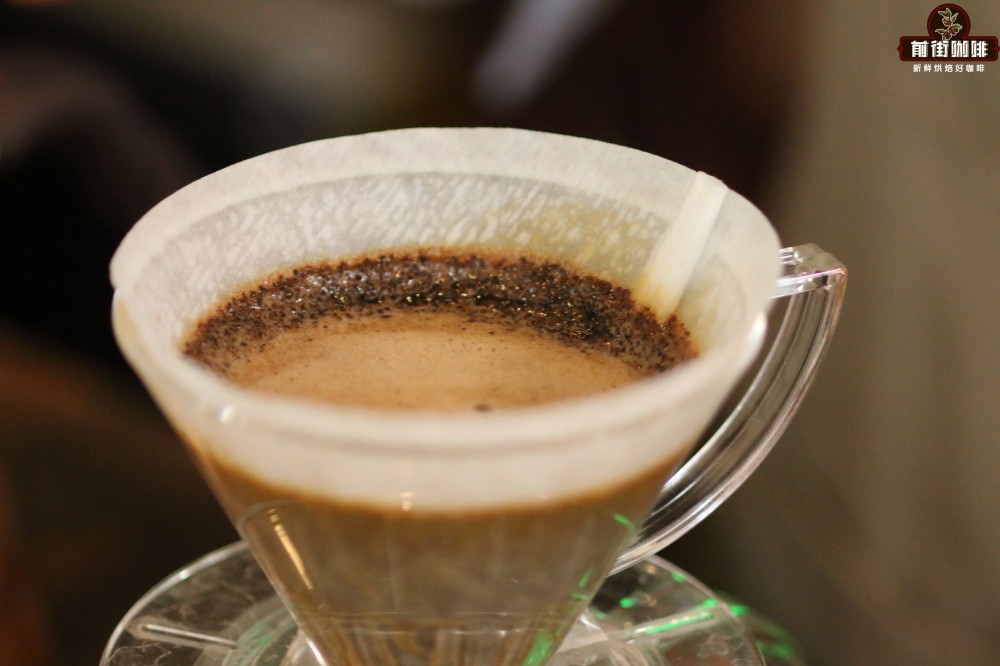
For brewing Mandheling, it is recommended to use a KONO filter, whose smooth curve and minimal drainage ribs design extend the water-to-coffee contact time, extracting a rounder and fuller body—ideal for the bold flavors of Indonesian coffee. A 1:15 coffee-to-water ratio is recommended, with grind size set to 75% passing through a #20 sieve (coarseness similar to medium-coarse), and water temperature controlled around 88°C. Use a three-stage extraction: start with double the coffee dose (about 30 grams) of water for a 30-second bloom to release CO₂; then pour in a slow spiral to 125 grams for the first pour, followed by pouring to 225 grams to finish, with a total extraction time of about 2 minutes. Enjoy once the dripping from the filter has finished.
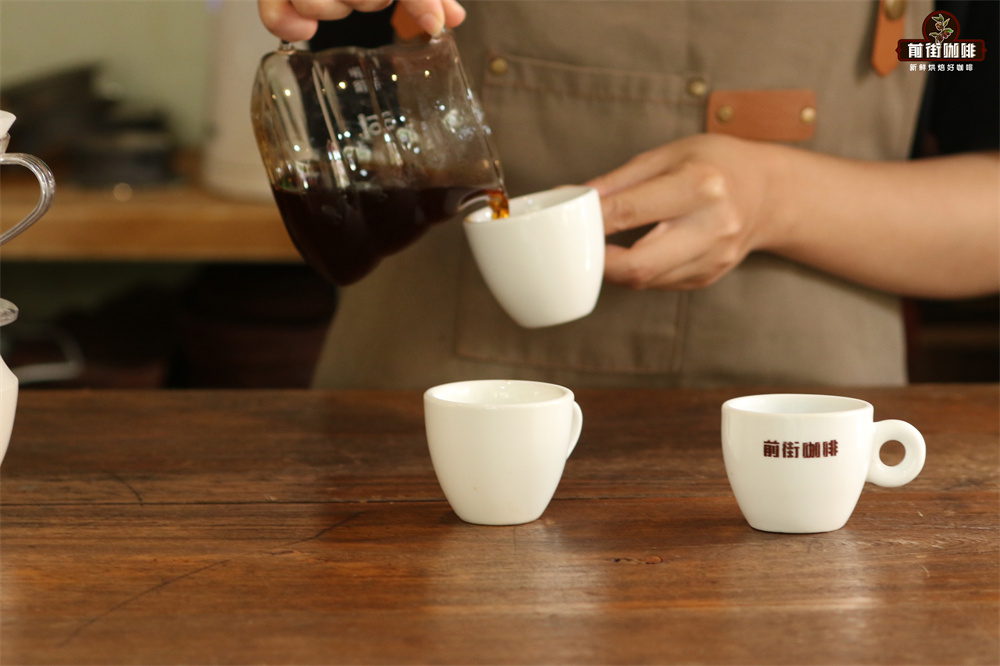
The brewed Lintong Mandheling features flavors of herbs, chocolate, and caramel, with an overall balance; Golden Mandheling showcases a multi-layered aroma of nuts, spices, herbs, licorice, chocolate, and caramel, appearing brighter and sweeter.
To brew great coffee, the freshness of the beans is crucial.It is recommended to choose coffee beans shipped within 5 days of roasting, with a resting period of about 4–7 days for optimal flavor.If purchasing coffee powder, while it can be brewed immediately, note that oxidation occurs quickly and flavors can deteriorate easily. It is best to opt for whole beans and grind them fresh for brewing to enjoy the fullest flavor experience.
The above content is compiled by CoffeeHunters, a coffee news website.

