







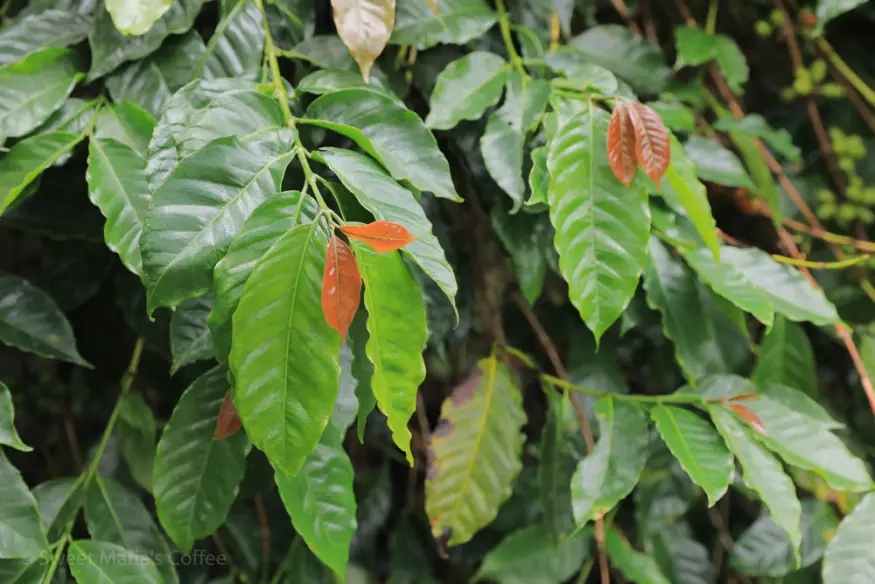
Introduction:As one of the world’s major coffee-producing countries, Indonesia boasts three renowned coffee regions—Sumatra, Java, and Sulawesi—each with distinct flavor profiles and processing characteristics. This article delves into the history, main varieties, processing methods of Indonesian coffee, as well as the actual flavor characteristics and pour-over brewing suggestions for Sumatran Mandheling and Java coffee, helping coffee enthusiasts better understand the charm of dark roasted beans and their purchasing directions.
The Indonesian archipelago enjoys unique geographical and climatic conditions, making it one of the world’s important coffee-growing regions. Among them, Sumatra, Java, and Sulawesi are the most famous islands. These areas not only cultivate many popular coffee bean varieties but have also developed unique processing methods, particularly dark-roasted beans, which hold a solid position in the international market.
The history of coffee cultivation in Indonesia dates back to 1696, when Dutch colonists first introduced coffee seedlings. The initial trial planting on Java Island was successful, leading to large-scale cultivation soon after. However, the leaf rust disaster of 1877 almost destroyed the local Arabica plantations, prompting a subsequent shift to the more disease-resistant Robusta variety. Today, Indonesia is the world’s largest producer of Robusta, though it still grows 6% to 10% Arabica, the most representative of which is Sumatran Mandheling.
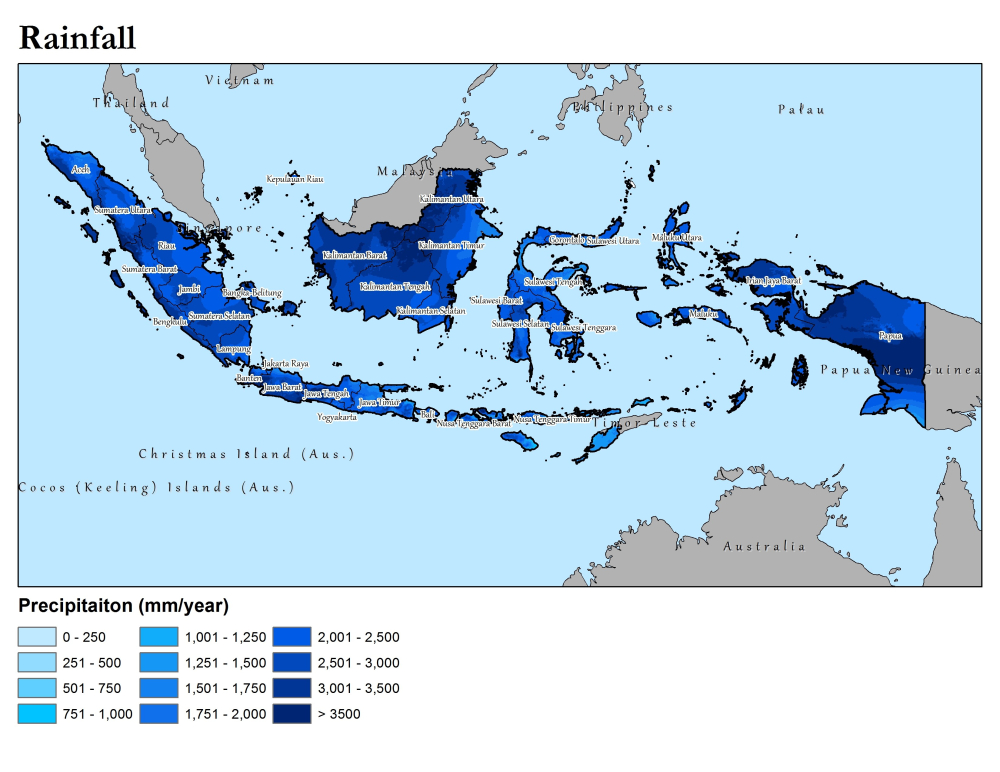
Indonesia as a whole has a tropical rainforest climate, characterized by high temperatures and humidity year-round, with an average temperature maintained between 25–27°C and annual rainfall of approximately 1,600 to 2,200 mm. Due to its location in the volcanic belt, the soil is rich in minerals, and the main cultivation altitudes range between 900 and 2,100 meters, with around 1,200 meters being ideal. These factors contribute to the coffee beans’ rich and layered flavor characteristics. The region experiences two main harvest seasons each year: the primary harvest from September to October and the secondary harvest from May to June.
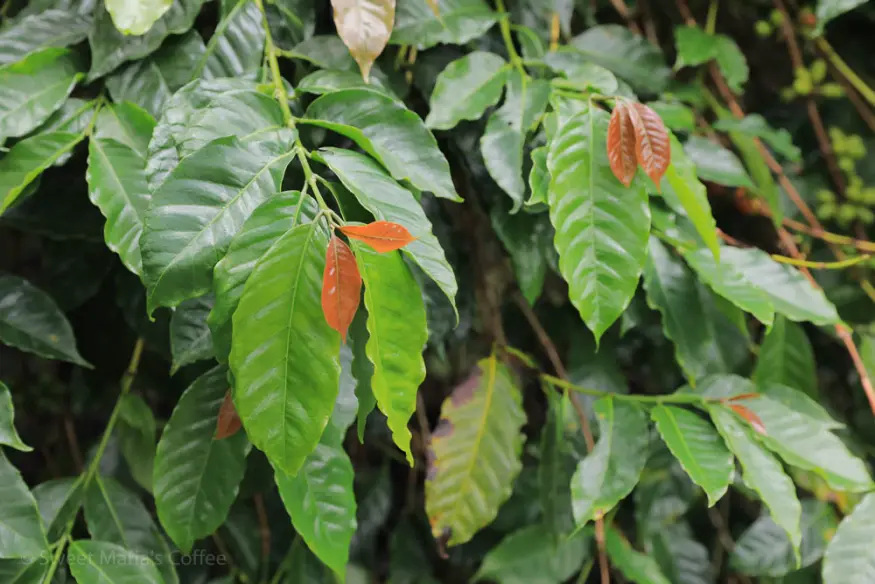
Indonesia’s coffee-growing area has exceeded one million hectares, accounting for about 24% of the total cultivated land. The country has approximately 2.7 billion coffee trees, 66% of which are managed under modern plantation systems, with the rest coming from traditional smallholder farms. Notably, Indonesia cultivates a wide variety of coffee species, mainly divided into Arabica, Robusta, and Liberica, with over 20 sub-varieties. Common ones include Catucai, Catimor, Timor hybrid, Typica, S288, S795, and Sidikalang.
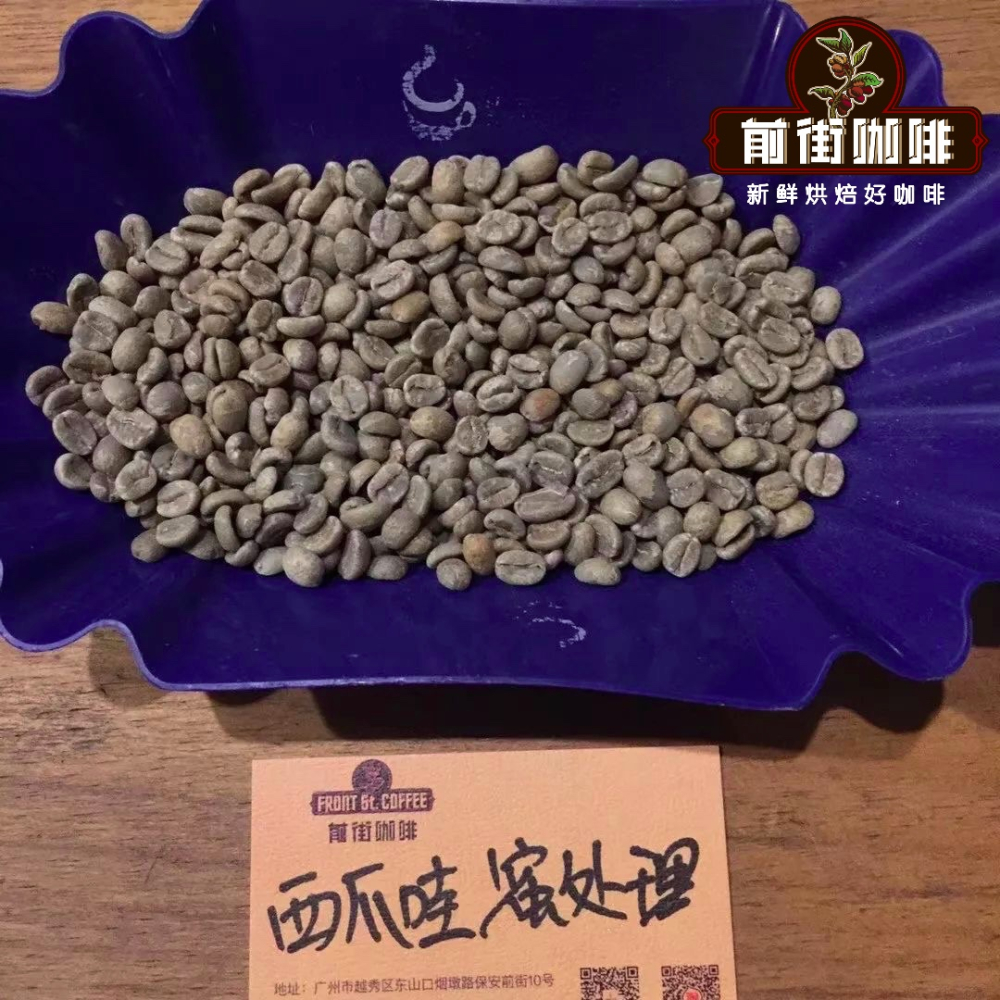
In terms of processing methods, Indonesian coffee farmers commonly use natural (sun-dried), washed, and wet-hulled processes. Among these, the wet-hulled process is especially representative, as it effectively improves drying efficiency in humid climates and imparts special flavors to the beans. Another special processing technique is kopi luwak fermentation, which is relatively rare but sought after by some markets for its unique flavor.
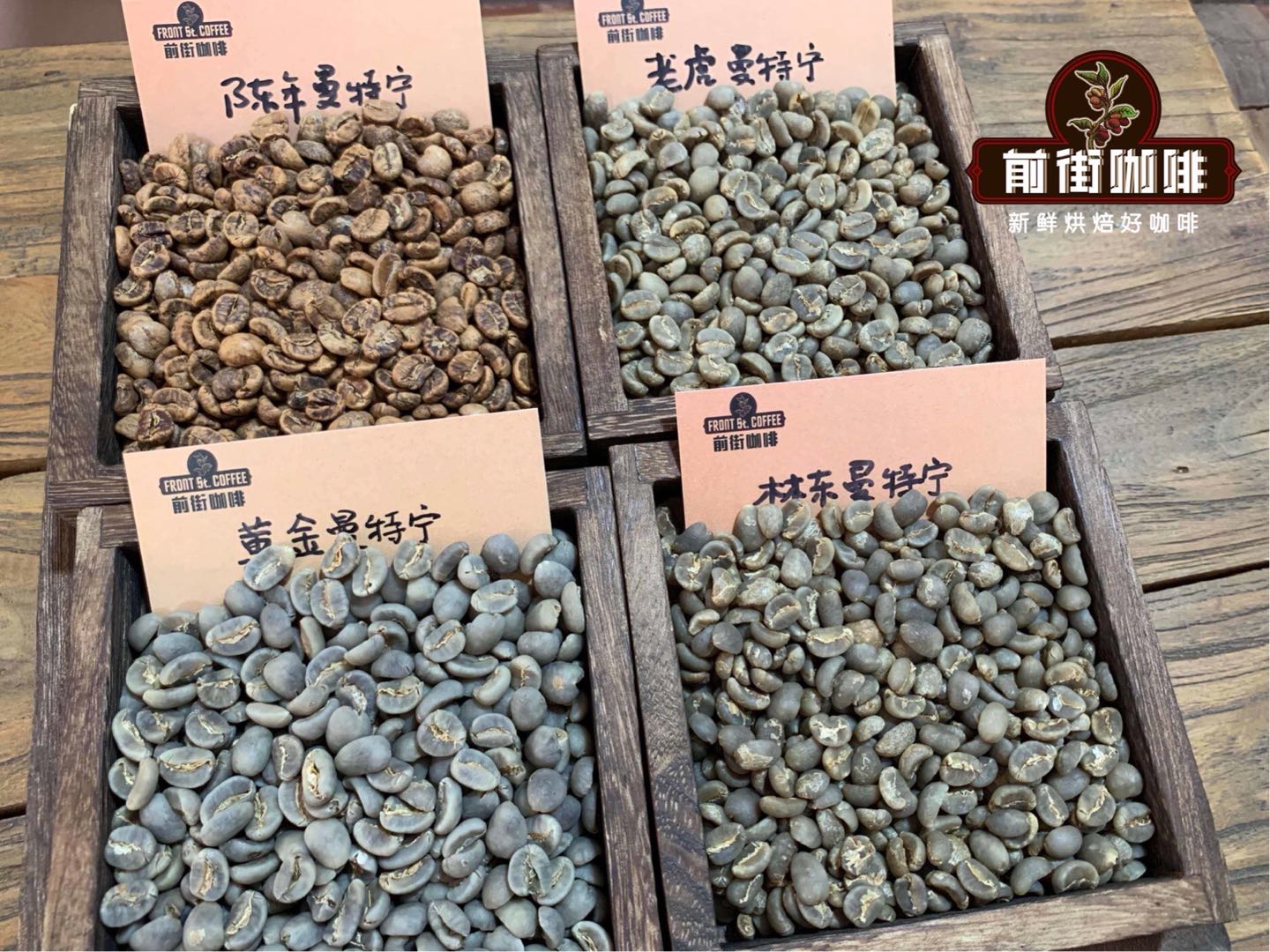
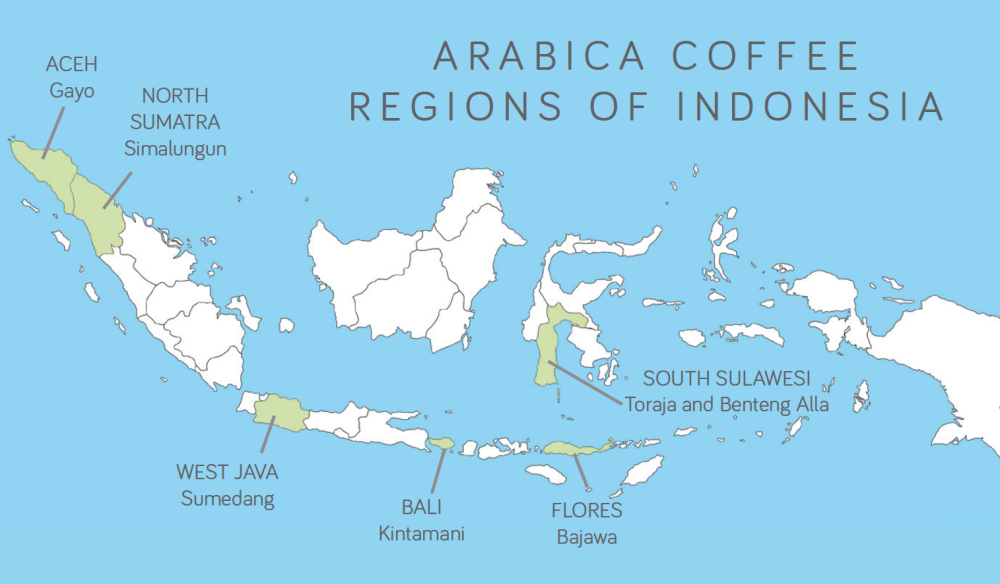
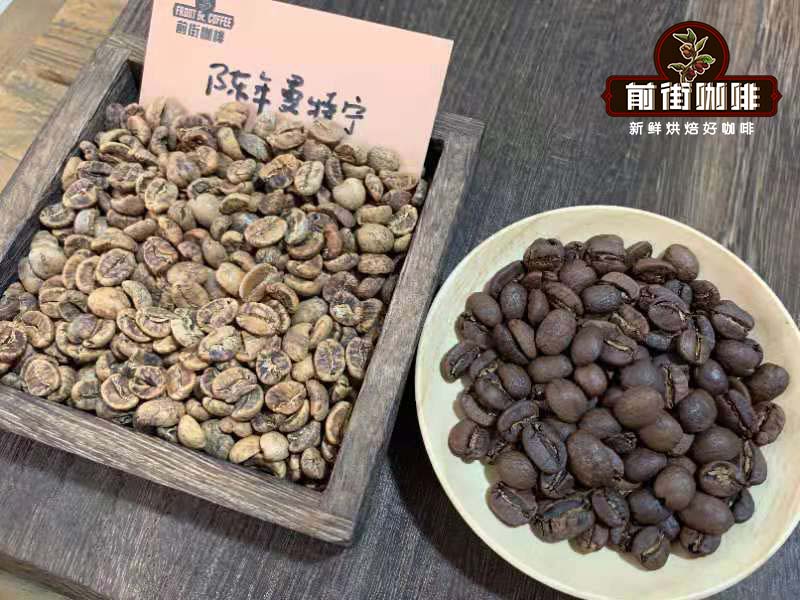
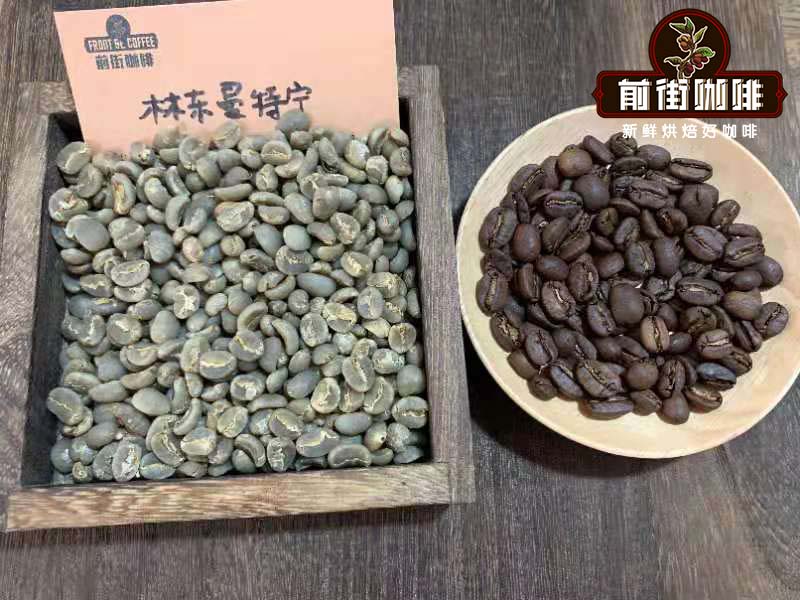
When discussing Indonesian coffee, one cannot overlook Sumatran Mandheling. This highly representative coffee is primarily produced around Lake Toba in northern Sumatra. Depending on the producing region and processing method, it can be divided into Lintong Mandheling, Golden Mandheling, and Aged Mandheling. Lintong Mandheling is known for its strong herbal aroma, Golden Mandheling is meticulously selected with uniform beans larger than 18 mesh, offering a clean and full-bodied taste, while Aged Mandheling undergoes long-term storage aging, resulting in a more intense and profound flavor, though its acceptance varies among individuals.
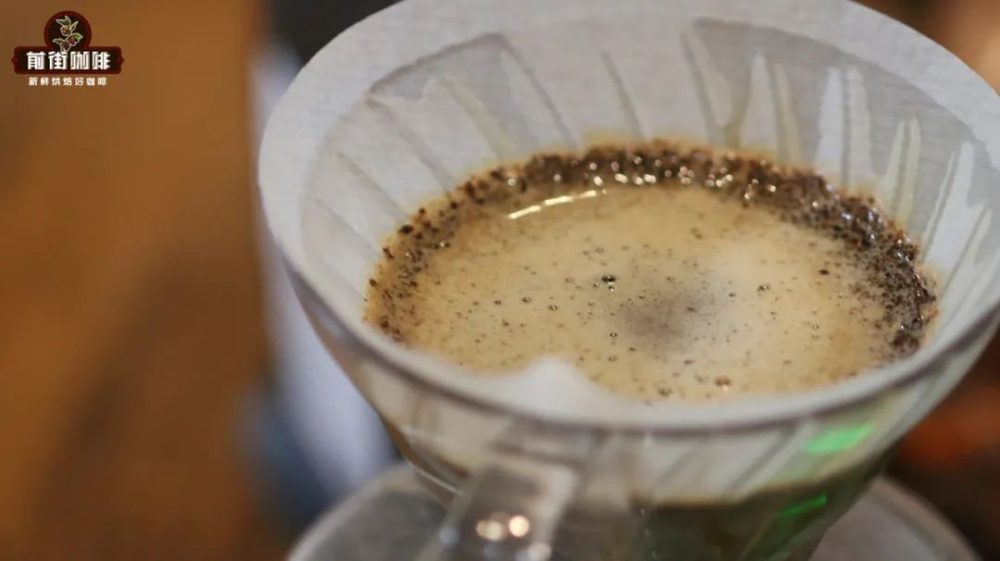
Taking Lintong Mandheling as an example, it is grown at altitudes of 1,100 to 1,600 meters, using Typica and Catucai varieties, and processed with the wet-hulled method. Its flavor profile often features notes of toasted bread, nuts, caramel, pine, and herbs, making it highly suitable for coffee lovers who prefer dark roast flavors. Common pour-over brewing parameters are recommended as follows: use a Kono filter, water temperature around 88°C, 15 grams of coffee grounds, a 1:15 coffee-to-water ratio, and grind size controlled at BG#6W (70–75% passing through a #20 sieve). The Kono filter design reduces airflow, extending the contact time between water and coffee grounds, helping to enhance a full-bodied mouthfeel. Typically, 30 grams of water are used for a 30-second bloom, followed by pulsed pouring to reach 125 grams and then 225 grams, with a total extraction time of about 2 minutes.
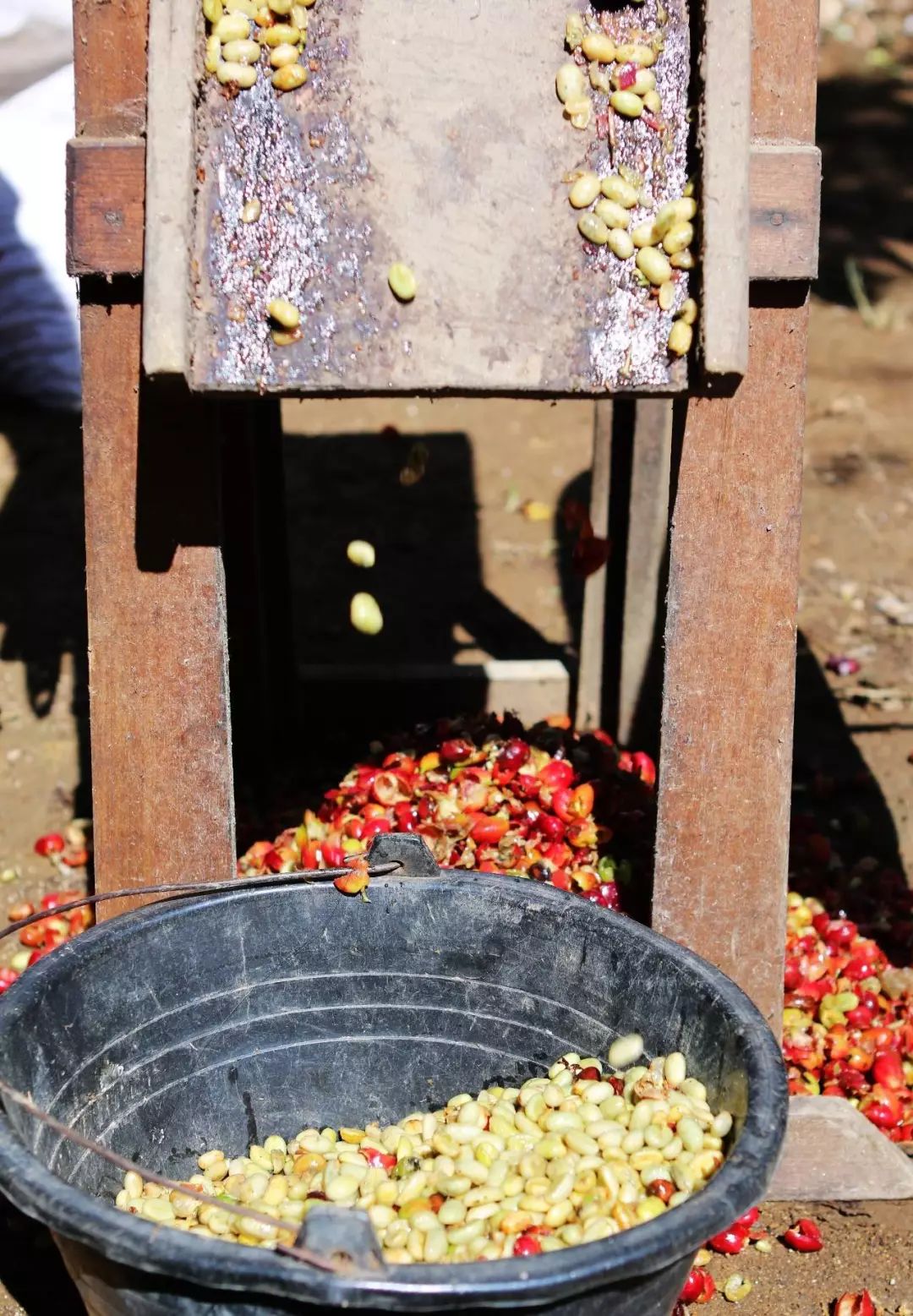
Another noteworthy region is Java Island, particularly Mount Malabar in West Java. The coffee from this area is known for its delicate aroma, low acidity, and smooth mouthfeel. Compared to the boldness of Sumatran coffee, Java coffee presents a more balanced and gentle flavor. The region often utilizes volcanic soils at altitudes above 1,400 meters, paired with the natural (sun-dried) processing method, highlighting bright fruit notes such as berries, plums, and citrus, along with complex aftertastes of cream, hazelnut, cane sugar, and chocolate, even carrying a hint of oolong tea-like aromatic character.
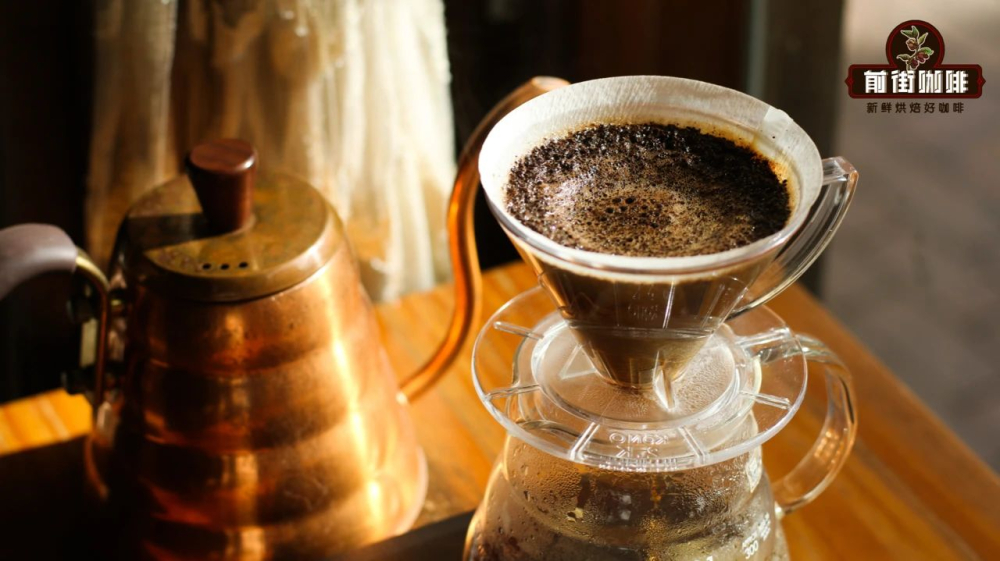
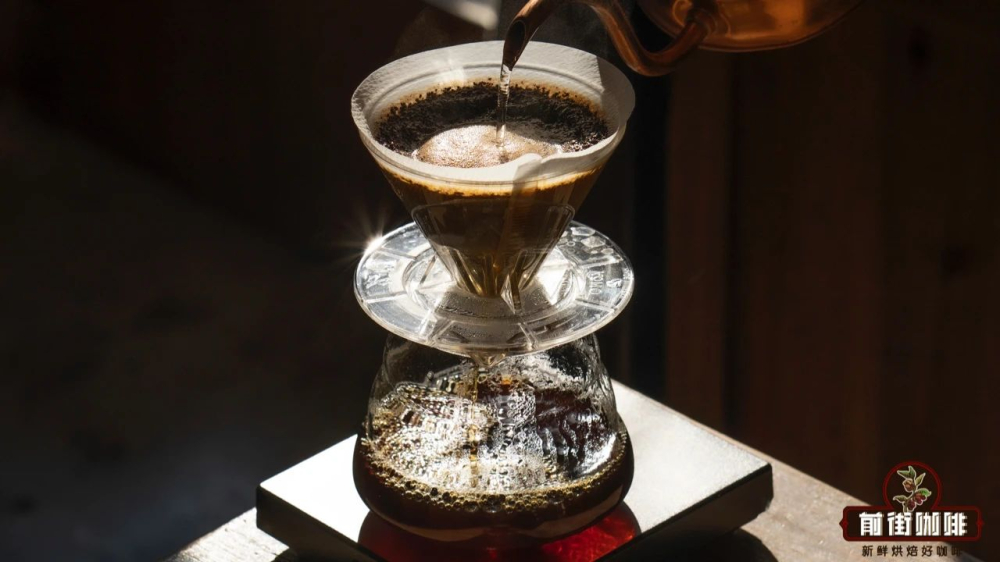
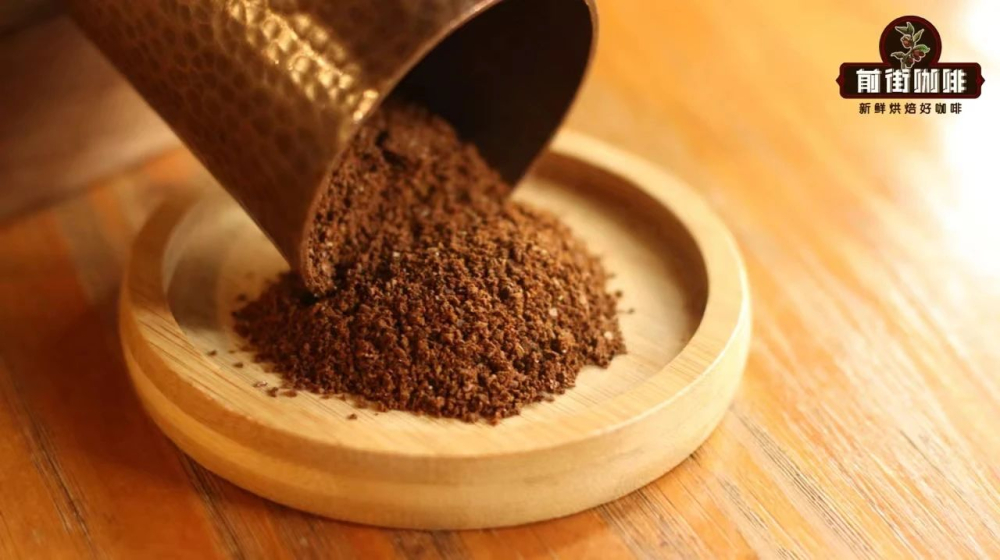
For brewing, it is recommended to use a V60 filter, water temperature at 90°C, 15 grams of coffee grounds, a 1:15 coffee-to-water ratio, and a grind size of BG#6S (70–75% passing through a #20 sieve). Similarly, use 30 grams of water for a 30-second bloom, followed by pulsed pouring to reach 125 grams and then 225 grams, maintaining a total extraction time of around 2 minutes to fully showcase its delicate and balanced flavor profile.
In summary, Indonesia’s three major coffee regions—Sumatra, Java, and Sulawesi—each exhibit distinct terroir characteristics and processing techniques. Whether you prefer the bold, dark roast flavors of Mandheling or the delicate balance of Java coffee, you can find worthwhile pour-over options in these regions. Gaining a deeper understanding of the history, varieties, and processing methods of these regions helps coffee enthusiasts make more personalized choices when selecting and brewing coffee.
The above content is compiled by CoffeeHunters, a coffee news website.

