







Introduction:Grind size is one of the key factors that affect coffee extraction. Whether you're using pour over or espresso, the required fineness of the grind varies greatly depending on the brewing method. This article delves into how to adjust grind size based on brewing equipment and coffee bean roast level, and provides practical parameter references and common mistake reminders to help you find the most suitable grind settings and enhance your coffee's flavor profile.
The importance of grind size to coffee extraction goes without saying. The fineness of coffee grounds directly affects extraction time and extraction yield, which in turn determines the flavor performance of a cup of coffee. Grinding too fine can cause excessive contact between hot water and coffee grounds, leading to over-extraction and bitter, astringent flavors; conversely, grinding too coarse may result in under-extraction, producing a flat and thin cup. Therefore, adjusting grind size according to different brewing methods is a fundamental skill every coffee enthusiast should master.
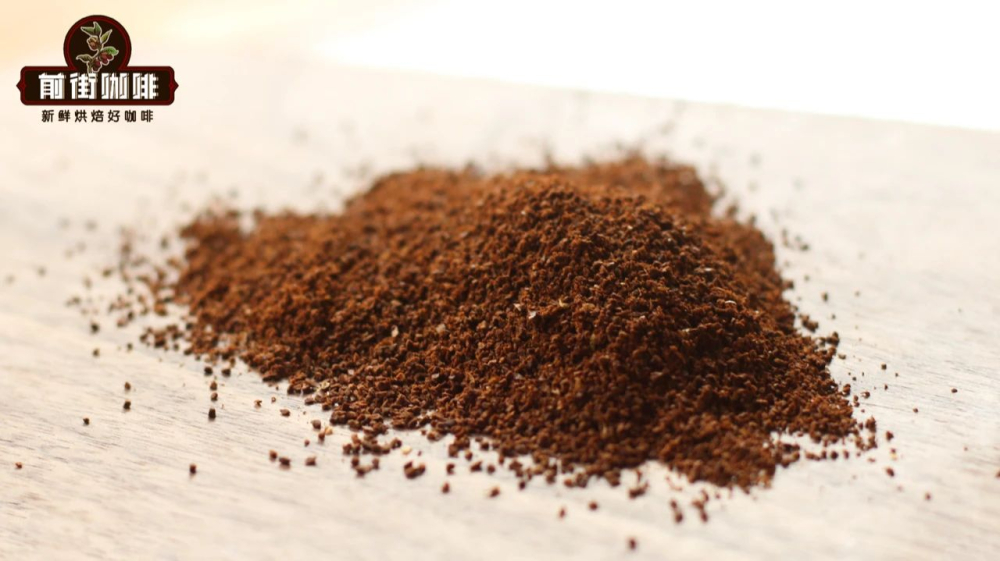
The fineness of coffee grinding significantly impacts the speed of water flow and extraction efficiency. When coffee is ground finer, the coffee bed becomes denser, increasing resistance to water flow, prolonging extraction time, and raising extraction yield. However, this can also extract more unwanted compounds, resulting in an overly intense taste. On the other hand, coarser grinds leave more space between particles, allowing water to flow through more smoothly, shortening extraction time and reducing extraction yield, which may lead to underdeveloped flavors. Mastering this balance is the core of adjusting grind size.

Take espresso, for example. This brewing method requires high-pressure hot water to quickly pass through a compact puck of coffee grounds, so the grind size requirements are extremely strict. The coffee must be ground very fine to create enough resistance for the water to extract the essence of the coffee in a short time. But even with such a fine grind, a high degree of uniformity is essential—otherwise, uneven extraction can occur, affecting the taste. It’s worth noting that different grinders have varying scale designs, and even seemingly minor adjustments can have a significant impact on the final extraction results.

The roast level of coffee beans also influences the choice of grind size. Dark-roasted beans have a disrupted fiber structure, making them easier to extract. Therefore, it’s recommended to use a slightly coarser grind to avoid the bitterness caused by over-extraction. Light-roasted beans, on the other hand, have more intact fibers and a firmer structure, requiring a finer grind to promote proper extraction. However, care should also be taken to avoid the overly sharp flavors that can come from over-extraction. Understanding the relationship between roast level and grind size can help you adjust parameters more precisely.

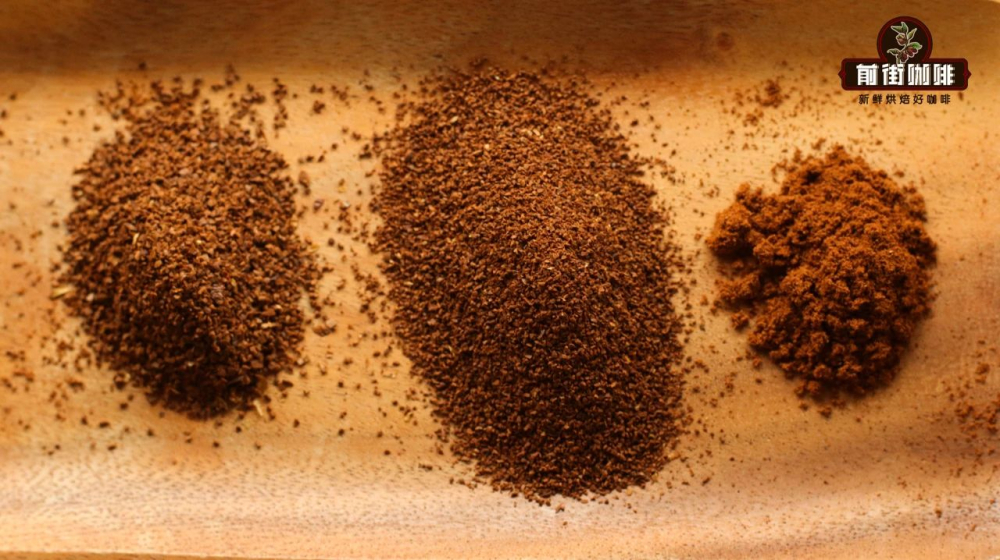
Different brewing devices also have varying grind size requirements. From the finest Turkish coffee to the coarsest French press, the choice of grind size directly affects the extraction outcome. For instance, Turkish coffee calls for an extra-fine grind, almost like flour, while a French press requires a grind as coarse as sea salt. Generally speaking, the order of grind fineness from fine to coarse is: Turkish coffee, espresso machine, moka pot, pour over, siphon, and French press. Knowing these differences allows you to select the most suitable grind settings for the equipment you’re using.
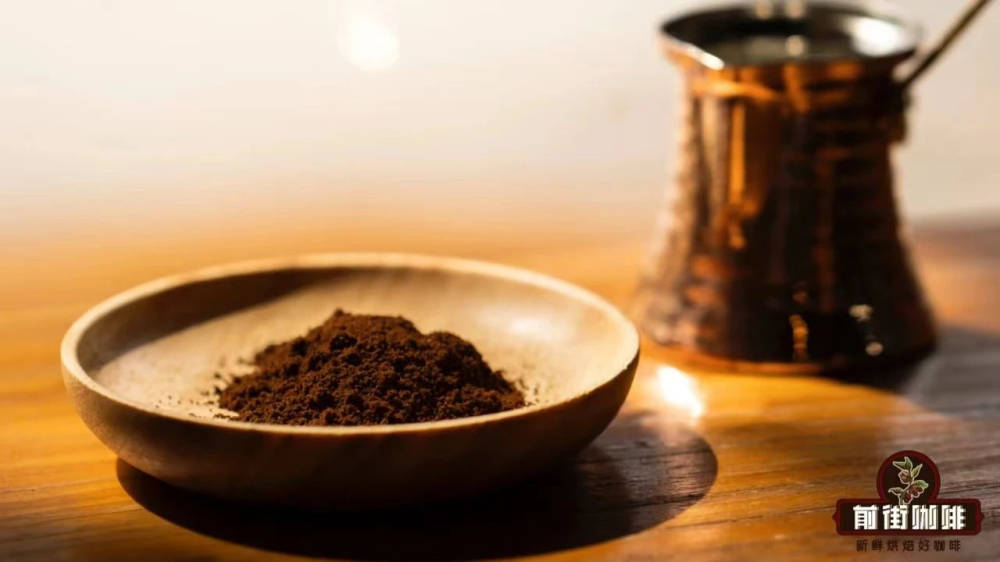
To be specific, the Turkish coffee method requires the finest grind, nearly flour-like (around 200 microns), while pour over and siphon methods call for a medium grind similar to sand grains (around 600 microns). The French press requires an even coarser grind (around 850 microns), akin to the texture of sea salt flakes. According to research by the Specialty Coffee Association of Europe, there are also significant differences in coffee particle sizes across brewing methods: French press around 100–300 particles (diameter 0.7 mm), pour over and siphon around 1,000–3,000 particles (diameter 0.35 mm), espresso about 3,500 particles (diameter 0.05 mm), and Turkish coffee is ground so fine that each particle is divided into 15,000–35,000 micro-particles.
When adjusting grind size, don’t get too fixated on exact scale numbers, as parameters may vary slightly between grinders, and factors such as coffee bean hardness, density, and roast level will also influence the optimal grind setting. It’s recommended to start with the initial suggestions from your grinder’s manual or by asking the retailer, then fine-tune based on actual extraction results. Focus on observing extraction time and coffee flavor performance to find the balance point that suits your personal taste best.

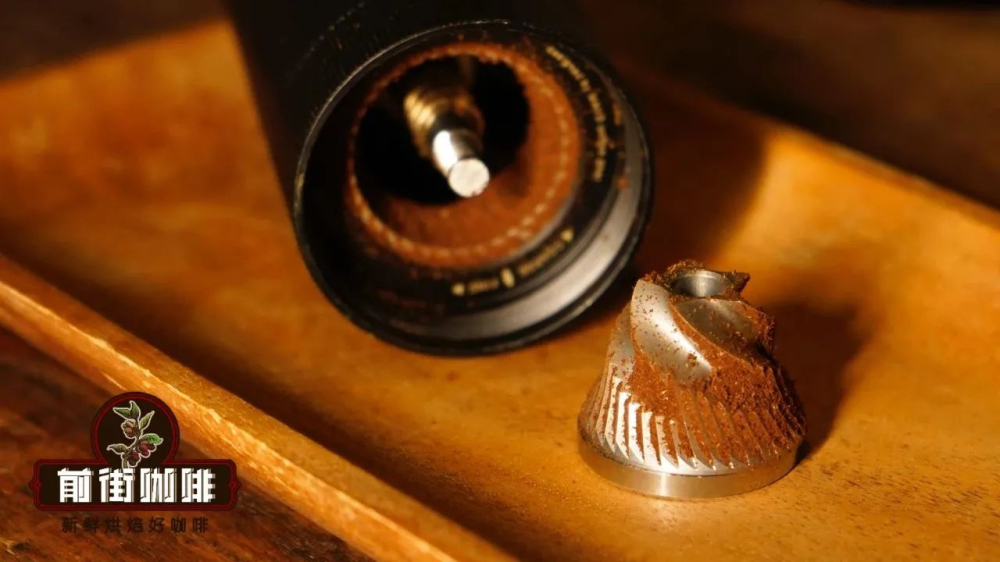
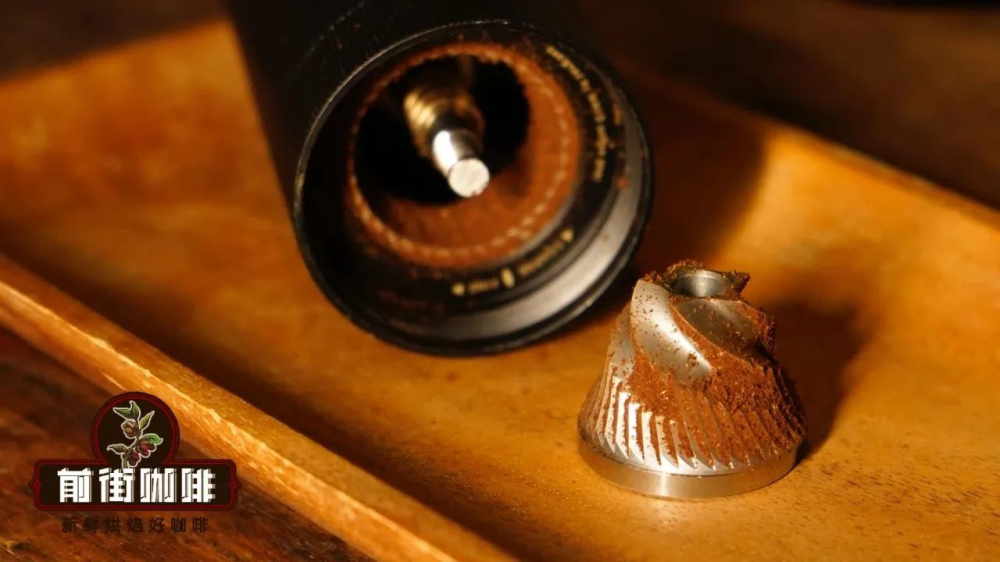
Finally, don’t forget to regularly maintain your grinder. The burrs are consumable parts, and over time they can accumulate oil and residue, affecting grind uniformity and fineness. Regularly removing and cleaning the burrs, and replacing them when necessary, is an important step in maintaining consistent coffee flavor. As long as you grasp these basic principles, you’ll be able to easily adjust to the most suitable grind size and enjoy every cup of exquisitely flavorful coffee.
The above content is compiled by CoffeeHunters, a coffee news website.


