







Introduction:As specialty coffee gradually becomes part of daily life, more and more office workers and students are turning to flavorful pour over black coffee. Due to its simplicity and ability to preserve freshly ground flavor, drip bags have become the top choice for many. This article explains the correct way to brew with drip bags, analyzes the key reasons behind whether they can be reused, and takes you step-by-step through making your own custom drip bags at home, so you can easily master the essentials of extraction and practical tips.
In recent years, specialty coffee has gained increasing popularity among younger demographics. Whether it’s busy office workers, students, or even high schoolers, many have started trying pour over coffee. Compared to the monotonous flavor of instant coffee, freshly ground specialty coffee offers a richer aroma profile, and particularly refreshing black coffee has become especially popular. However, for people with fast-paced modern lifestyles, drip bags are undoubtedly one of the most convenient options.
If you don’t want to buy ready-made drip bags from stores every time, many coffee enthusiasts choose to make their own at home. As long as you have a grinder, drip bag filters, an electronic scale, a sealer, and a small spoon, you can use freshly roasted coffee beans to create your own customized drip bags with even better flavor, while also ensuring that no aroma is lost.
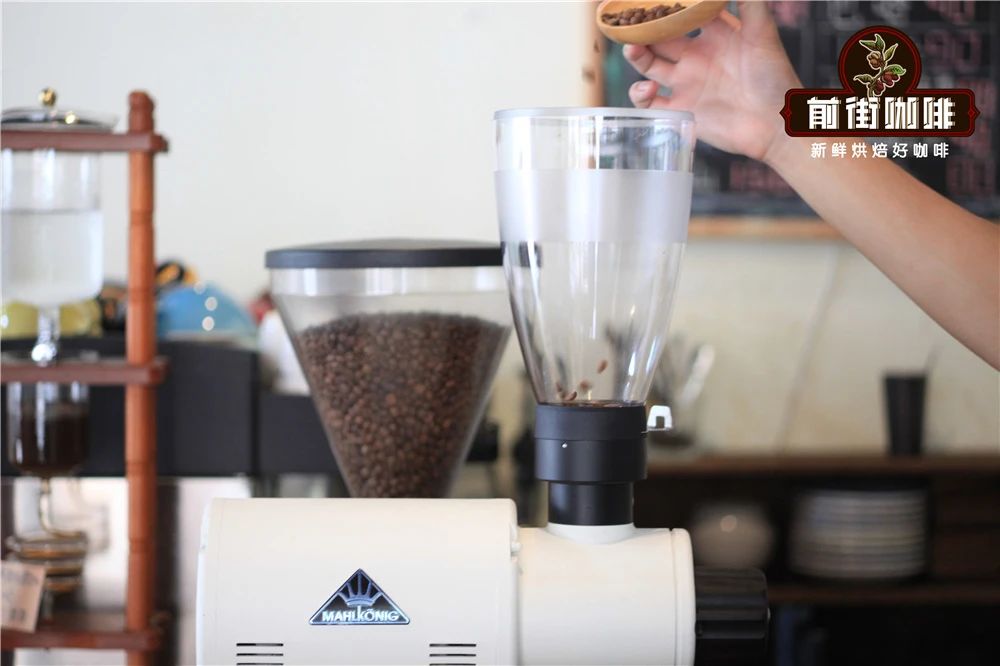
The first step in making drip bags is selecting your favorite coffee beans and adjusting the grinder setting according to your pour over needs. Grind the beans to a coarseness suitable for pour over extraction—this step greatly influences the final flavor.
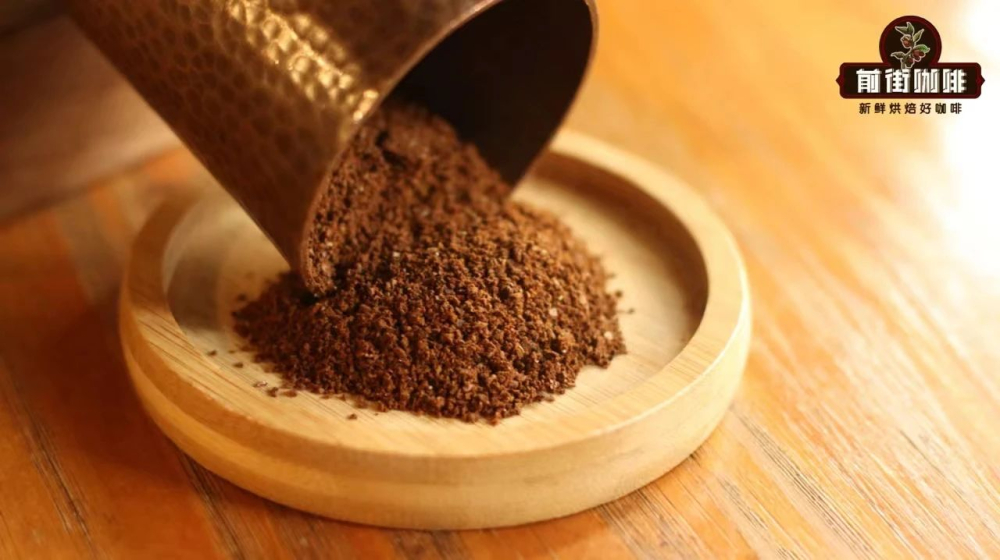
For example, a Yirgacheffe Red Cherry coffee bean from Ethiopia, processed using the natural method, exhibits rich berry-like acidity and sweetness with a honey-like finish. This bean has an approximately 80% passing rate on a Chinese No. 20 sieve, corresponding to a recommended setting of 10 on the electric grinder EK43s, or 24 on the hand grinder C40—similar in coarseness to fine sugar granules—which can bring out the best extraction balance.
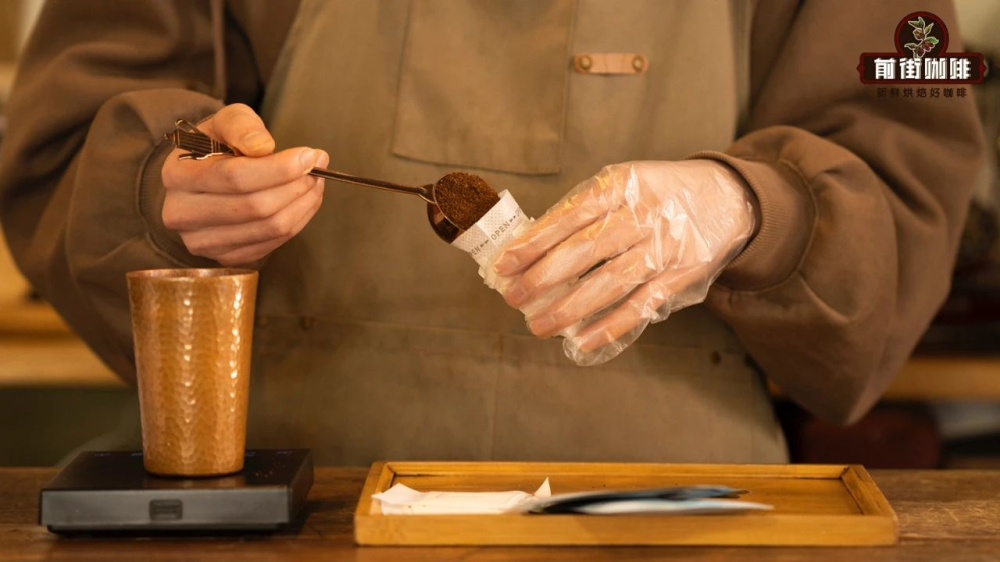
Next, place the ground coffee on the electronic scale and prepare the drip bag filter. It is generally recommended to use 10 grams of coffee per bag. Carefully fill the powder into the filter bag using a small spoon, ensuring even distribution and avoiding clumps that could affect subsequent extraction.
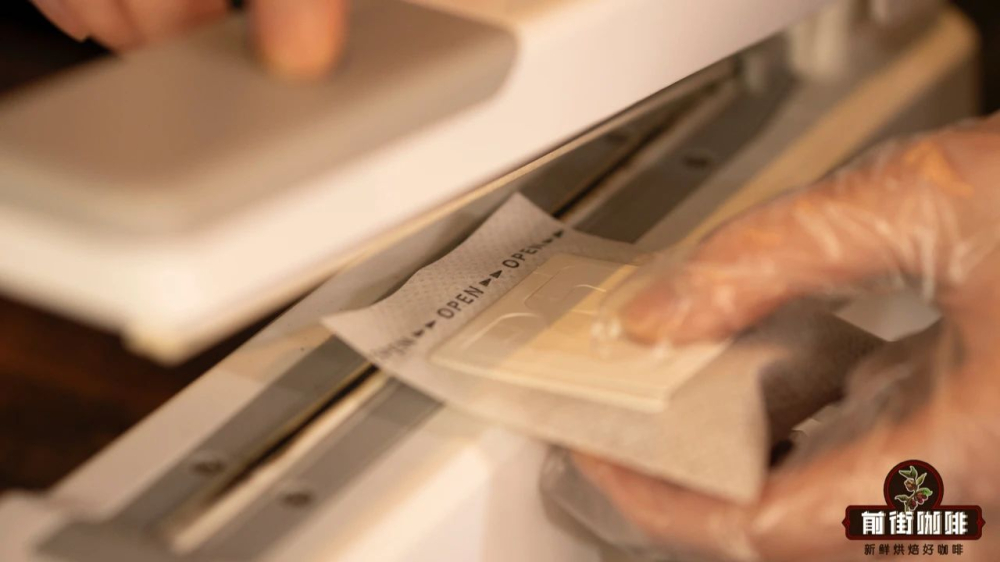
After filling, use the sealer to heat-seal the horizontal line at the opening of the drip bag filter, ensuring the powder bag is tightly closed and leak-proof. To maintain the freshness and aroma of the coffee grounds, it is recommended to store your homemade drip bags in a light-proof, cool, sealed pouch to effectively prevent moisture and odors from affecting them.
As for brewing techniques, many users report that the flavor of drip coffee brewed at home is not as good as expected. In fact, aside from the freshness and grind size of the coffee beans, water temperature and pouring technique are key. The right temperature and even pouring can effectively highlight the layers and aroma of the coffee.
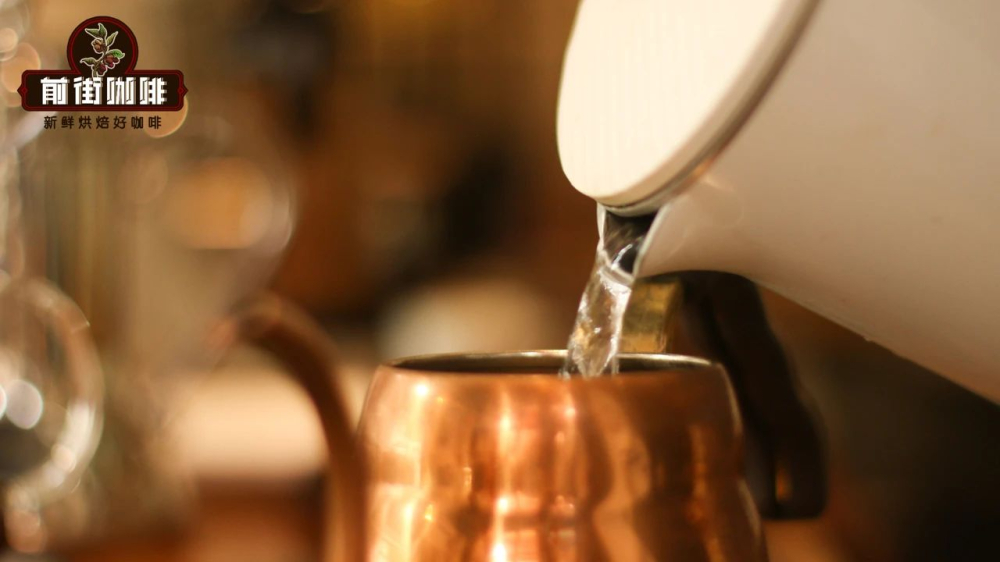
Taking a common 10-gram Yirgacheffe drip bag as an example, each bag can yield approximately 120–130 milliliters of coffee liquid. It is recommended to use a tall-rimmed container such as a mug, which helps control the angle and flow rate of the pour. First, boil the water and prepare your pouring kettle and coffee cup.
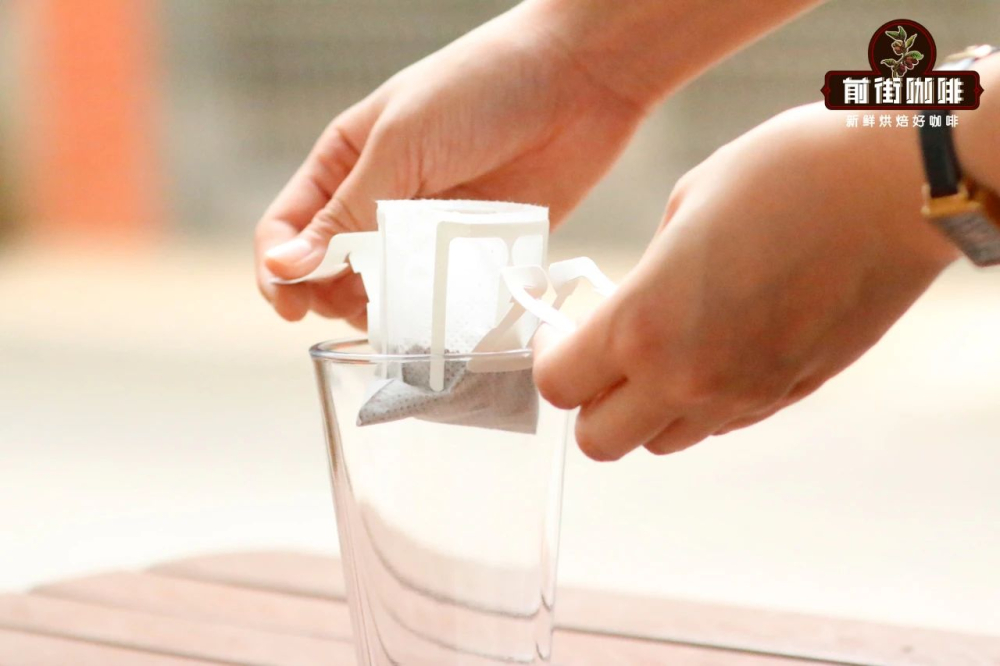
The first step is pre-wetting, also known as blooming. Pour a small amount of hot water just enough to cover all the coffee grounds and let it sit for about 10–20 seconds. This allows the coffee grounds to release carbon dioxide, helping subsequent extraction to be more stable and the flavor more vibrant. After blooming, continue pouring with a steady small stream of water until the liquid level approaches the upper edge of the filter bag, then pause briefly to let the coffee liquid fully drip through.
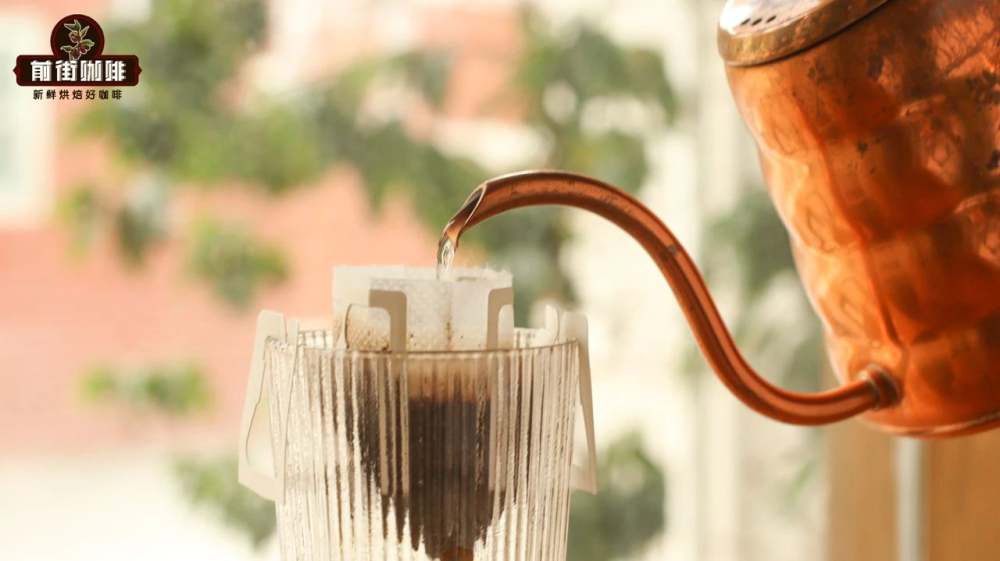
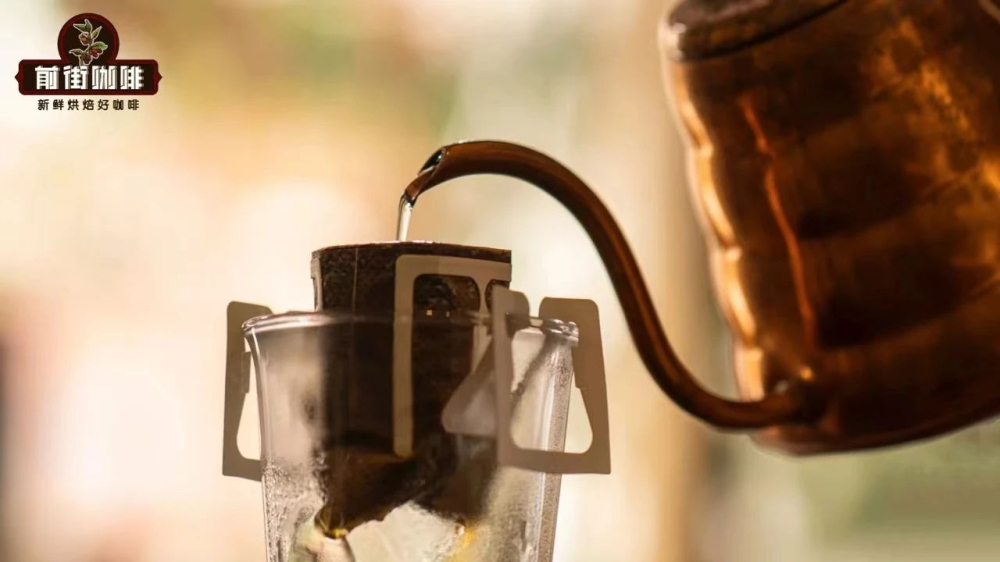
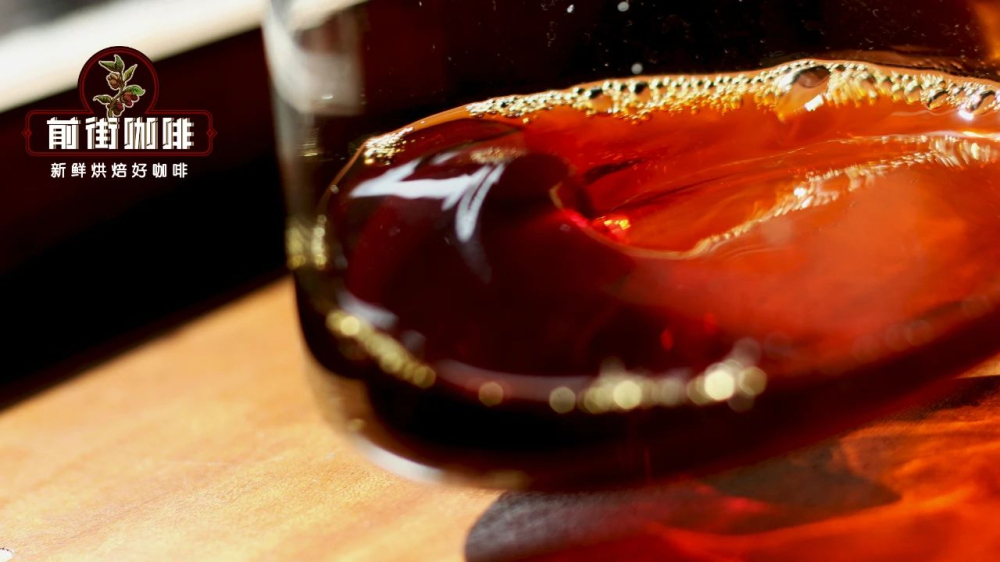
The final pour also fills the filter bag, with the total water volume controlled at around 150 grams. There’s no need for overly precise measurement—just ensure that all the coffee grounds are evenly extracted. Once the coffee liquid has completely dripped through, gently swirl to enjoy the pure flavor of black coffee.
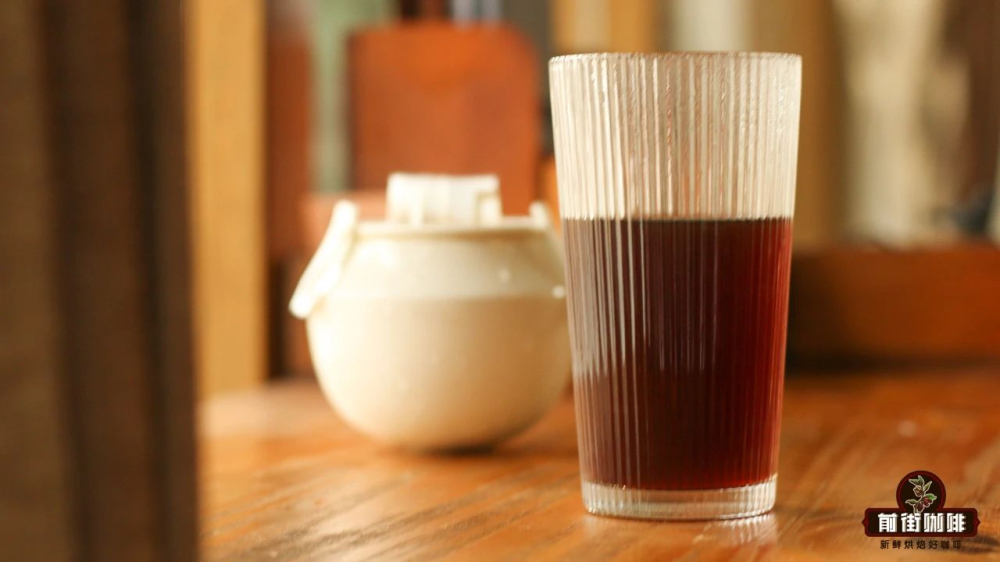
As for whether it can be reused, the answer is usually no. Because the first pour extracts most of the soluble aromas and flavor compounds, the second pour will only extract more bitter components, resulting in noticeably weaker flavor and lack of complexity. Therefore, it is not recommended to reuse drip bags.
The above content is compiled by CoffeeHunters, a coffee news website.


