








Introduction:Drip bags offer an excellent balance between pour over and instant coffee, preserving the original flavors of the beans while simplifying the brewing process. This article delves into the correct way to brew drip bag coffee, including key parameters such as water temperature control, coffee-to-water ratio, and blooming time. It also provides examples of common mistakes and tips for improvement. Additionally, we’ve handpicked ten premium drip bag coffees from different regions, featuring classic flavor profiles such as Yirgacheffe, Kenya, and Mandheling. Each is accompanied by a detailed flavor description to help you find your perfect match.
Even when using the same coffee beans, there are still differences in flavor expression between freshly ground coffee and drip bags. Once coffee grounds are exposed to air, volatile aromatic compounds dissipate quickly. Therefore, it is professionally recommended to brew the coffee soon after grinding. Compared to pour over, drip bags provide a more convenient solution, especially for coffee lovers with limited time who still seek quality.
Common drip bag coffees on the market showcase diverse regional flavors, including the citrus notes of Yirgacheffe, the rich chocolatey profile of Brazilian beans, the bright acidity of Kenyan coffee, and the herbal-spicy character of Mandheling.Image placeholder: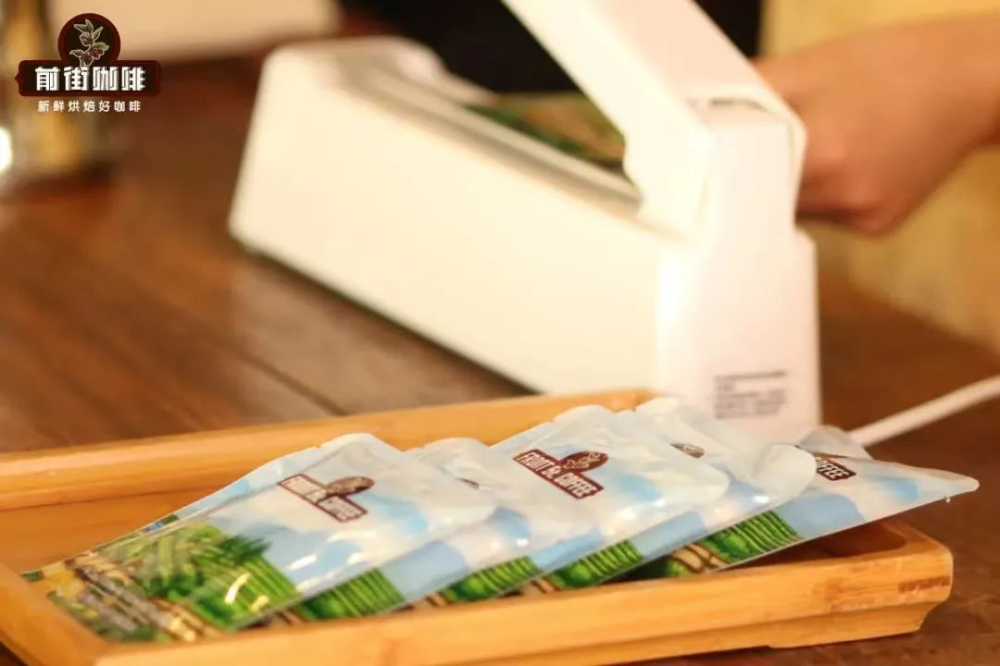
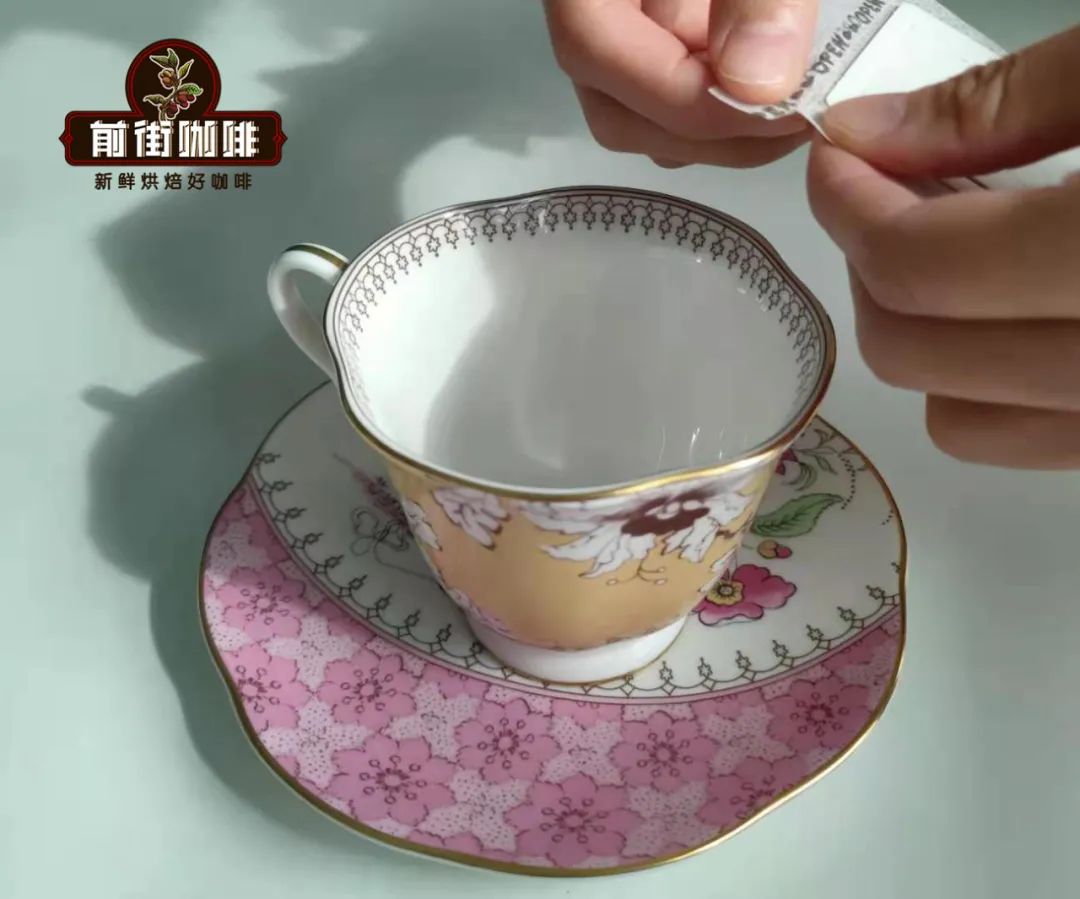
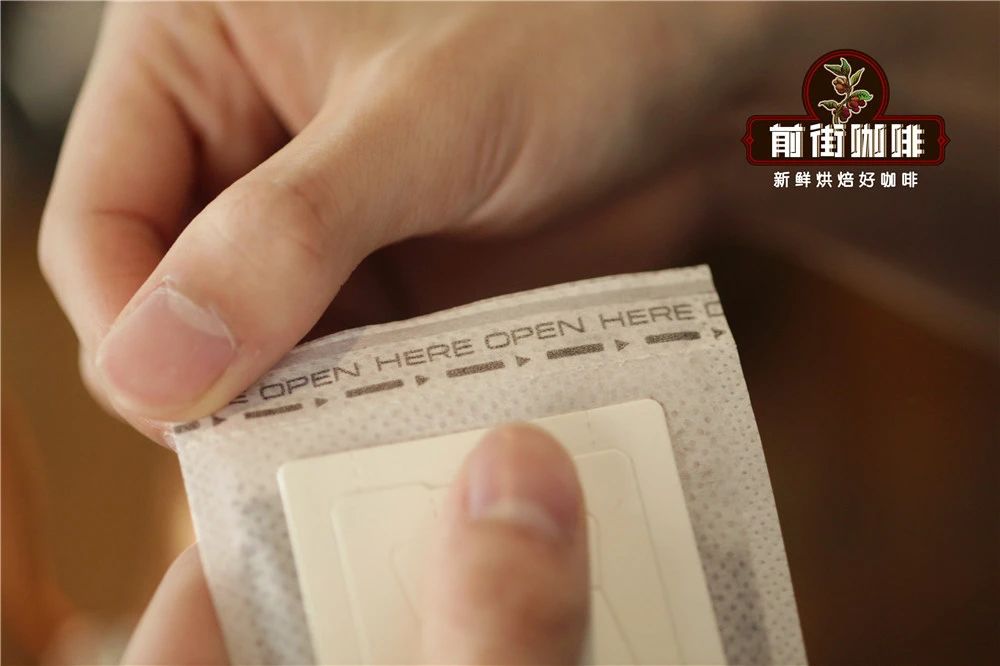
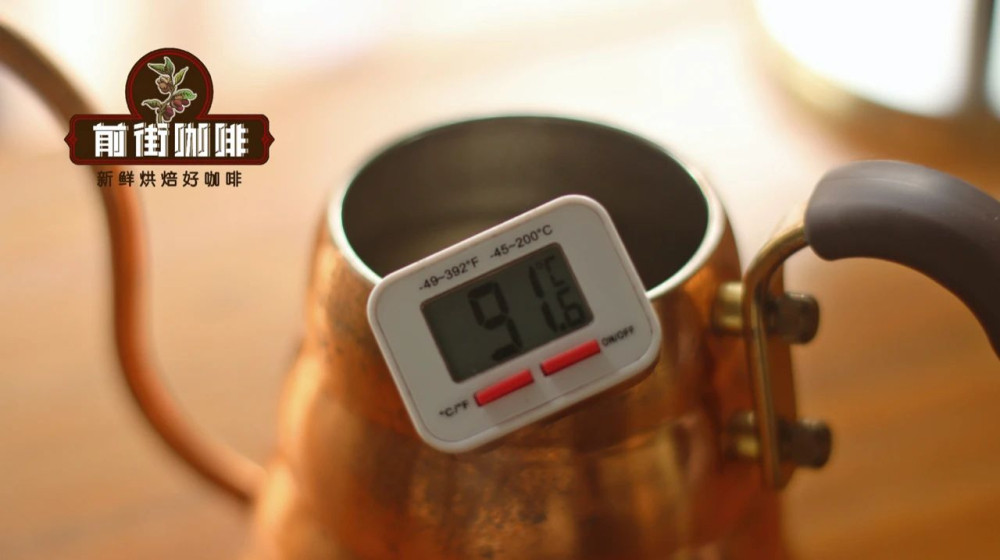
The steps to correctly brew drip bag coffee may seem simple, but they involve several key details. First, open the package along the tear line, noting that the cup opening should not be too large to ensure stability. Pour approximately 90°C hot water and let it bloom for 20–45 seconds—this stage fully awakens the aromatic molecules in the coffee grounds. A golden coffee-to-water ratio of 1:15 (10 grams of coffee to 150 milliliters of water) is recommended, though you can adjust the strength slightly based on personal taste preference.Image placeholder: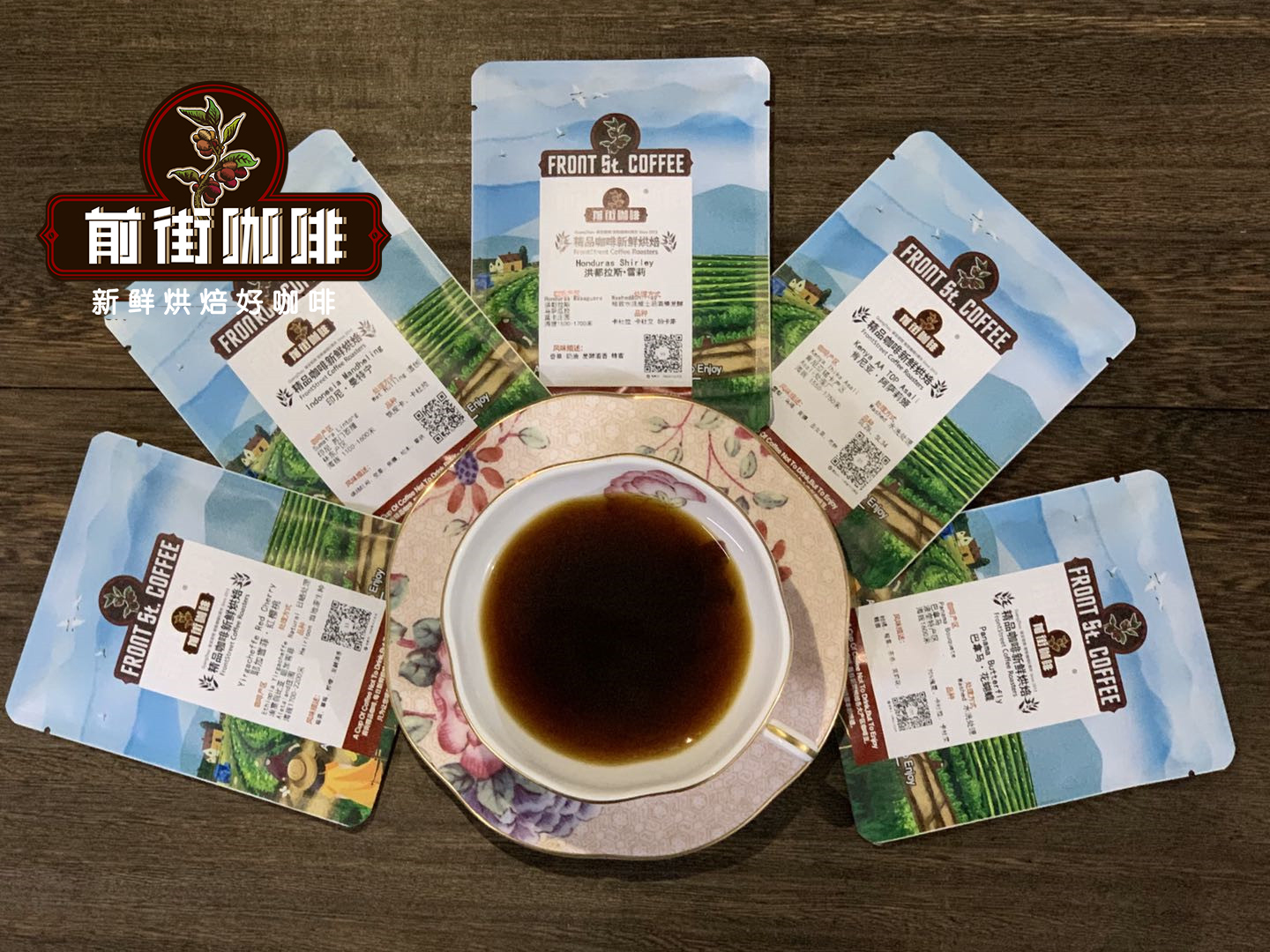
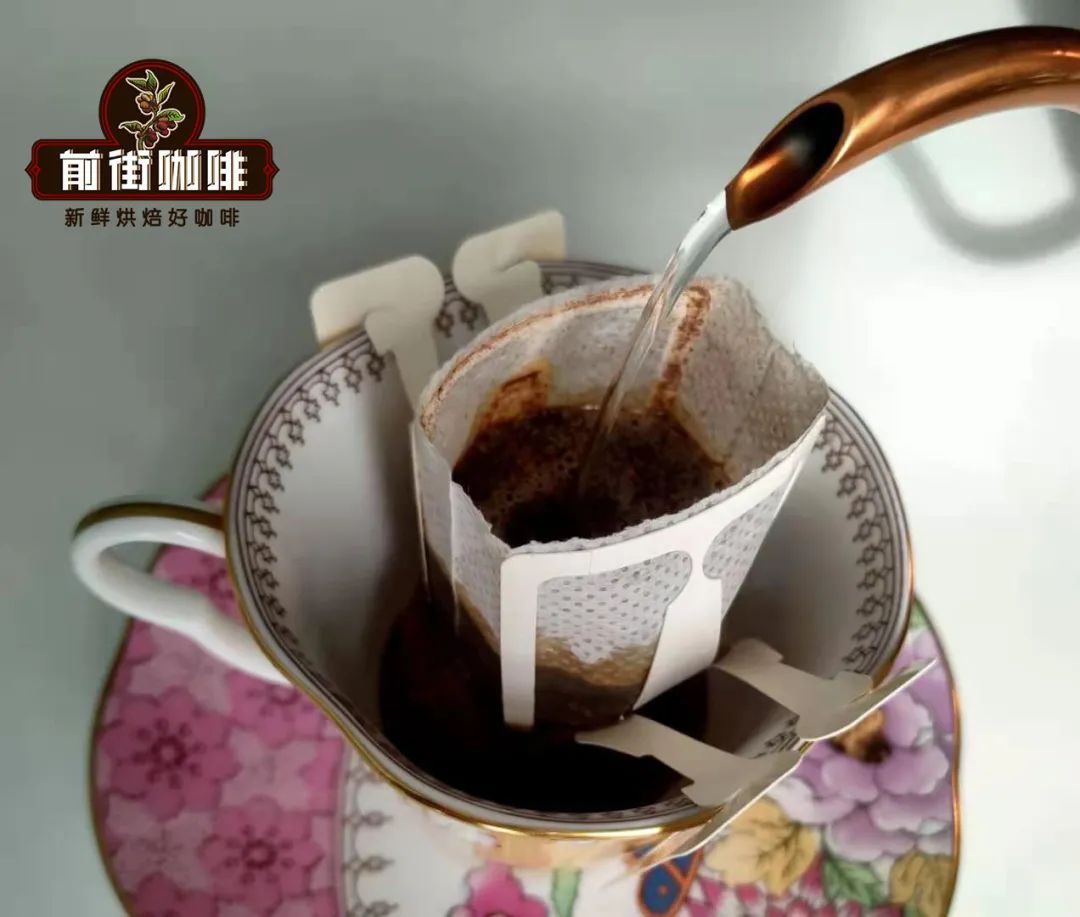
Maintaining a steady, circular water flow during brewing is a key technique—there’s no need for deliberate pulse pouring. Remove the drip bag promptly after brewing to avoid over-extraction, which can negatively affect the taste. If you prefer milk coffee, consider increasing the coffee concentration to a 1:8 to 1:10 ratio and pairing it with an appropriate amount of milk foam to make a simple latte.Image placeholder: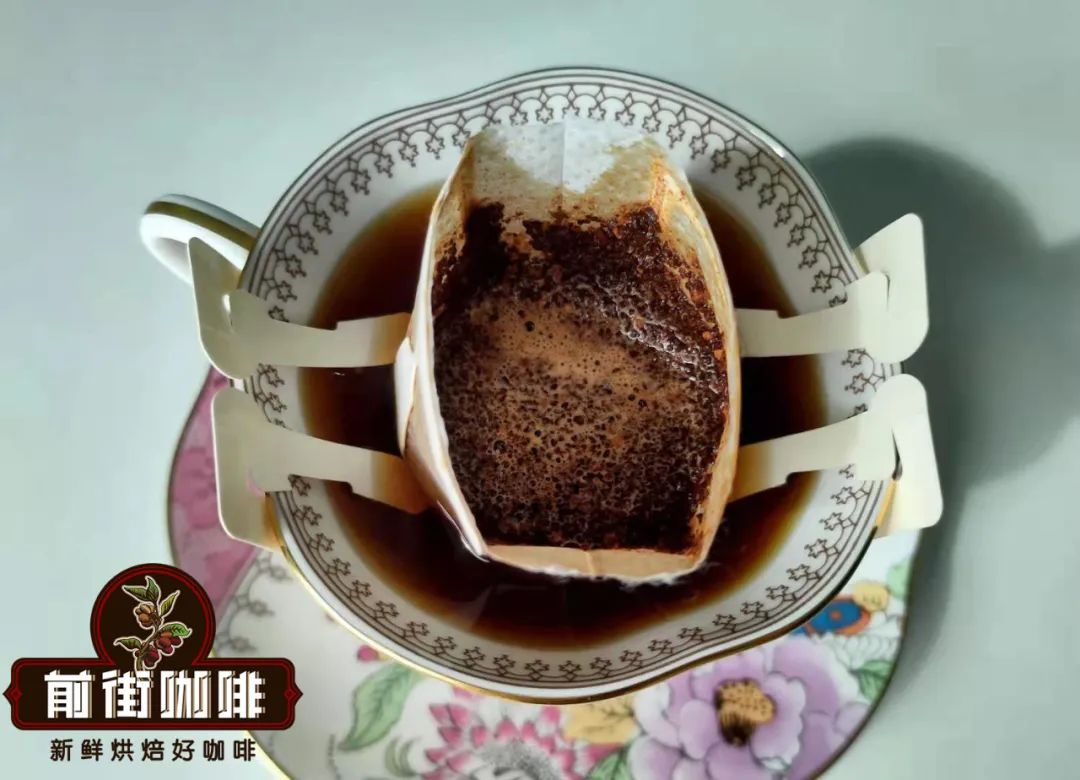
Common mistakes in brewing drip bag coffee include: mistakenly pouring out the coffee grounds directly to drink (as if it were instant coffee), brewing without tearing the sealed opening leading to under-extraction, soaking the drip bag like a tea bag, and reusing an already-brewed filter bag. These practices can severely impact the flavor profile of the coffee and may even produce unpleasant off-notes.Image placeholder: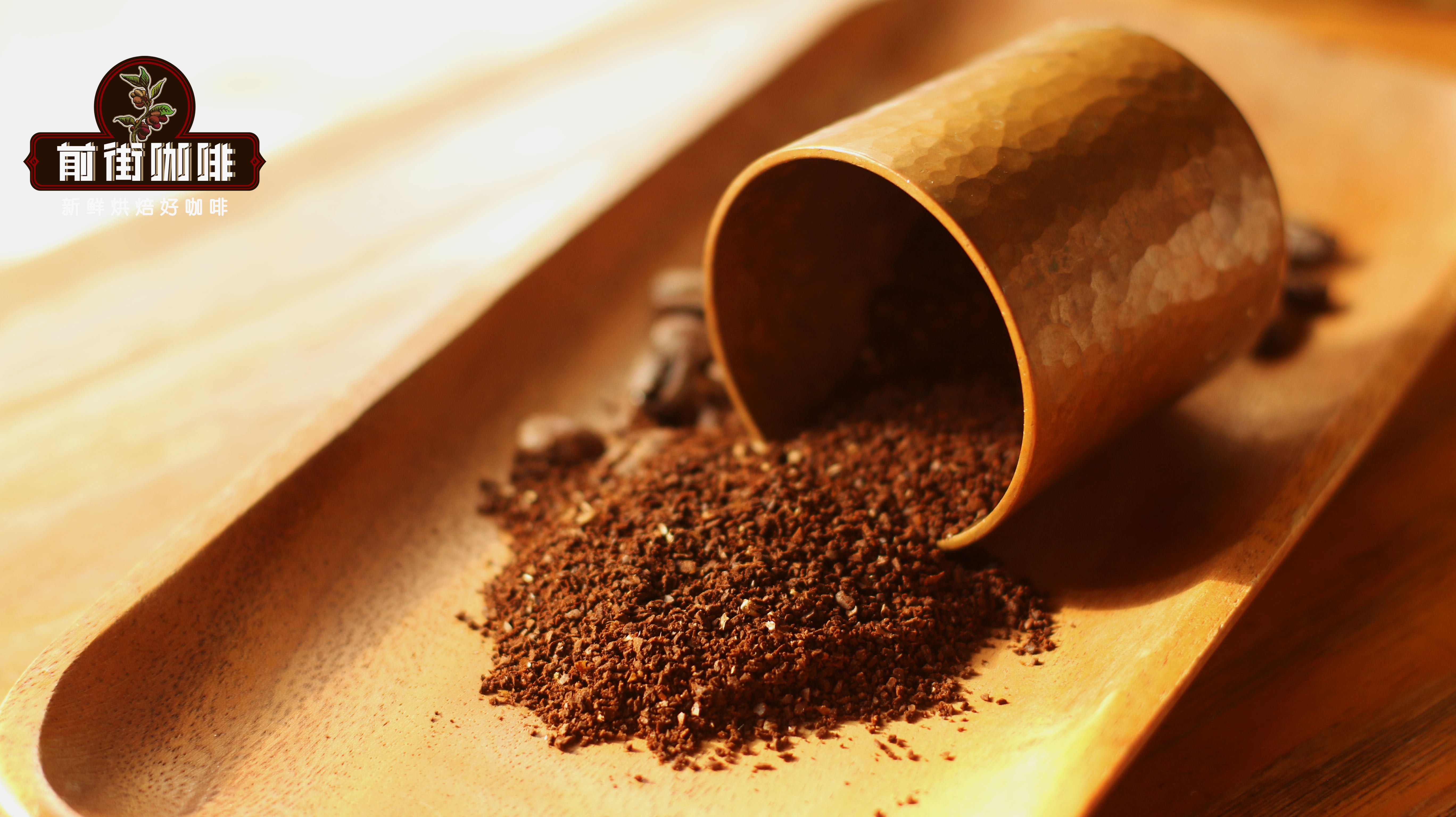
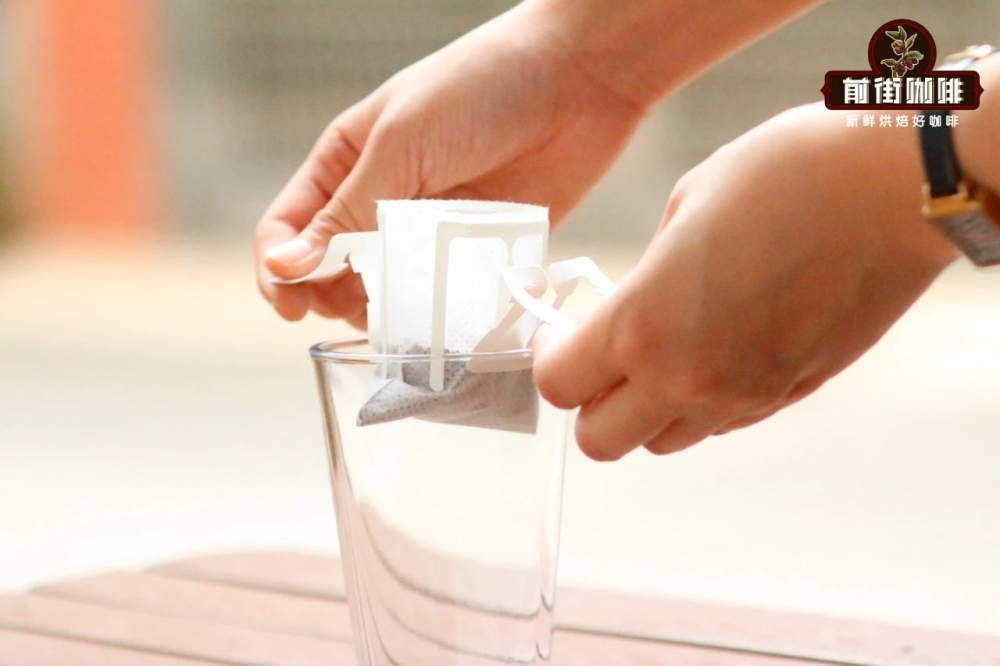
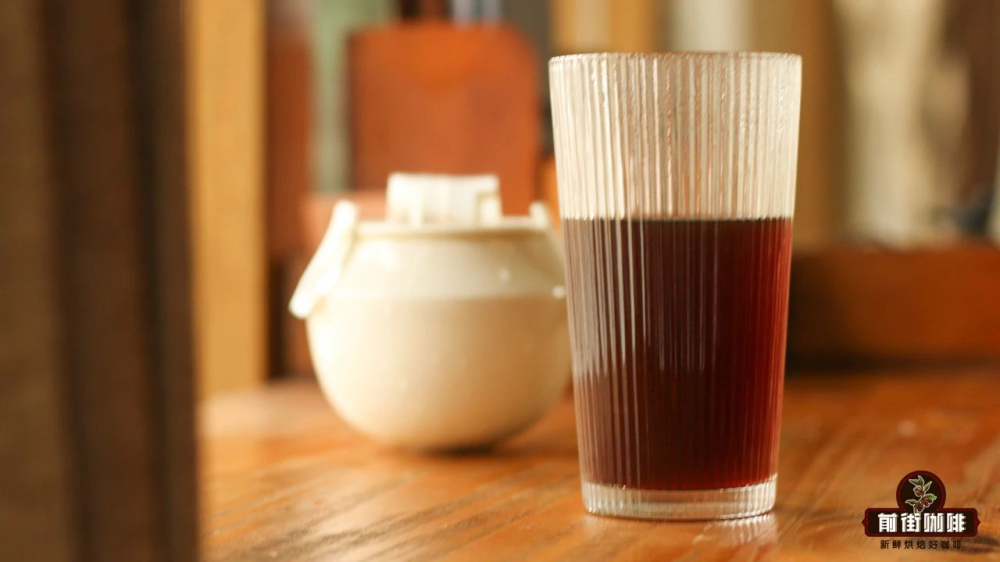
Three professional tips to elevate the quality of your drip bag coffee: use a narrow-spout kettle to control water flow stability, precisely measure the coffee-to-water ratio (a marked measuring cup is recommended), and monitor the water temperature within the 80–95°C range. The ideal water temperature balances extraction efficiency and flavor expression—too high may release bitter and astringent impurities, while too low may lead to under-extraction.Image placeholder: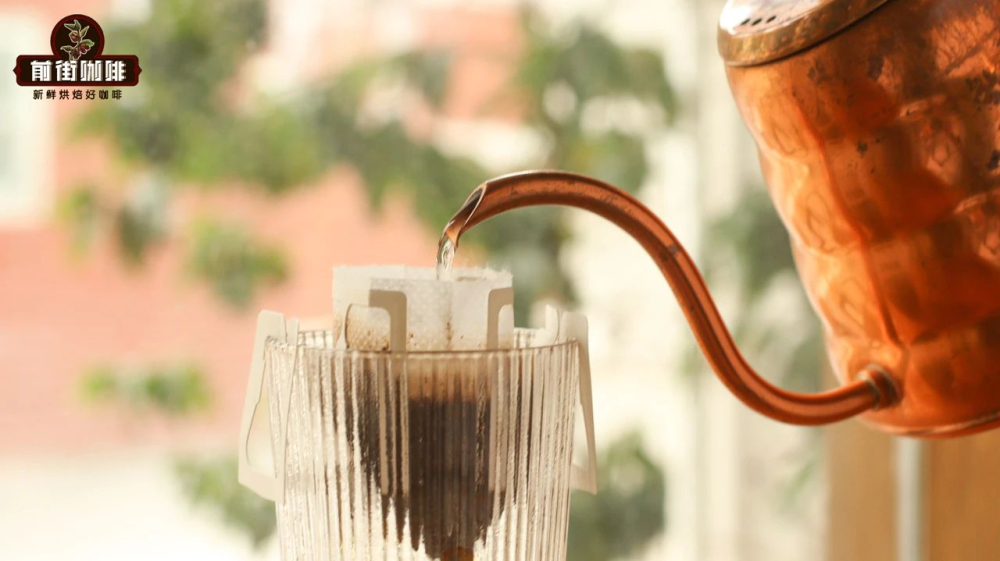
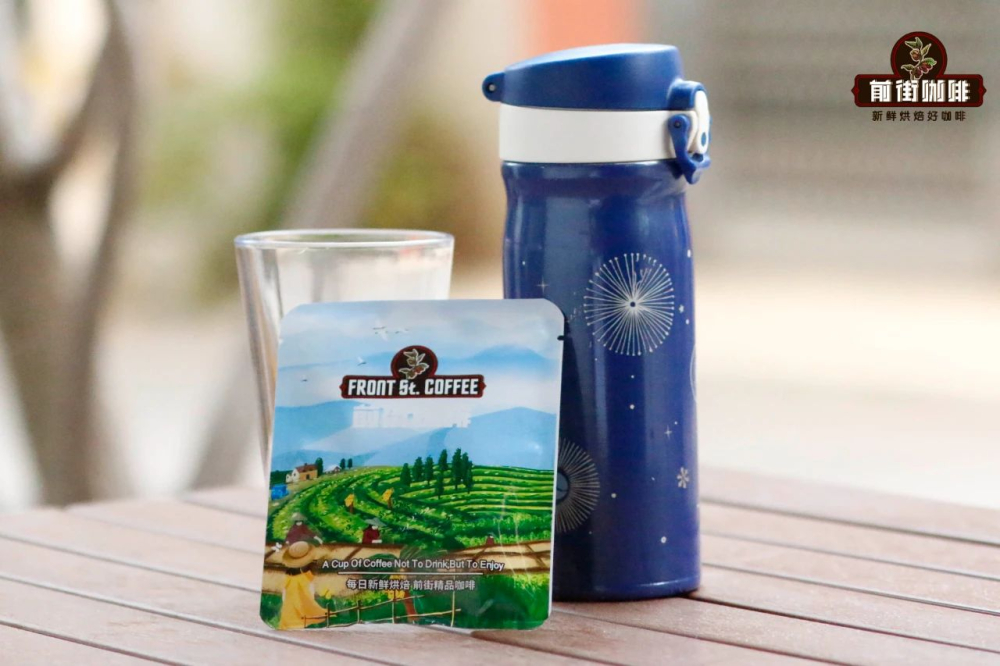
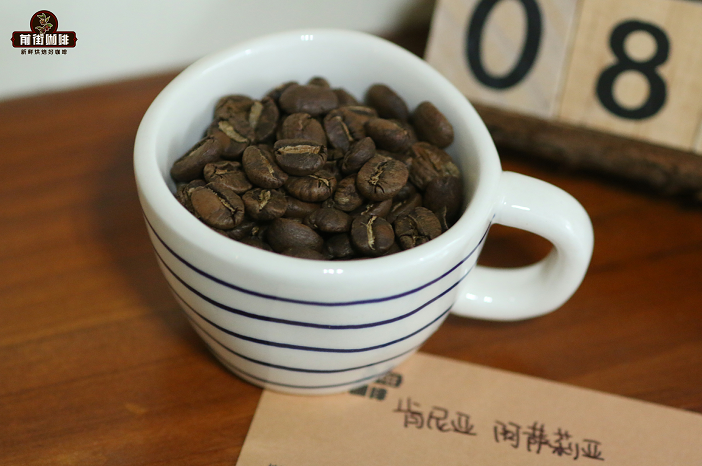
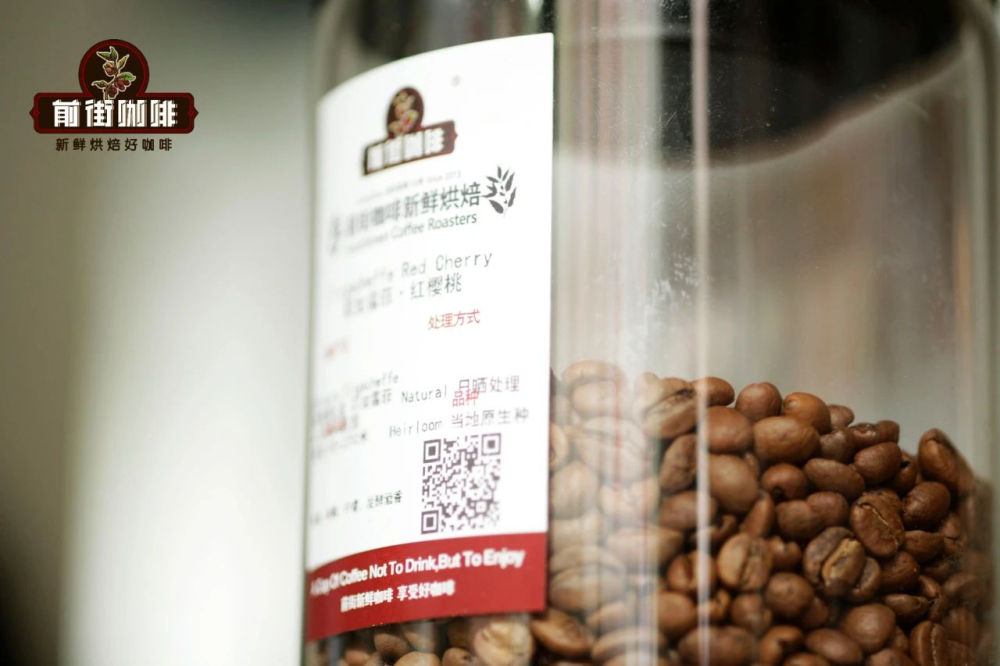
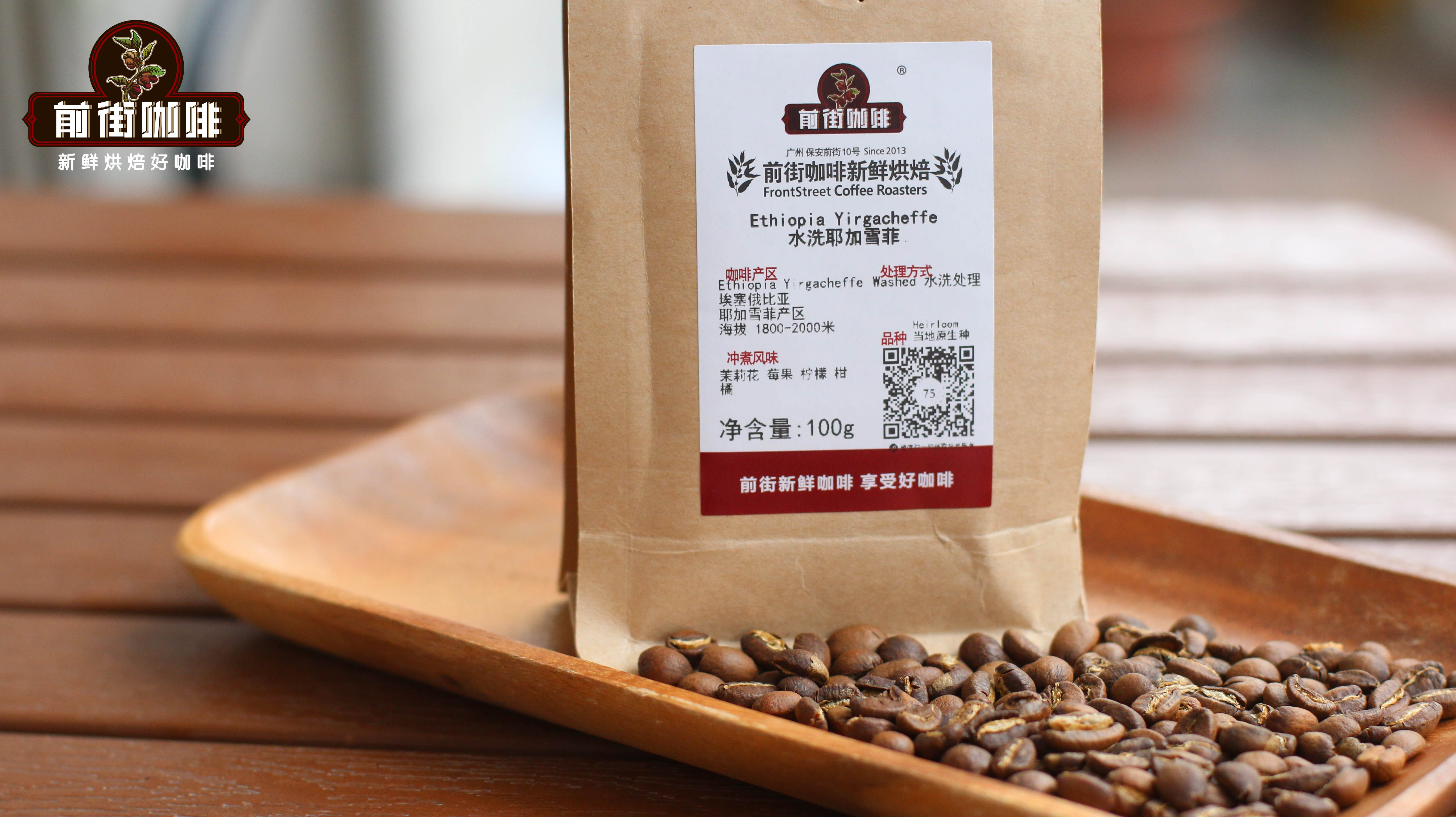
Below are ten featured drip bag coffee recommendations, each showcasing unique regional terroir characteristics: Panama Hua Hu Die (Butterfly) blends Geisha lineage to present citrus and floral notes; Kenya Asaliya, with 72-hour long fermentation, delivers dark plum and berry acidity; Ethiopia Yirgacheffe Red Cherry (Sun-Dried) features distinct fermented wine-like aromas; Indonesia Mandheling, processed with the wet-hulled method, exhibits herbal and dark chocolate tones; Brazil Cerrado Red Bourbon is known for its low acidity and nutty profile.Image placeholder: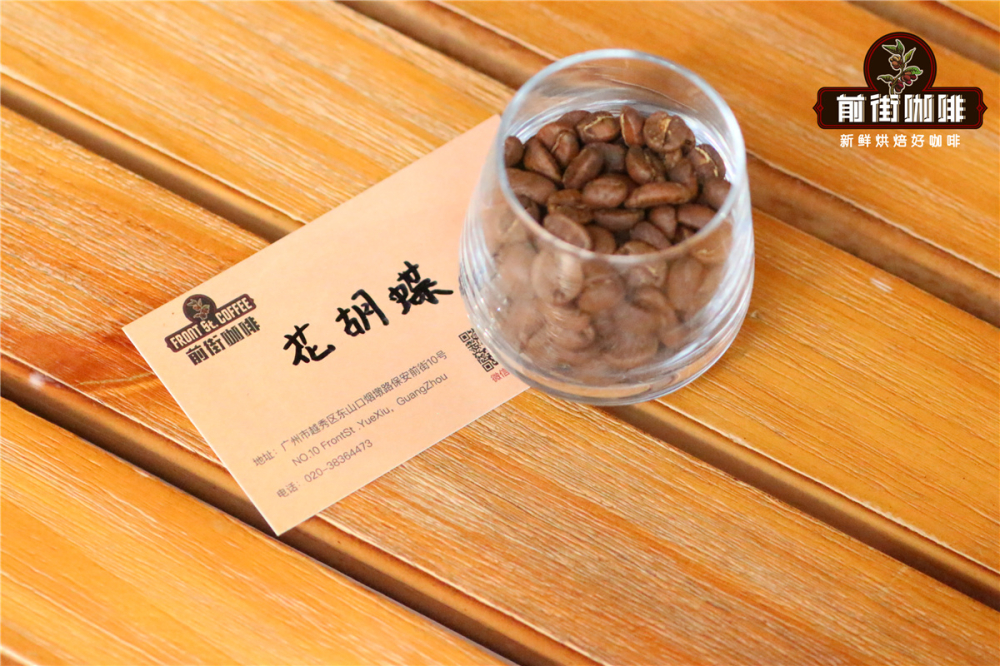
The above content is compiled by CoffeeHunters, a coffee news website.


