







Introduction:Geisha coffee is renowned for its distinctive floral and fruity aromas and high price, but how do Geishas from Panama and Ethiopia differ? This article delves into the varietal origins of Geisha from both regions, the classification systems of Hacienda La Esmeralda and Gesha Village, and provides expert pour over parameters and flavor descriptions to help coffee enthusiasts choose the Geisha that suits them best.
When it comes to Geisha coffee, many people’s first impression is “expensive” and “bursting with floral and fruity notes.” Compared to regular coffee, drinking Geisha feels more like savoring a carefully crafted floral and fruit tea—its flavors are elegant and refined, forming a striking contrast to the traditional perception of Blue Mountain coffee. What exactly makes Geisha so special? The answer lies not only in the variety itself but also in its growing environment and cultivation conditions.
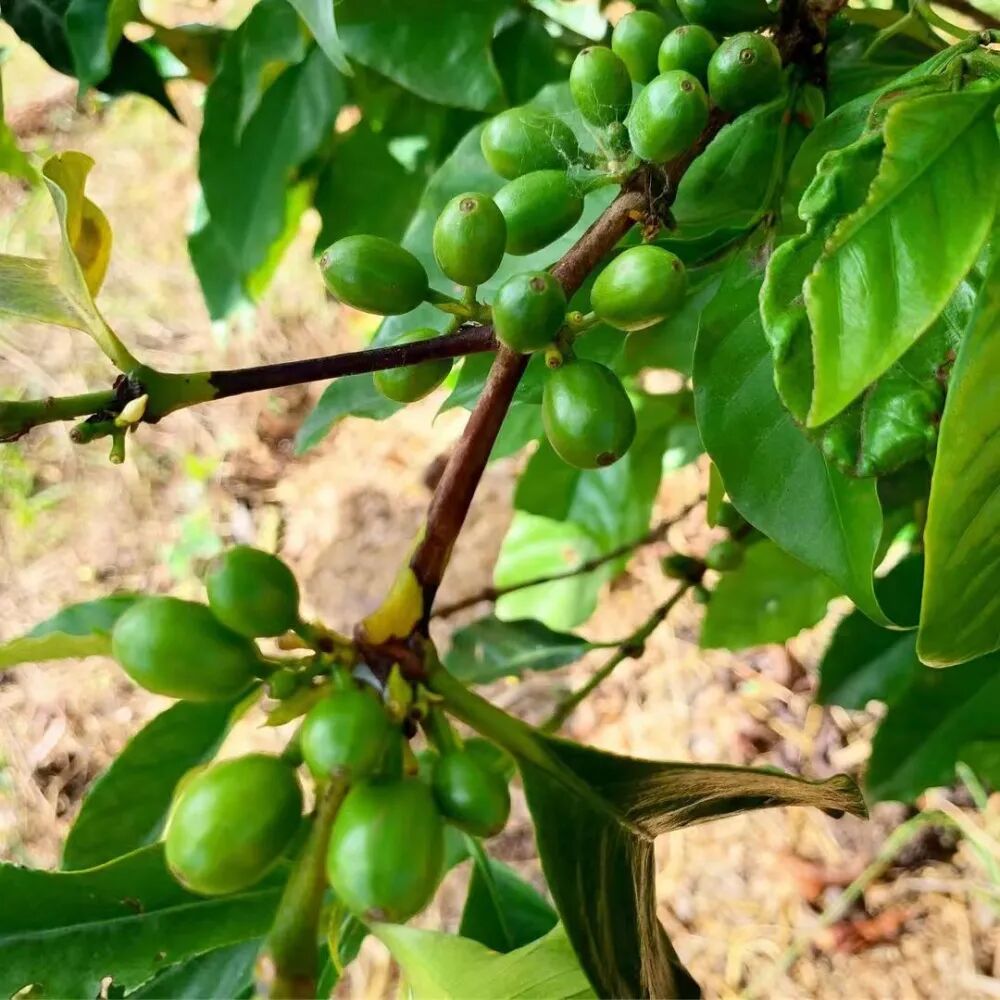
Geisha (also spelled Gesha) is an exceptionally distinctive Arabica coffee variety, known for its bright acidity and intense jasmine aroma. This variety did not originally come from Panama but was discovered in the Gesha forest of Ethiopia. However, due to its low yield and unremarkable appearance, it was long used only as windbreak foliage. It wasn’t until it was introduced to Panama, where it thrived in the unique high-altitude and cloudy environment, that it revealed its astonishing flavor potential and became a star variety in the specialty coffee world.
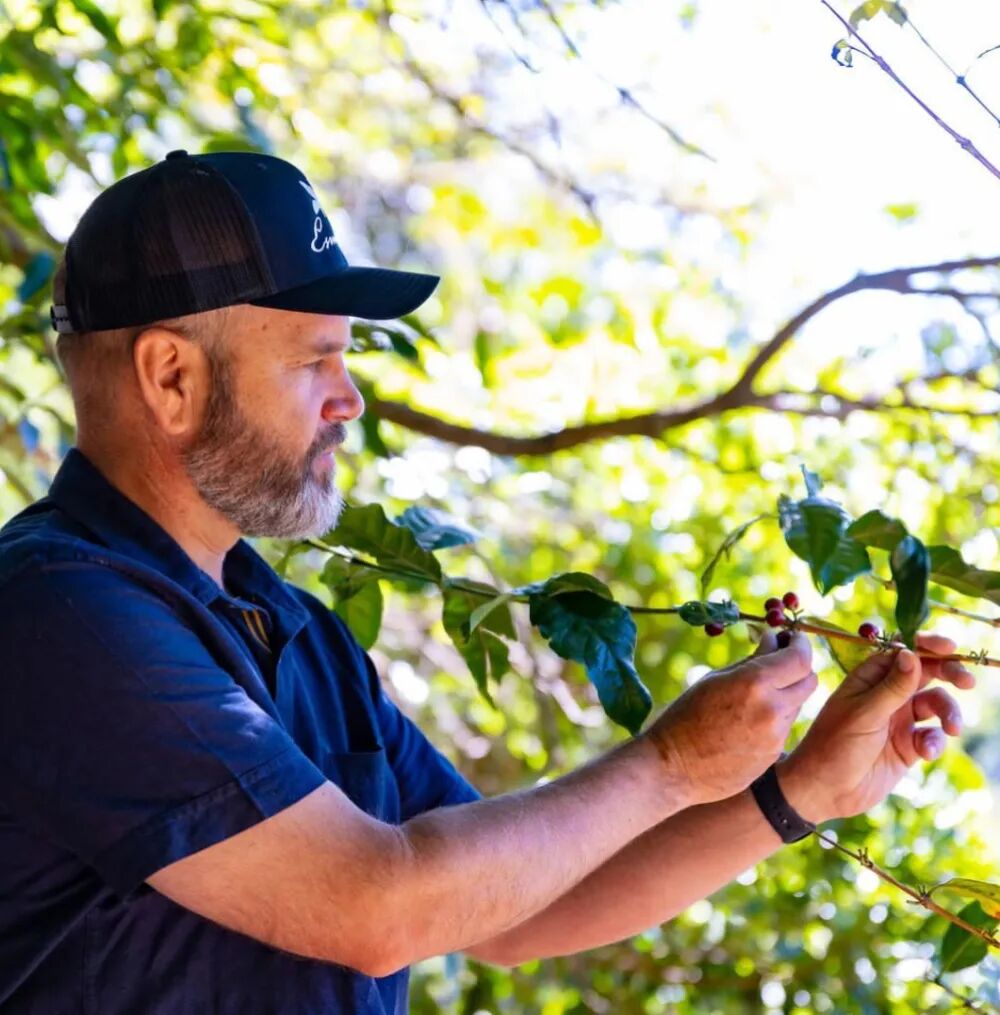
Nevertheless, even though Panamanian Geisha and Ethiopian Geisha share the same genetic lineage, the two varieties exhibit distinctly different flavor profiles due to differences in climate, altitude, and processing methods. Especially under high altitudes and shaded growing environments, Geisha is more likely to express delicate floral notes and refined fruit acidity, which is why the Geisha from Panama’s Hacienda La Esmeralda has stood out and become a consistent winner at auctions.
Many wonder: since the Geisha from Hacienda La Esmeralda was introduced from Ethiopia, is it the same variety as the Geisha from today’s Gesha Village in Ethiopia? In fact, although both are called “Geisha,” they have significant genetic differences. As a genetic treasure trove of coffee, Ethiopia is home to numerous wild and regional landraces. Although the Geisha from Gesha Village originates from Ethiopia, it has been locally re-cultivated and selected, resulting in a clear distinction in flavor expression compared to Panamanian Geisha.
Next, we will take an in-depth look at two renowned Geisha-producing regions—Gesha Village in Ethiopia and Hacienda La Esmeralda in Panama—as well as their respective grading systems and flavor characteristics.
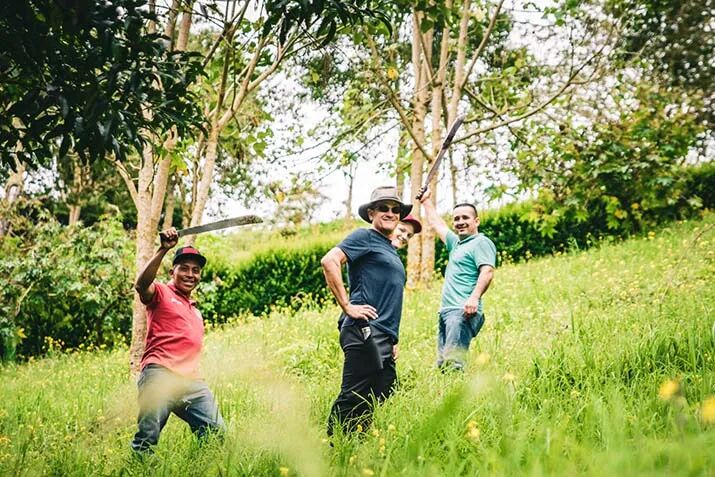
Gesha Village Coffee Estate was established in 2009 by documentary filmmaker Adam Overton and photographer Rachel Samuel. While filming a coffee documentary for the Ethiopian government in the Bench-Maji region, they unexpectedly discovered the area’s rich coffee genetic resources, which inspired the idea of creating a specialty coffee estate. With the assistance of mule farm owner Willem Boot, Gesha Village harvested its first crop in 2015 and held its first international auction in 2017, offering 21 micro-lots of Geisha coffee that received an enthusiastic market response.
Gesha Village spans nearly 500 hectares of planted area and features dedicated washed processing facilities and a laboratory to ensure precise control over every stage from planting to processing. Several of the estate’s Geisha coffees have achieved notable success in international barista competitions—for instance, Hong Kong contestant Johnny Chiang won third place at the 2017 World Barista Championship with Gesha Village’s Red Label coffee, while Japanese contestant Takayuki Ishiya also claimed the Japan Barista Championship (JBC) title using it.
Currently, Gesha Village in Ethiopia primarily cultivates three Geisha lineages:
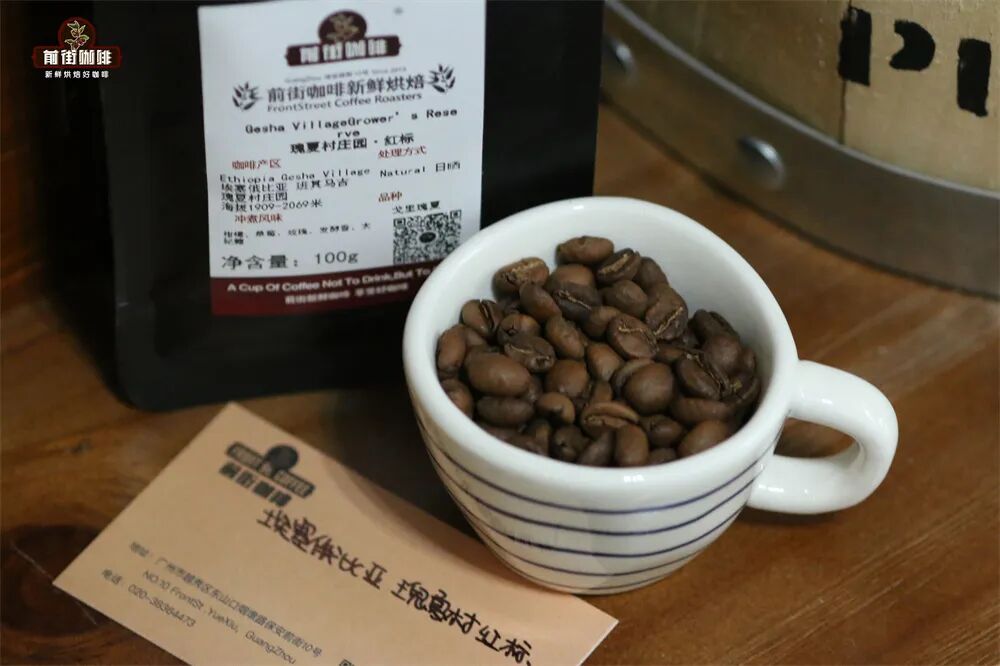
The first is Gori Gesha (abbreviated as GG), which originates from the Gori Gesha coffee forest and retains the region’s rich genetic diversity. The commonly seen Gesha Village Red Label coffee is made from this variety, processed using the natural method to highlight intense tropical fruit and floral flavors.
The second lineage is Illubabor Forest 1974 (IF), which was discovered in the Illubabor forest in 1974 and later cultivated by the Ethiopian Coffee Research Center, possessing certain disease resistance.
The last is Gesha 1931 (abbreviated as G31), a lineage that combines multiple forest varieties. Its appearance and cup profile are similar to those of Panamanian Geisha, but its genetic similarity is actually not high, resulting in distinct flavor differences compared to Panamanian Geisha.
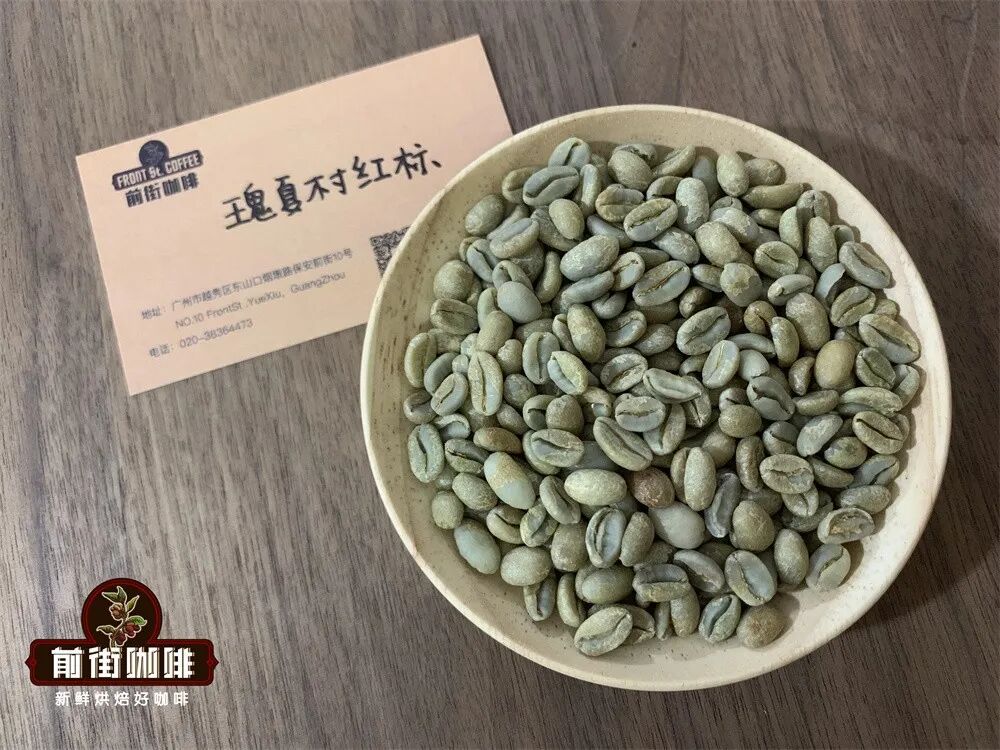
It’s worth noting that the Gori Gesha variety used in Gesha Village’s Red Label is processed using the natural method, enhancing its fruity and sweet characteristics. Its flavor profile often features prominent notes of berries, citrus, and flowers.
Compared to Ethiopian Geisha, it is Panama’s Hacienda La Esmeralda that truly propelled Geisha onto the international stage. The Geisha variety was first discovered in Ethiopia’s Gesha forest in 1931, then traveled through Kenya, Uganda, Tanzania, and Costa Rica, before finally being introduced to Panama in 1970. However, it wasn’t until 2003, when Hacienda La Esmeralda isolated it from other varieties and won first place at the 2004 Best of Panama (BOP) competition, that Geisha truly captured the attention of the global specialty coffee community.
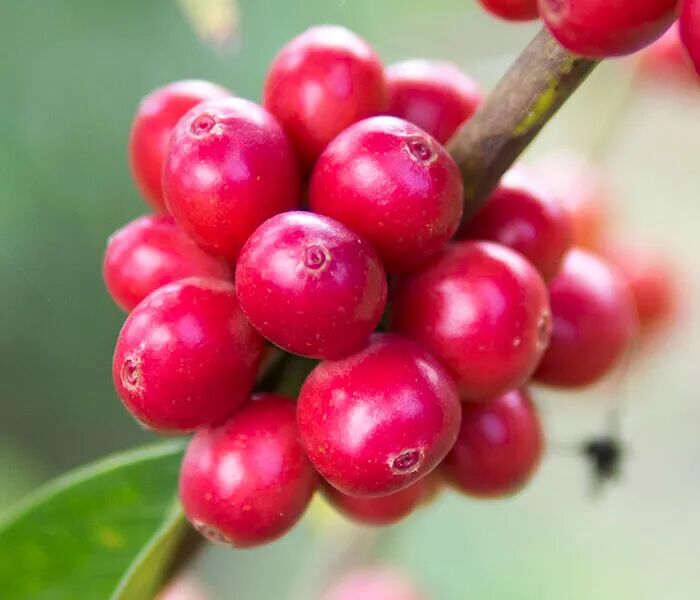
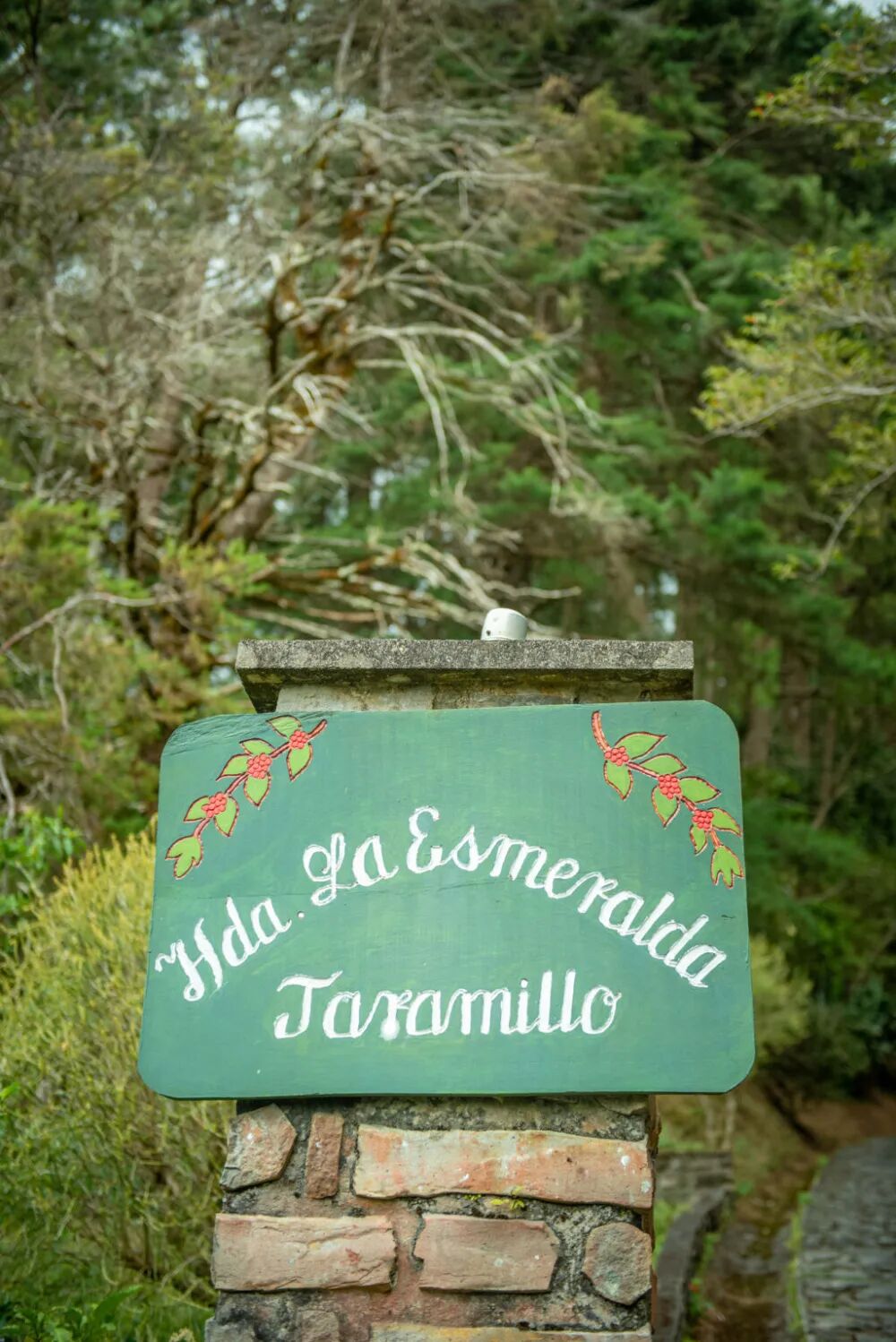
Hacienda La Esmeralda is located in Panama’s Boquete region and originally focused on dairy farming. In 1987, the estate’s second-generation owner, Dr. Price, decided to venture into coffee cultivation, introducing the Caturra and Catuaí varieties and establishing a dedicated washed processing facility in 1994. In 1996, the estate expanded by acquiring the neighboring Jaramillo Estate, whose high altitude and unique microclimate became the key location where the Geisha variety would later shine.
Starting in 2004, Hacienda La Esmeralda began cultivating high-altitude coffee trees from the Jaramillo region separately, and it quickly gained fame at the BOP competition. Experts later confirmed that this variety was indeed the Geisha from Ethiopia. Since then, the estate has been committed to developing refined batch separation techniques and processing methods to fully unlock the potential of Geisha coffee.
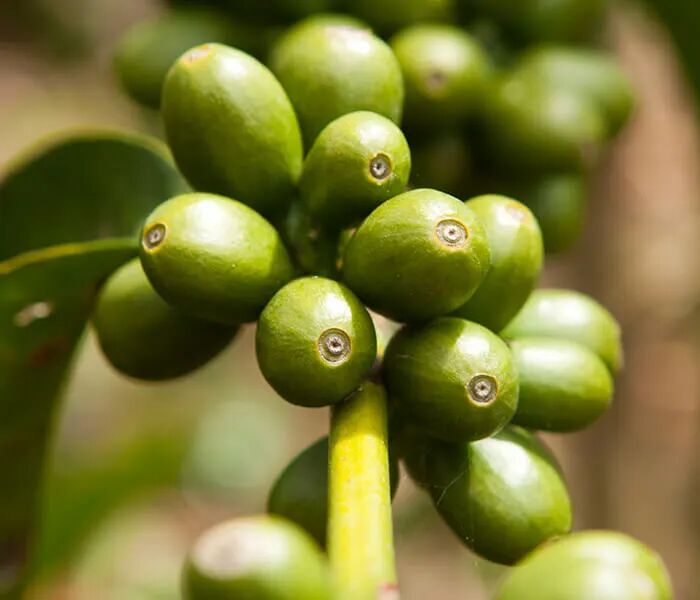
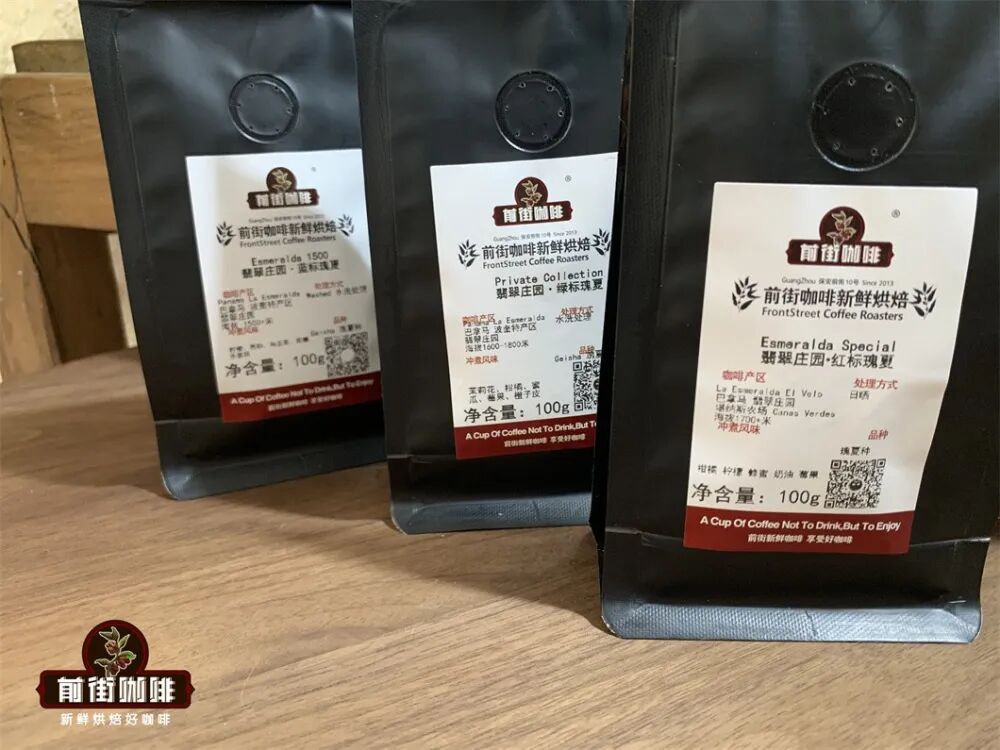
The Geisha coffee from Hacienda La Esmeralda is currently divided into three main grades:
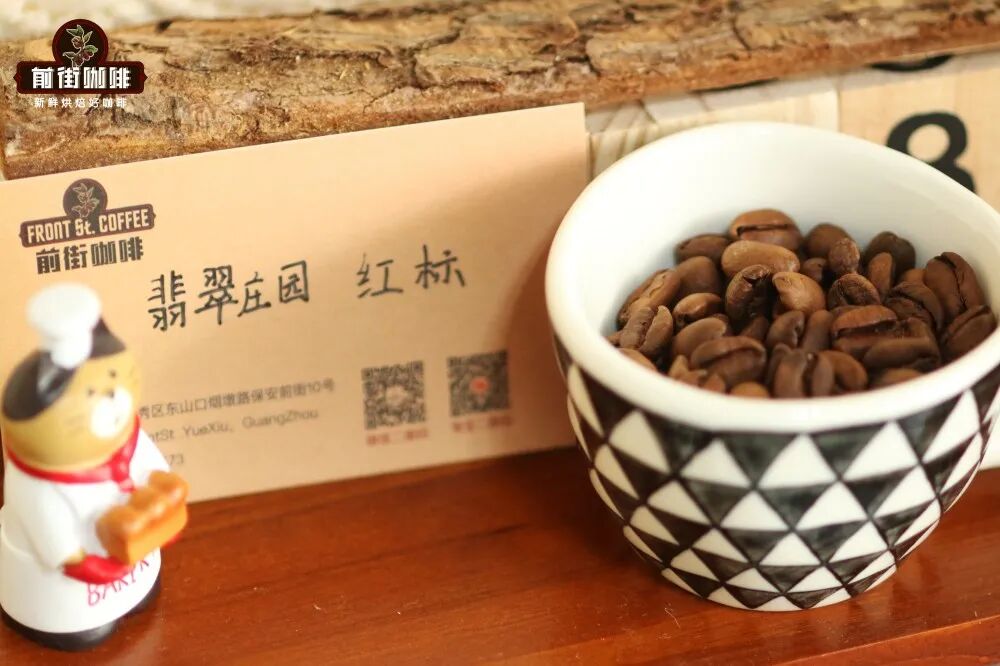
Red Label Geisha: Grown at altitudes between 1600–1800 meters, with cupping scores of 90 or above, primarily sourced from the Jaramillo and Cañas Verdes regions. The Red Label Geisha sold is from Cañas Verdes, processed using the natural method, and exhibits pronounced rose floral notes, berry acidity and sweetness, and honey-like sweetness, with a rich and layered mouthfeel.
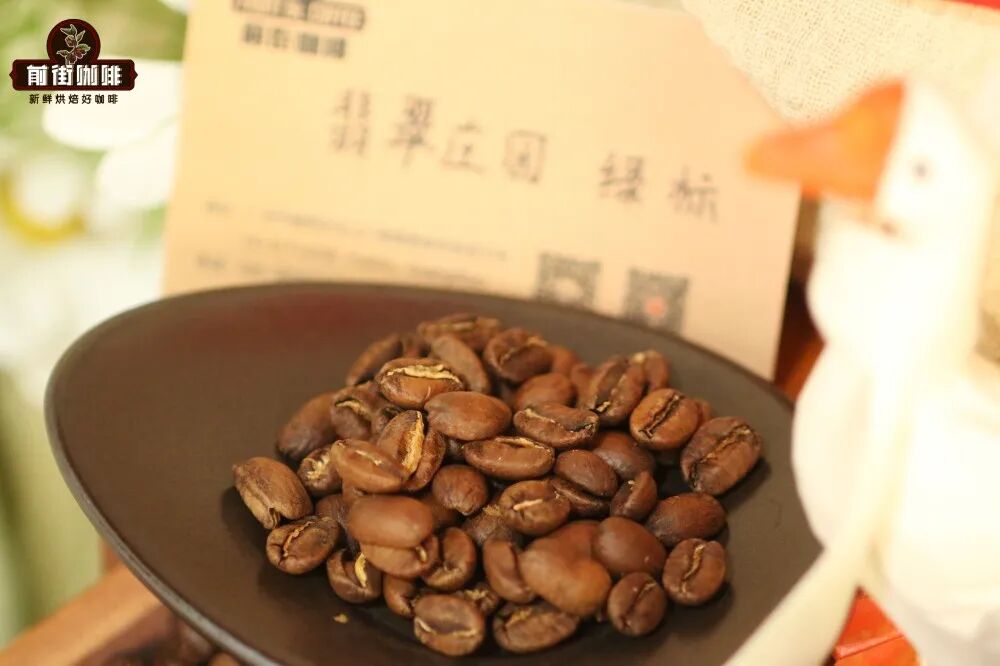
Green Label Geisha: Although not part of the auction, its quality remains outstanding. This batch blends Geisha beans from different plots, grown at similar altitudes, and offers both natural and washed processing methods. The washed version presents a clean profile with bright citrus and floral notes, while the natural version features more intense fruitiness, vibrant acidity, and a long-lasting aftertaste.
Blue Label Geisha: Grown at slightly lower altitudes (1400–1500 meters), blending Geisha beans from Jaramillo, Cañas Verdes, and El Velo regions. Previously offered only with washed processing, a natural version was added in 2020 but discontinued in 2021, replaced by a new special batch (commonly referred to as Black Label).
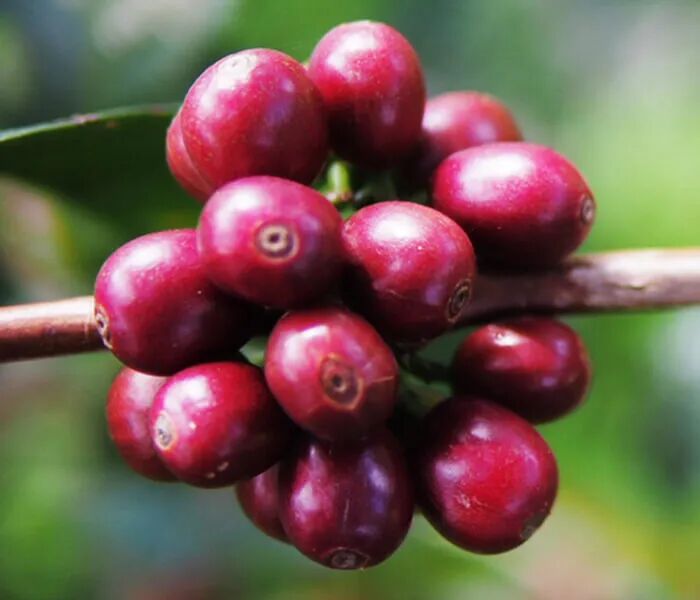
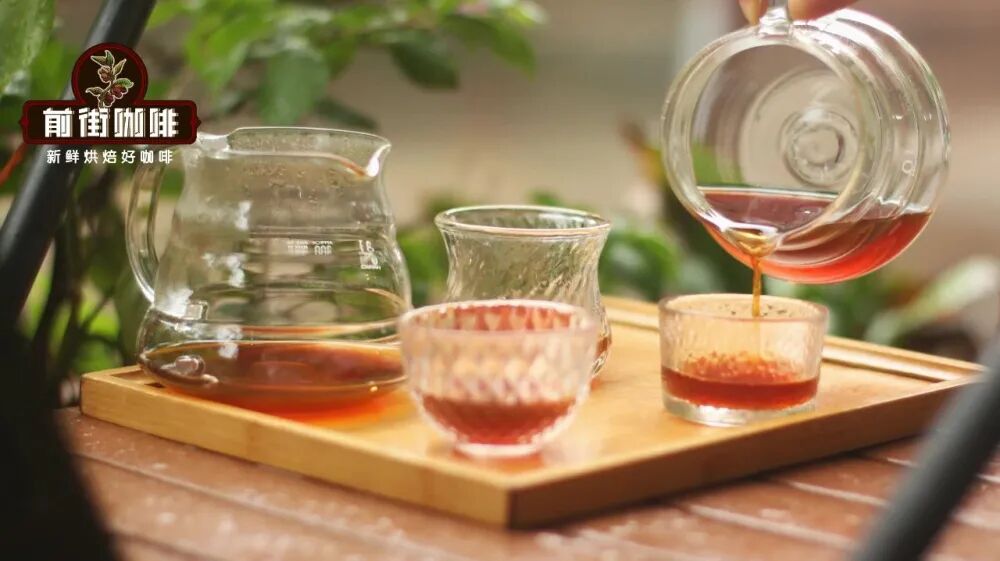
For brewing Geisha coffee, it is recommended to use a V60 dripper, with water temperature controlled at 90°C, a coffee-to-water ratio of 1:15, 15 grams of coffee, and a grind size passing 80% through a Chinese No. 20 standard sieve. Begin with a 30-second bloom using twice the coffee weight (about 30 grams) of water to aid degassing, then pour in a slow circular motion up to 125 grams before the first pour, followed by additional pouring to reach a total of 225 grams. The total extraction time is approximately 2 minutes. These parameters help balance the acidity and sweetness of Geisha, fully showcasing its floral and fruity aromas and delicate layers.
Overall, the Red Label Geisha from Hacienda La Esmeralda stands out with its rose floral notes and rich fruit flavors, offering a full-bodied taste and long-lasting aftertaste; the Red Label from Gesha Village in Ethiopia showcases intense berry, citrus, and floral notes with prominent sweetness. Both have their unique characteristics, allowing consumers to choose based on personal taste preferences.

The above content is compiled by CoffeeHunters, a coffee news website.

