








Introduction:The global coffee market is dominated by Arabica, but Robusta, as one of the three original coffee species, still holds an irreplaceable position. This article delves into the flavor characteristics of Robusta coffee, the differences in caffeine and chlorogenic acid content, explores why it seldom appears in specialty coffee, and explains its practical value in Italian espresso blends and disease-resistant breeding. Understanding these key differences can help consumers choose the right coffee beans according to their needs.
When it comes to specialty coffee, most people first think of Arabica. Walk into any specialty coffee shop, and you’ll mostly find Arabica coffee beans on the shelves, whether for pour over or filter coffee. However, today we’re focusing on Robusta, one of the three original coffee species—a often overlooked variety with its own unique value.
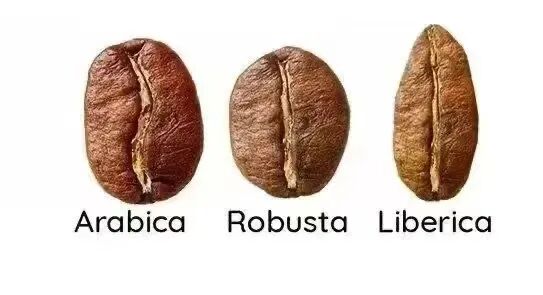
Robusta actually belongs to the Canephora species, but due to market conventions, it’s commonly referred to simply as “Robusta.” In terms of flavor profile, Robusta differs significantly from Arabica, which is one of the main reasons it rarely makes it into the specialty coffee category.

A coffee’s ability to stand out in the specialty market often hinges on its flavor profile. Robusta typically lacks the rich floral and fruity notes and delicate aromas found in Arabica, and instead often exhibits flat characteristics reminiscent of grains or wheat, and may even have earthy potato-like or pungent off-flavors. These flavor traits naturally fail to meet the depth and complexity that specialty coffee demands.
Beyond flavor, caffeine content is another major difference between the two species. Robusta contains significantly more caffeine than Arabica, which is one reason it’s commonly used in instant coffee and commercial-grade beans. It’s worth noting that caffeine stimulates the central nervous system, which is why many people experience insomnia after consuming it in the evening. But caffeine isn’t the only factor that affects coffee flavor.

Robusta also contains a high level of chlorogenic acid, a compound that is a major contributor to the bitter and acidic taste of coffee. Chlorogenic acid decomposes into caffeic acid and quinic acid at different temperatures: when extraction temperatures are below 80°C or above 85°C, quinic acid releases a noticeable bitterness, while caffeic acid contributes acidity. The combination of these two flavors creates Robusta’s distinctive intense sour-bitter taste, along with the vintage flavor of aged coffee.
In comparison, Arabica has only about half the caffeine and chlorogenic acid content of Robusta, which is one reason its flavor is gentler and more nuanced. Of course, other factors that influence coffee flavor include growing altitude, processing methods, and roast levels—details we won’t delve into here.
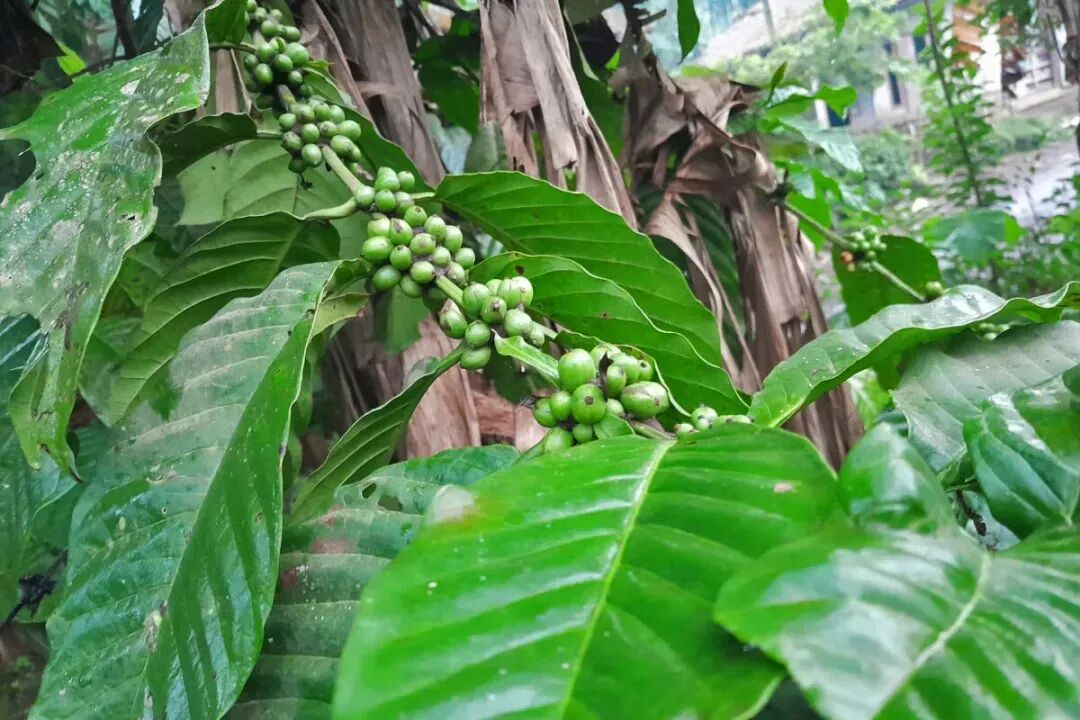
Many people’s first reaction to hearing “Robusta” might be “lower-quality coffee beans.” But in reality, Robusta plays an indispensable role in the coffee industry. Take espresso, for example: in some parts of Italy, consumers prefer a strong, bold flavor, so baristas will add a small amount of Robusta to espresso blends to enhance the body and richness of the crema.
When espresso is combined with milk, Robusta’s bold characteristics complement the aroma of Arabica, enriching the flavor layers of drinks like lattes or cappuccinos. The key lies in proportion control—adding too much Robusta can overwhelm the elegant aromatic expression of Arabica.

Additionally, Robusta contributes to coffee variety improvement. Thanks to its stronger disease resistance, drought tolerance, and high yield, researchers often crossbreed Robusta with Arabica in attempts to develop new varieties that combine excellent flavor with robust adaptability. This varietal improvement strategy is of great significance in addressing challenges posed by climate change and pests.
In summary, although Robusta is less favored in the specialty coffee market, its unique chemical composition and practical value ensure it still holds a place in commercial coffee and varietal research. Understanding these differences helps us more comprehensively appreciate the diversity of coffee and make more suitable choices based on personal taste preferences.
The above content is compiled by CoffeeHunters, a coffee news website.

