








Introduction:Kenyan coffee is renowned for its unique flavors of small tomatoes and dark plums, paired with bright acidity and high sweetness, making it a top choice for many coffee enthusiasts. This article delves into the distinctive characteristics of Kenyan coffee origins, varietal genetics, and washed processing methods, while also providing practical medium-light roast pour over parameters to help you extract a richly layered and clearly defined cup. Ideal for both beginners and advanced enthusiasts eager to explore the nuances of Kenyan beans.
When it comes to Kenyan coffee, many coffee lovers immediately think of its distinctive flavor profile featuring small tomatoes and dark plums, along with a bright yet full-bodied acidity and a natural sweetness reminiscent of sugarcane. This flavor profile sets Kenyan coffee apart from many other producing countries—even without looking at the origin label, one can easily identify it through the cup.

Many coffee enthusiasts report that although they’ve purchased Kenyan coffee beans, they often fail to brew the captivating flavors others describe—notably lacking in either vibrant acidity or overall flavor depth. In reality, this may not only be related to brewing techniques but could also stem from not selecting the right bean variety or processing method. Below, we’ll take an in-depth look at the key factors that contribute to the unique character of Kenyan coffee, as well as how to fully showcase its charm through proper bean selection and pour over skills.

Firstly, the expression of coffee flavor is influenced by about 30% from the growing environment. Kenya is located in East Africa, neighboring well-known coffee-producing regions such as Ethiopia, Tanzania, and Uganda. However, due to differences in terrain, altitude, and microclimate, the resulting flavor profiles vary significantly.

Kenya is a tropical low-latitude region with two distinct rainy seasons each year and dry seasons in between. The country is mostly highland terrain, with main coffee-growing areas situated at altitudes between 1,600 and 2,100 meters, within volcanic soil zones. This type of soil is rich in phosphorus and other minerals, which help develop brighter acidity in coffee cherries. Additionally, the high-altitude environment results in greater day-night temperature variations, slowing down the growth rate of coffee trees and aiding in sugar accumulation—thereby enhancing the aroma intensity and flavor richness of the coffee.

The uniqueness of Kenyan coffee varieties is also a key factor in its flavor profile. As early as the 1930s, the Kenyan government commissioned the Scott Laboratories to conduct over a decade of breeding research aimed at developing varieties suited to the local environment with commercial potential, eventually giving rise to the classic SL28 and SL34 varieties.

Before the introduction of SL28 and SL34, Kenya had also tried cultivating varieties such as Bourbon, Kent, and Jamaican Blue Mountain Typica, but none exhibited such a distinctive acidity and aroma structure. The names SL28 and SL34 come from the abbreviation “SL” for Scott Laboratories and their respective research numbers, 28 and 34. SL28 originates from a Bourbon mutation, while SL34 is a branch of Typica. Both exhibit notable dark plum and small tomato acidity tones, coupled with abundant sweetness that balances the sharpness of the acidity, resulting in a more layered overall flavor.

In addition to the varieties themselves, the processing method of Kenyan coffee also plays an indispensable role. The most common processing method locally is washed, but unlike other producing regions, Kenya employs the “K72” or “72-hour washed process,” which involves longer fermentation and soaking times to extract cleaner and more expressive flavors.
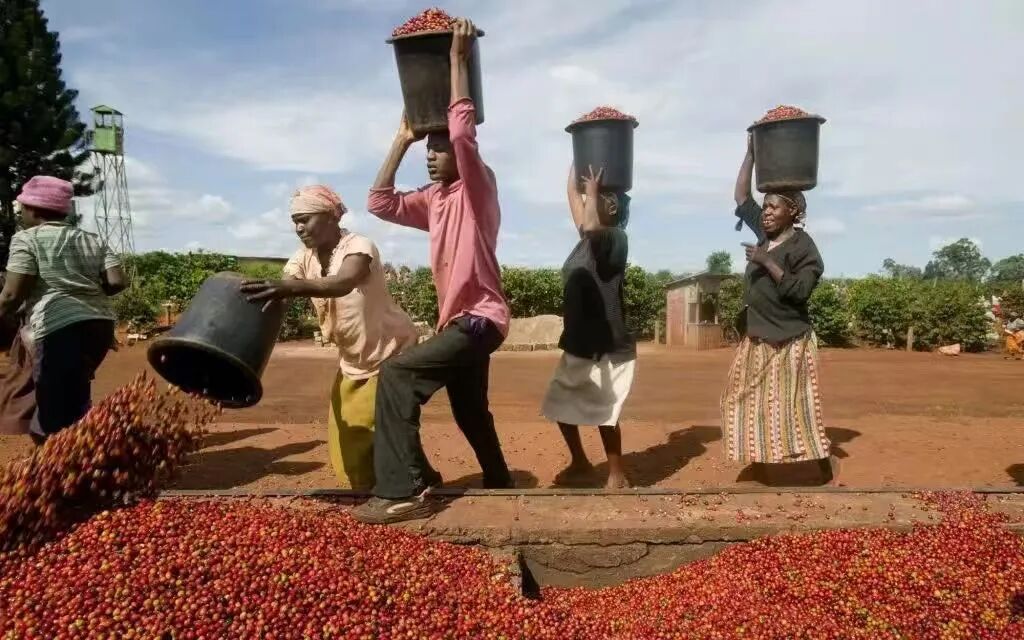
Traditional washed processing usually involves placing depulped coffee cherries into water tanks for fermentation for 24 to 36 hours to remove the mucilage, followed by washing and drying. However, some Kenyan processing facilities, initially limited by drying space, temporarily placed mucilage-free beans back into water tanks for extended soaking. This accidental discovery led to the extraction of superior flavors. This step was later standardized, forming the unique Kenyan-style washed process.
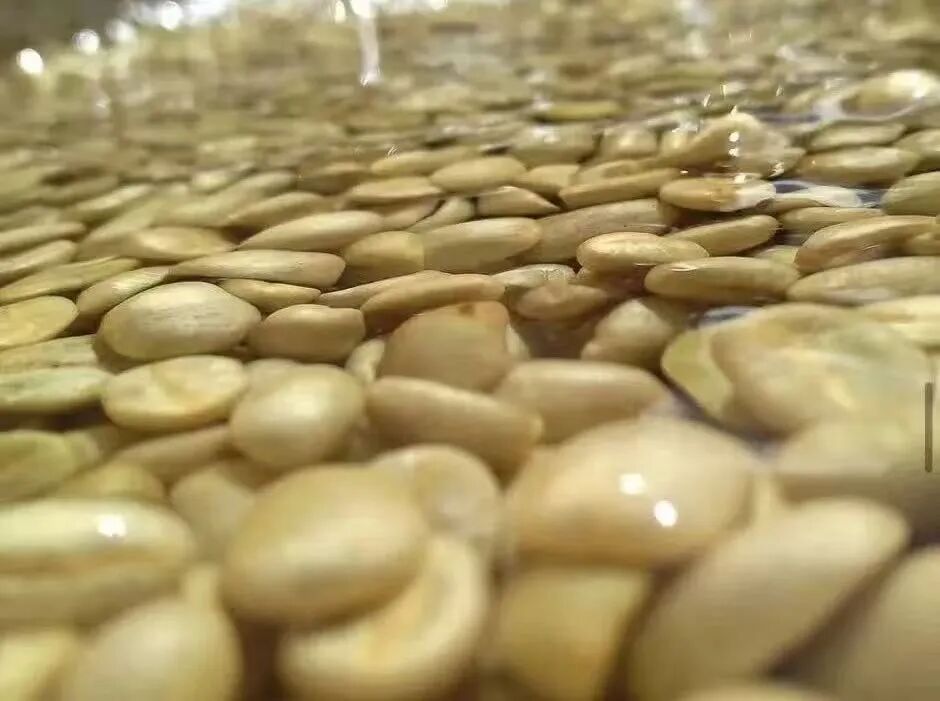
The so-called K72 washed process involves multiple 24-hour soaking and fermentation cycles, typically repeated three times for a total of 72 hours, during which residual mucilage is continuously washed away, followed by standard washing and drying. This technique significantly enhances the clarity and purity of the coffee’s flavor, and is one of the key reasons Kenyan coffee can exhibit such high-quality acidity and aroma.

To experience authentic Kenyan flavors, it is recommended to choose medium-light roasted coffee beans processed using the washed method and of the SL28 or SL34 variety. For example, a well-known brand’s Kenya · Small Tomato, produced by the Assaliya Factory in the Thika region at altitudes between 1,550 and 1,750 meters, is described as having flavors of dark plum, small tomato, brown sugar, and black plum—a classic representative. This bean is also one of the recommended entry-level choices by many coffee professionals.

To highlight the acidity of small tomatoes and dark plums while retaining appropriate sweetness, this bean is roasted using a medium-light curve. Next, we’ll share practical pour over extraction parameters to help you fully unlock the potential of Kenyan coffee.
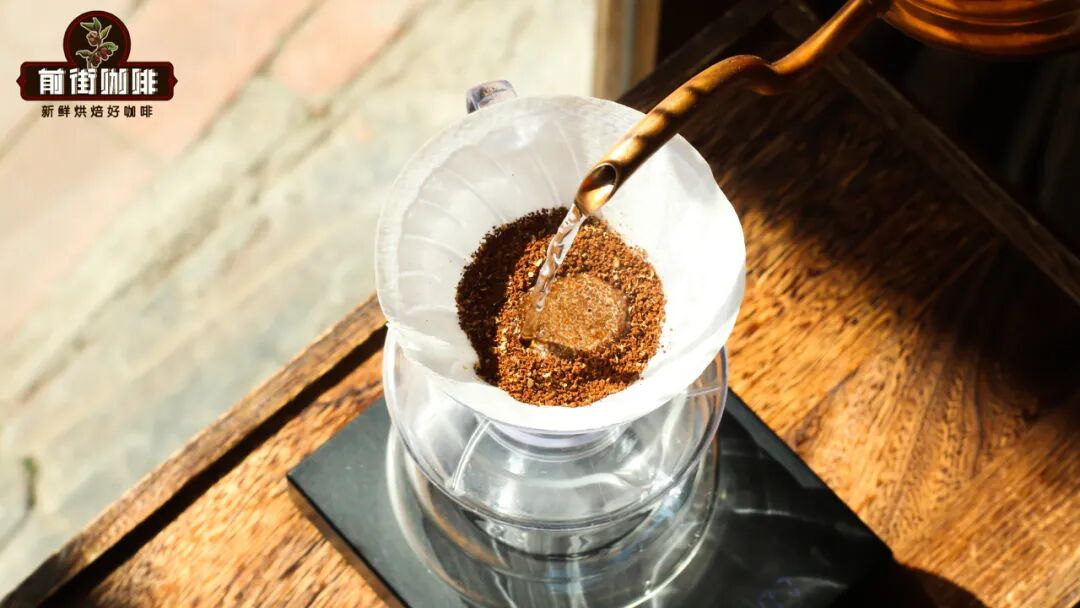
Recommended brewing parameters are as follows: 15 grams of coffee, grind size approximately equivalent to setting 9.5 on the Ek43 grinder (or 75% passing rate through a #20 sieve, close to the coarseness of fine sugar). The coffee-to-water ratio is set at 1:15, with a water temperature of 92°C, using a V60 filter cone and a three-stage pouring method.
The first step is the bloom: pour hot water equal to twice the weight of the coffee grounds (about 30 ml), for around 30 seconds, to release CO₂ from the coffee grounds and lay the foundation for subsequent extraction.

After the bloom, move on to the second pour. Since medium-light roasted beans have a fluffier coffee bed structure, it is recommended to pour 120 ml of hot water using a medium flow rate in a wide circular motion, taking about 30 seconds. This helps enhance flavor layering and ensures even extraction.
Once the water has mostly drained—around 1 minute and 20 seconds—proceed to the third pour. Use a small flow rate in a tight circular motion to pour 75 ml of hot water over 20 seconds, bringing the total extraction time to about 2 minutes. Pay attention to flow rate control in this stage to avoid under-extraction due to too fast a pour.

After extraction, the wet aroma will immediately reveal distinct notes of small tomato and dark plum. Upon tasting, the acidity is round and full, reminiscent of fresh small tomatoes, with ample sweetness that is not overly sharp, and a finish accompanied by the sweet aromas of dark plum, black plum, and brown sugar. As the temperature drops, you can also perceive the fruity acidity and sweetness of berries, delivering a distinctly layered experience—like a freshly squeezed tomato juice—that lingers delightfully.

The above content is compiled by CoffeeHunters, a coffee news website.

