







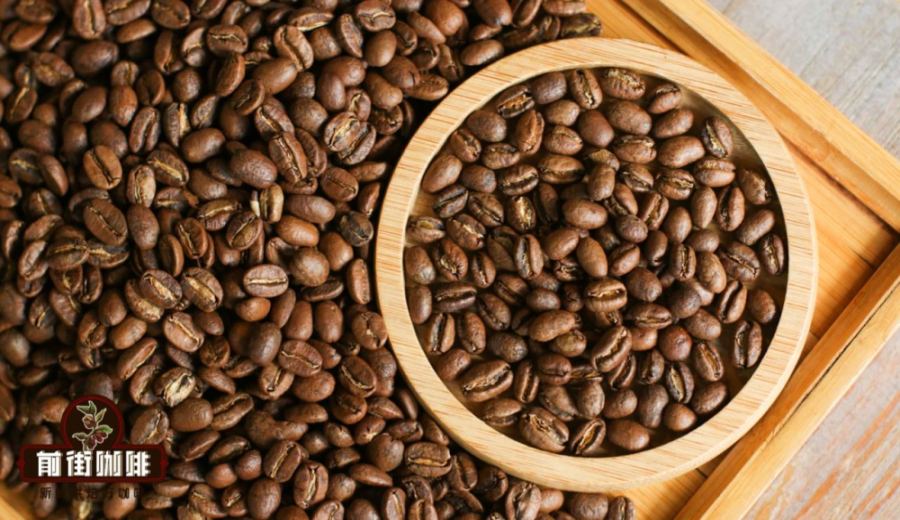
Introduction:Want to choose coffee beans that suit your taste? Start by understanding roast levels. This article details how to distinguish between light, medium, and dark roasts through appearance, flavor descriptions, and scientific color values, and analyzes how each roast level affects coffee flavor. Mastering these techniques will help you pick the right beans for both pour over and espresso, elevating your tasting experience.
The coffee beans we encounter in daily life all undergo varying degrees of roasting. Roasting not only gives coffee beans their captivating aroma but also directly influences the final flavor profile. Understanding the differences in roast levels is an important first step in delving deeper into the world of coffee.
Generally speaking, coffee roasting can be divided into three main categories: light roast, medium roast, and dark roast. Observing the appearance of coffee beans is one of the most intuitive ways to distinguish them. Unroasted green coffee beans are usually light yellow or pale green, and as the degree of roasting deepens, their color gradually darkens.
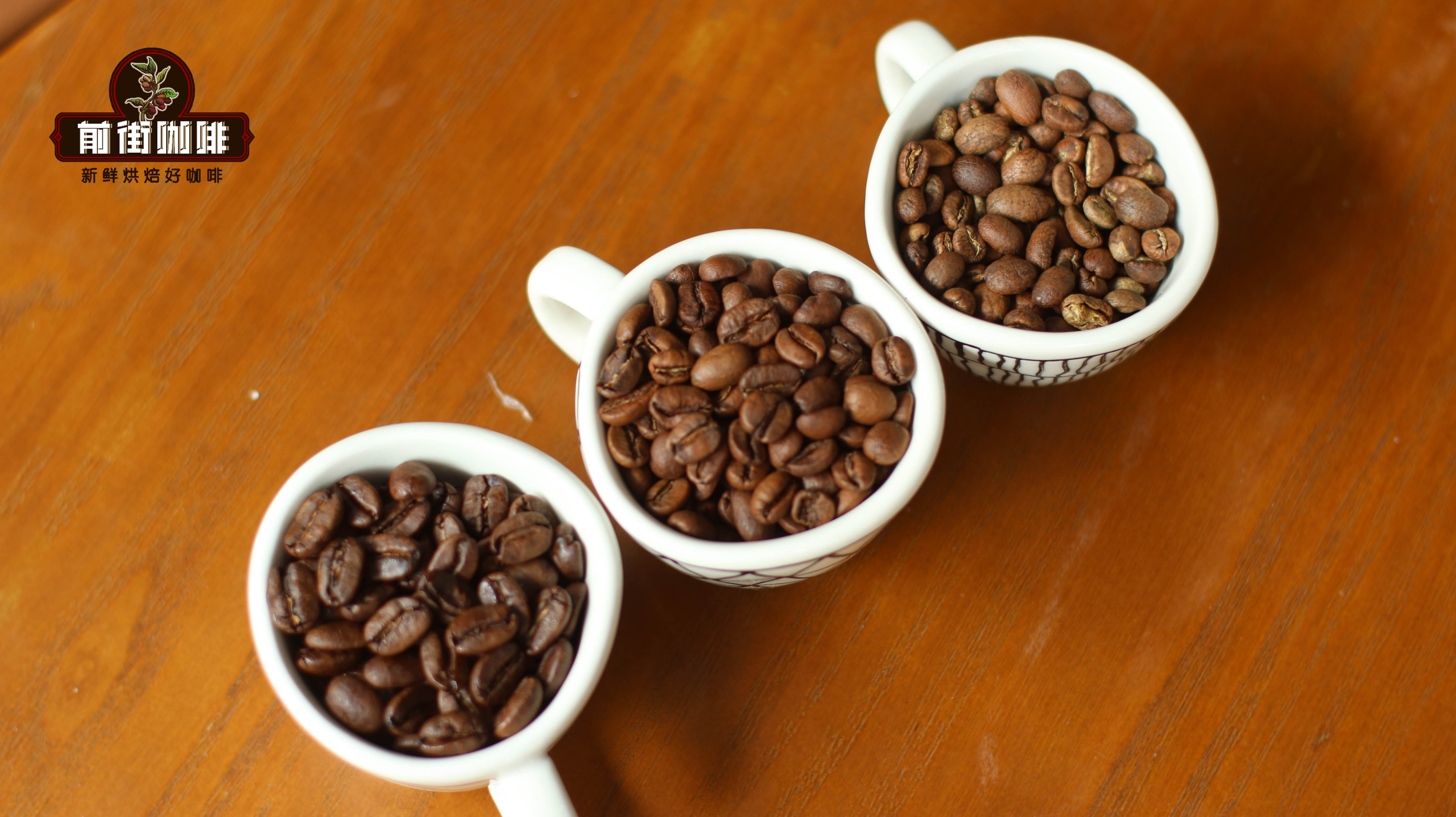
Light roast coffee beans are mostly light brown in color, with noticeable surface wrinkles, and can retain more of their original flavor characteristics. As the roast reaches medium level, the bean color turns dark brown, the surface wrinkles become smoother, and a balance between acidity and sweetness is achieved. As for dark roast, the bean surface appears shiny black, and some high-temperature roasted beans may even seep out oils, emitting a rich and bold aroma.
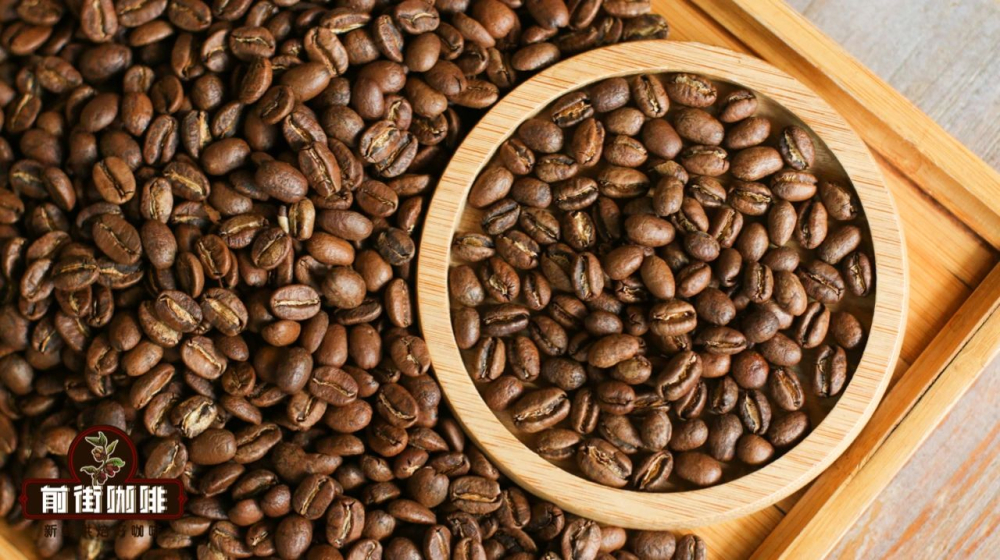
In addition to visual cues, flavor descriptions are also an important clue for determining roast levels. Typically, coffee beans labeled with fresh fruit aromas such as floral, citrus, or berry notes are mostly light to medium roasts, preserving more of their native flavors. If the flavors are dominated by sweet notes such as maple sugar, cane sugar, or caramel, they are often medium roasts, striking a balance between sweetness and acidity. Meanwhile, beans that emphasize deep flavors such as nuts, cocoa, or herbs, and carry a distinct bitterness, are mostly medium-dark or darker roasts.
Although this classification is not absolute, it serves as a common reference in the industry. Professional cuppers and roasters write flavor descriptions based on actual taste profiles, and for consumers, it remains a simple yet effective method of discernment.
For a more scientific approach to determining roast levels, you can refer to the Agtron color value system developed by the Specialty Coffee Association of America (SCAA). This system uses infrared caramelization measurement technology to divide coffee bean color from light to dark into eight standard grades, providing the industry with a clear reference for roast levels.
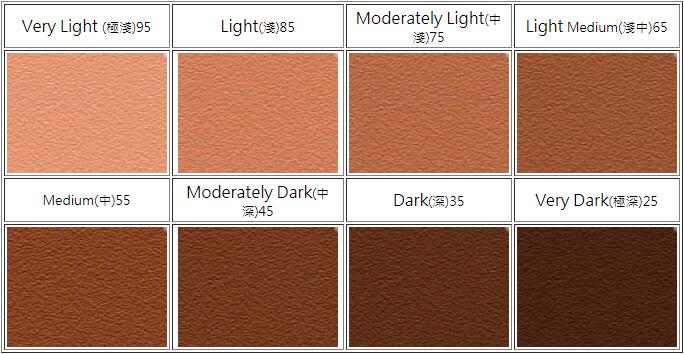
Specifically, Agtron color value #95 corresponds to a light roast (dropped just before the end of the first crack), with the lightest color; #85 represents a cinnamon roast (dropped around the end of the first crack); #75 is a medium roast (dropped after the first crack ends). Entering the medium-dark roast range, #65 is a dark roast (dropped during the quiet period between the first and second cracks); #55 is a city roast (dropped at the start of the second crack); #45 is a full city roast (dropped just before the second crack becomes intense). As for dark roast stages, #35 is a French roast (dropped when the second crack is intense); #25 is an Italian roast (dropped when oils begin to emerge on the bean surface).
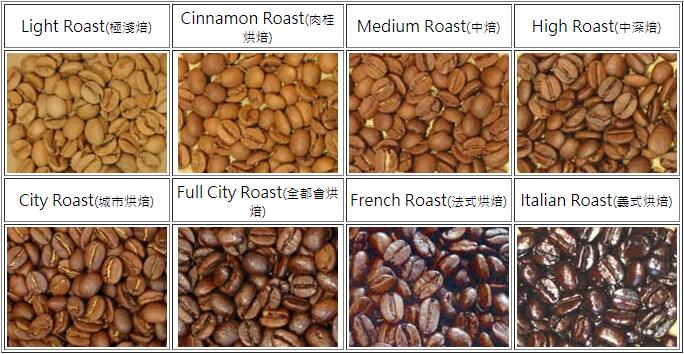
These professional color values can be simplified into four main categories: light roast (e.g., #95, #85) highlights fruit acidity and floral-fruity aromas; medium roast (e.g., #75, #65) enhances sweetness and achieves flavor balance; medium-dark roast (e.g., #55, #45) allows for more complete sugar transformation, presenting a layered bitterness followed by sweetness; dark roast (e.g., #35, #25) emphasizes bitterness and a rich, bold texture, suitable for drinkers who prefer a strong flavor.
The above content is compiled by CoffeeHunters, a coffee news website.

