







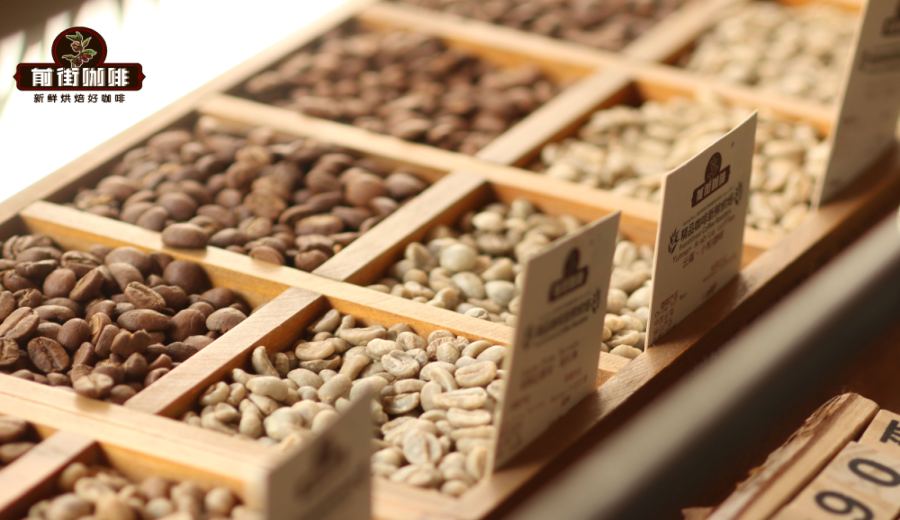
Introduction:Understanding how the degree of coffee bean roasting affects flavor is fundamental to coffee appreciation. This article delves into the Maillard reaction and caramelization process, introducing you to the unique flavor characteristics of light, medium, and dark roasts. It also provides practical pour over parameters for each roast level and recommends representative beans—whether you’re a beginner or an advanced enthusiast, you’ll find a coffee experience tailored to your taste.
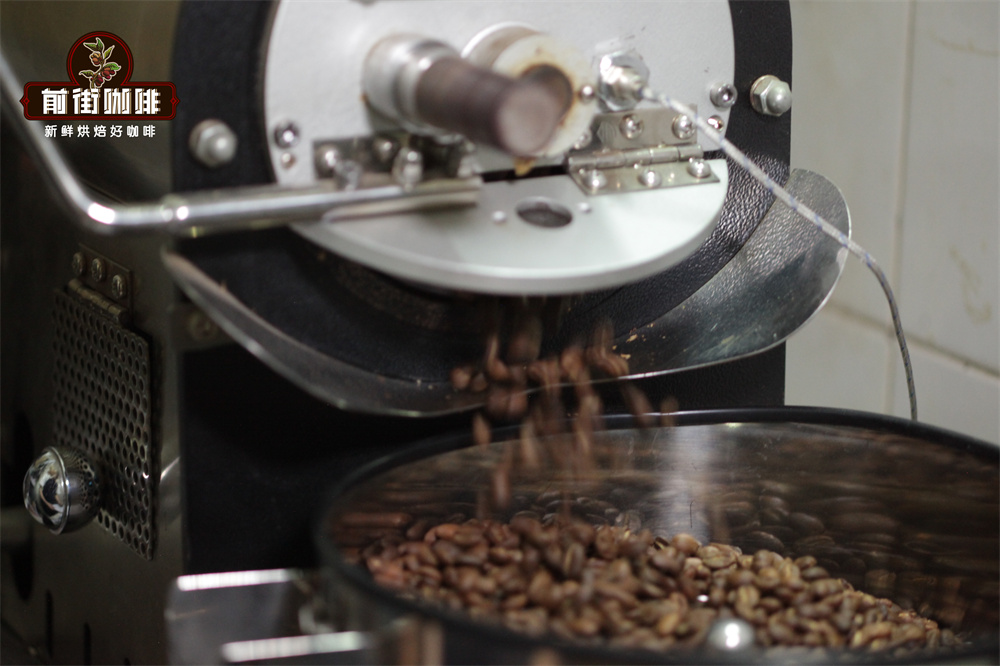
A significant part of coffee’s allure comes from the art of roasting. Green beans have limited flavor on their own and must undergo high-temperature roasting to release a diverse range of aromas and textures. Roasting temperatures typically exceed 200°C, far higher than that of ordinary food roasting, resulting in intense chemical changes in the beans that directly determine the final flavor profile.
The Maillard Reactionis one of the most critical chemical processes in coffee roasting, beginning around 150°C. It involves the interaction between carbohydrates and amino acids, not only gradually turning the bean surface brown but also greatly influencing the complexity and body of the coffee’s aroma. The duration of this stage can significantly alter the final flavor direction—longer durations enhance viscosity but may sacrifice some acidity and sweetness.
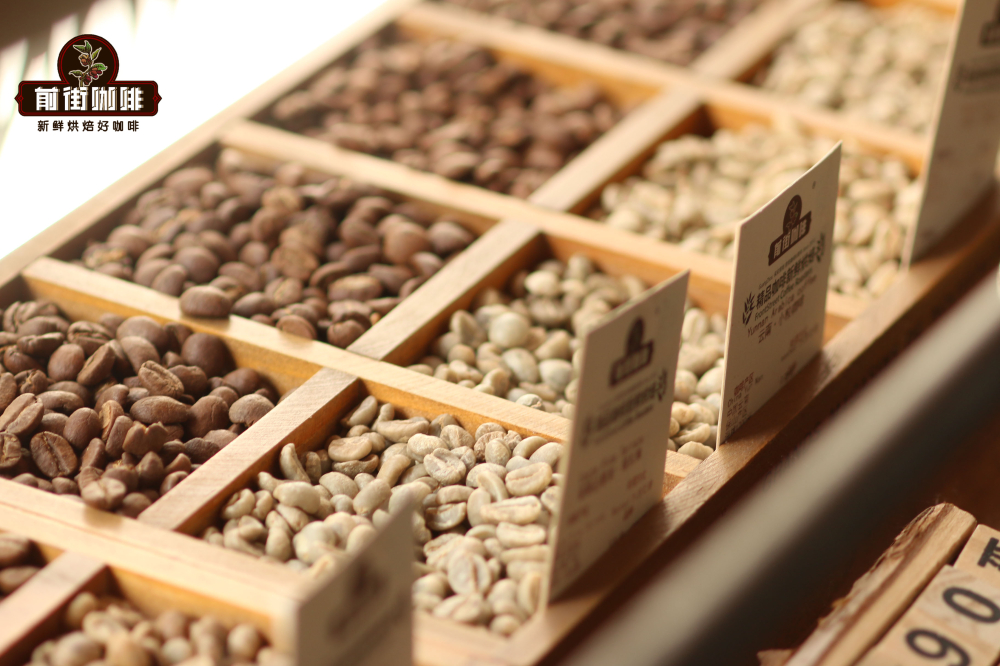
When the temperature rises to around 170°C,the caramelization reactioncomes into play. Complex carbohydrates break down into simple sugars, which dissolve in water to bring out pronounced sweetness, along with aromas reminiscent of caramel and almonds. These two major reactions interact to create the diverse and ever-changing flavor profiles of coffee. Industry observations suggest that green bean quality determines about 70% of the foundational flavor, roasting degree influences about 20%, and brewing methods account for the remaining 10%.
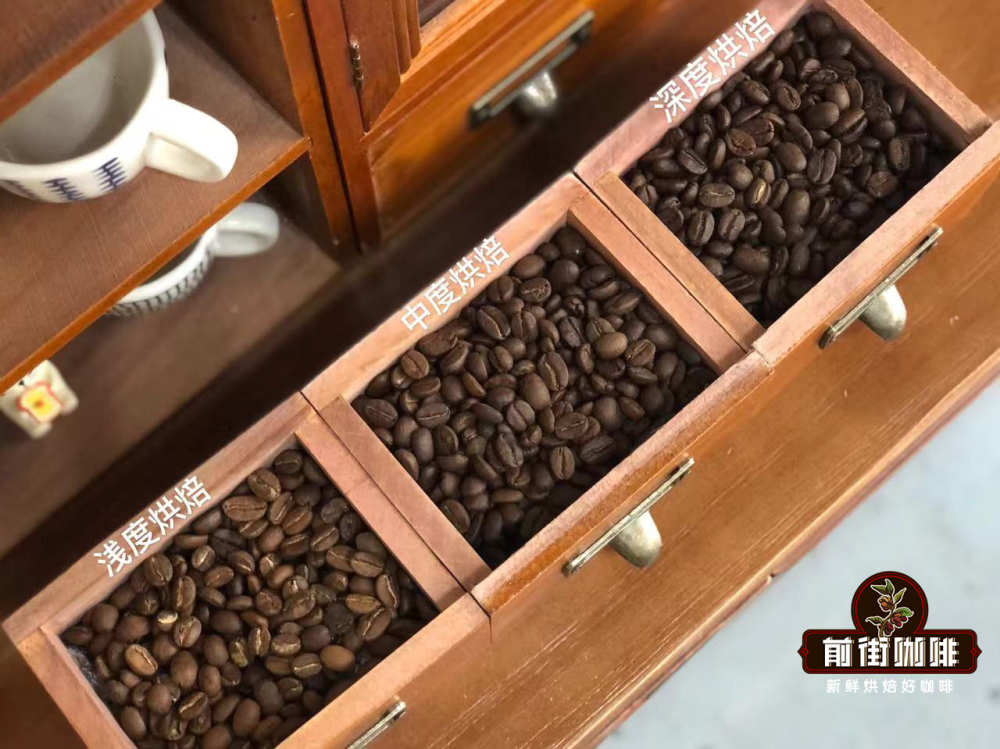
Based on roast level and duration, the industry generally classifies coffee beans into three main categories: light roast, medium roast, and dark roast. Further subdivisions can reach up to eight levels, each with distinct characteristics—from Light Roast to Italian Roast. These classifications not only reflect external color but are also directly linked to brewing performance and taste perception.
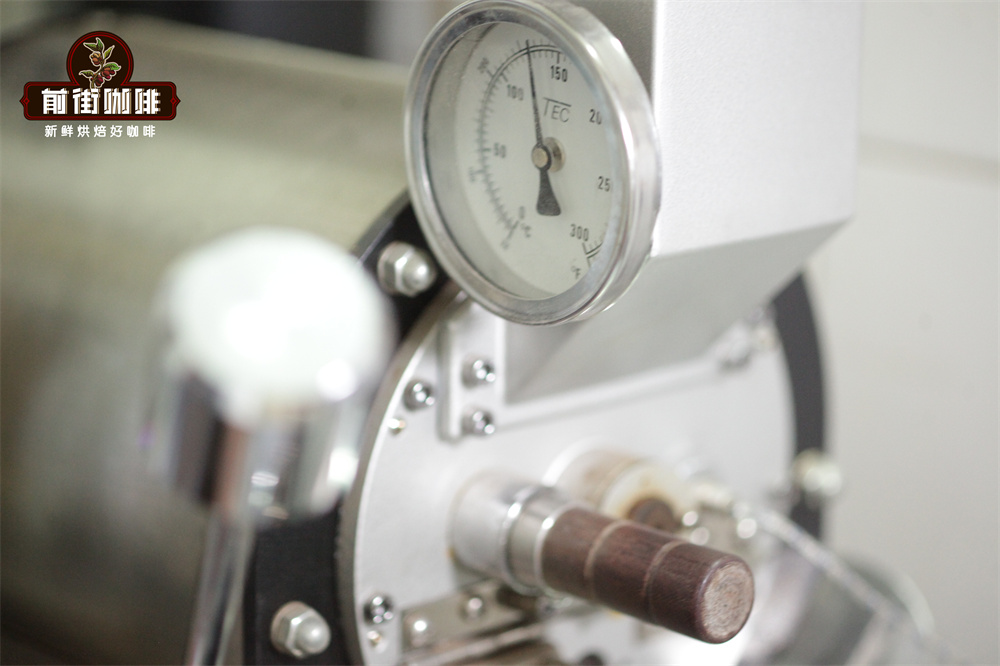
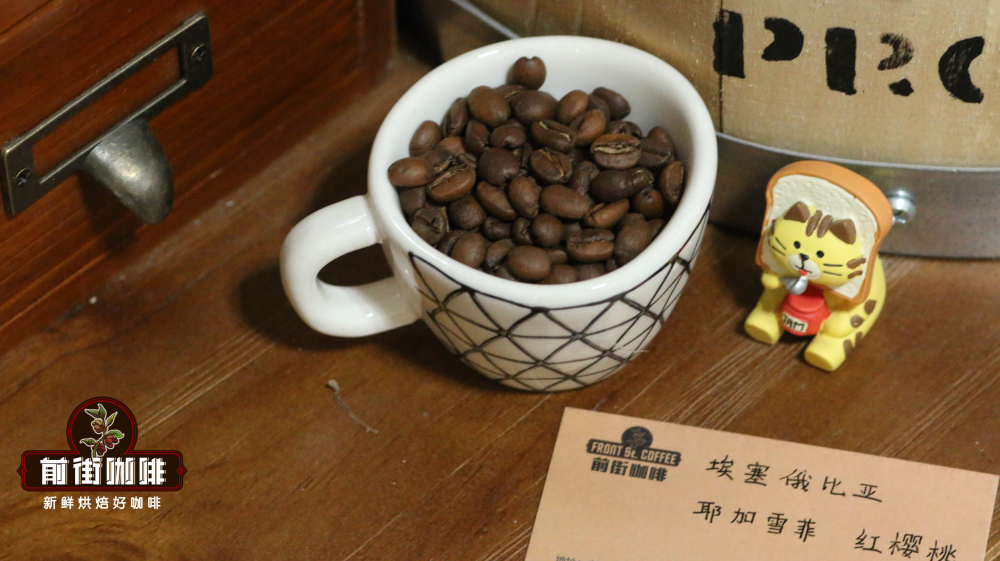
Light Roast(e.g., Light Roast, Cinnamon Roast) is typically dropped from the roaster at the beginning of the first crack, with beans appearing a light cinnamon color. At this stage, the coffee retains pronounced fruit acidity and high aromatic notes, making it ideal for highlighting origin characteristics—such as the citrus and floral notes commonly found in Ethiopian beans. Due to the short roasting time, the flavor is fresher and is often used as a base for pour over or Americano. These beans have vibrant acidity, appealing to those who enjoy distinct, layered taste experiences.
Medium Roast(e.g., Medium Roast, City Roast) is dropped during the peak to the end of the first crack, with the bean surface turning chestnut brown. This stage balances acidity, sweetness, and bitterness, with a more rounded aroma, showcasing the coffee bean’s original traits. Common flavors include toffee, nuts, and honey notes, making it a popular choice for many blends and everyday drinking. With proper temperature control, it can preserve both acidity and moderate sweetness, suiting most brewing methods.
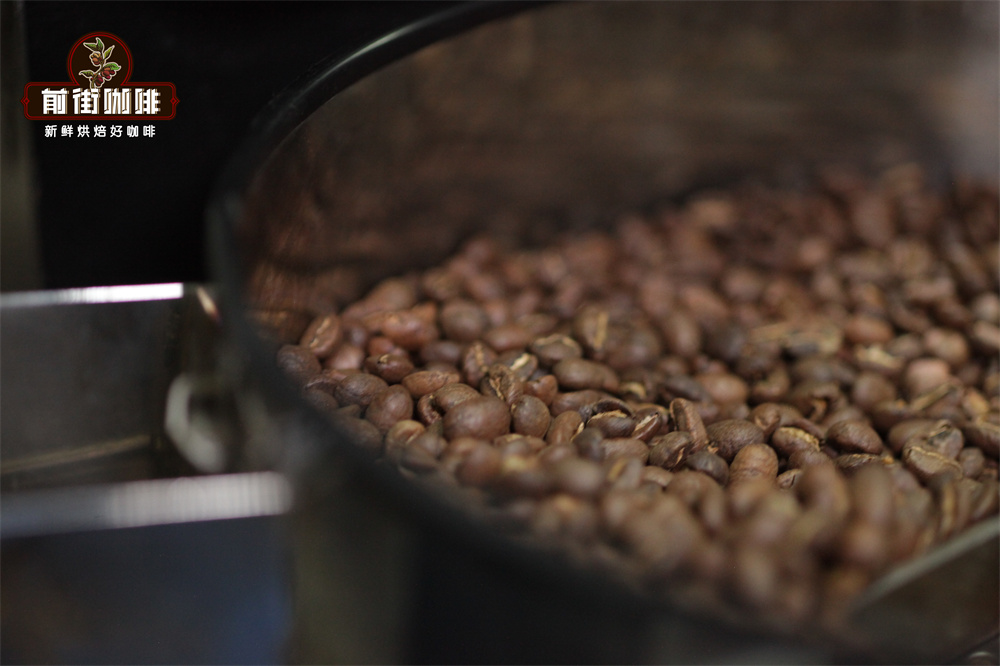
Medium-Dark / Dark Roast(e.g., Full City Roast) falls between the first and second cracks, with beans appearing light brown. Coffees in this range achieve a balance between acidity and bitterness, with flavors becoming richer and serving as the foundation for many European-style coffees. Suitable for those who enjoy a full-bodied taste without pursuing extreme charred notes, these beans are commonly used at home and in offices.
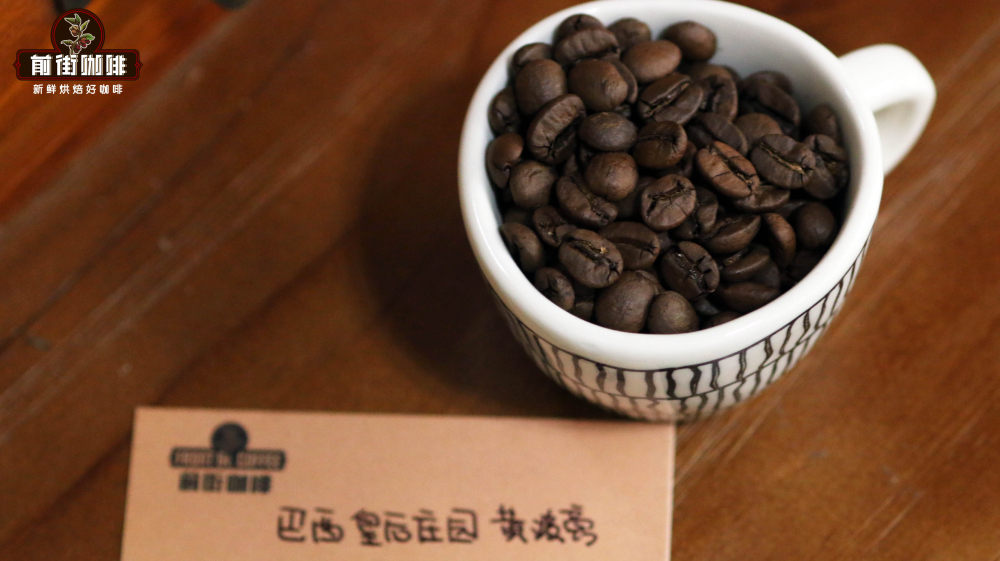
Dark Roast(e.g., French Roast, Italian Roast) involves continued roasting after the second crack until the beans turn black and oily, with a deep color. At this stage, the coffee is dominated by intense smoky bitterness and strong charred aromas, making it ideal for espresso. Common flavors include rich chocolate, smokiness, and carbonized notes, with pronounced bitterness but layered complexity—serving as the base for many signature café drinks.
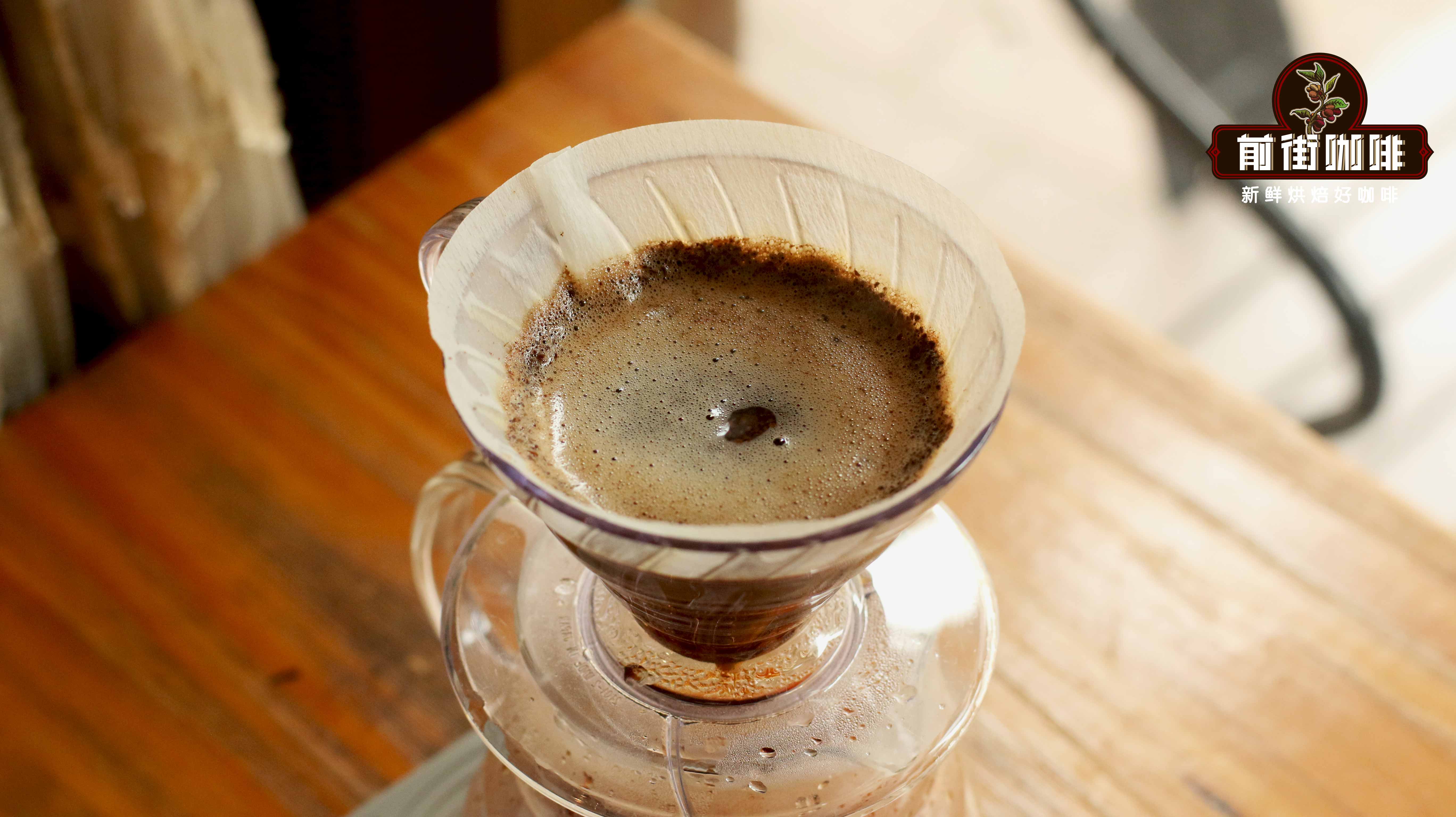
In actual tasting, it’s recommended to adjust brewing parameters according to roast level. For example,light roast beansare suited to higher water temperatures (around 90°C) and medium-fine grinding, with extraction time kept under 2 minutes to fully highlight acidity and aroma. Using a V60 dripper with a 1:15 coffee-to-water ratio is recommended, starting with a 30-second bloom followed by pulse pouring.
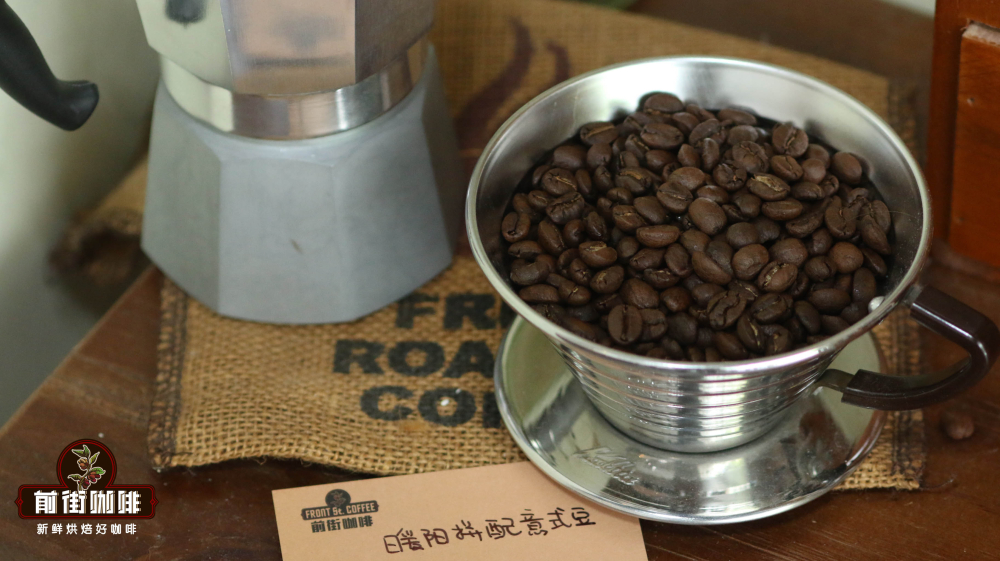
Formedium-dark roast beans,it’s advised to lower the water temperature to around 86°C, switching to medium-coarse grinding and a KONO dripper, with grind size adjusted to 75% passing through a #20 sieve. The pouring time can be extended to 2 minutes and 10 seconds, helping to balance the rich mouthfeel and avoid over-extraction. These beans are generally well-suited for milk-based coffee and can also showcase deep sweetness and a full-bodied texture.
Regardless of which roast level you choose, understanding the basic principles of the Maillard reaction and caramelization can help you more accurately predict and adjust coffee flavors. From the bright fruit acidity of light roasts to the bold smoky depth of dark roasts, each roast level has its unique charm, waiting for you to explore firsthand.

The above content is compiled by CoffeeHunters, a coffee news website.

