








Introduction:Flat White, a classic milk coffee from the Southern Hemisphere, is often regarded as a benchmark for evaluating a barista’s skills. What exactly sets it apart from a latte? How do you master the 0.3cm microfoam and precise integration technique? This article delves into the origin debate of Flat White, its milk ratio, key steam texturing methods, and practical tips to improve latte art success rates—helping you fully grasp this “advanced version of a latte” from parameters to flavor.
Many seasoned baristas believe that ordering a Flat White can quickly reveal the standard of a café—if they can consistently make this milk coffee, which is most likely to “expose flaws,” then other drinks are usually not bad either. This coffee, originating from the long-standing dispute between Australia and New Zealand, may lack an official definition, but it generally shares these common traits: less milk, extremely thin foam, and a pronounced coffee flavor—stronger and more robust than a latte, making it an “advanced version of a latte.”

The origin of Flat White remains a contentious issue between Australia and New Zealand, but no matter where it was invented, it is undeniably a signature milk coffee of the Southern Hemisphere. Due to the absence of an official standard, recipes vary widely across cafés, but high-quality Flat Whites typically adhere to three core principles: minimal milk volume, ultra-thin foam (around 0.3cm), and enhanced coffee aroma—thereby highlighting the layered flavors of the beans themselves.

Foam thickness is the most challenging aspect to control in a Flat White. Like lattes and cappuccinos, Flat White foam needs to be smooth and fine, but it must be even thinner—this directly affects the very first sip’s crema experience. In practice, cappuccinos require a tall 1.5cm mound, so the steam wand is inserted the longest (around 4–5 seconds); lattes aim for balance, with around 2–4 seconds of air intake and foam thickness controlled at 0.5–1cm; whereas Flat Whites, aiming for a texture that is “smooth as cream yet not watery,” are empirically adjusted to a uniform foam thickness of 0.3cm, requiring just 1–2 seconds of air intake (stop when you hear about two “hissing” sounds from the steam wand).
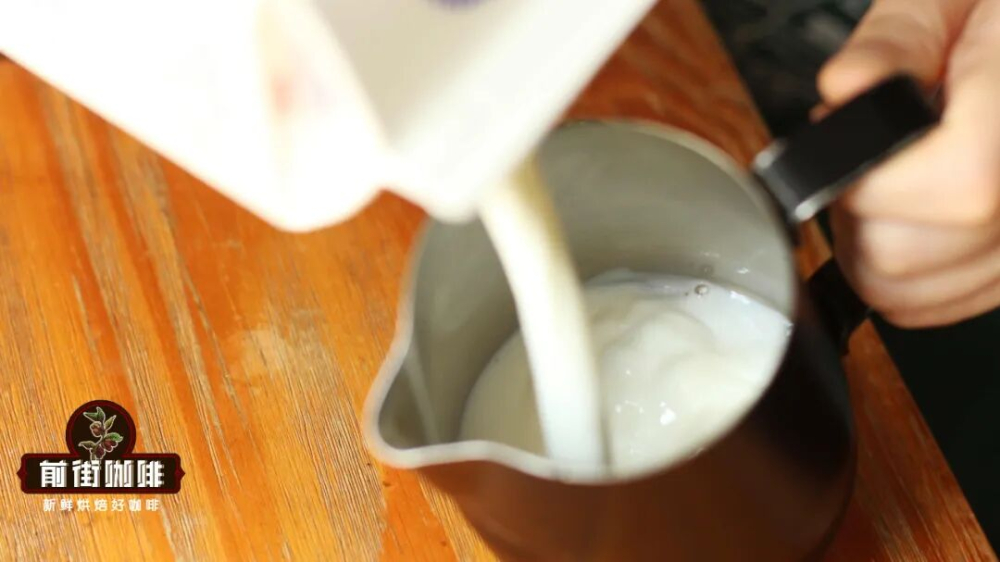
In actual operation, start by briefly introducing air to get the milk spinning, then submerge the steam wand in the center of the milk surface to quickly create a whirlpool and texture the milk until it reaches 50–55°C. During this process, you’ll hear a sharper steam sound, and when you shake the pitcher, bubbles should appear glossy—indicating the foam quality is up to standard. A crucial note: too much air intake will result in overly thick foam, losing the intense coffee character unique to Flat White.

Thin foam also poses challenges for latte art. With a smaller surface area for support, milk tends to sink, and bubbles drift with the flow, causing designs to deform easily—that’s precisely why many baristas consider Flat White to have the highest latte art failure rate. Most cafés opt for simple patterns to ensure consistency; only competition baristas or seasoned enthusiasts attempt complex designs. Practical advice: if you’re aiming for perfect latte art, first practice stabilizing the foam thickness, then gradually improve your decorating techniques.
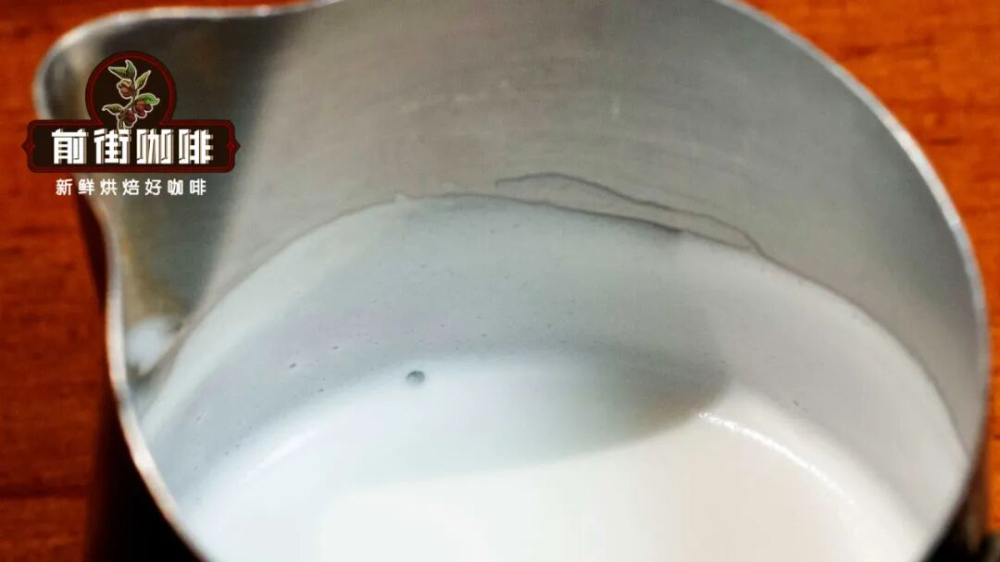
The integration of coffee and milk determines the final flavor. A high-quality Flat White requires premium beans and well-matched milk, along with precise ratio blending. For example, when using a specialty espresso blend, you can extract a double Ristretto (20g coffee grounds yielding 30g liquid in 22–25 seconds) as the base, paired with 160ml of fresh milk (such as Bright Dairy fresh milk). During integration, slowly pour hot milk, then raise the pitcher slightly to use a small stream of milk to stir the crema in circular motions via gravity, followed by lowering the pitcher to draw out white lines, ensuring even mixing.

A successful Flat White should have a smooth surface without layer separation, and the latte art design should be clear and long-lasting. Upon drinking, the temperature should be moderate (around 55°C), allowing you to distinctly taste the roasted hazelnut, dark chocolate, and toasted bread notes of the coffee beans, with rich crema aroma complemented by the sweetness of milk—full-bodied yet not bitter, and layered with complexity. Mastering these key details—from foam thickness, steam parameters, to integration techniques—you too can craft a classic Flat White that meets Southern Hemisphere standards.



The above content is compiled by CoffeeHunters, a coffee news website.


