







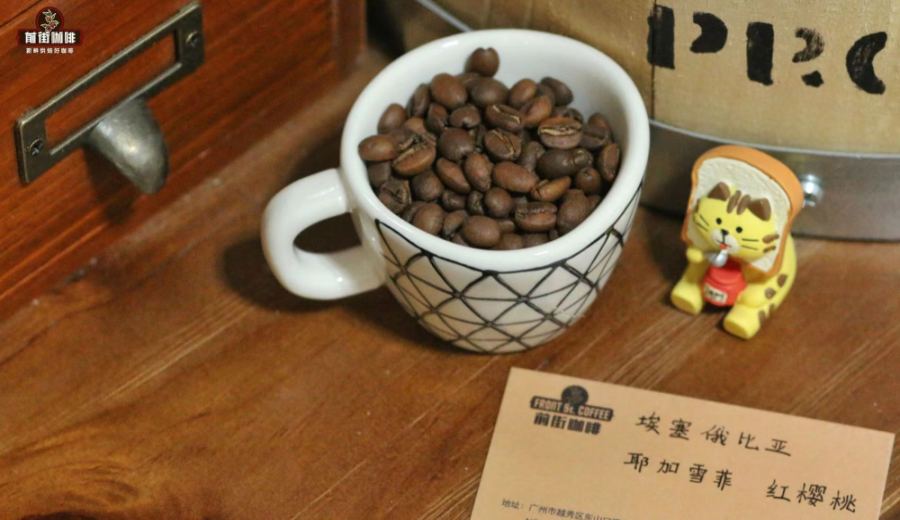
Introduction:Yirgacheffe is hailed as the "fruit bomb" of the coffee world, yet even within the same origin, washed and natural processed beans can yield vastly different flavor profiles. This article delves into the unique flavor characteristics and processing differences between the washed Guji Ding Ding and the natural Red Cherry Yirgacheffe, offering practical pour over parameters to help both beginners and seasoned enthusiasts choose the right beans and improve their extraction quality.
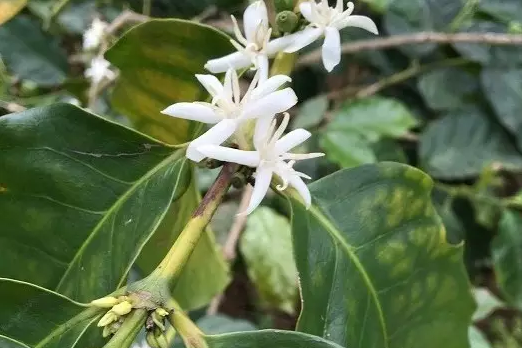
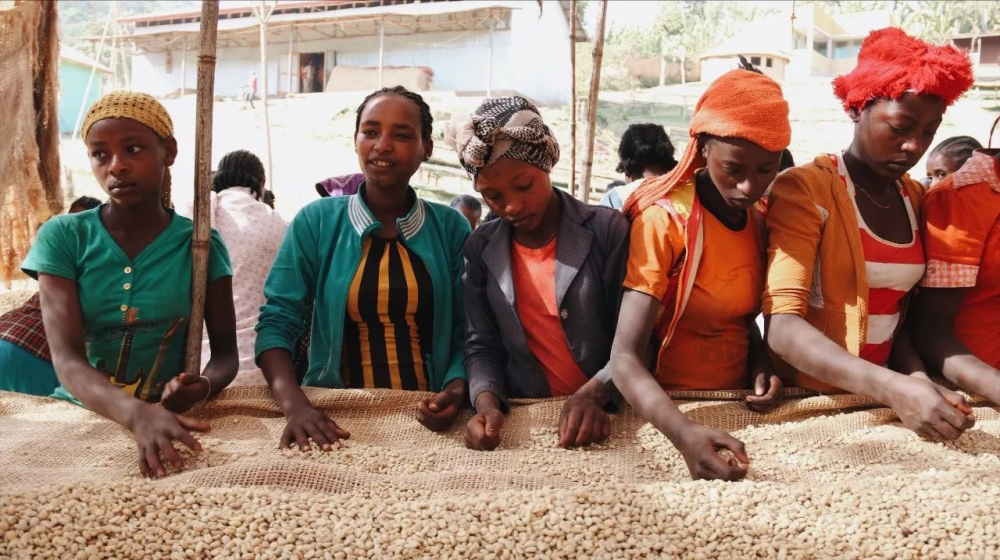
As the birthplace of coffee, Ethiopia boasts an exceptionally rich coffee gene pool and unparalleled growing conditions. The region’s high altitude and significant diurnal temperature variation create a coffee fruit with intense and complex flavor potential. Local smallholder farmers often intercrop coffee trees with other plants around their homes, after which the harvested cherries are sent to nearby processing stations and sold under the names of cooperatives or processing factories—this is why we often hear names like Guji Ding Ding and Red Cherry.
Ethiopia’s renowned coffee regions include Yirgacheffe, Sidamo, and Guji, among others. These areas, due to their microclimates and varying processing methods, produce coffee with distinct flavor profiles. Among them, Yirgacheffe is famed for its bright floral and fruity notes, making it a top choice for many pour over enthusiasts. The Guji Ding Ding Cooperative washed beans and Red Cherry natural beans from Yirgacheffe are classics among classics, showcasing entirely different taste experiences.
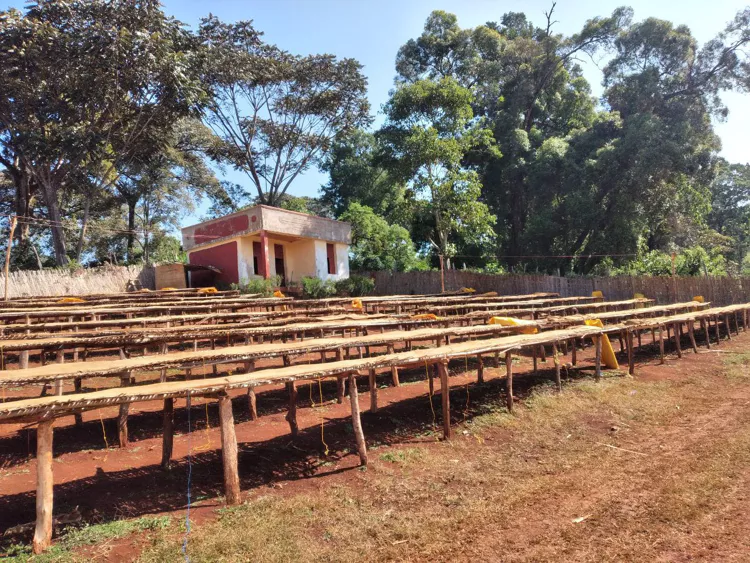
The Guji Ding Ding Cooperative (Banko Gotiti) is located in a small village in the Gedeo region. Originally part of the Worka Cooperative under the Yirgacheffe Coffee Farmers Cooperative Union (YCFCU), it gained distinction in 2012 for its exceptional washed processing technique. Traditional natural processing can easily cause coffee beans to absorb impurities and undesirable odors, whereas the washed method, through meticulous fermentation, mucilage removal, and raised bed drying, can more stably present clean, bright citrus and floral notes. The washed Yirgacheffe from Guji Ding Ding, through rigorous processing steps, delivers fresh passion fruit, citrus, and berry acidity, along with a soft tea-like body and honey finish.
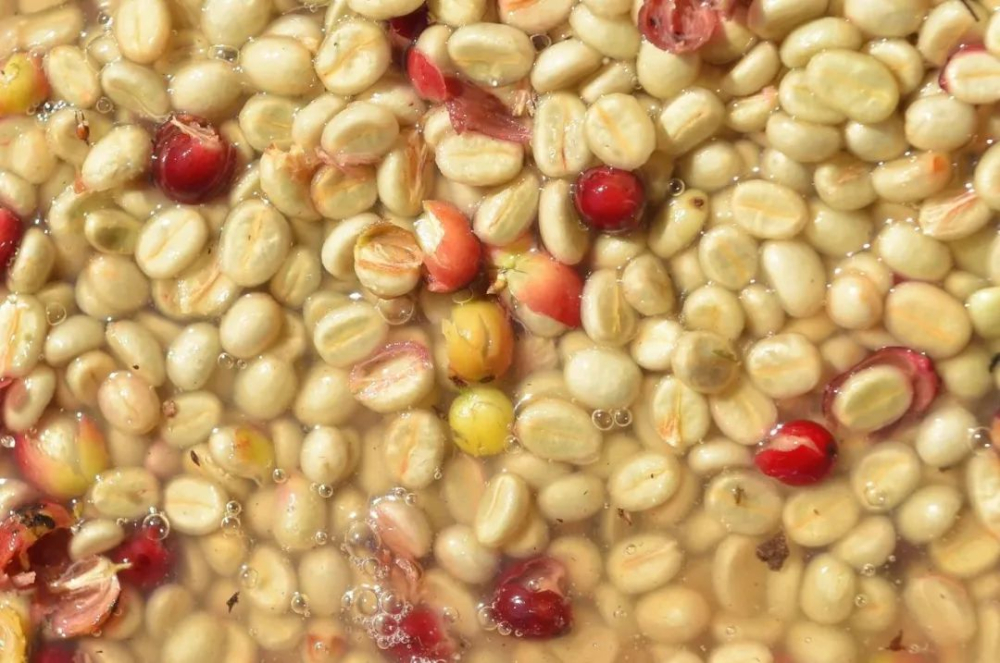
The washed process makes the flavor layers of Yirgacheffe more distinct, and medium-light roasting can perfectly highlight its vibrant fruit acidity and delicate floral notes, making it ideal for coffee lovers who prefer a clean, bright taste. The dry aroma often carries the fresh scent of passion fruit and citrus, while the brewed cup reveals bright lemony acidity and sweet berry flavors, with a tea-like body and honey sweetness in the aftertaste. The overall body is low but extremely clean and refreshing.Recommended for pour over using a V60 filter with water at 92–93°C, a brew ratio of 1:15, and a grind size of approximately 78% passing through a 20-mesh sieve..
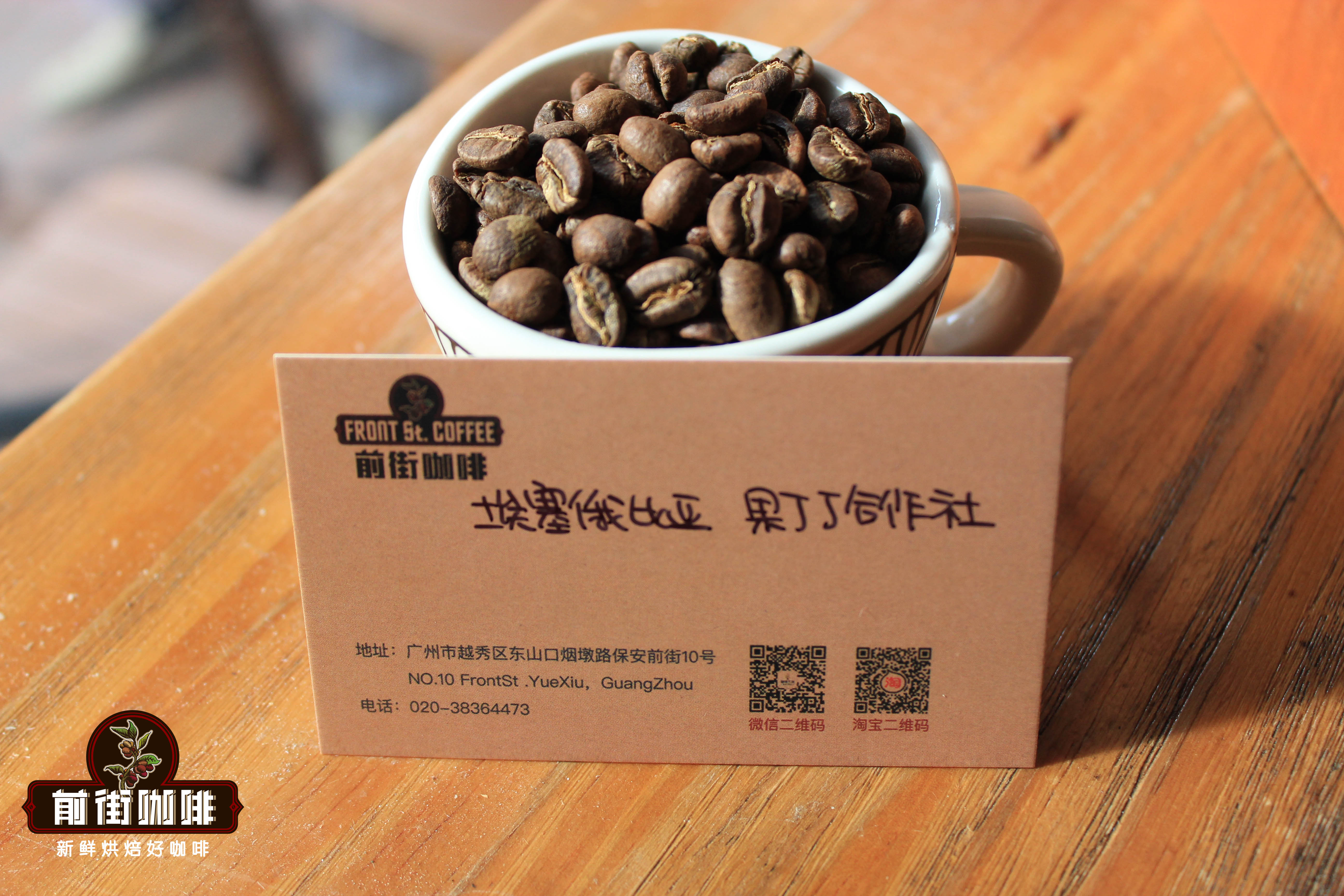
In contrast, the natural Red Cherry Yirgacheffe presents a distinctly different profile. The abundant sunlight and dry climate of the Ethiopian highlands allow the natural process to fully retain the sugars and aromas in the fruit pulp, enabling the coffee beans to ripen naturally within the cherry and amplifying the inherent tropical fruit characteristics. This processing method typically results in a fuller body, richer fermentation notes, and pronounced sweetness, making it highly favored by those who enjoy rounded fruit sweetness and a heavier mouthfeel.
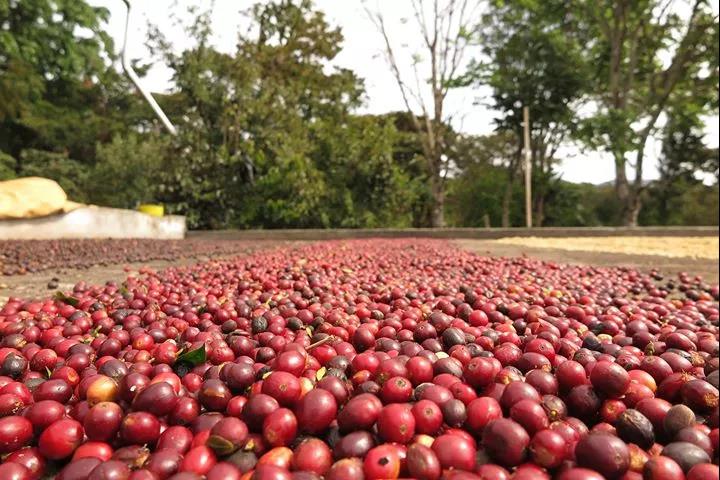
The name "Red Cherry" originates from the "Red Cherry Project" launched in 2007 by Dutch trader Trabocca BV, aimed at improving processing standards in high-altitude regions like Yirgacheffe. It emphasizes harvesting only fully ripe red cherries and incorporates professional cupping guidance, significantly elevating the final coffee quality. Through precise natural processing control, these coffees often exhibit berry-like acidity and sweetness, the fermentation complexity of ripe fruit, and a black tea-like finish, with greater depth of flavor as the temperature changes.
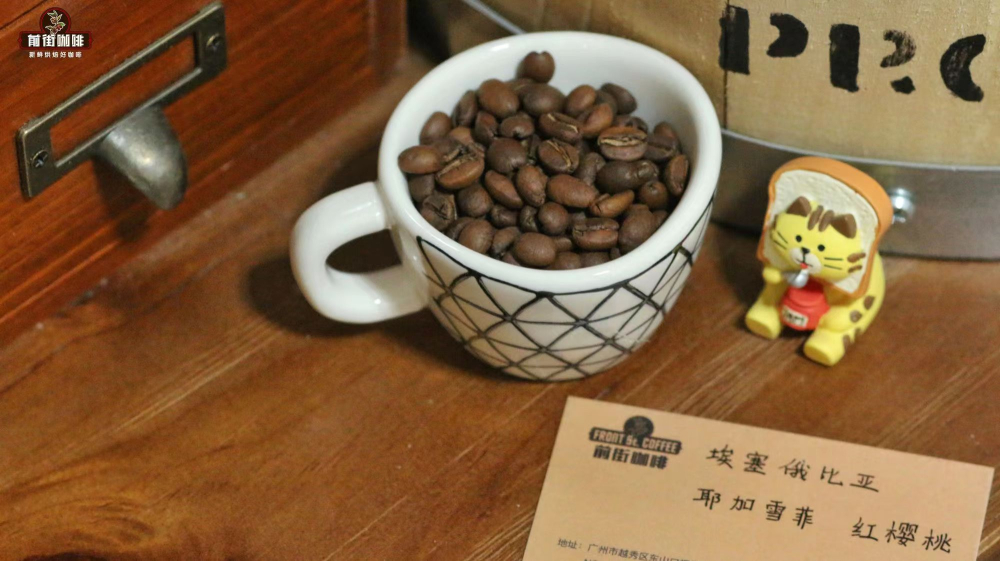
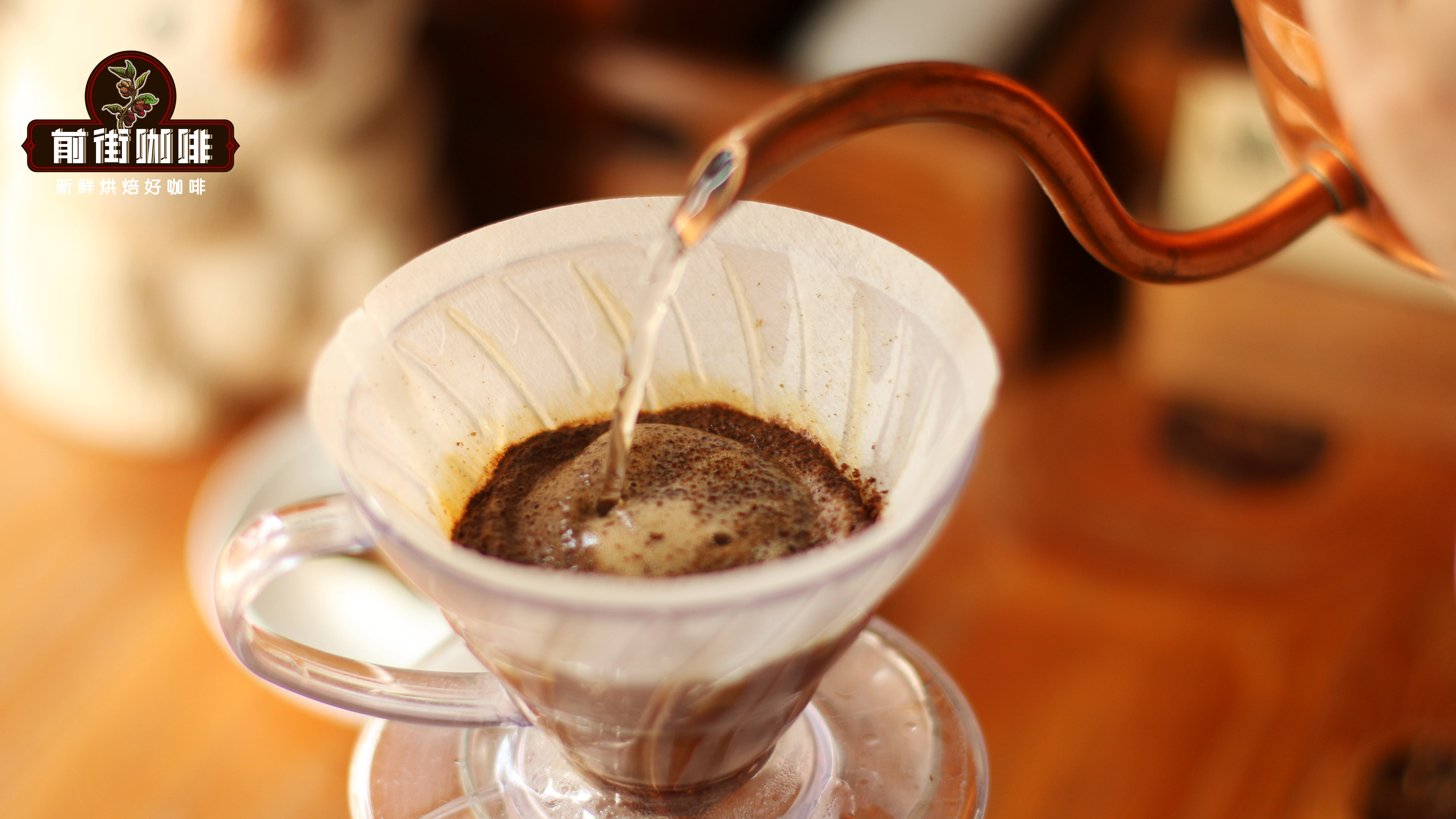
For pour over brewing of Yirgacheffe, medium-light roasting is recommended to preserve its vibrant floral and fruity notes. For beginners, washed Yirgacheffe is an excellent entry-level bean due to its clear flavors and bright acidity, making it perfect for practicing pour over techniques. Practical pour over parameters include: water temperature 92–93°C, 15 grams of coffee, a brew ratio of 1:15, and a grind size close to that of fine sugar (approximately 78% passing through a 20-mesh sieve). Use a three-stage pouring method: the first stage involves blooming with twice the coffee weight in water (about 30 grams) for 30 seconds, the second stage pours up to 125 grams with a brief pause, and the final stage pours up to 225 grams, with a total extraction time of about 2 minutes.
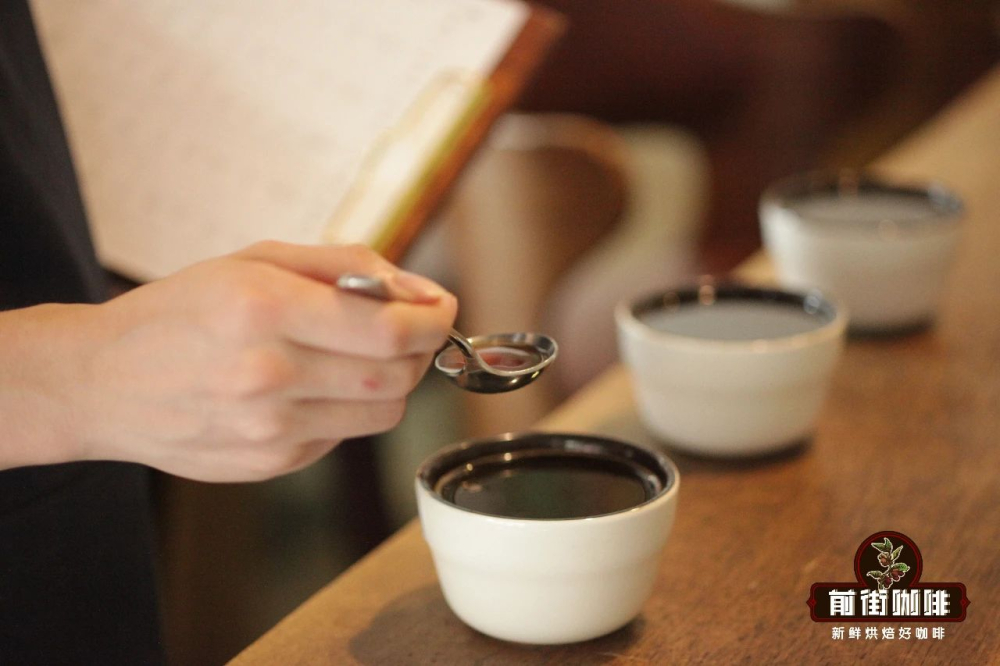
The brewed Guji Ding Ding washed Yirgacheffe offers a refreshing acidity of lemon, citrus, and green tea, gradually revealing berry, cream, and sugarcane notes as it cools, with a sweet and layered overall taste. In contrast, the Red Cherry natural Yirgacheffe showcases richer berry acidity and sweetness, pronounced fermentation aromas, and honeyed sweetness, with a smooth and full-bodied mouthfeel—ideal for those who enjoy rounded fruit flavors and a heavy finish.
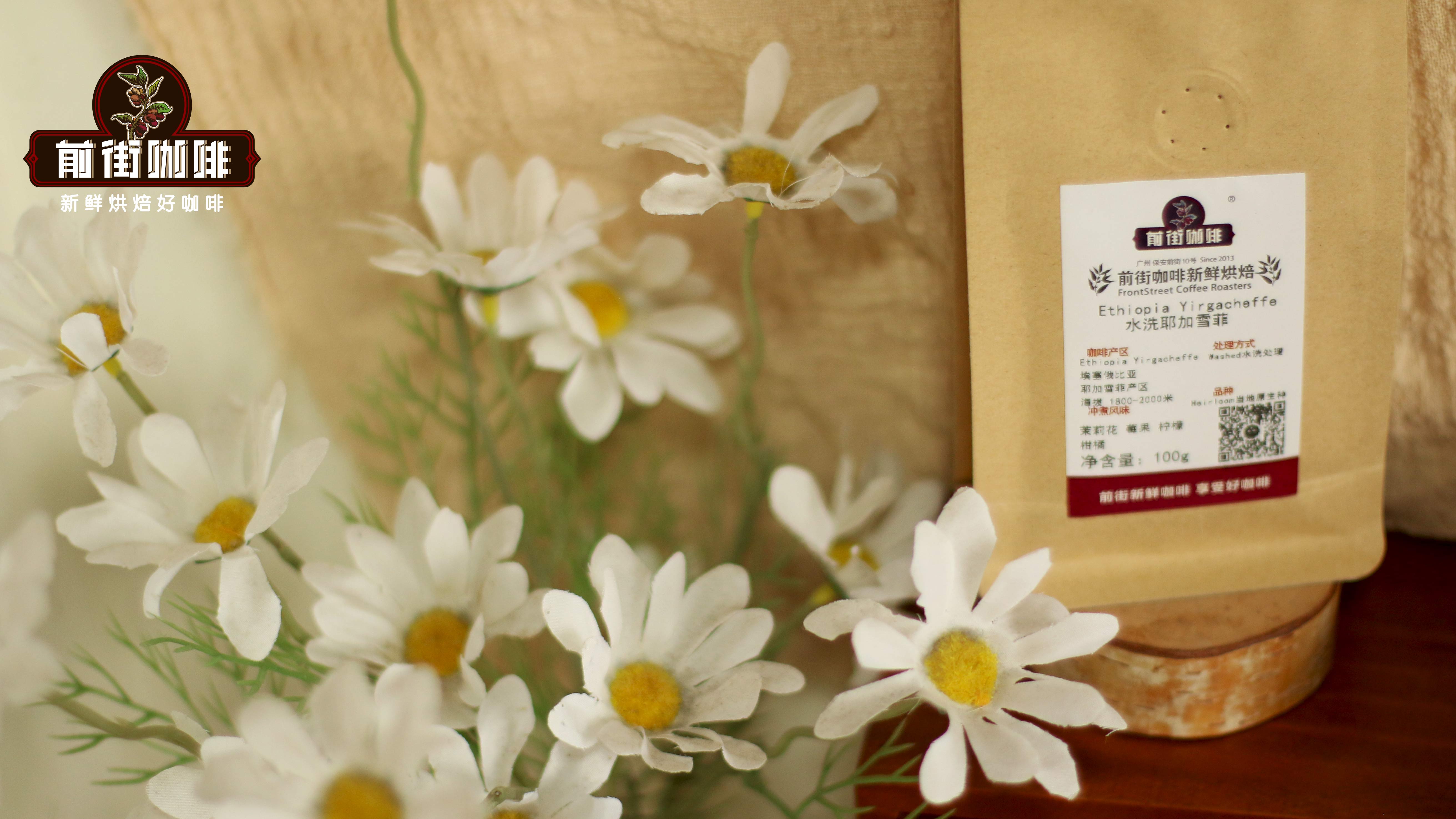
For those new to coffee, the Yirgacheffe series offers classic, budget-friendly everyday beans suitable for various brewing methods such as pour over, cold brew, or French press. The small packaging design also helps prevent oxidation and maintain freshness. Whether you prefer the bright, clean flavors of washed coffee or the rich, sweet notes of natural, Yirgacheffe caters to diverse flavor preferences and serves as an excellent starting point for both beginners and advanced explorers of pour over coffee.
The above content is compiled by CoffeeHunters, a coffee news website.


