








Introduction:The French press, with its simple operation and rich flavor, has become the go-to choice for many coffee beginners. This article delves into the origins and design evolution of the French press, helping you master key parameters such as the optimal grind size, coffee-to-water ratio, and water temperature control. Taking Ethiopian Natural Huikuai beans as an example, we provide a complete brewing guide along with flavor profile descriptions, so you can brew a balanced and smooth cup of coffee at home.

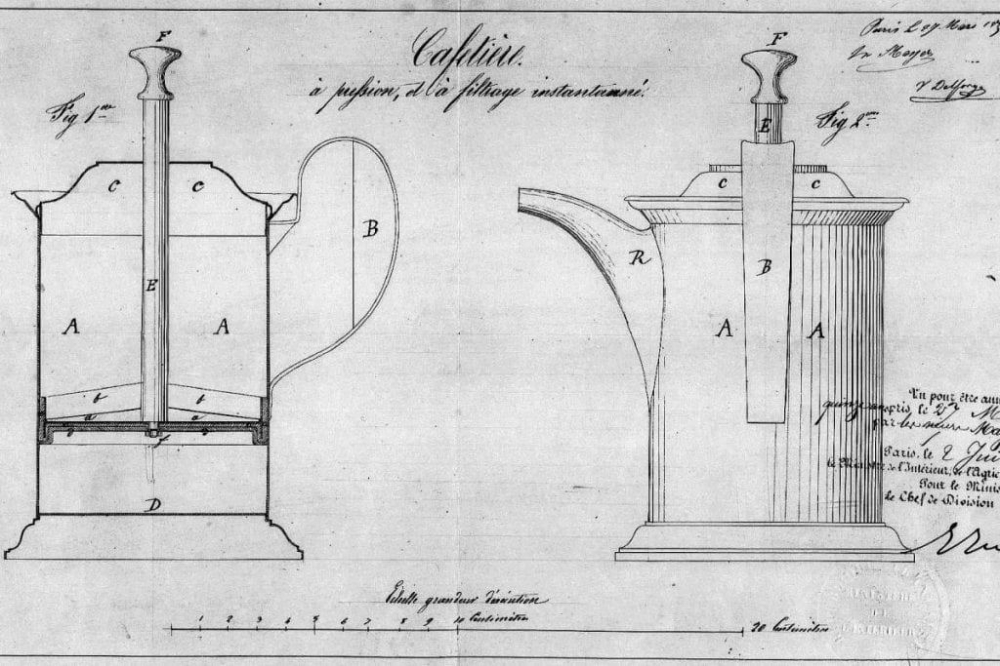
The story behind the birth of the French press is full of legend. Although it is named after “France,” the first patent for a design resembling the modern version was obtained by Italian Milanese inventor Attilio Callimani. It is said that in the 19th century, the French were the first to add a filter to their coffee pots, effectively separating the grounds. This design later spread to Italy, where Callimani improved it and applied for a patent. Notably, this was just one of his eight patents related to beverage preparation, highlighting his dedication to innovating coffee equipment.
Modern French presses are typically made from high-temperature-resistant borosilicate glass, which is not only shockproof but also transparent for easy observation. Paired with a stainless steel filter and plunger, they form an affordable brewing system. For those new to specialty coffee, its “immersion brewing” principle can steadily highlight the essential flavors of coffee, making it especially suitable for users who prefer a bold taste.
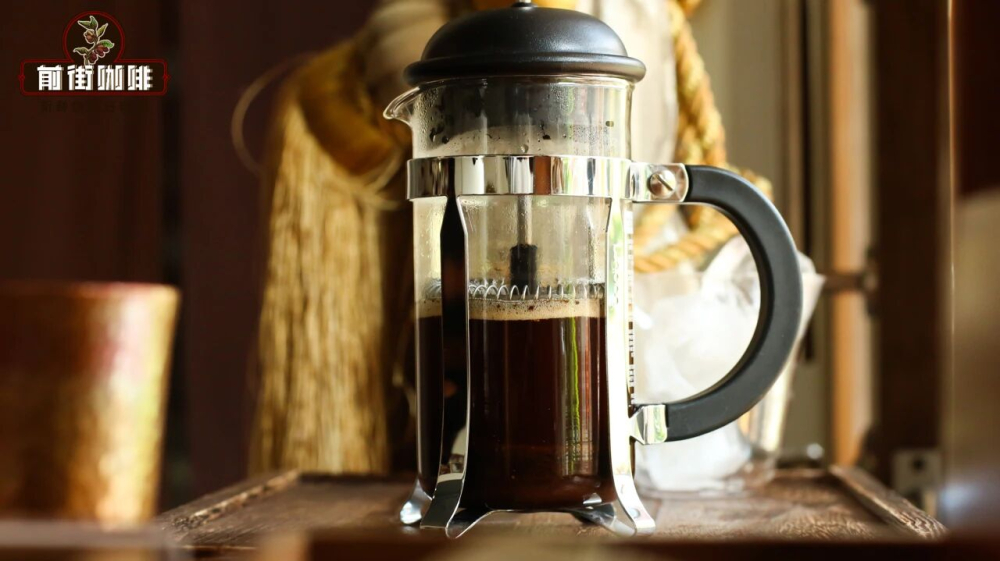
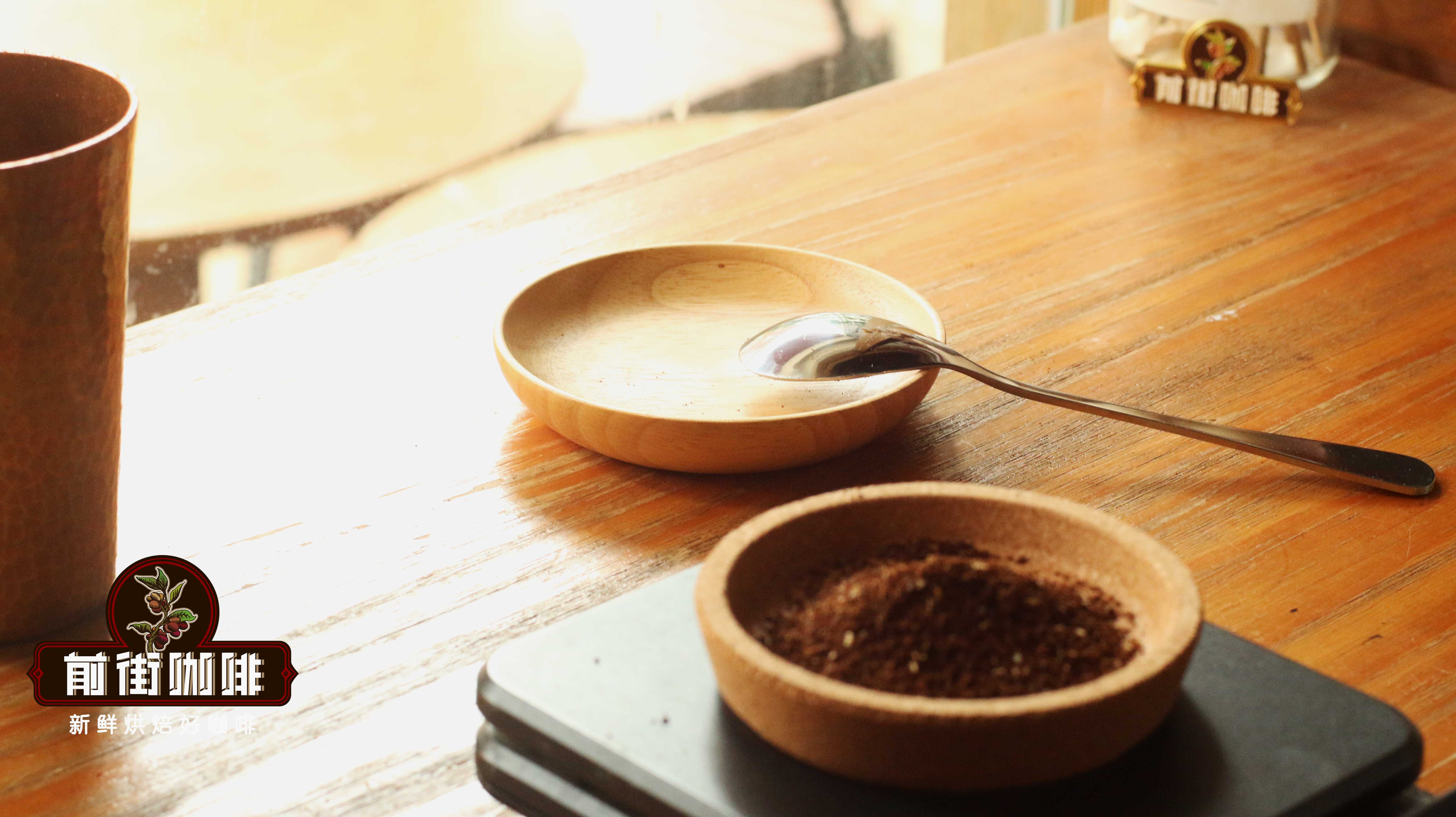
The core extraction mechanism of the French press lies in fully steeping coffee grounds in hot water, then separating the grounds from the liquid through a metal filter. This method retains abundant oils and fine suspended particles, giving the coffee a rich texture and full body. Meanwhile, the filter effectively blocks most particles, ensuring a clean mouthfeel. The key is to adjust the grind coarseness to approximately the size of coarse sugar—if too fine, it may lead to over-extraction and produce noticeable sediment and a gritty feel.
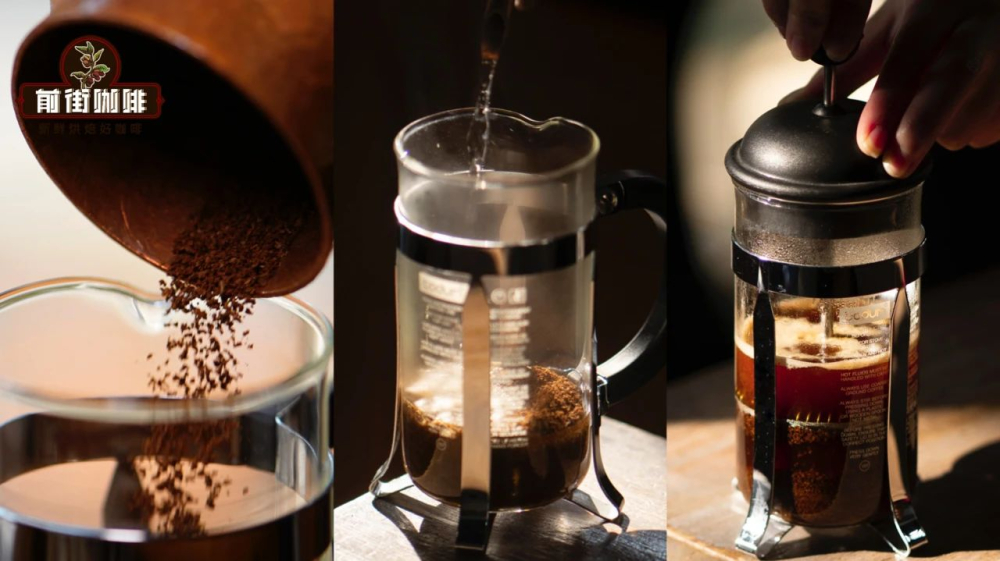
In practice, it’s recommended to preheat the French press with hot water first to prevent heat loss and maintain extraction efficiency. The ideal coffee-to-water ratio falls between 1:13 and 1:15 (for example, 15 grams of coffee to 225 milliliters of water), and can be fine-tuned according to personal preference. Water temperature should be selected based on roast level: medium to light roasts (such as Ethiopian beans) work best at 90–93°C to enhance fruit acidity and aroma; medium to dark roasts are better brewed at 86–88°C to avoid extracting excessive bitter compounds.
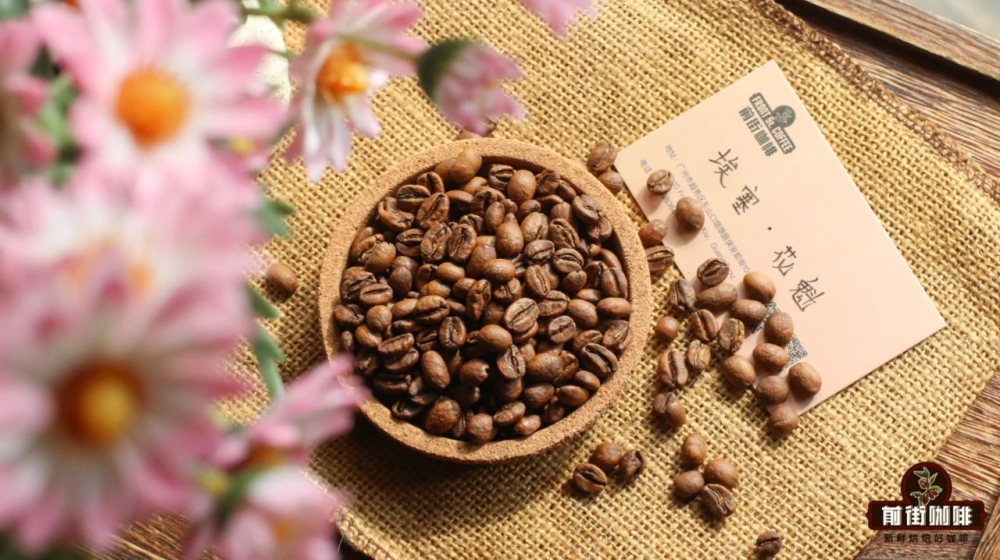
Take the classic Natural Huikuai beans as an example: sourced from the Guji Hambella region of Ethiopia’s Sidamo zone, these beans are grown at high altitudes of 2050–2300 meters, yielding unique berry notes. Processed using the traditional natural (sun-dried) method and certified as the 2017 East African Green Bean Competition Natural Category Champion, these beans offer intense mixed berry aromas and a silky creamy mouthfeel, making them an ideal choice to showcase the strengths of French press brewing.

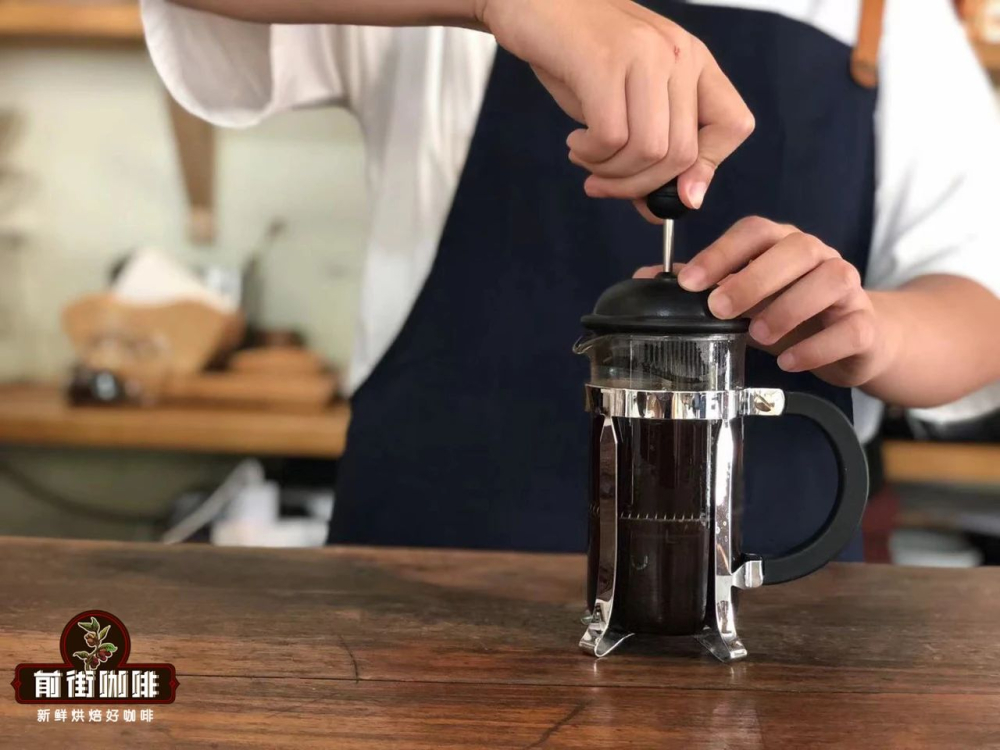
Recommended actual brewing parameters: Use a medium-coarse grind that allows 75% of particles to pass through a #20 sieve. Add 15 grams of coffee grounds and 225 grams of 91°C hot water. After preheating the French press and discarding the rinse water, add the coffee grounds and pour in the hot water. A high water flow rate is suggested to promote agitation of the coffee bed, or you may gently stir to improve evenness. Let it steep for 4 minutes, then slowly press the plunger down to about one-quarter of its travel before pouring and enjoying the coffee.
A well-brewed Huikuai French press coffee delivers distinct layers of berry-like aromas, accompanied by a juicy freshness and silky-smooth mouthfeel. The full body and balanced acidity-sweetness ratio showcase the characteristics of the natural processing method, making it perfect for those who enjoy bold flavors while seeking a clean cup. Remember to fine-tune grind size and brewing time according to your personal taste to find your own golden ratio.
The above content is compiled by CoffeeHunters, a coffee news website.


