








Introduction:Want to understand the origins and charm of cold brew coffee? This article delves into the brewing principles behind cold brew, with a special focus on washed-process Yirgacheffe coffee beans. It provides expert-recommended cold brew ratios, grind size suggestions, and optimal extraction times. Whether you're a beginner or a coffee enthusiast, you’ll master key cold brew techniques and gain insight into why Yirgacheffe is particularly well-suited for cold brewing—delivering a perfect balance of refreshing fruity notes and delicate acidity.
On a hot summer day, an ice-cold coffee is undoubtedly a great choice; even in autumn, iced coffee still enjoys a loyal following. The allure of this type of coffee lies not only in its cool and refreshing taste but more so in its unique brewing method. Compared to traditional high-temperature brewing, cold brew coffee relies on low-temperature, long-duration steeping, which significantly reduces the chances of tannic acids converting into quinic acid—thereby minimizing bitterness and excessive acidity, resulting in a smoother drinking experience.

The essence of cold brew coffee lies in the low-temperature extraction process. When coffee grounds come into prolonged contact with cold water, only smaller molecular weight aromatic compounds—such as fresh floral and fruity notes—are effectively released, while larger molecules responsible for smoky or dark roast flavors are less likely to dissolve. This allows cold brew coffee to better showcase the pure flavor profile of the beans, resulting in a smoother mouthfeel, distinct layers, and a sweet aftertaste.
This brewing method has gained popularity in the United States in recent years. Its defining feature is that it only requires cold water and coffee grounds, without relying on high-temperature equipment, thus producing a purer cup of coffee. Compared to traditional hot-brewed coffee, cold brew tends to have a gentler flavor, softer acidity, along with natural sweetness and mellow fruitiness, making it perfect for slow sipping.

The rise of cold brew coffee is related to the preferences of a new generation of consumers who favor milder and less stimulating flavors. Compared to espresso, cold brew is more widely accepted and aligns better with the trend toward healthy beverages. With lower acidity and bitterness, it usually doesn’t require additional sugar or creamer for flavoring, preserving the coffee’s original character.
The history of cold brew can be traced back to the Dutch colonial era. At that time, the Dutch transported coffee beans from Indonesia back to Europe. Due to the lack of hot water on ships, they developed a method of soaking coffee in cold water. Interestingly, people at the time believed cold brew was easier on the stomach—even though the scientific reasoning wasn’t understood—its low temperature actually inhibits the release of acidic compounds.
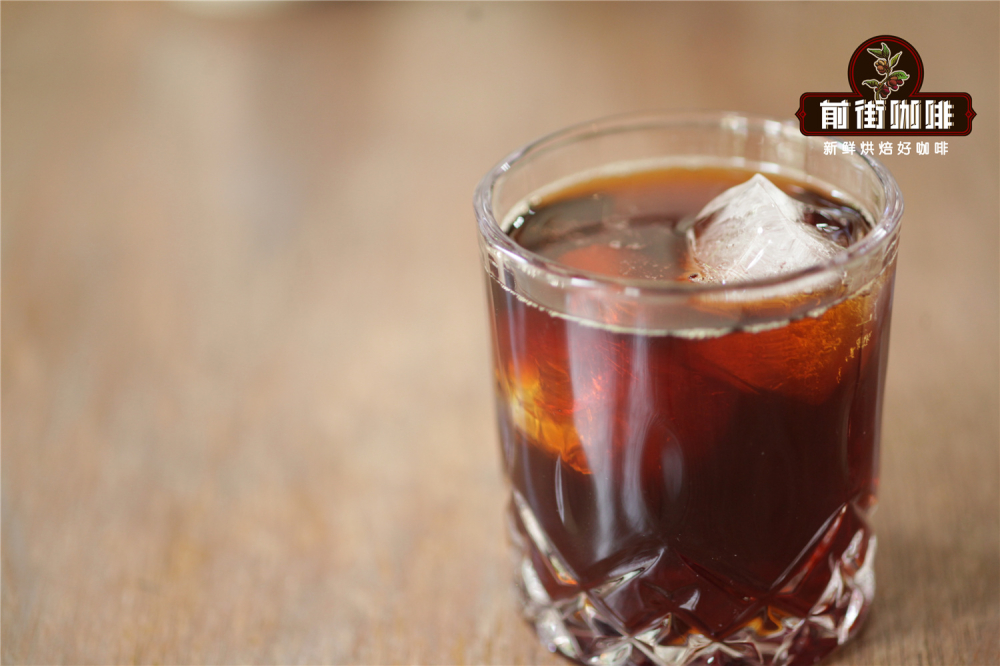
In Japan, there is also a long-standing cold brew coffee culture known as “Kyoto-style coffee.” Since the 17th century, locals have used cold water combined with drip or filtration techniques to brew coffee. This method has evolved into the highly regarded ice drip coffee we know today, often featuring exquisitely designed equipment that resembles works of art.
So, what water temperature should be used for cold brew? It is generally recommended to use room temperature or colder water, around 20–22°C, and allow the coffee grounds to steep in water for an extended period—typically between 12 to 48 hours. This process primarily extracts small-molecule flavor compounds such as floral and fruity notes, while avoiding the release of excessive smoky or roasted flavors, and also noticeably lowers acidity. However, it's important to note that this method has a relatively low extraction efficiency, so longer steeping times are required to achieve the desired flavor.
A common question is whether cold brew or ice drip tastes better. In truth, each has its own characteristics. Cold brew generally offers a bolder flavor, making it suitable for those who prefer a fuller-bodied taste, while ice drip delivers clearer, more distinct layers of flavor—ideal for those seeking subtle nuances. The choice ultimately depends on personal taste preference.
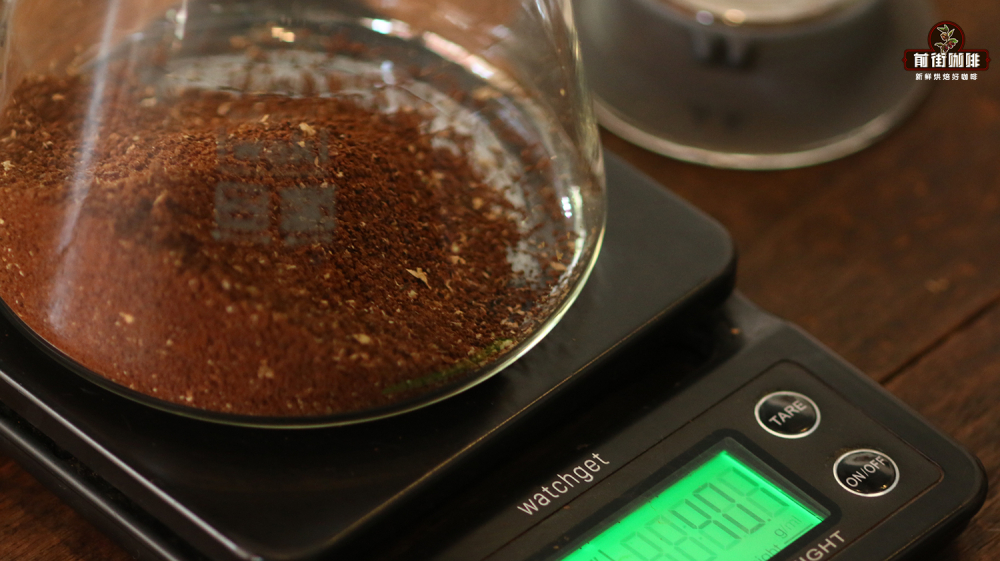
Making cold brew coffee at home is very simple and doesn’t require complex equipment. All you need is a clean, airtight container. It’s recommended to use a grind size similar to that for pour over—about as coarse as fine sugar. If you don’t have a grinder at home, you can ask a coffee shop or retailer to grind the beans for you. Using freshly roasted coffee beans is especially important; it’s best to choose beans roasted within the last five days to achieve the optimal flavor.
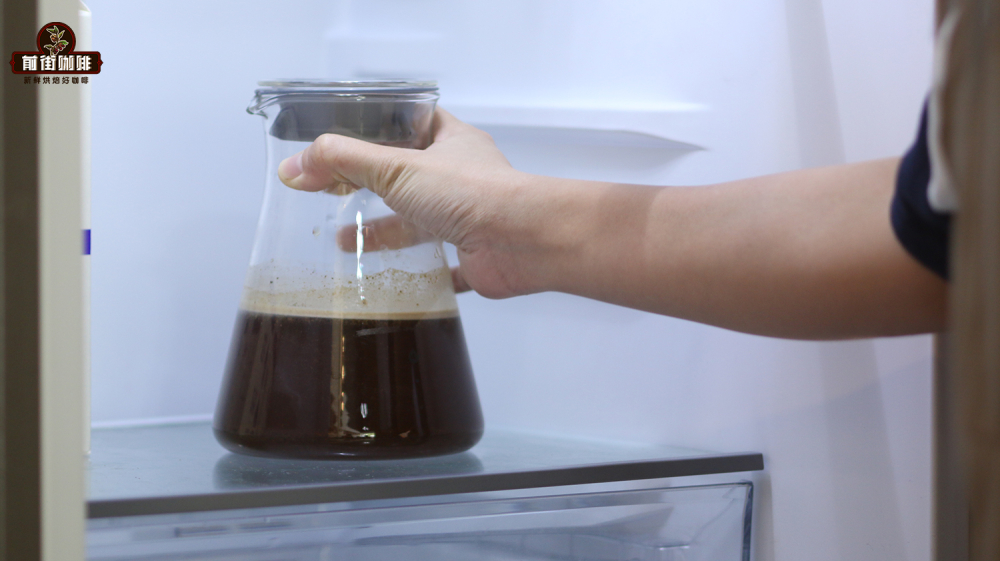
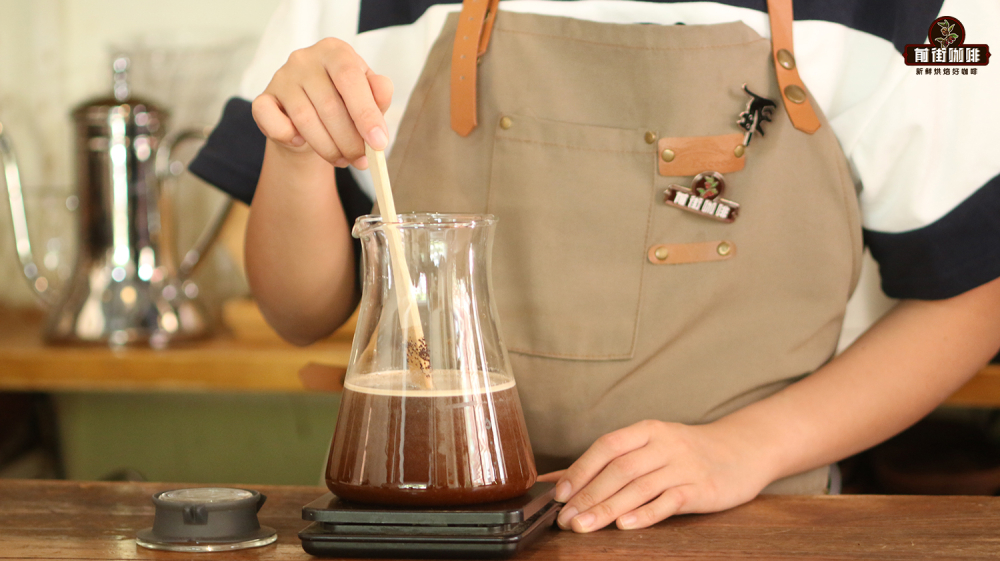
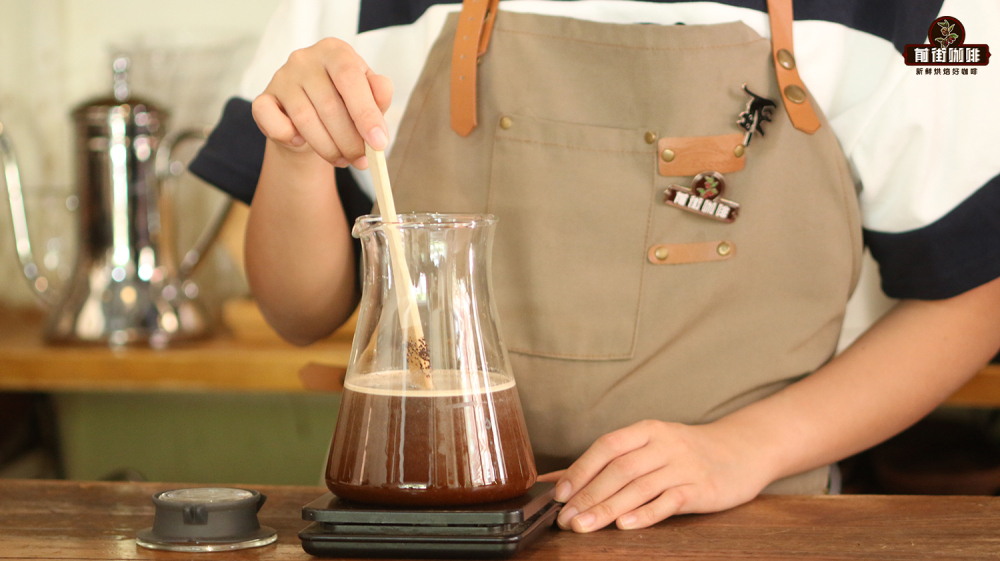
The standard cold brew ratio is recommended as 40 grams of coffee grounds to 520 milliliters of room temperature or cold water, with a coffee-to-water ratio of about 1:13. After thoroughly stirring the coffee grounds and water, seal the container and place it in the refrigerator. Let it steep for 8 to 12 hours to allow the flavors to slowly develop. This time range can be adjusted slightly based on personal preference—extend the time if you prefer a stronger flavor, or shorten it if you prefer a lighter one.
Choosing the right coffee beans for cold brew is also crucial. Generally, medium-to-light roasted beans perform better and can be divided into two main categories: one features fermentation-driven flavor profiles, such as strawberry candy, Mozart, Moonflower Night, and Rose Valley; the other highlights bright, refreshing fruity and floral acidity, such as sun-dried red cherry, Fruit Ding Ding, washed Flower Butterfly, and Kenyan little tomato. These bean varieties can all showcase unique flavor layers during the cold brew process.
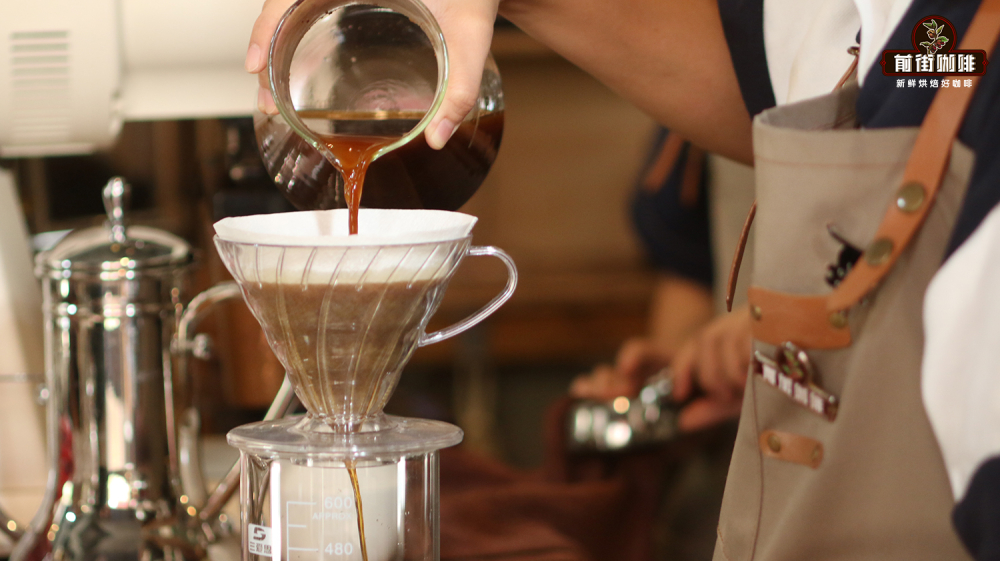
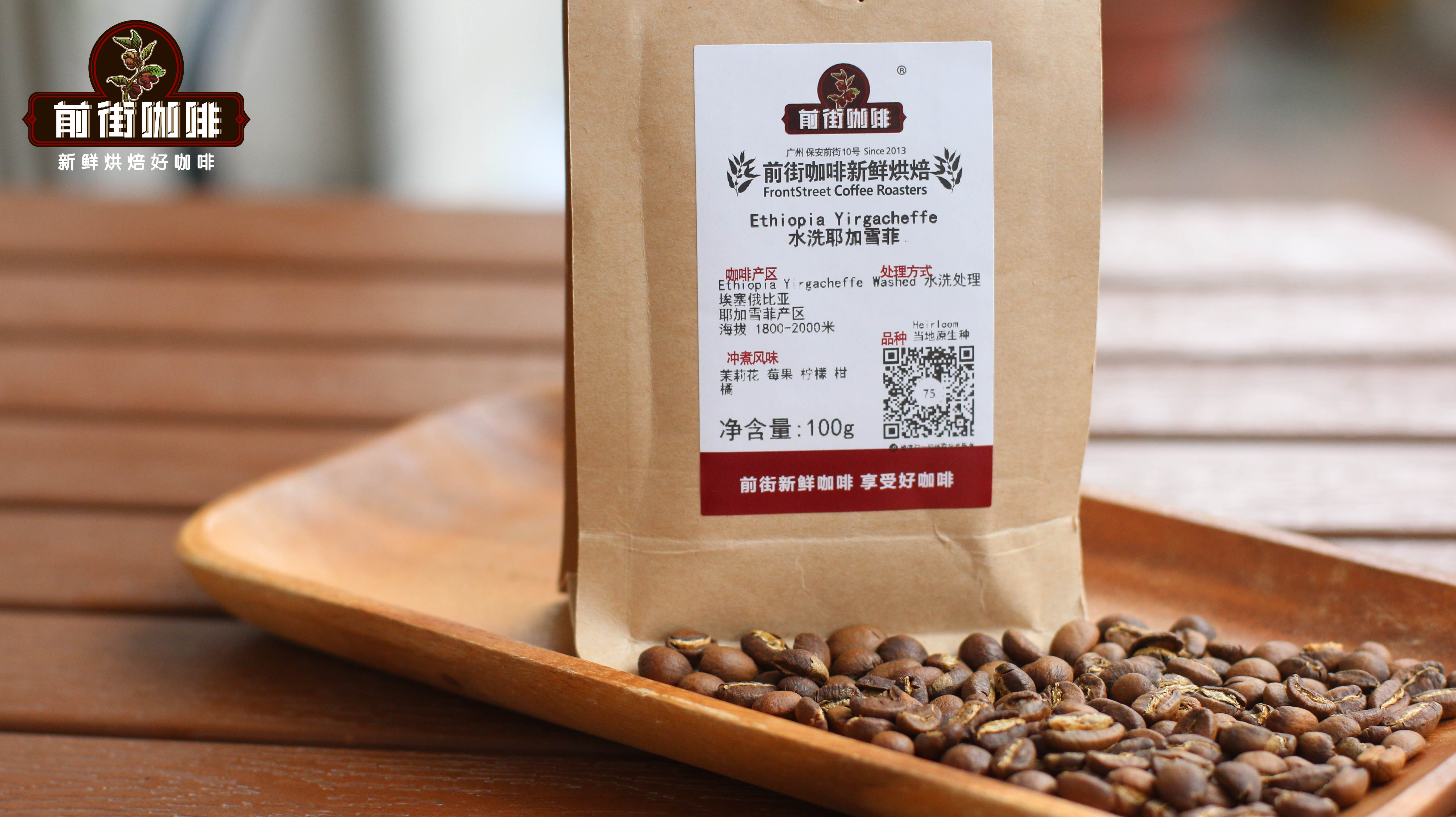
This recommendation uses Yirgacheffe coffee beans for cold brewing. As a classic region in Ethiopia, Yirgacheffe is renowned for its distinctive citrus, lemon, and berry aromas, along with subtle jasmine floral notes. Its acidity is bright yet layered, with a clean and refreshing overall mouthfeel, making it one of the representatives of African specialty coffee. Its balanced sweet and acidic structure, coupled with its delicate texture, makes it an excellent choice for cold brew coffee.
The elegant flavors of Yirgacheffe stem from its unique terroir, premium Arabica varieties, traditional washed processing method, as well as precise control over roasting and brewing. To fully showcase its characteristics, it is recommended to use freshly roasted coffee beans—the optimal flavor window is usually after the 4 to 7-day resting period post-roast, when the flavors are most rich and balanced.
Whether you’re passionate about pour over, cold brew, ice drip, or single-origin coffee, the wide variety of coffee beans available from different regions and processing methods can meet diverse preferences. By selecting the right beans and mastering the correct brewing ratios and times, you can enjoy a professional-grade cold brew experience at home.

The above content is compiled by CoffeeHunters, a coffee news website.


