








Introduction:The French press is one of the most common immersion-style coffee brewing devices — simple to use yet full of potential. This article delves into the extraction principles of the French press, covering everything from the golden coffee-to-water ratio, suitable grind size, water temperature control, to optimal steeping time, guiding you to master a complete and practical set of brewing parameters. We also recommend several coffee bean varieties that perform exceptionally well with the French press, along with tips for making iced coffee and advice on cleaning, offering valuable insights for both beginners and advanced users.
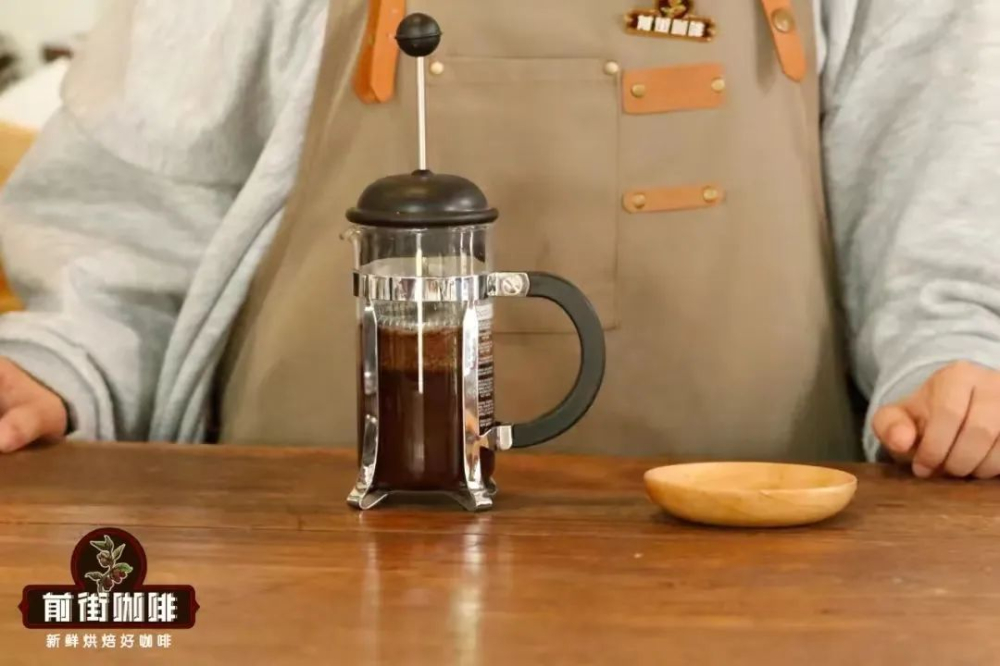
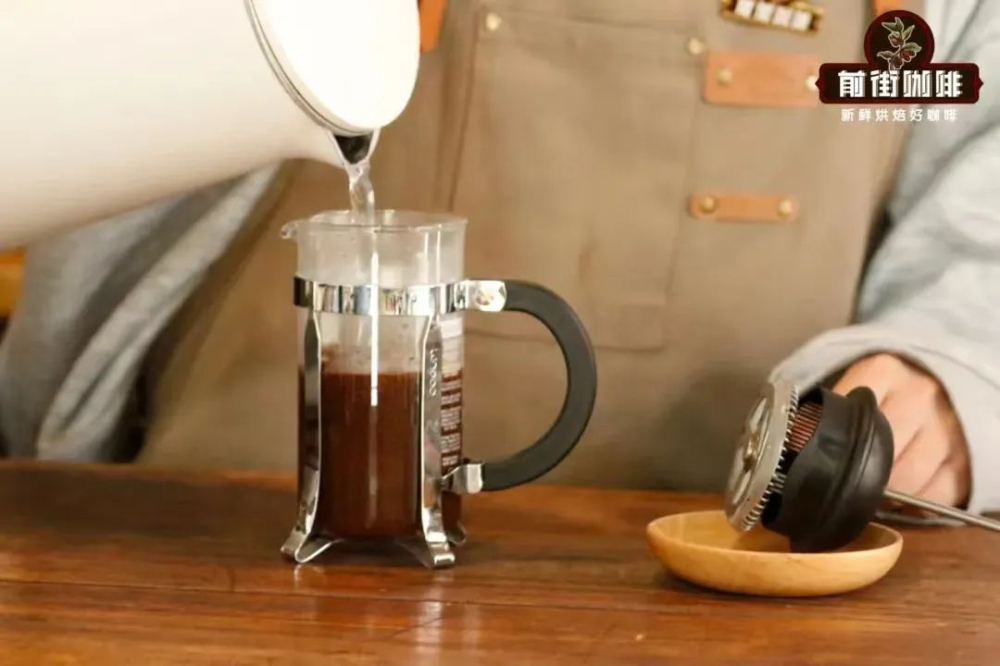
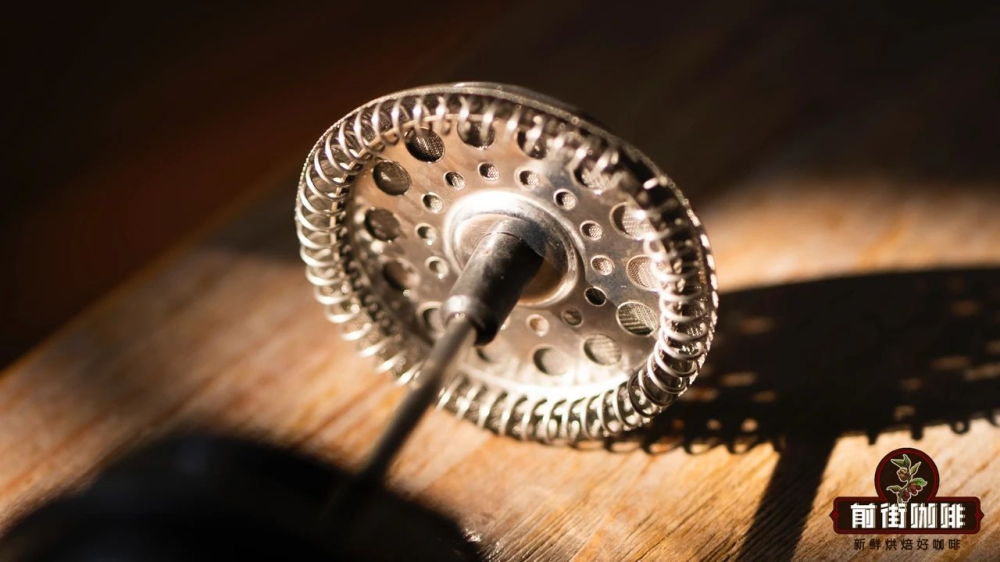
The French press, also known as French Press, originated in 19th-century France and is a coffee brewing device that is simple in structure yet powerful in function. It consists of a heat-resistant glass carafe and a metal filter plunger. By steeping coarsely ground coffee with hot water and then using the filter to directly press and filter, it produces a cup of coffee that is rich in flavor and naturally oily. Compared to other brewing methods, the most distinctive feature of the French press is its intuitive operation — just by controlling the coffee-to-water ratio, grind size, water temperature, and time, you can consistently highlight the essential flavors of the coffee.
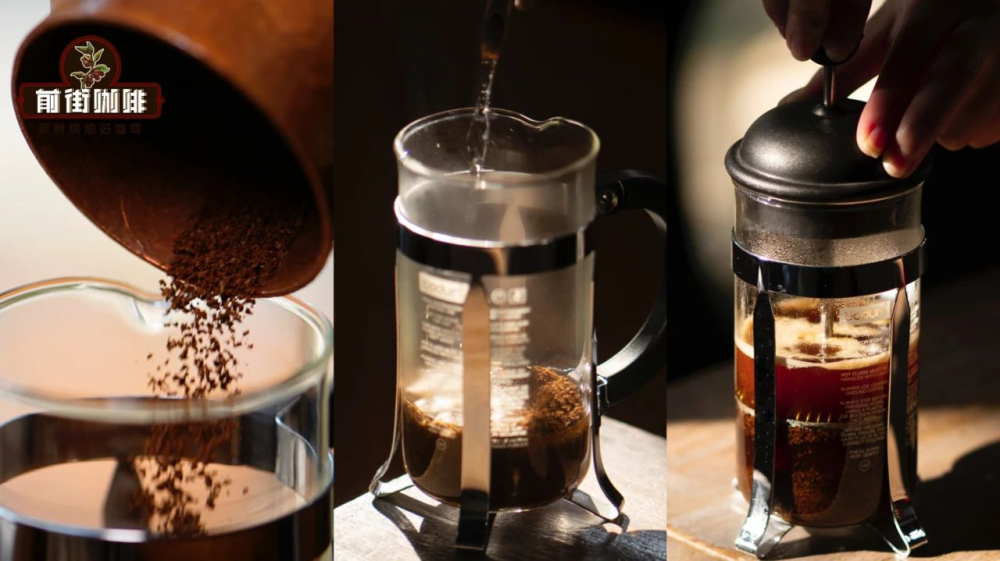
When using the French press,the recommended coffee-to-water ratio is 1:15 to 1:16, meaning 1 gram of coffee grounds to 15 to 16 milliliters of water. This range balances clarity of flavor with overall richness, making it suitable for most coffee bean varieties. For example, if using 15 grams of coffee grounds, the water volume can be controlled between 225 and 240 milliliters. This ratio not only has a high margin for error but also fully showcases the sweetness and body of the coffee.
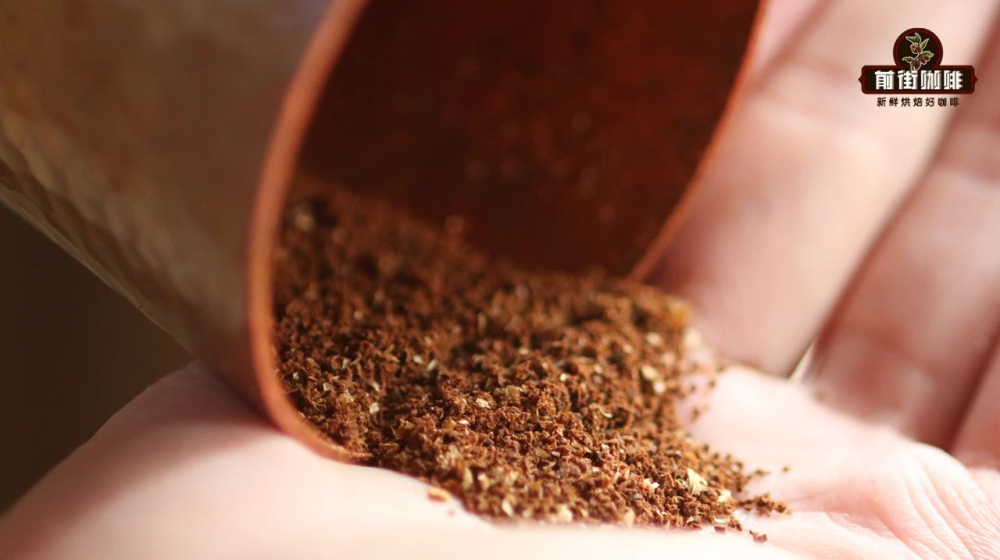
Regarding grind size, since the French press uses a metal filter with relatively large pores,it is recommended to use a medium-coarse to coarse grindto ensure proper filtration and avoid too many fine particles entering the cup. Using a standard 20-mesh sieve as a reference, medium-light roasted beans suit a 72–75% passing rate (slightly finer), while medium-dark roasted beans are better at 68–71% (slightly coarser). A coarse grind effectively extends the extraction time while avoiding over-extraction that could lead to bitterness.
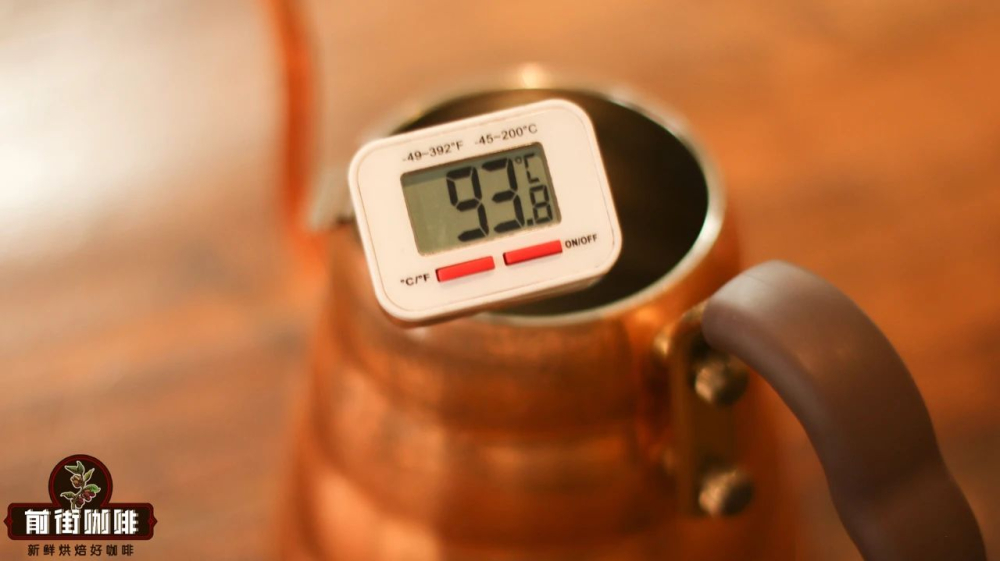
Water temperature is one of the key factors affecting French press brewing. Since it employs a steeping method, it is recommended to use a slightly higher water temperature than pour over:medium-light roasts suit 91–94°C, while medium-dark roasts are better at 88–91°C. The appropriate water temperature can fully activate the aroma and flavor compounds of the coffee without causing over-extraction or burnt bitterness due to excessively high temperatures.
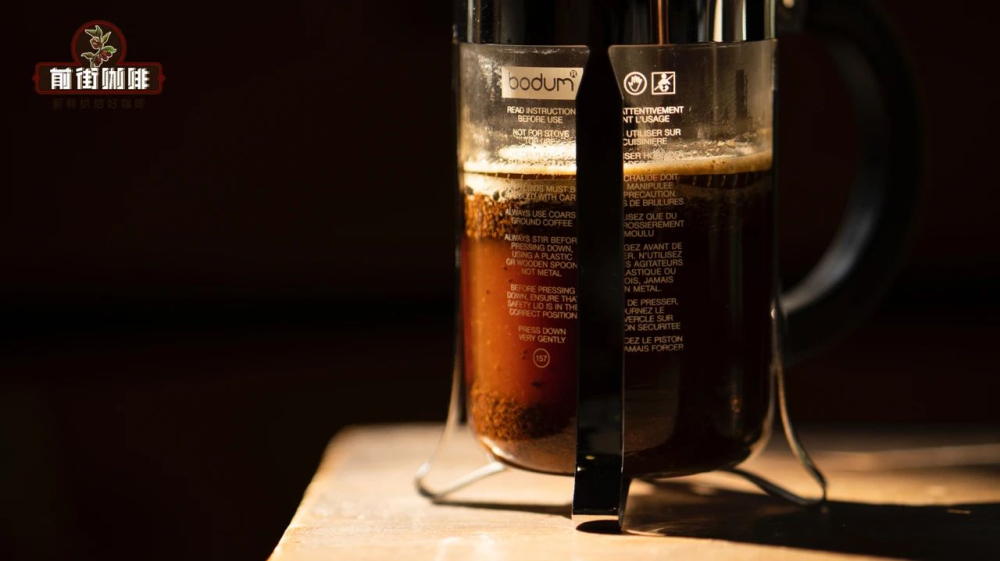
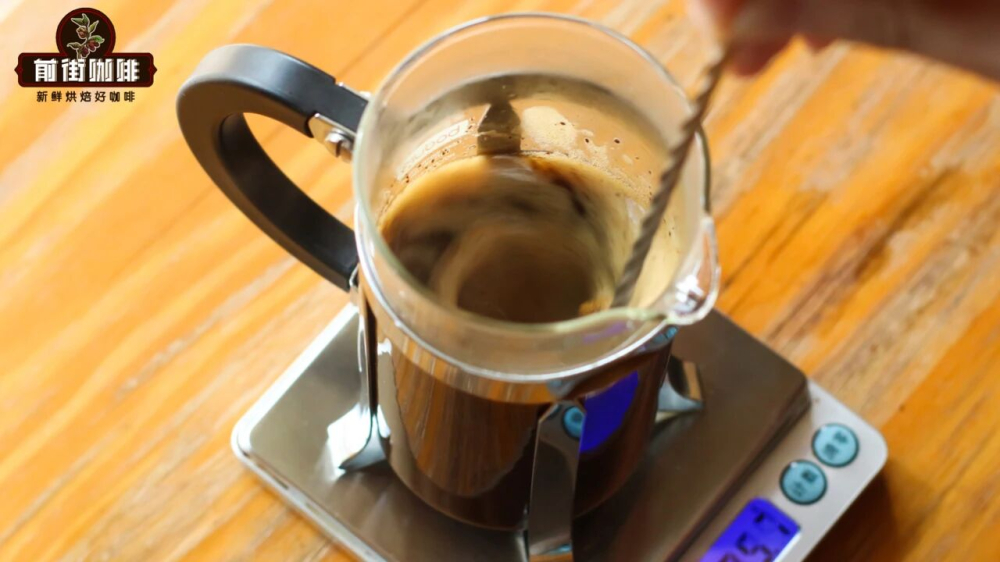
The ideal steeping time for the French press is around 4 minutes. This duration is sufficient for the coffee grounds to release abundant flavors and substances, yet avoids overly prolonged steeping that could result in excessive intensity or unpleasant off-notes. In practice, you can start with this parameter and then fine-tune the time according to personal taste to find your own optimal balance.
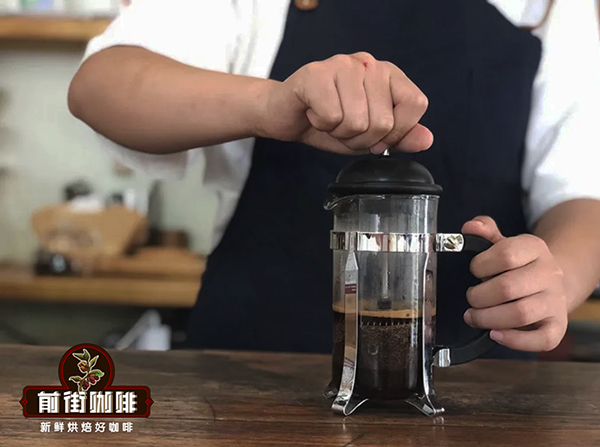
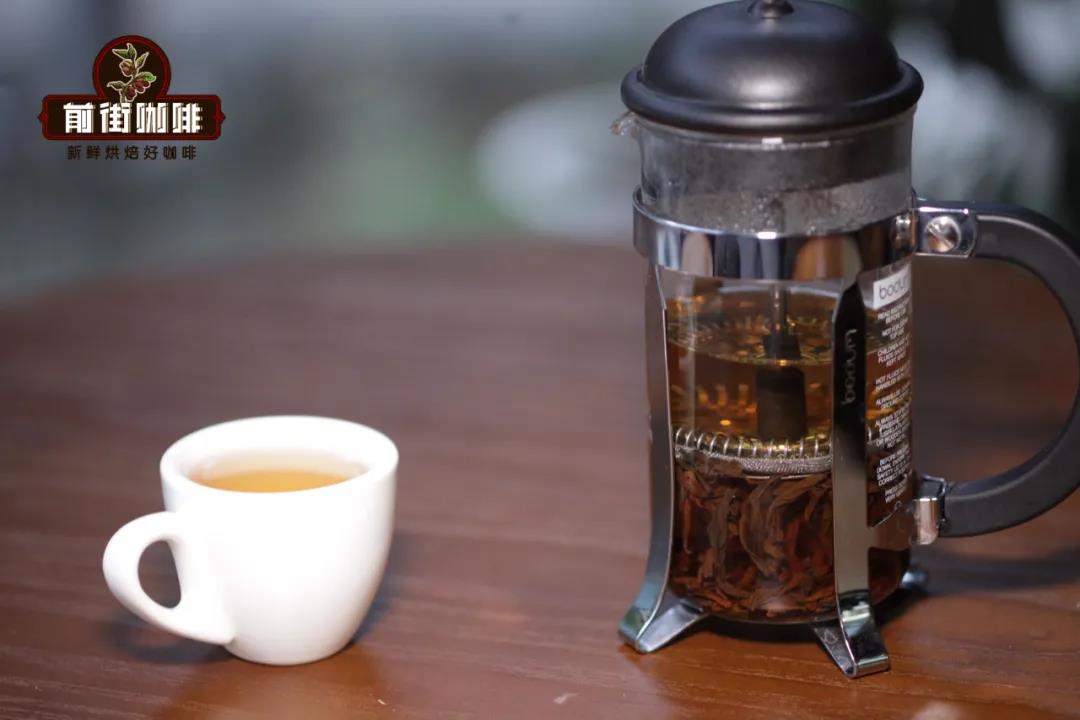
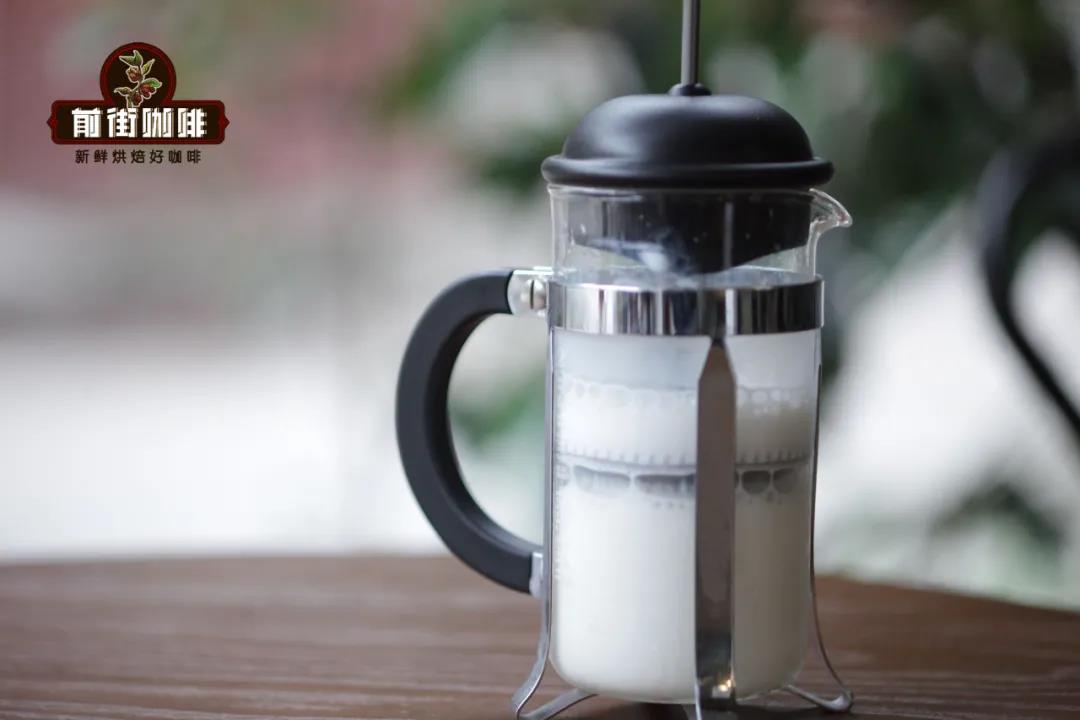
Beyond daily brewing, the French press has many extended uses. Due to its integrated steeping and filtering design, many people use it as a cupping tool,similar to the static steeping method used in professional cupping procedures. In particular, James Hoffmann, author of "The World Atlas of Coffee," also recommends this method for coffee tasting. Additionally, the French press can be used to brew black tea, and even with its plunger’s rapid stirring motion, manually whip up a dense layer of milk foam — making it a versatile tool for home coffee and light meal applications.
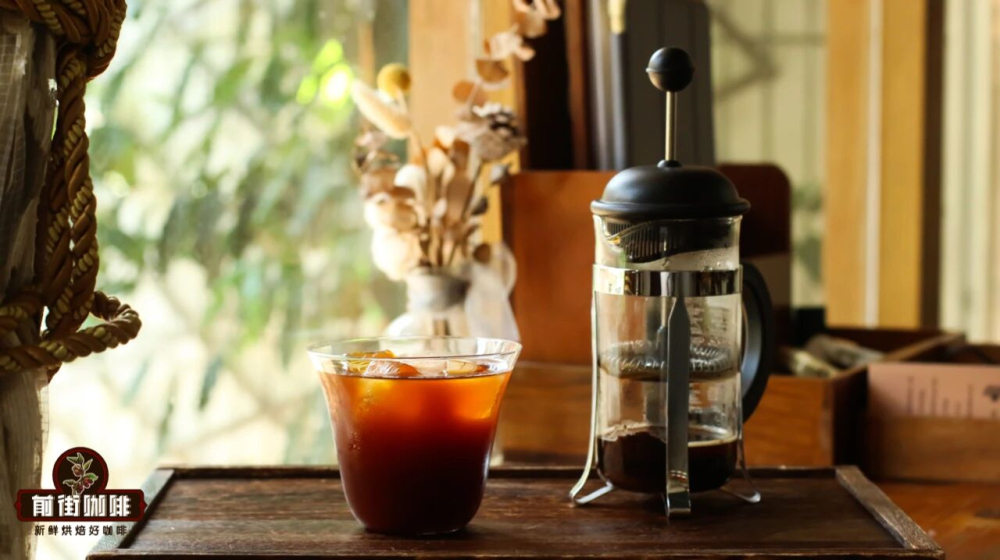
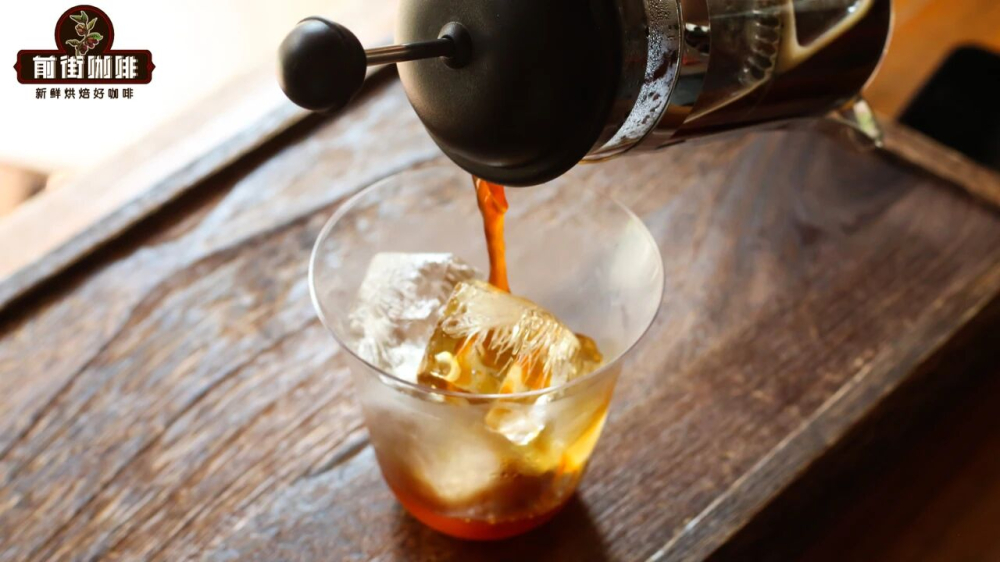
For readers who enjoy iced coffee, the French press is equally capable. It is recommended tofirst pre-infuse with a small amount of hot water to extract a concentrated coffee liquid, then add ice to cool and dilute. This method is also known as the “French press iced drip method” and helps preserve the rich layers of the coffee. It is suggested to choose full-bodied, low-acid beans such as Honduran Sherry, avoiding light-roasted, high-acid beans which may turn thin or unpleasant after dilution. In practice, a coffee-to-hot-water ratio of 1:8, water temperature at 94°C, and a medium-coarse grind (approximately 65% passing rate through a 20-mesh sieve) are advised. After 30 seconds of stirring and steeping, let it sit before pressing and pouring over ice to enjoy.
Cleaning the French press after use should not be overlooked.The metal filter tends to retain coffee oils and fine particles, and if not cleaned properly, it can affect the flavor of the next brew. When disassembling, first loosen the connection between the filter and the plunger, separate the parts, and rinse each one individually with water. It is recommended to avoid using detergent to prevent residual tastes. Regular deep cleaning ensures a pure brewing experience every time.
In terms of coffee bean selection, beans that suit the French press typically havea balanced acidity, sweetness, bitterness ratio and a full body. Examples include Indonesian Mandheling, Brazilian Queen Estate, and Honduran Sherry — all of which are preferred choices due to their stable flavor profiles and moderate acidity. If you prefer flavors like dark chocolate, nuts, or caramel, you can also select beans with similar characteristics. It is worth noting that the French press performs more conservatively with beans that have distinct layers and prominent fruity notes (such as certain Ethiopian natural-process beans), and may not fully showcase their delicate floral aromas and varied fruit tones.
In summary, the French press is a coffee brewing device with a low entry barrier and high stability. By mastering just four basic parameters — coffee-to-water ratio, grind size, water temperature, and time — even beginners can easily brew coffee with character. If you’re looking for a rich, smooth cup with natural coffee oils, the French press is definitely worth a try. With the right beans and careful adjustments, you’ll uncover even more possibilities for your own unique coffee flavors.

The above content is compiled by CoffeeHunters, a coffee news website.


