







Introduction:Espresso is the base of many coffee beverages, but crafting a cup with balanced flavors and a delicate crema requires mastering the correct extraction principles and techniques. This article delves into the history, extraction parameters, flavor characteristics, and suitable coffee bean types for espresso, helping you go from foundational understanding to practical application and fully elevate your espresso tasting and brewing experience.
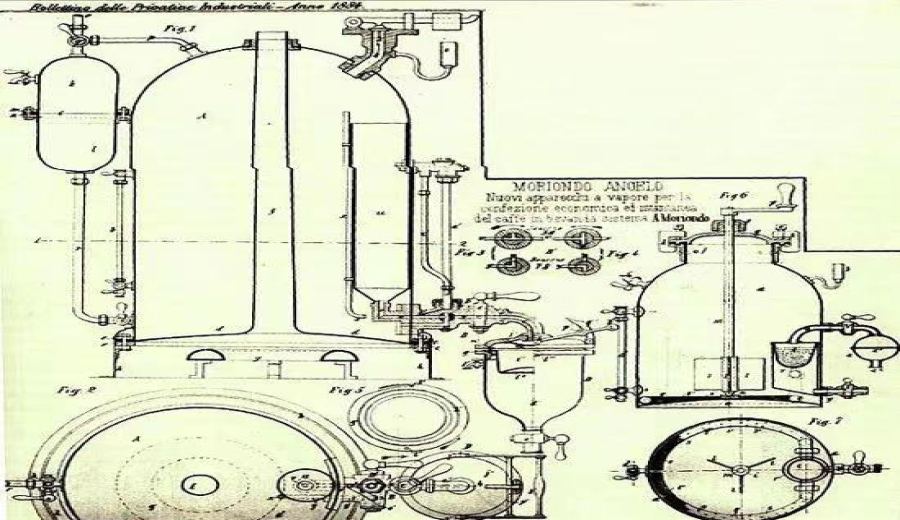
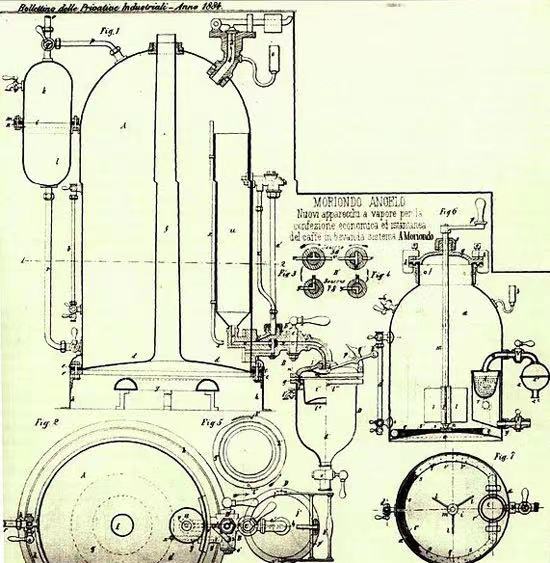
The origins of espresso can be traced back to 1884, when an Italian named Angelo Moriondo created the first patented prototype of an espresso machine. The basic principle of this machine was to use two separate boilers to heat water and generate steam, which then pushed hot water through an extremely fine layer of coffee grounds under steam pressure (about 1.5 bar), extracting a highly concentrated coffee liquid.
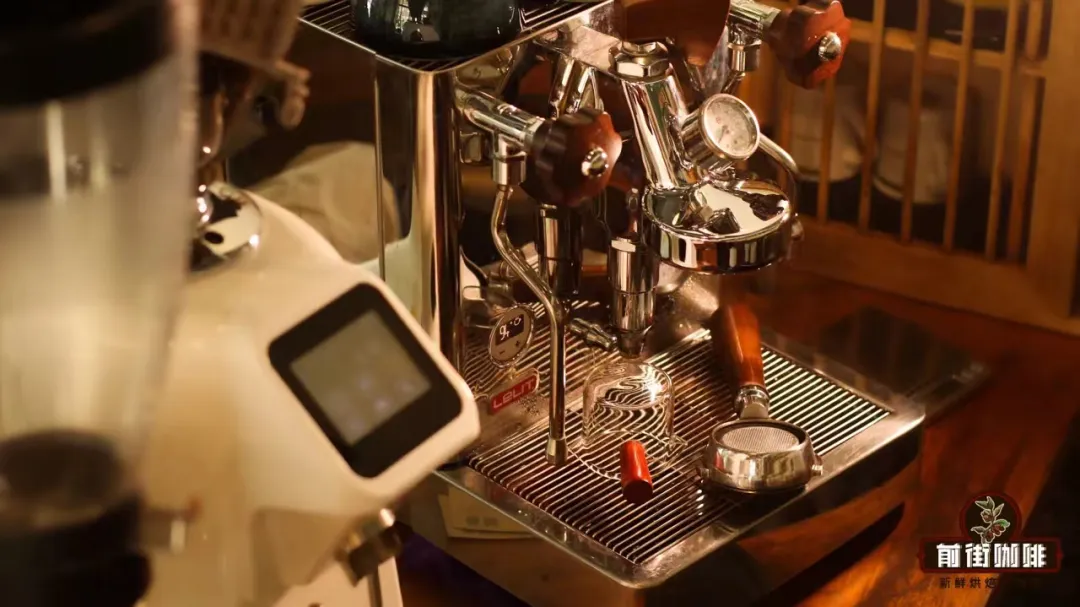
However, this early design could not ensure stability and consistency in each extraction. Entering the 20th century, Luigi Bezzera made revolutionary improvements to the design—not only applying for a new patent but also completely redesigning the extraction system. He reduced the extraction time to just a few dozen seconds, using high pressure to force hot water quickly through finely ground coffee, thereby completing the extraction rapidly and directly pouring it into the cup. He also lowered the extraction temperature to about 94°C, a range that better showcases the aroma and layered flavors of the coffee, while introducing a coffee basket to enhance filtration efficiency, resulting in a richer and smoother espresso. These innovations quickly gained market favor and became a cornerstone of espresso culture.
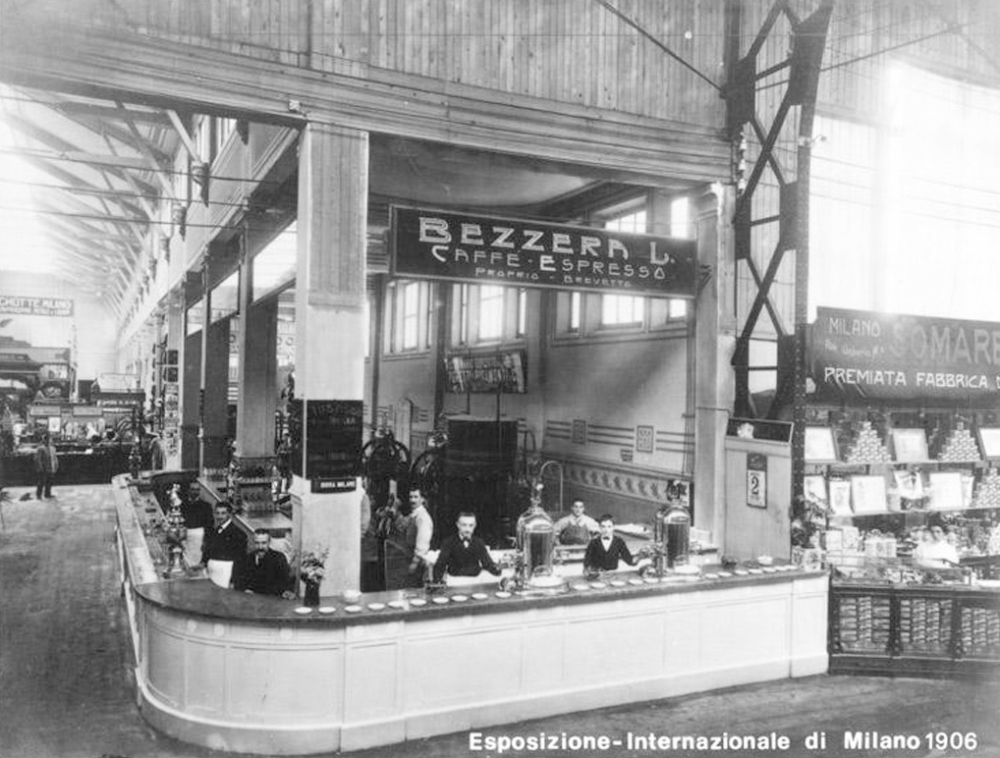
Later, designer Desiderio Pavoni collaborated with Bezzera to further upgrade the coffee machine by adding a pressure valve and steam wand, completing the basic prototype of the modern espresso machine. In 1906, this upgraded version debuted at the Milan Expo, establishing the design and extraction logic of the espresso machines we know today—essentially the prototype of the modern espresso.
So-called espresso is made by using extremely finely ground coffee beans, extracting 25–35 grams of highly concentrated coffee liquid from around 7–9 grams of coffee grounds within a short brewing time (typically 20–30 seconds) using high pressure (about 9 bar) and appropriately heated water (around 94°C). This method not only concentrates the essence of the coffee but also imparts unique texture and aroma profiles.
An ideal espresso should not be overwhelmingly bitter but instead offer balance amid intensity. Its flavors are bold yet not scorched, the body is rich yet clean, and it carries a distinct aftertaste. Additionally, the golden crema on the surface is an important indicator of quality.
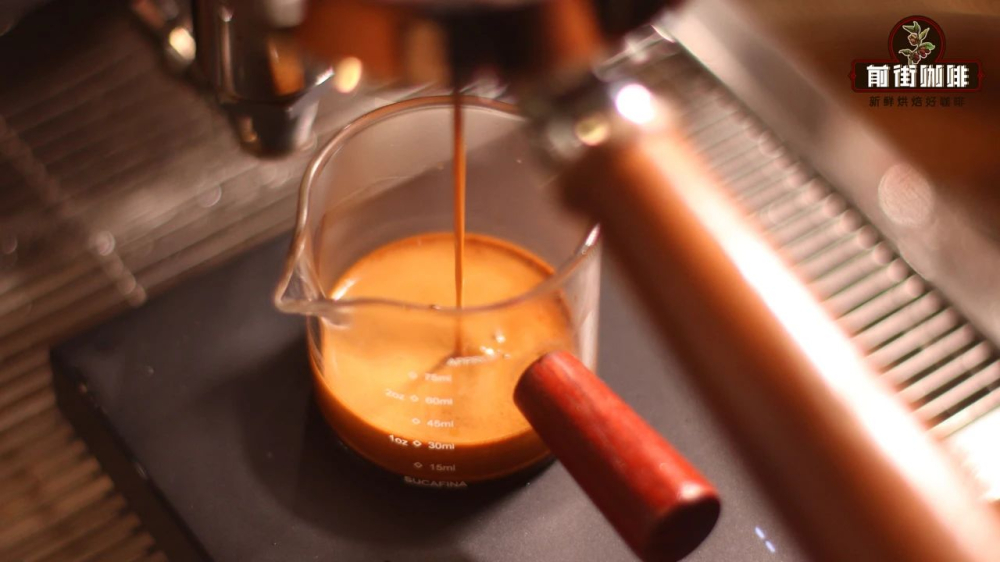
This crema is not pure fat but rather a delicate foam formed when carbon dioxide—produced during the roasting of freshly roasted beans—mixes with the coffee’s natural oils under high pressure and is forced out by water. The presence of carbon dioxide affects not only the texture of the crema but also the overall extraction smoothness and flavor release. Therefore, to achieve ideal crema, it is recommended to use freshly roasted, medium to dark roasted coffee beans and brew them fresh after grinding.
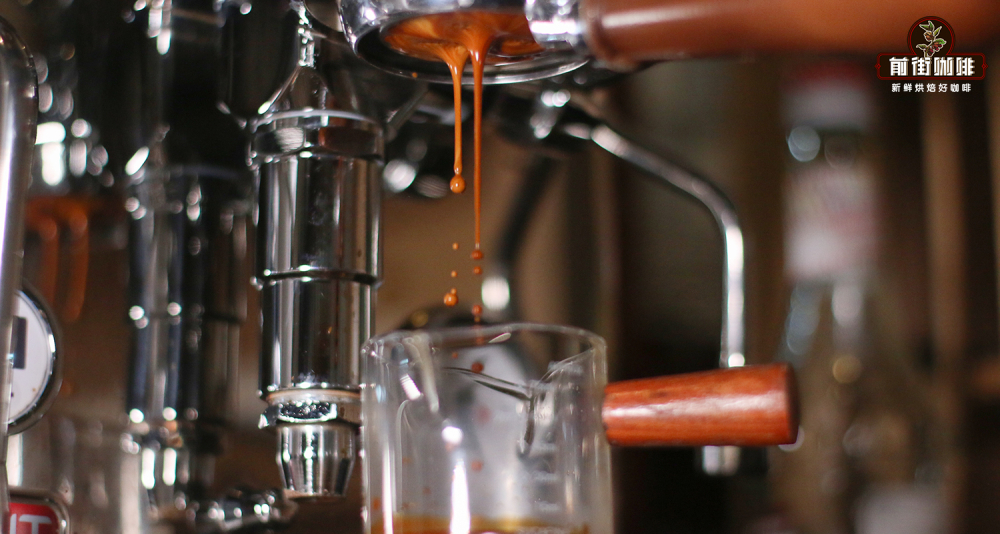
The longer coffee beans are roasted, the more carbon dioxide accumulates inside, helping to form a richer crema layer. However, excessive carbon dioxide may lead to a rough crema or even interfere with the extraction efficiency of soluble flavor compounds. Therefore, it is advised to let the coffee beans rest in their unopened original packaging in a cool, dry place for about 7 days after purchase, allowing the beans to naturally release excess carbon dioxide through the one-way degassing valve on the packaging, which helps improve the stability and consistency of subsequent extractions.
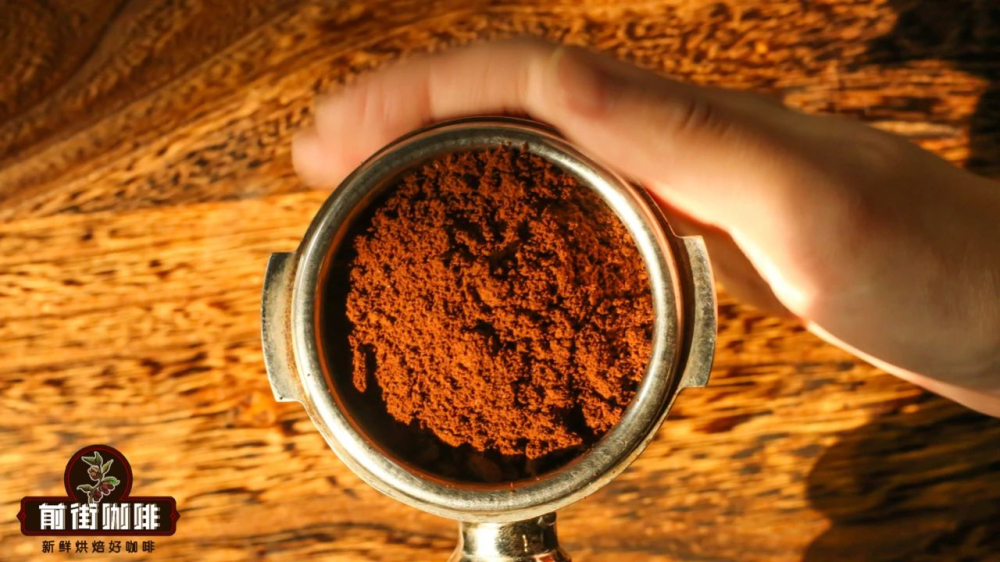
According to the Specialty Coffee Association (SCA)’s recommended standards, when brewing a single shot of espresso, it is advised to use 7–9 grams of coffee grounds, 14–18 grams for a double shot, with water temperature controlled between 90–96°C, pressure maintained at 9–10 bar, and total extraction time kept within 20–30 seconds, aiming for an extracted liquid weight of 25–35 grams. However, in practice, each coffee machine, grinder, and coffee bean condition varies, so it is recommended to adjust parameters based on the final flavor profile rather than adhering strictly to numerical standards.
When tasting espresso, it is recommended to first take a sip of ice water to cleanse the palate and help focus the taste buds. Once the espresso is served, gently stir it with a spoon to mix the crema and coffee liquid evenly. Then take three sips: the first to perceive the primary flavors, the second to appreciate the rich body, and the third to focus on the aftertaste and finish—this approach allows you to fully appreciate the layers and nuances of a cup of espresso.
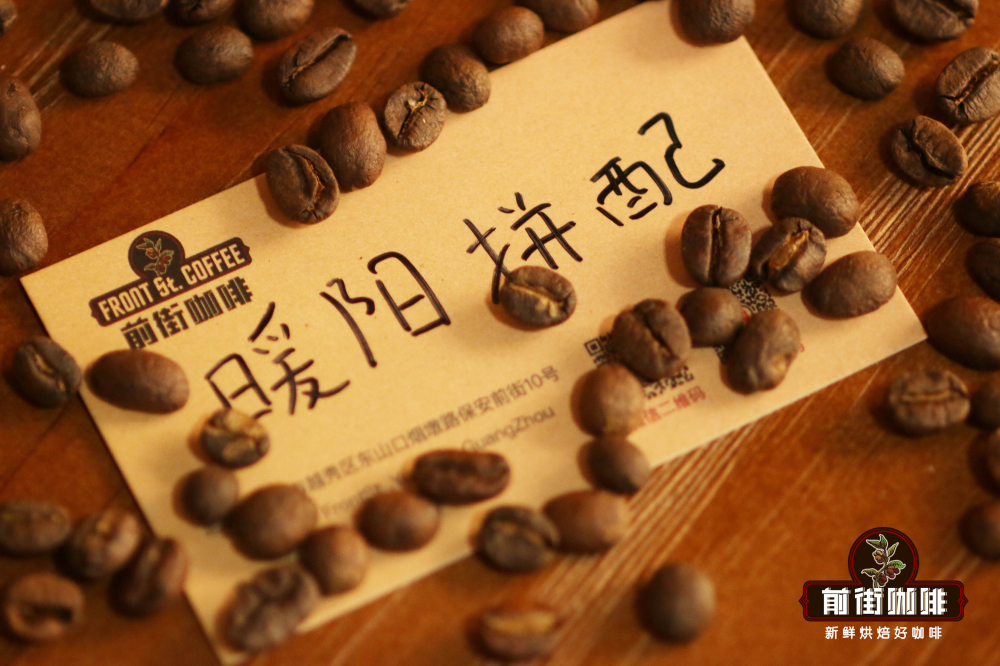
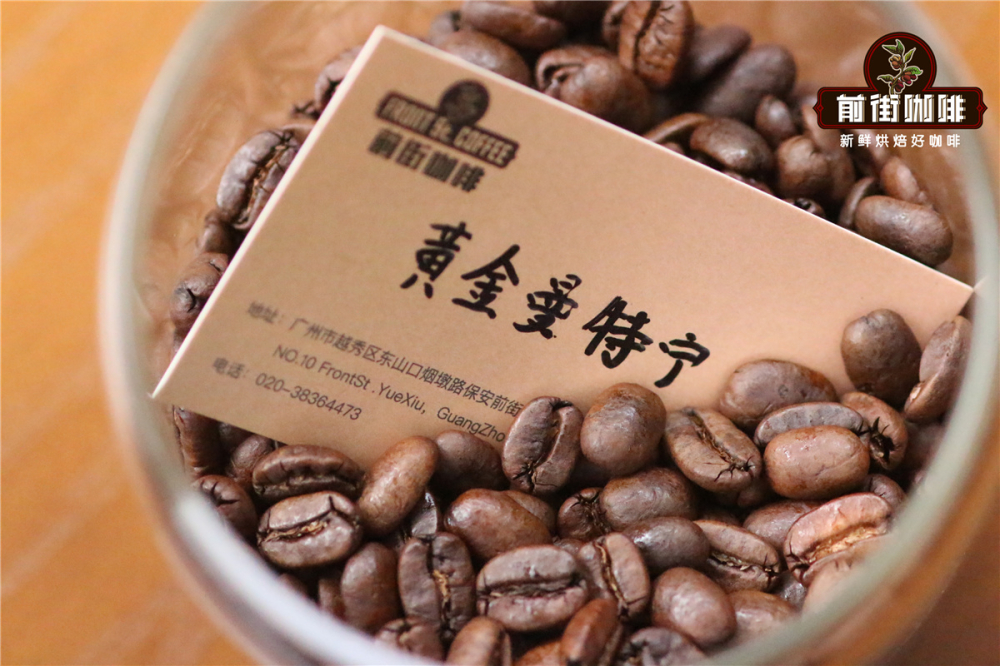
As for the types of coffee beans suitable for making espresso, medium to dark roasts are generally preferred, as these beans not only provide sufficient oils and carbon dioxide but also exhibit rich notes of caramel, nuts, and chocolate. Common blends include beans with stable flavor foundations such as Brazil and Colombia, sometimes complemented by Indonesian or African beans to add complexity and aromatic variation.
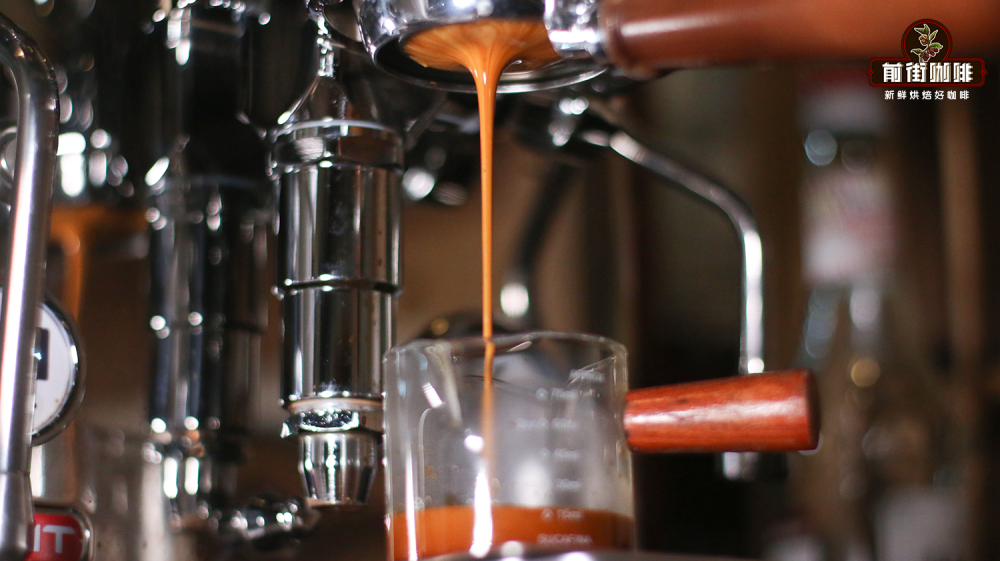
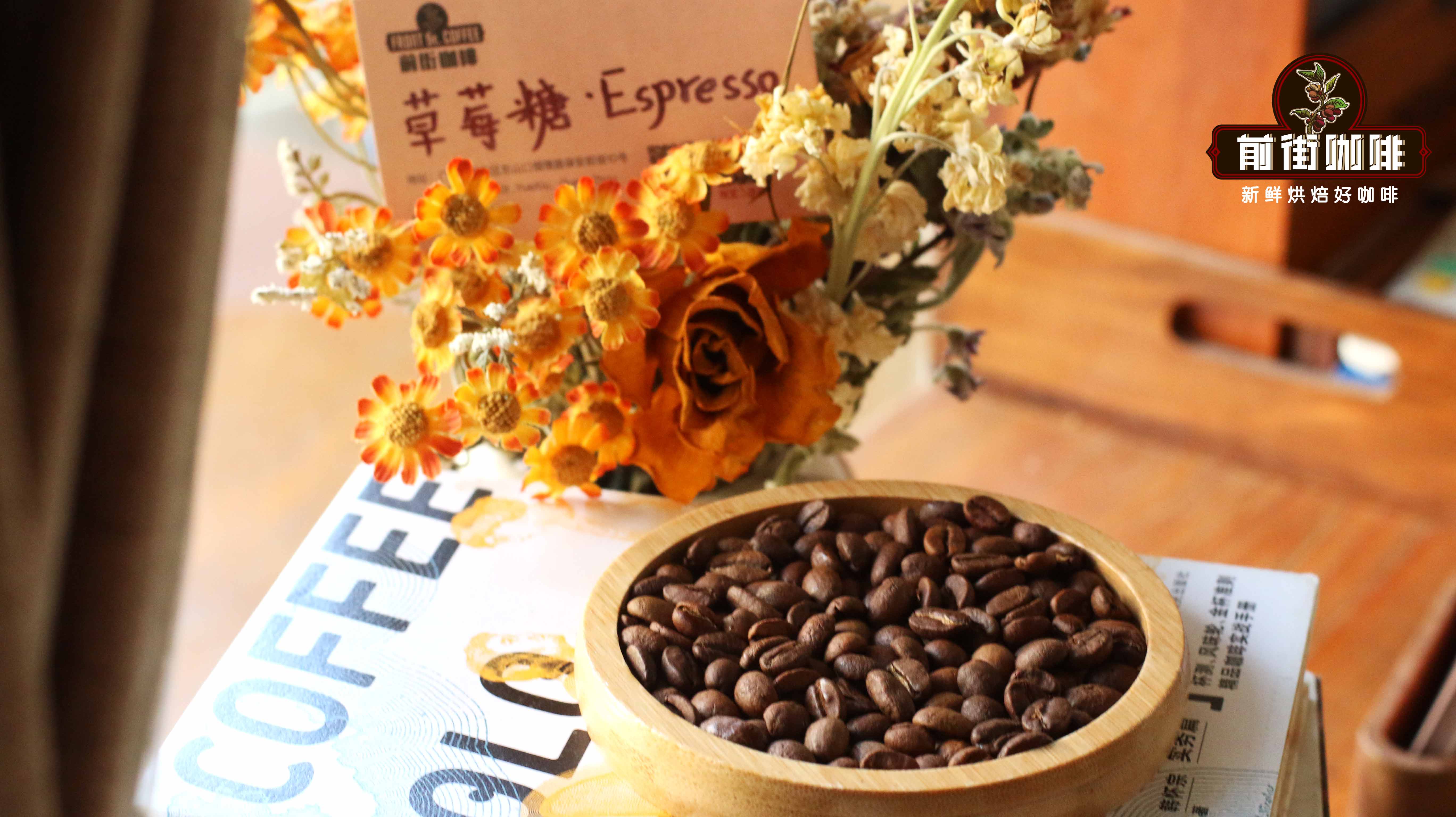
For different needs, there are various affordable and uniquely flavored espresso blends available on the market. For example, blends combining nutty, dark chocolate, and caramel notes are ideal for those who prefer a bold taste; there are also lighter roasts with fruity and caramel profiles, offering a more refreshing espresso experience. Additionally, there are espresso beans specially highlighting fruitiness and floral notes, such as those with strawberry candy or rose aromas, perfect for coffee enthusiasts seeking layered flavors and innovative taste experiences.
The above content is compiled by CoffeeHunters, a coffee news website.


