







Introduction:Want to understand how an espresso can present a rich and full-bodied flavor? This article delves into the formation principles and components of espresso crema, and details the key steps, optimal parameters, and flavor characteristics of espresso extraction. From coffee dosage, extraction time, tamping techniques to the appearance of crema, it takes you through mastering professional-level espresso brewing skills and tasting methods.
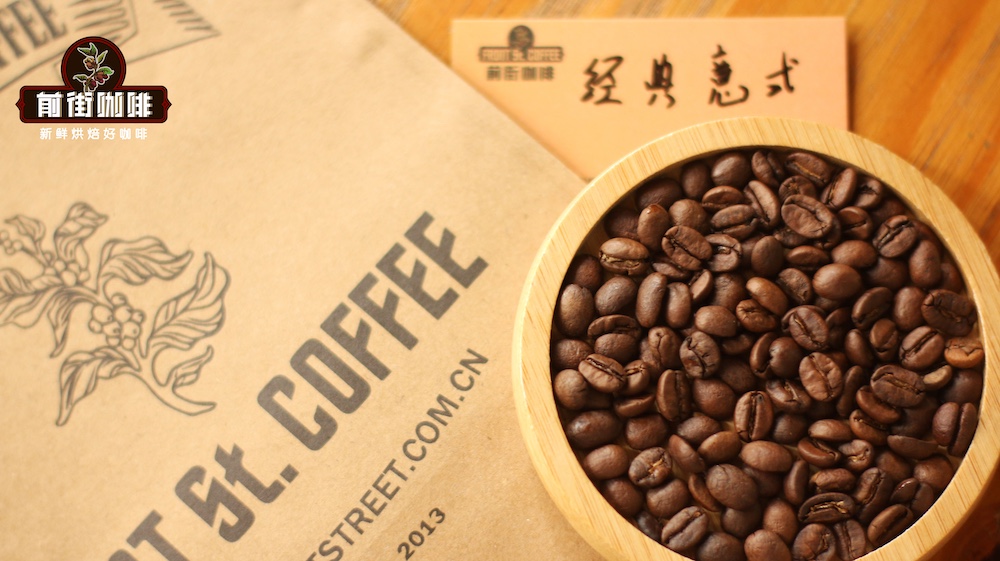
Making a professional-grade espresso is crucial at every step, from bean selection and grinding to extraction. Taking a double basket as an example, the common coffee dosage is about 18 to 20 grams, but in practice, 20 grams is a more standard and easier-to-control amount. For extraction, it is recommended to use a 1:2 coffee-to-water ratio, meaning 20 grams of coffee grounds yield 40 grams of coffee liquid. This ratio can fully showcase the intense characteristics and layered profile of espresso.
Extraction time is one of the key factors influencing the flavor expression of espresso. It is generally recommended to control the extraction time between 20 to 35 seconds. If less than 20 seconds, the coffee tends to be under-extracted, resulting in a light and thin flavor; if over 35 seconds, it is prone to over-extraction, leading to bitterness and burnt notes. In practice, many professional shops aim precisely for 28 to 30 seconds to achieve the best balance.
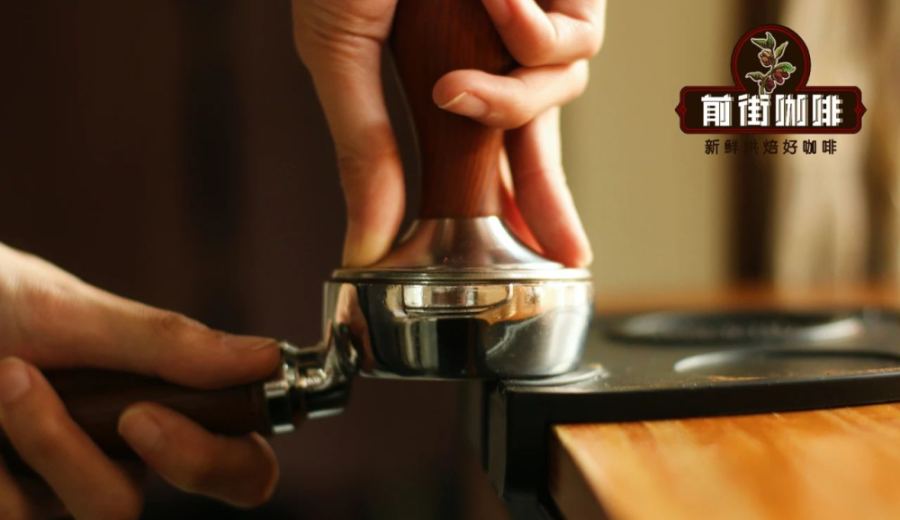
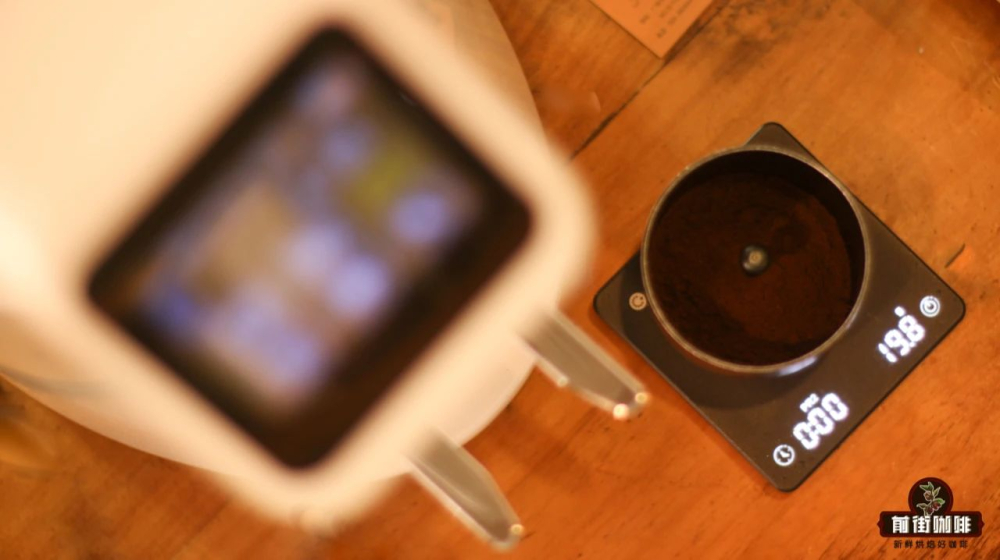
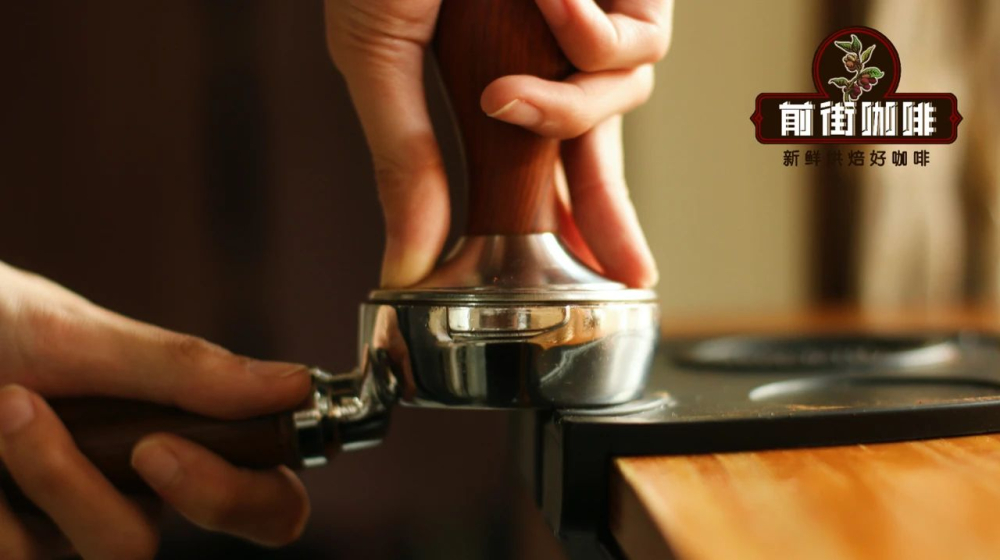
Before starting extraction, make sure the portafilter basket is completely dry, and use a grinder to grind an appropriate amount of coffee into a uniform and fine consistency. Place the ground coffee on an electronic scale and adjust it precisely to the target weight, usually 20 grams. Then, use a distribution tool to evenly spread the coffee grounds, and apply vertical pressure with a tamper to compress the coffee into a compact and level puck. This step is extremely important for stabilizing water flow and ensuring consistent extraction.
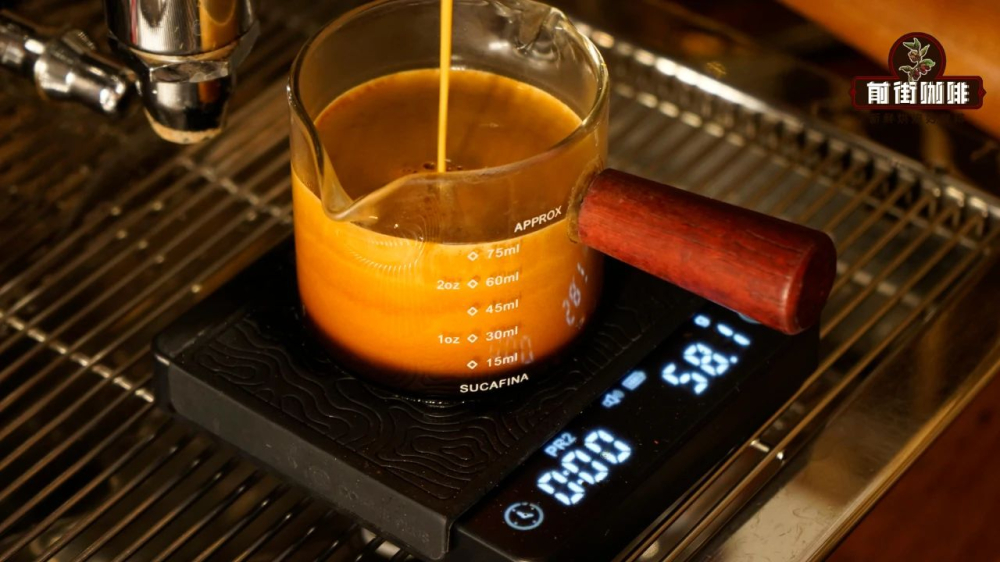
Once preparation is complete, turn on the extraction switch and let water run for 1 to 2 seconds. This action is called pre-infusion, which aims to moisten the group head and remove any residual coffee grounds, helping to stabilize subsequent extraction. Place the cup that will catch the espresso on the scale and zero the weight to accurately monitor the extraction volume. Then, gently lock the portafilter into the group head to begin the official extraction.
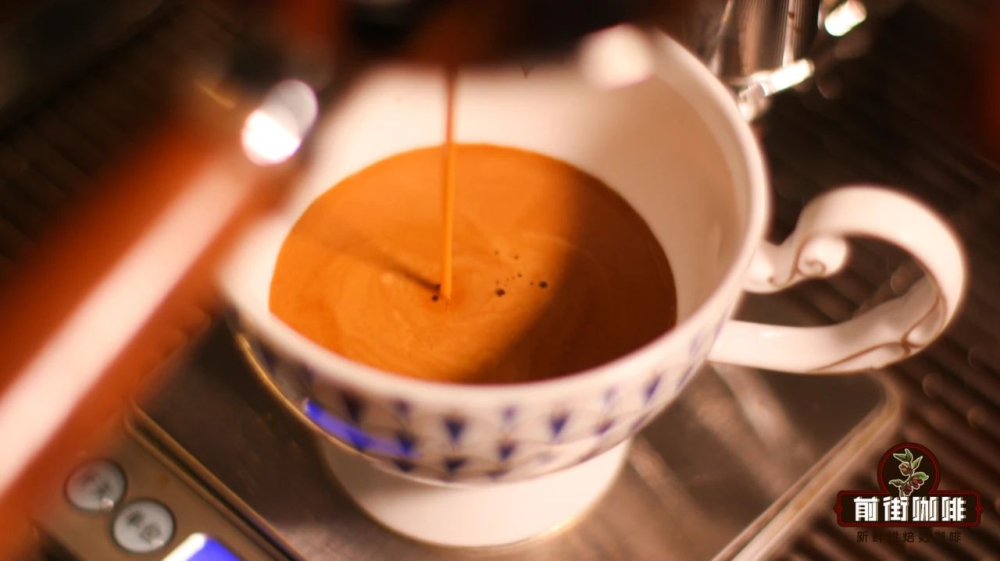
During the extraction process, closely observe the flow of coffee liquid and changes in flow rate. When the scale shows that 40 grams have been extracted and the time is around 30 seconds, you can turn off the extraction switch. Note that actual extraction parameters may vary slightly depending on environmental humidity, coffee bean freshness, and other factors, so it is recommended to fine-tune the dosage, grind size, and extraction time according to the day’s conditions to maintain stable quality.
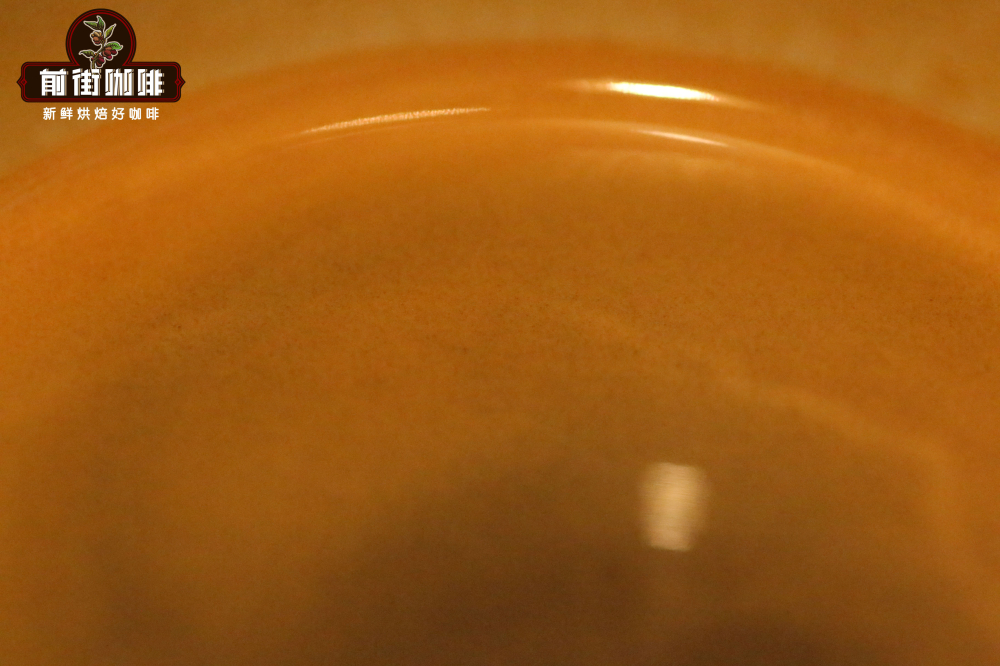
The layer of golden, fine foam on top of the espresso is the well-known crema. This crema is mainly formed by carbon dioxide produced during the roasting process of the coffee beans, which creates a stable layer of bubbles under high-pressure extraction. Freshly roasted coffee beans contain more gases, producing richer and denser crema, usually darker in color and thicker in texture, which is also one of the key indicators of coffee bean freshness.
The color of the crema is directly related to the roast level of the espresso. Dark roasted coffee beans, due to more pronounced Maillard reactions, often produce crema that is dark brown in color, and the flavor is more intense and full-bodied. If the espresso lacks crema after extraction, it may be because the coffee beans have been stored for too long and lost their gases, or the coffee liquid has been left standing for too long, causing the foam to dissipate. Therefore, it is recommended to enjoy espresso as soon as possible to get the most complete flavor experience.
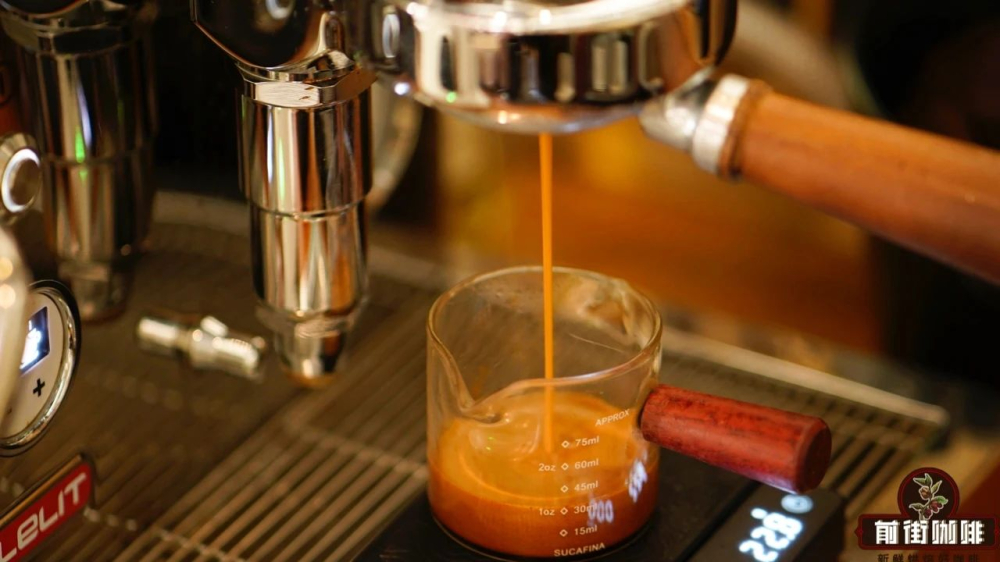
The characteristic of espresso lies in its extremely high concentration and intense flavor expression. Under the extraction conditions of high pressure and near-boiling water temperature, the soluble substances in the coffee are highly concentrated and released, forming a small but essential beverage. This high-concentration characteristic gives espresso a strong taste, with aroma quickly released upon entry, leaving a long-lasting aftertaste and sweetness in the mouth.
For those trying espresso for the first time or not accustomed to its intense flavor, you can pair it with a glass of water to cleanse the palate, or add hot water to make an Americano based on personal preference, or add milk to create derivative drinks such as lattes and cappuccinos, adjusting the intensity and flavor layers. Additionally, since crema and flavor gradually deteriorate over time, it is recommended to drink it as soon as it is brewed to enjoy the fullest and freshest coffee experience.
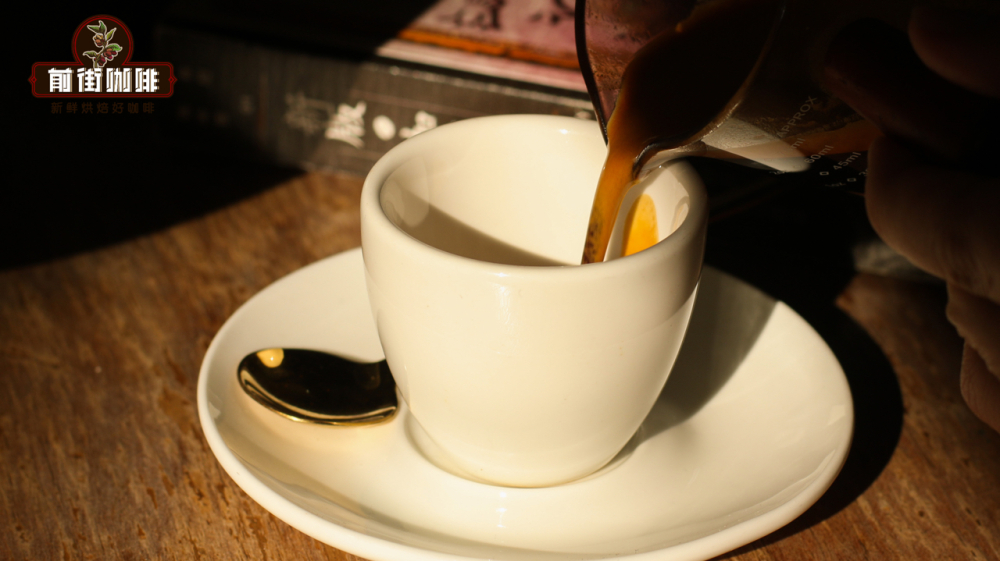
In summary, a successful espresso relies on precise extraction parameters, fresh coffee beans, and solid technical operation. From coffee dosage, grind size, tamping pressure to extraction time, each step affects the final flavor presentation. Mastering these basic principles can not only improve the quality of homemade espresso but also allow for a deeper appreciation of the unique charm and subtle variations of Italian coffee.
The above content is compiled by CoffeeHunters, a coffee news website.


