







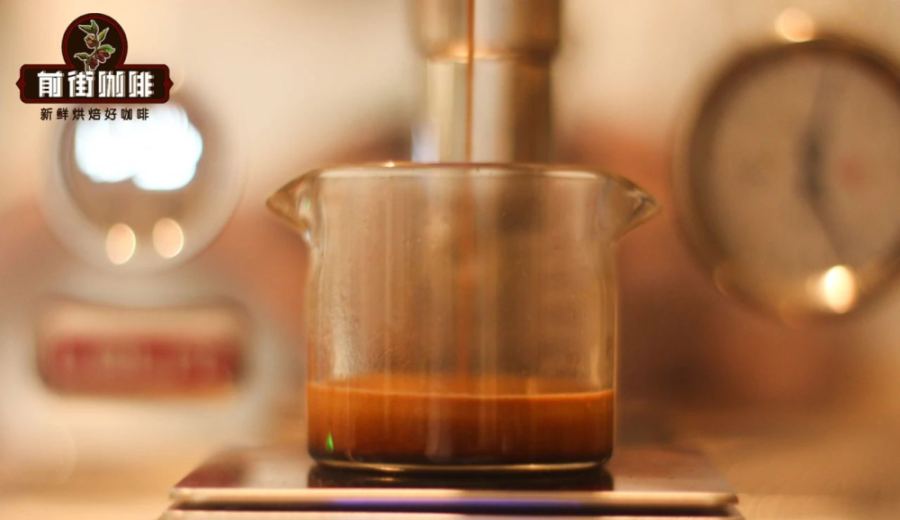
Introduction:Espresso is the foundation of many coffee beverages, with its intense flavor and golden crema leaving a lasting impression. This article delves into the key characteristics of Espresso, provides a step-by-step guide to home brewing along with recommended parameters, and suggests three high-value blends to help you easily make an authentic, aromatic, and crema-rich Espresso at home.
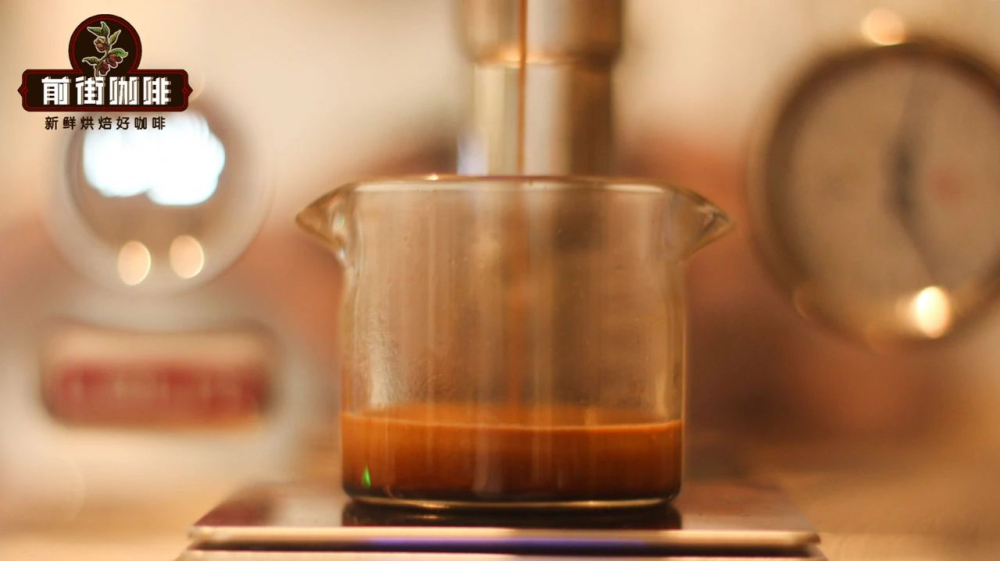
In recent years, with the rise of specialty coffee, Espresso has gained widespread popularity among coffee enthusiasts worldwide for its bold flavor and quick brewing process. Among them,Espressoserves as the base for many classic coffee drinks. Its distinctive crema layer and highly concentrated flavor make it the “soul beverage” in the eyes of baristas. Next, we’ll take you through a comprehensive guide—from the fundamental features and brewing methods of Espresso to recommended beans for beginners—on how to brew a high-quality Espresso at home.
Two Core Characteristics of Espresso
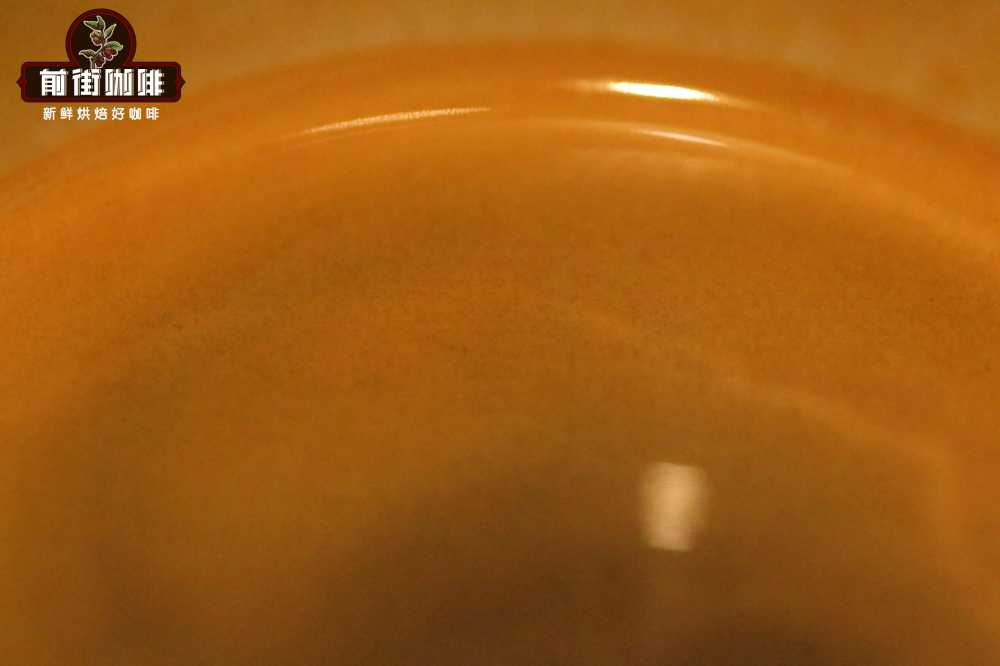
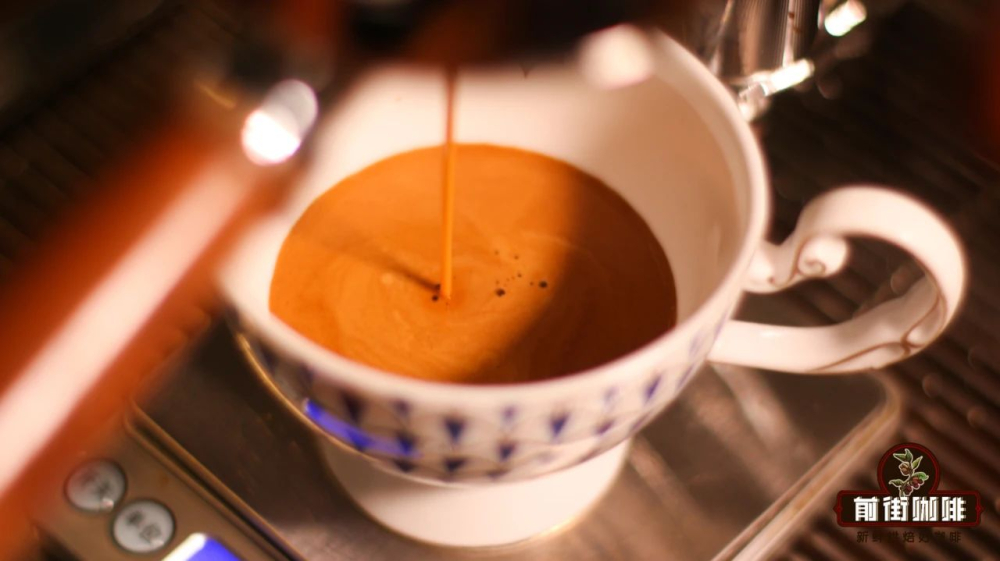
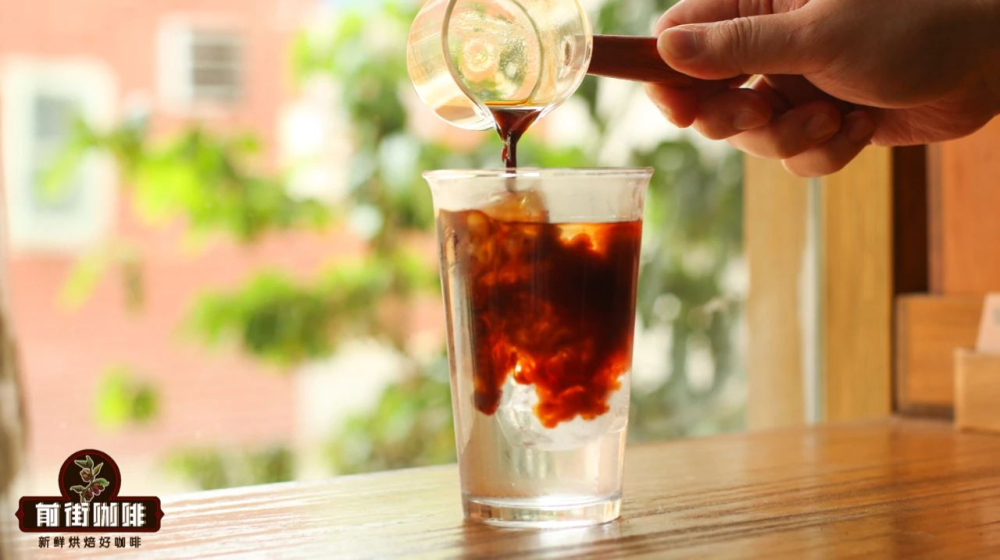
The most prominent features of a standard Espresso are itsCrema (coffee foam)andhighly concentrated flavor. When you’re handed a freshly brewed Espresso, the first thing that catches your eye is the thick, fine layer of dense foam on the surface, ranging from golden to deep brown—that’s the crema. It’s not only a visual treat but also one of the indicators of coffee freshness and successful extraction.
The formation of crema comes from the carbon dioxide released by coffee beans during roasting. Under high pressure extraction, this CO₂ is brought out by the water and forms a stable layer of bubbles once the pressure is released. Generally speaking,the fresher the roast, the richer and darker the crema will be; conversely, if the beans have been stored for too long, you may see little to no crema, or it may appear lighter in color. Additionally, dark roasted beans often produce a deeper crema due to pronounced Maillard reactions, along with a richer and more full-bodied taste.
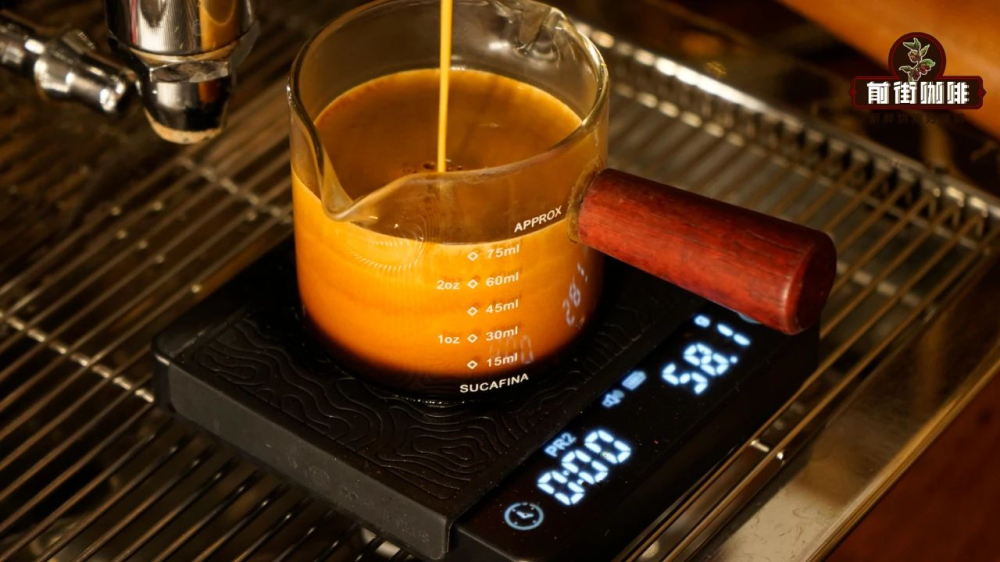
Another important characteristic is itshigh concentration and intense flavor. Espresso is extracted in an extremely short time (usually 20–35 seconds) using near-boiling hot water (approximately 90–96°C) under high pressure (9–11 bar), with the coffee grounds ground extremely fine and evenly to allow a large amount of soluble substances to be released quickly. This results in a highly concentrated flavor, strong body, and often distinct bitterness with layered complexity and a long aftertaste. That’s why many cafés serve a glass of water alongside, to cleanse the palate and better appreciate the subsequent aromas.
Can You Make Espresso at Home? Basic Steps and Parameter Guide
To replicate café-grade Espresso at home, aside from owning a reliable Espresso machine and grinder, mastering the correct extraction parameters is equally crucial. Most home machines only need to achieve 9 bar pressure, while commercial machines like the Lelit Bianca can go up to 11 bar, offering more flexibility in controlling extraction flavors.
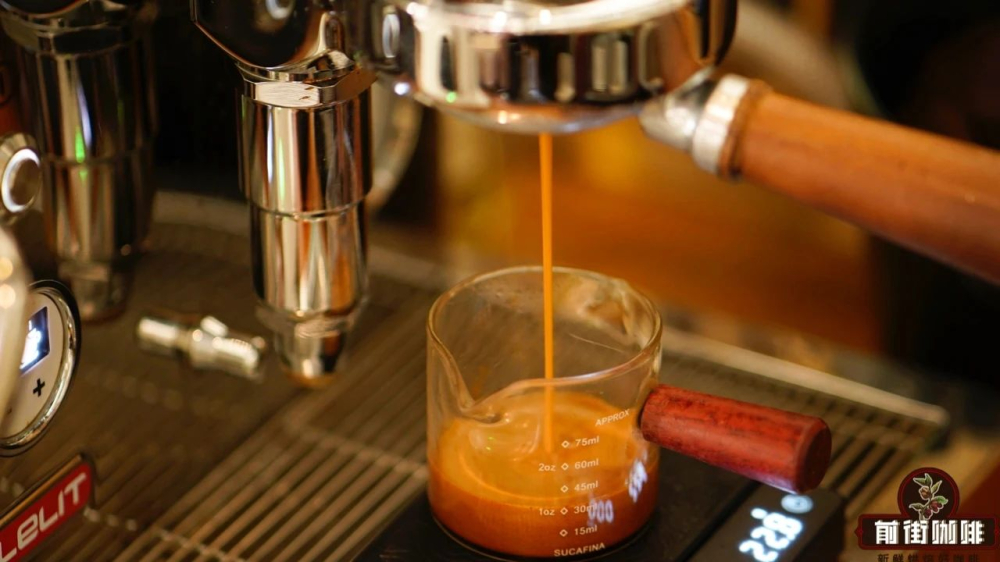
For the dose, a common double basket typically recommends using18–20 grams of coffee grounds, extracted at a1:2 coffee-to-water ratio, yielding around 36–40 grams of liquid. In terms of time, it’s advised to aim for20–35 seconds, with the optimal range usually between 28–30 seconds. Too short leads to under-extraction and a weak flavor; too long risks over-extraction and a burnt, bitter taste.
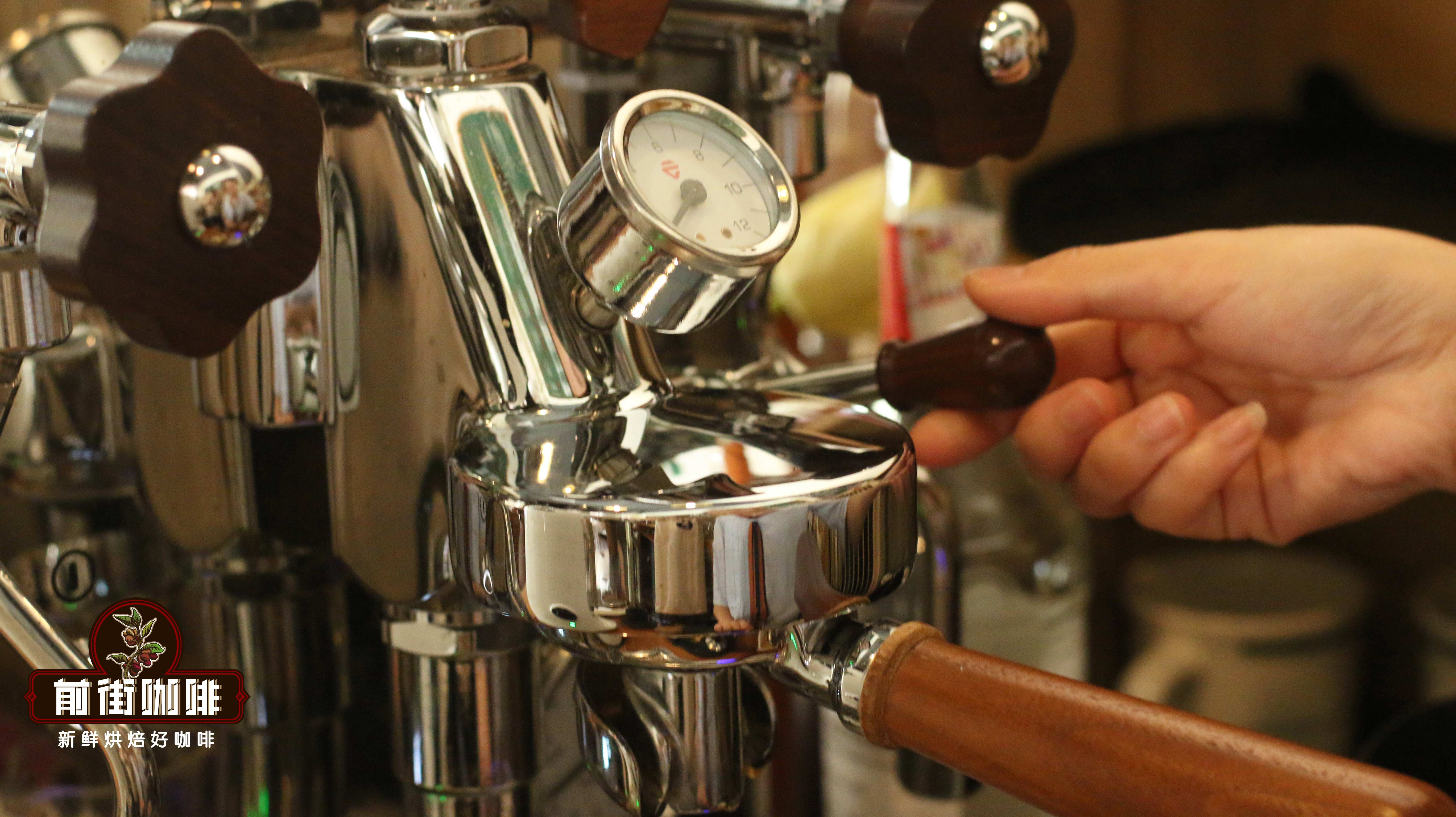
In practice, start by filling the portafilter with freshly ground coffee, distribute it evenly using a WDT tool or distributor, then tamp it down firmly and level to ensure stable water flow. Next, pre-wet the group head to remove old coffee residue, then attach the portafilter and begin extraction. Once the target weight (e.g., 40 grams) is reached and the time falls within the ideal range, stop the extraction and pour to enjoy.
Three Affordable and Easy-to-Brew Espresso Blends
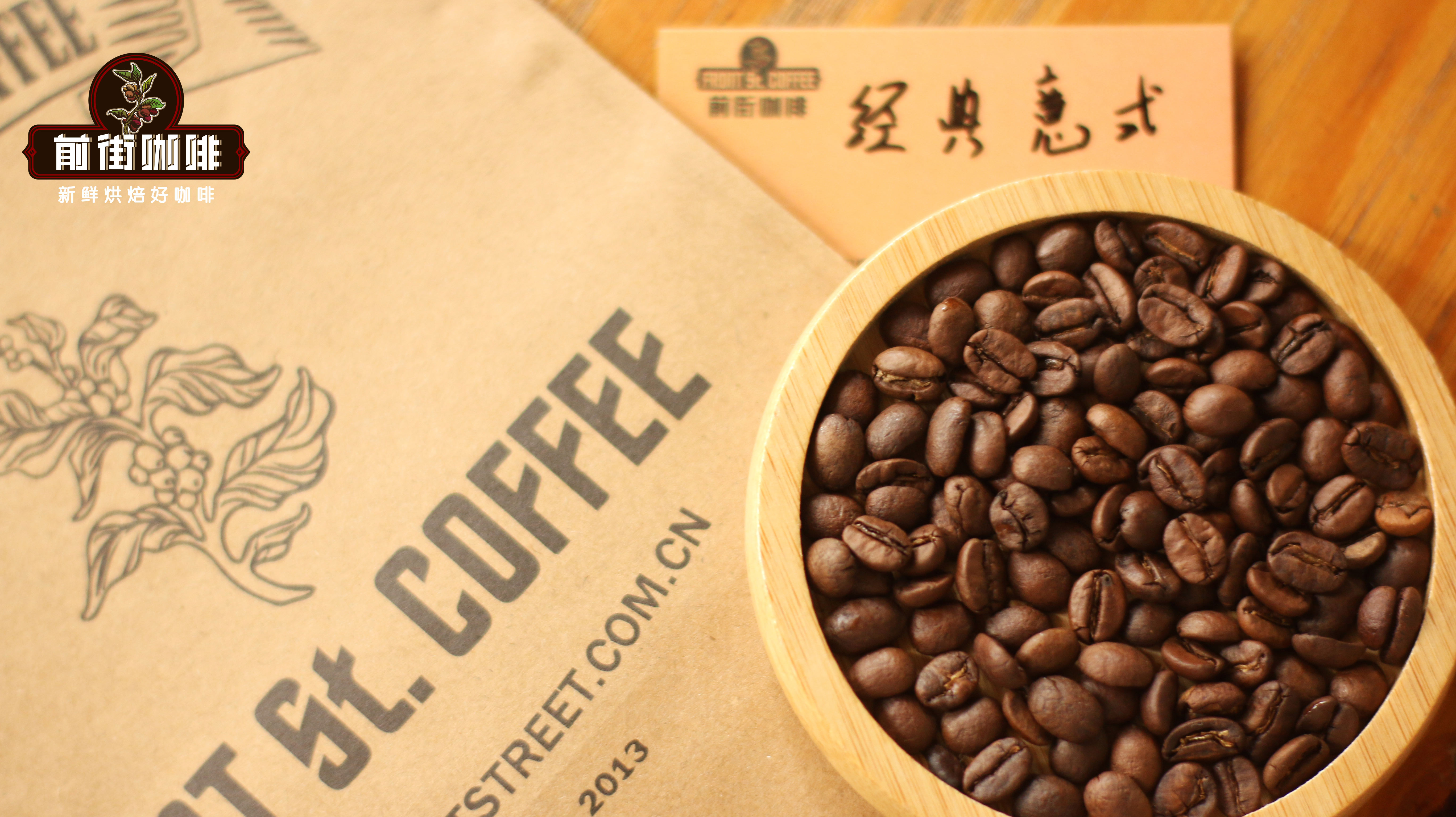
To elevate your Espresso experience, selecting a freshly roasted, well-blended coffee bean is essential. Below are three high-value, everyday-friendly Espresso blends with stable flavors and excellent crema performance—perfect for beginners.
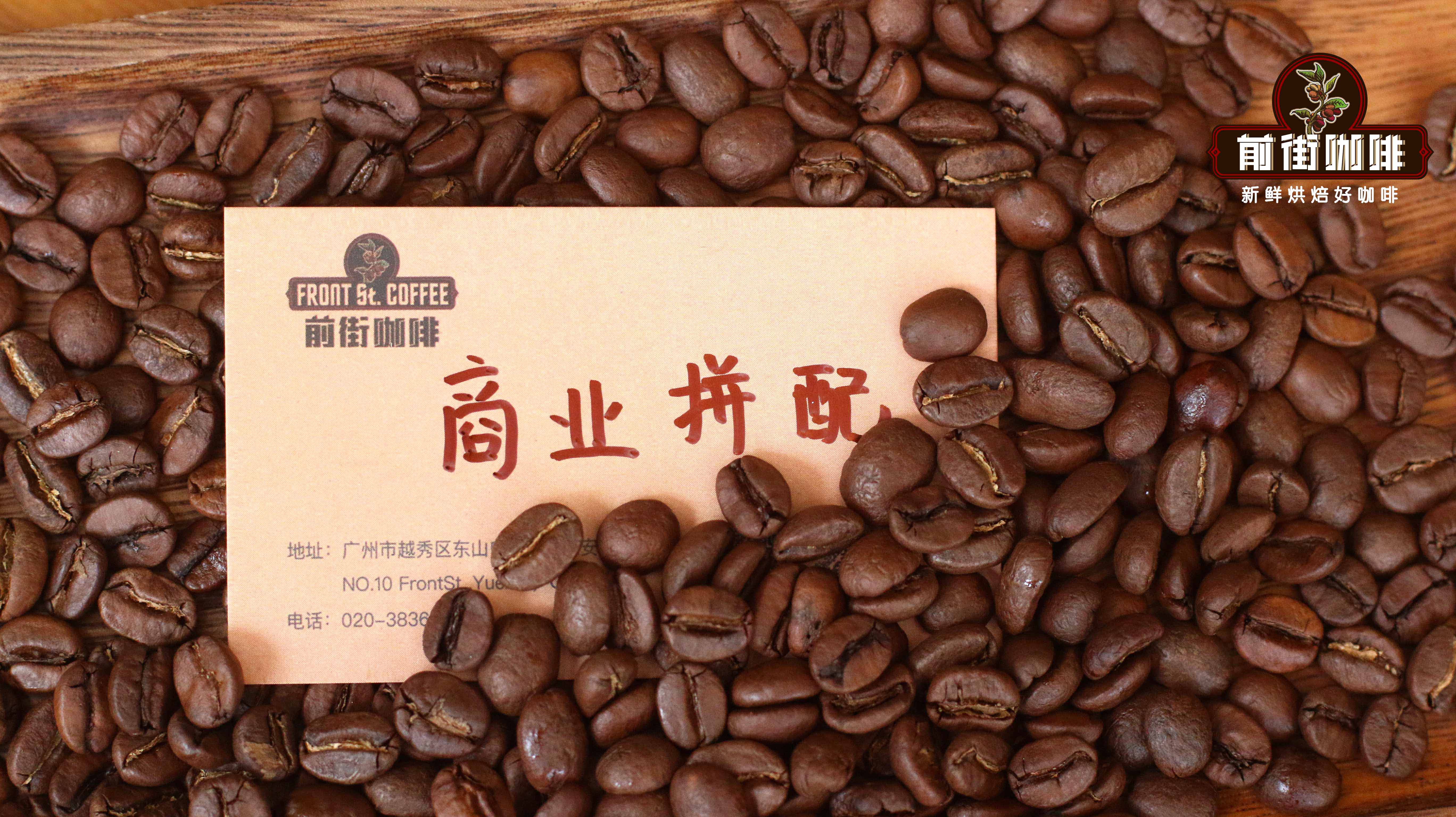
1. Classic Bold Style: Commercial Espresso Blend
Composed of 10% washed Robusta, 30% washed Colombian, and 60% semi-washed Brazilian beans, this blend produces a rich, golden crema with a full-bodied taste featuring caramel notes. It has a smooth finish and a long-lasting aftertaste, ideal for those who prefer a bold profile.
2. Mildly Acidic & Bold: Dark Cocoa Espresso Blend
Blending 30% washed Yunnan small beans with 70% semi-washed Brazilian beans, it offers a soft acidity with plum-like notes, paired with nutty and caramel flavors. The overall balance and layered profile make it great for coffee lovers who enjoy both mild acidity and sweetness.
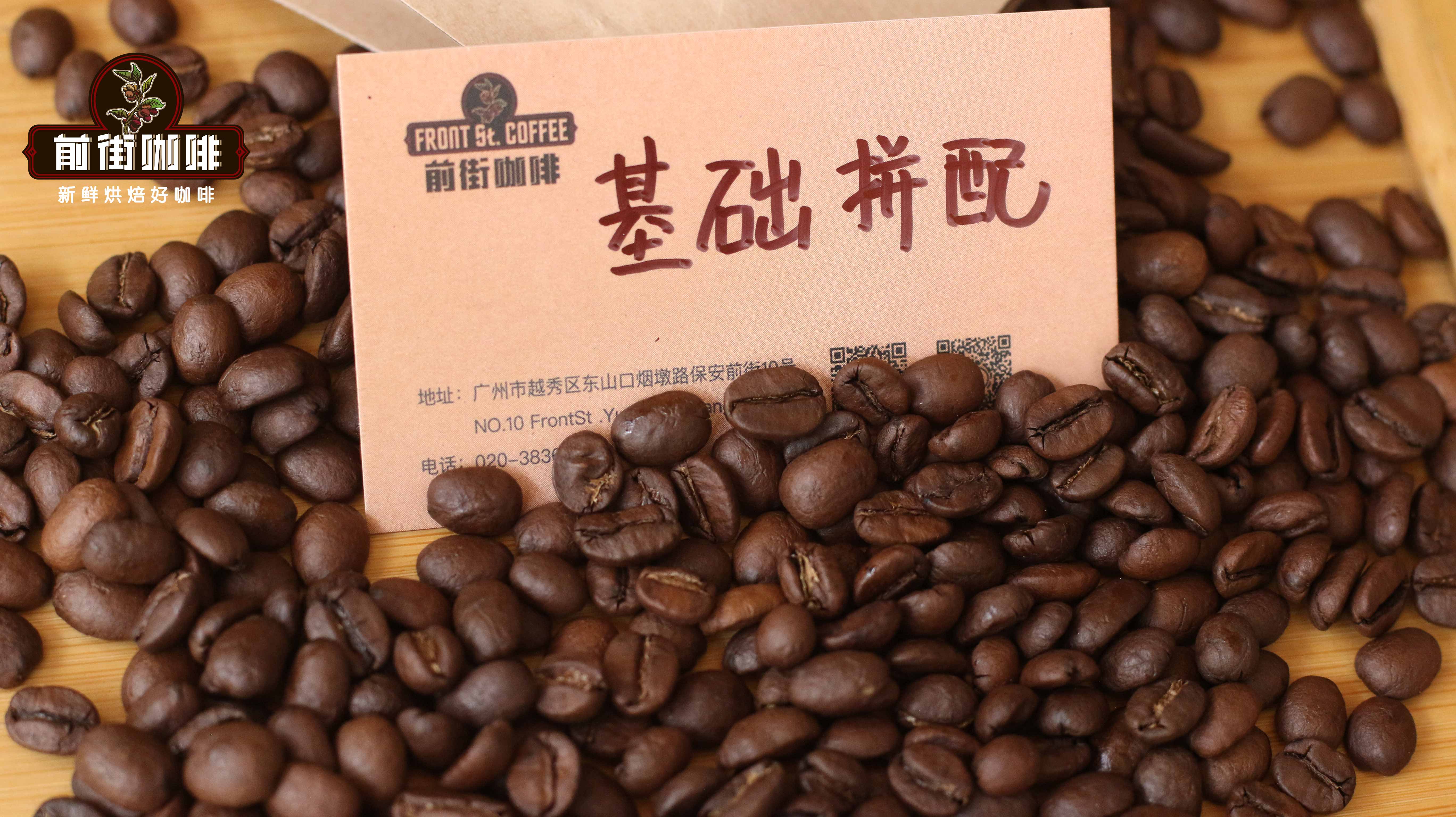
3. Balanced & Aromatic: Premium Espresso Blend
Combining 30% washed Colombian and 70% semi-washed Brazilian beans, this blend showcases intense black chocolate and caramel aromas, with a smooth texture and focused flavors—perfect for making lattes or cappuccinos.
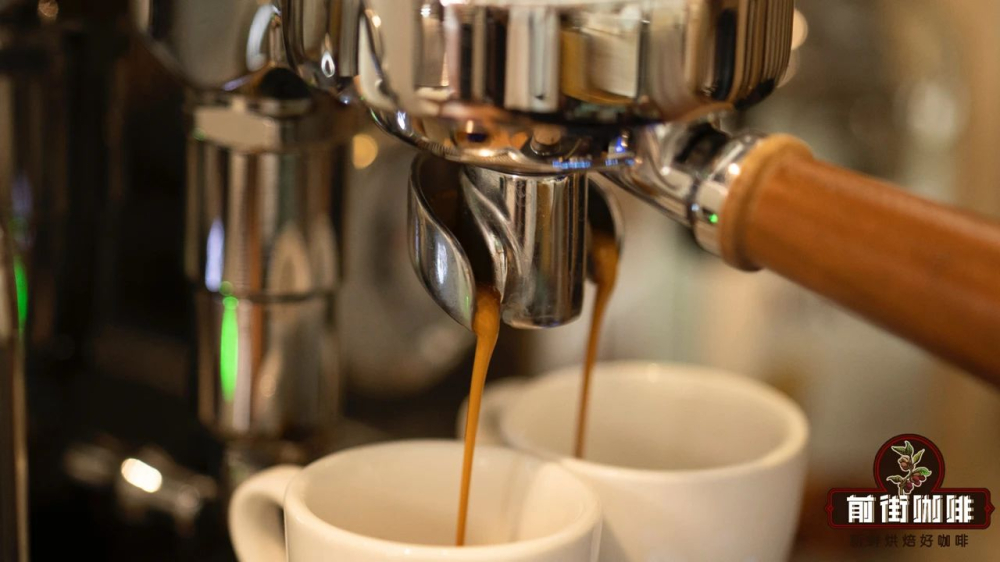
Finally, a reminder: no matter which beans you choose,freshness is key to extraction quality and flavor performance. We recommend selecting beans roasted 7–10 days prior, when they are at peak flavor, and ensuring delivery occurs within five days of roasting to achieve the best extraction results and aroma.
The above content is compiled by CoffeeHunters, a coffee news website.


