








Introduction:Struggling to replicate that enticing golden crema (the layer of coffee foam) you see in cafés at home? The secret to brewing great espresso actually lies in four key factors: coffee bean freshness, roast level, bean variety, and machine pressure settings. This article will take you through how to achieve a professionally rich and balanced espresso using the right extraction techniques and high-quality beans. We’ll also recommend a few classic blends perfect for home use — even beginners can get started with ease.
Espresso is the soul base of all Italian-style coffee — whether it’s a latte, cappuccino, or Americano, none would be complete without this rich and intense core. And the most intuitive indicator of a good espresso is the crema floating on top. Ideal crema should display an amber to golden color, with fine tiger-stripe patterns, and be about 1 to 2 centimeters thick. Not only does it emit delightful aromas of caramel and dark chocolate, but it also directly influences the overall texture and layered flavor of your drink.
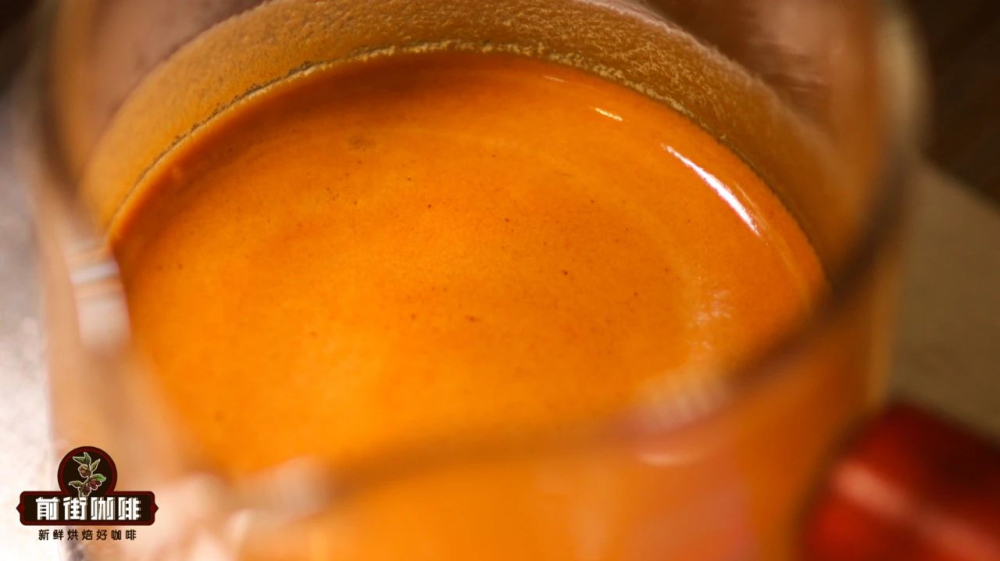
Many coffee lovers attempting to make espresso at home often face one common frustration: why does their home-brewed espresso lack that coveted crema? In reality, crema forms through the interaction between the natural oils in coffee beans and the carbon dioxide released under high pressure. Therefore, if you want to brew café-quality, crema-rich espresso at home, the key is mastering these four elements: the freshness and roast level of your beans, the choice of variety, and the pressure settings during extraction.

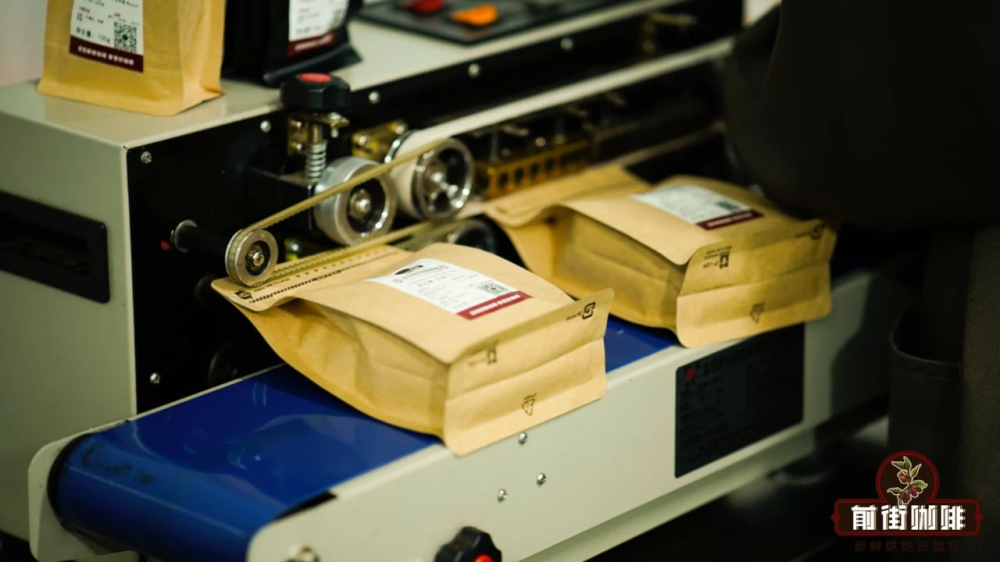
First,the freshness of coffee beans is the primary factor determining crema richness. Crema is essentially formed when the carbon dioxide inside the beans is enveloped by the beans’ own oils. Thus, the fresher the beans, the more gas they retain, and the richer the crema produced during extraction. On the contrary, if coffee beans have been stored for too long, not only will the gases have dissipated, but important aromatic compounds will also have been lost, resulting in thin or even non-existent crema. When purchasing, be sure to choose products that clearly indicate the roast date (rather than vague best-before dates), and opt for brands that emphasize “freshly roasted.” Additionally,never use pre-ground coffee powder, as grinding significantly increases the beans’ surface area exposed to air, causing volatile components and gases to dissipate rapidly, which greatly affects both extraction quality and flavor.
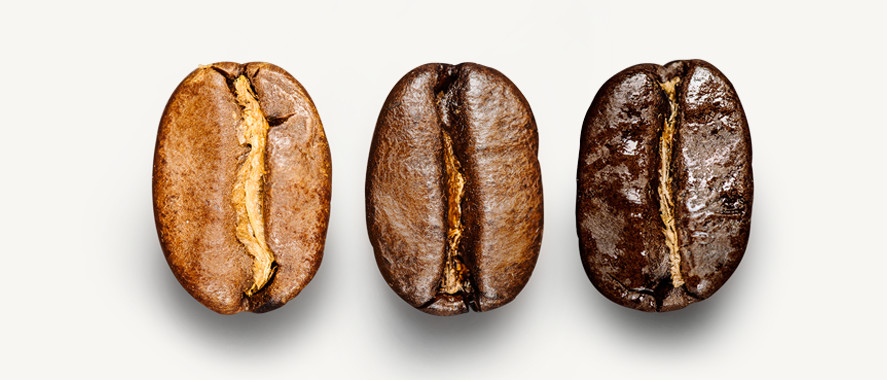
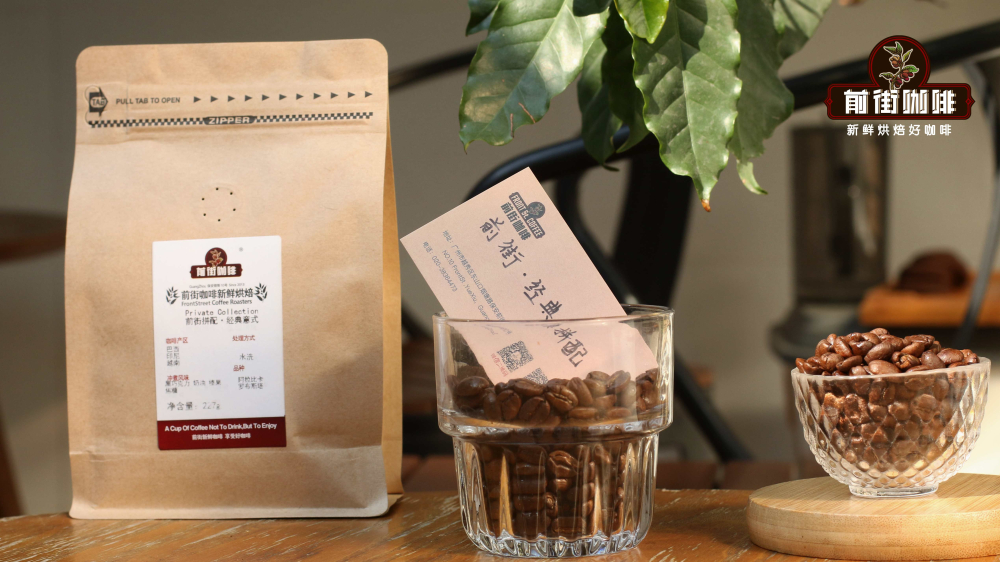
The second key factor isroast level. Most professional cafés use medium-dark to dark roasted beans for making espresso. This is because as the roast time extends, the internal structure of the beans becomes more porous, the bright fruit acids gradually transform into sweetness and caramelized flavors, while more intense roasting aromas are released. More importantly, during the dark roasting process, the beans accumulate a large amount of carbon dioxide. When hot water under high pressure passes through, these gases are released in the form of tiny bubbles, creating the familiar golden crema. For beginners, when selecting espresso blends, prioritize those labeled with flavor notes such as hazelnut, chocolate, cream, or caramel — these typically indicate higher crema potential and a richer taste.
Third,the inherent differences between coffee varieties also affect crema performance. Generally speaking, Robusta naturally contains more oils and caffeine than Arabica, which allows it to produce a richer crema. This is also why many classic espresso blends include a small proportion of Robusta. If you’re aiming to recreate a crema-rich espresso suitable for milk-based drinks at home, consider trying blends with a touch of Robusta — they often deliver a bolder, smokier flavor and more stable crema, laying a perfect foundation for your lattes or cappuccinos.
Finally,extraction pressure is the technical key to achieving rich crema. The ideal espresso extraction pressure is around 9 bar, which is the standard pressure stably provided by professional espresso machines. This ensures that, under high pressure, the oils and carbon dioxide within the coffee grounds are fully released, forming a thick and velvety crema. For home users, if your budget allows, investing in an espresso machine capable of delivering 9 bar pressure is the top choice for pursuing quality. If your setup is more limited, a moka pot is also a good alternative — although its pressure is only about 1.5 bar (relatively low), it can still extract a certain degree of crema via high-temperature steam pressure. As long as you pair it with a freshly roasted, moderately roasted blend, you can still achieve an espresso with a beautiful crema layer, offering excellent value for money.

In summary, to brew a crema-rich, balanced espresso at home, the key lies in choosing freshly roasted, medium-dark roasted, well-blended beans, and using equipment that provides sufficient extraction pressure. Master these four elements, and even beginner coffee enthusiasts can gradually adjust and craft their own perfect espresso, ensuring every cup of homemade Italian coffee is full of professional flavor and pleasant surprises!
The above content is compiled by CoffeeHunters, a coffee news website.


