







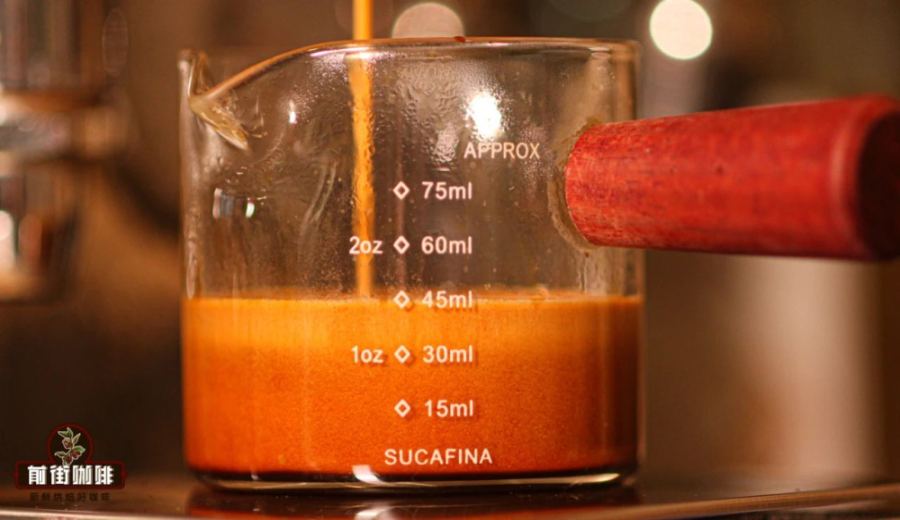
Introduction:The amber crema on the surface of espresso is often seen as a symbol of quality, but it actually involves multiple factors such as roast level and extraction technique. This article delves into the science behind crema, debunks the myth that "more oil means better quality," and explains the differences in crema production between light and dark roasts. It also provides a tested and effective bean selection guide for moka pots and semi-automatic machines, helping readers choose specialty beans that offer both great flavor and value.
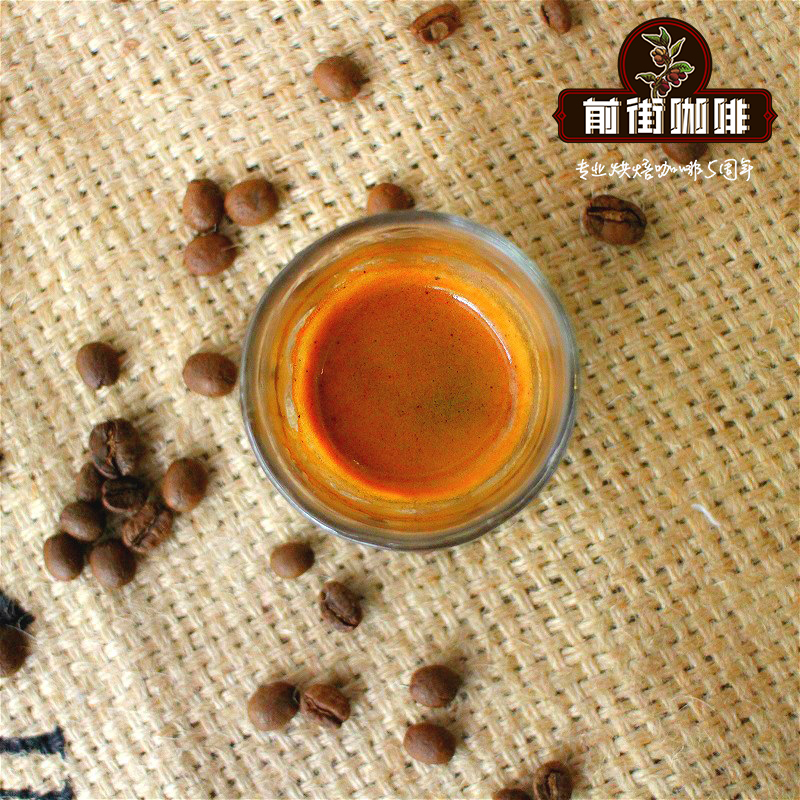
Many coffee enthusiasts consider crema the soul of espresso, but there are still questions about its composition and health impact. What exactly is this layer of crema floating on the coffee? How is it formed? And can it truly reflect the quality of the beans? Let’s start by clarifying the basic principles.
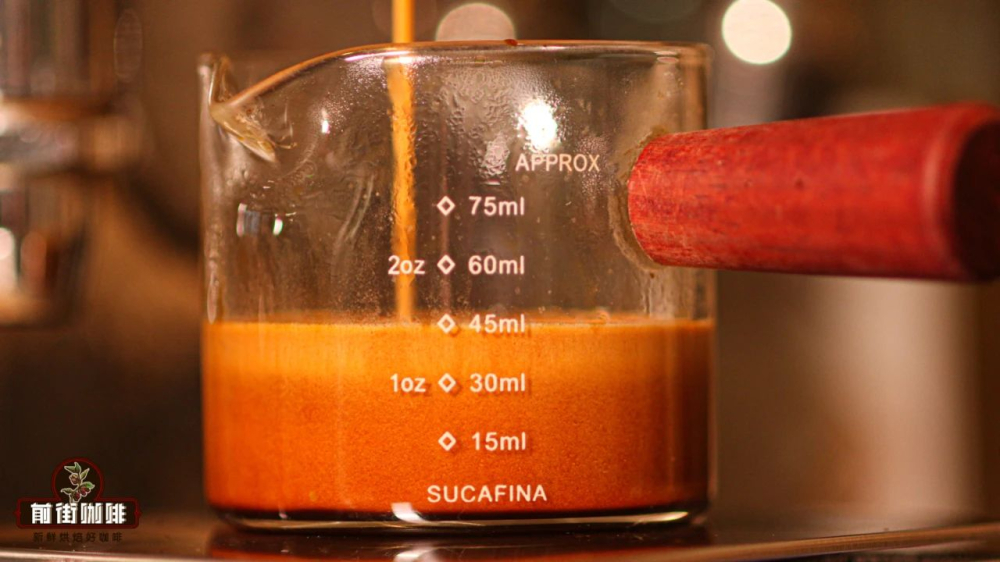
A common misconception is confusing the natural oils on the bean surface with crema. In reality, the oils found in coffee beans are water-soluble organic compounds, primarily consisting of hundreds of aromatic substances. Crema, on the other hand, is a foam structure formed by carbon dioxide released during extraction and fine coffee particles. These tiny bubbles gradually dissipate within minutes.
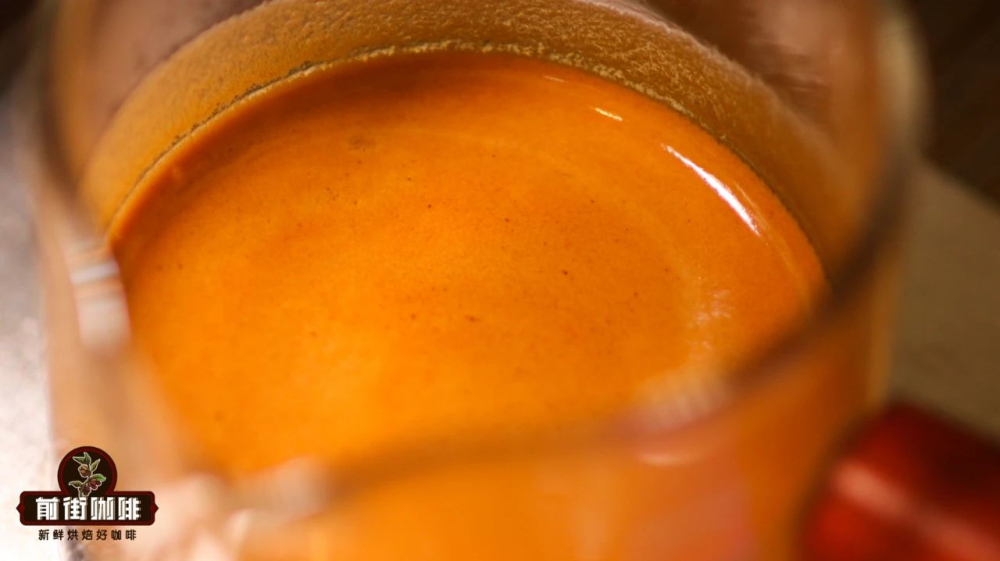
Two key factors determine crema performance: first is the roast level — dark roast beans, due to ruptured cell walls releasing more oils, usually produce a thicker foam layer; second is the extraction parameters. It’s recommended to use water at 92–94°C, a pressure of 9–10 bar, and maintain a brew ratio between 1:2 and 1:3 for optimal balance.

Special attention should be paid to the oiling phenomenon of light roast beans:Freshly roasted light roast beans typically showing speckled oiliness within 6–14 days is a normal sign of peak flavor.However, if oil continues to seep out after two weeks, it often indicates improper storage leading to oxidation. In contrast, it’s normal for dark roast beans to start naturally oozing oil between the 2nd and 5th day after roasting, but if the oiliness fades after three weeks or more, it may be a sign of flavor degradation.
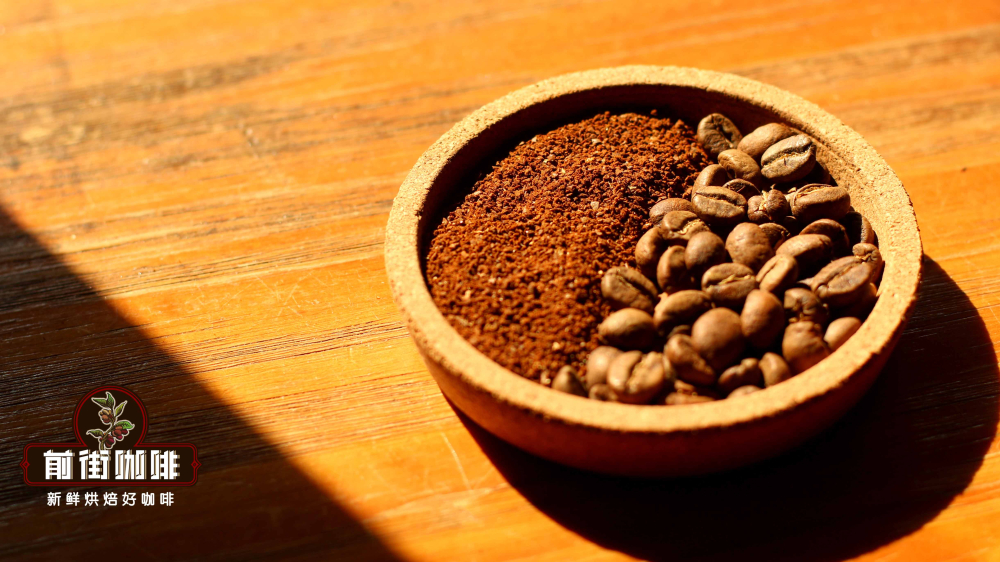
Regarding health concerns, studies show that moderate intake of coffee oils (less than 400mg of total lipids per day) does not have significant effects on healthy individuals. However, excessive intake may increase cholesterol absorption rates. It’s recommended to opt for low-fat milk or plant-based alternatives when pairing with milk.
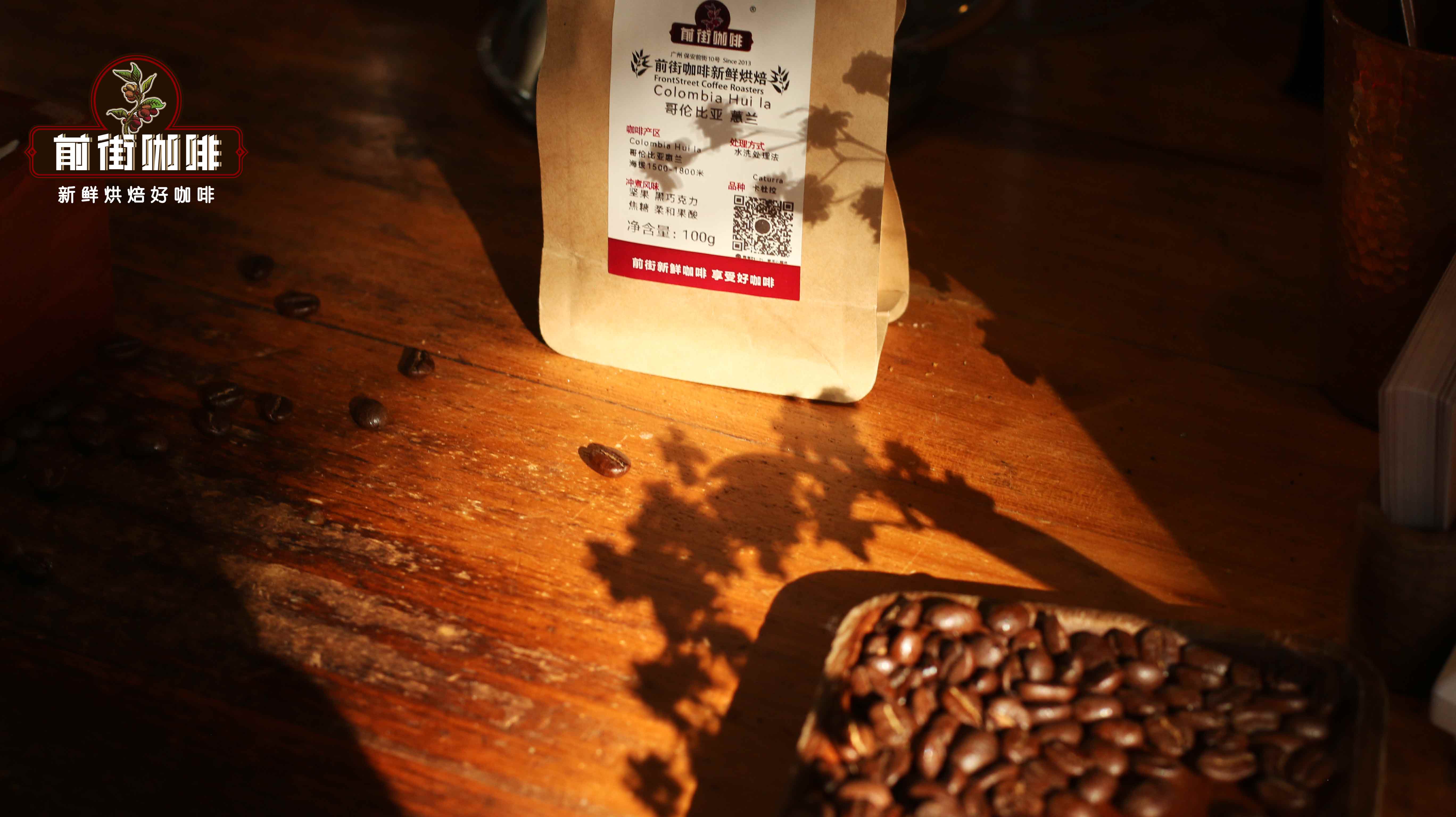
Practical Bean Selection Guide: For dark roast blends suitable for moka pots, it’s recommended to choose blends containing 20–30% Sumatra beans to enhance crema thickness; for single-origin beans, Latin American varieties roasted to City+ to Full City levels are recommended, as they can showcase bright acidity and a clear oily layer. The grind size should be adjusted to roughly sugar crystal size, and tamping pressure should be kept at 30–40 pounds.
Common Issues and Solutions: If using a semi-automatic coffee machine results in grayish-white crema, it may be due to too coarse a grind or under-extraction; if the crema is overly thick and separated, check whether the coffee grounds are too fine or tamped too heavily. Keeping a record of each extraction’s dose, water temperature, and time parameters can help stabilize crema quality.
The above content is compiled by CoffeeHunters, a coffee news website.


