








Introduction:If you want to make a professional-grade espresso at home, selecting the right coffee beans and mastering the correct extraction parameters are crucial. This article delves into the origins and evolution of espresso, introduces several beginner-friendly blends, and provides practical recommendations on coffee dosage, extraction time, and ratio to help you achieve your ideal flavor. It also includes detailed step-by-step instructions and answers to common questions.
Espresso was invented by Mr. Gaggia in 1946. By improving the piston pressure system and replacing manual pressing with spring pressure, he successfully created a golden layer of crema on the surface of the brewed coffee. This was the first appearance of crema in coffee history, and that year is regarded as the official birth year of espresso. Around 1986, the international coffee chain Starbucks popularized it globally, turning this rich coffee beverage into a familiar daily choice for the public.
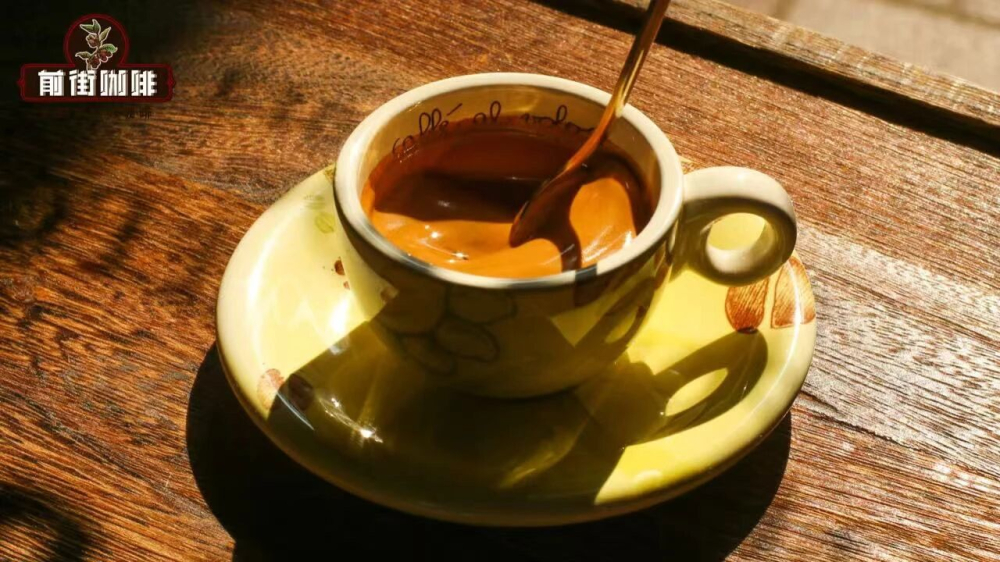
Compared to other brewing methods, espresso has stricter requirements for coffee beans. To allow the coffee to quickly release its flavors under high pressure and high temperature, the beans need to be ground finer. However, this also makes it easier to fail due to parameter imbalances, resulting in over-extraction or unpleasant taste. If you want to improve your success rate, it’s recommended to choose medium-dark to dark roasted blends. The following beginner-friendly blends are worth considering.
First is the “Premium Blend Coffee Beans,” priced at 75 yuan per 454 grams. It’s a blend of Colombian washed and Brazilian semi-washed beans, offering distinct notes of nuts, dark chocolate, and caramel. It’s suitable for users who enjoy a rich and balanced flavor.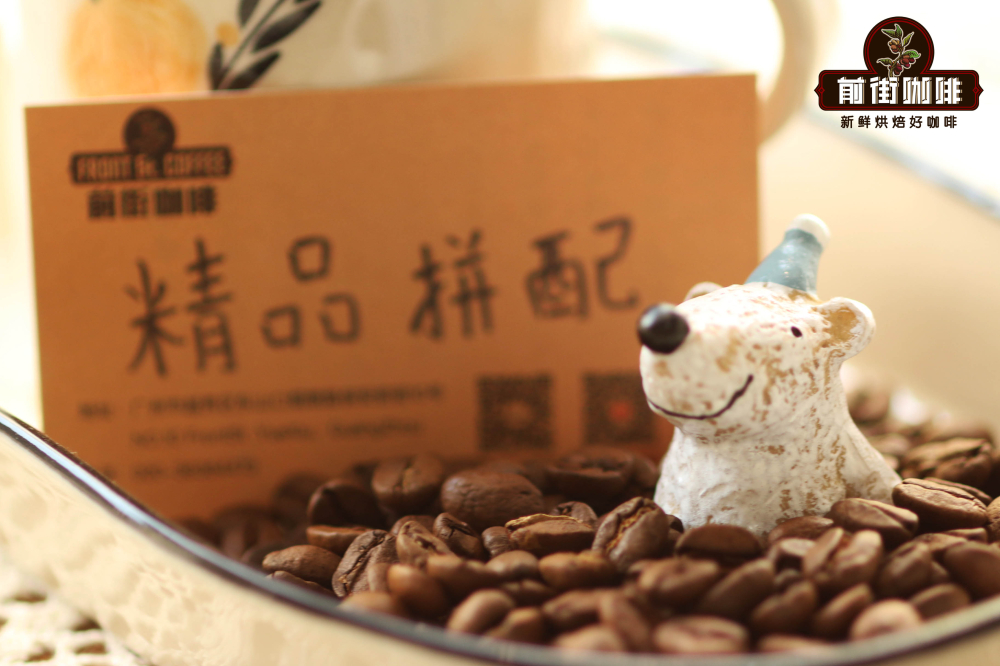
The “Classic Blend Coffee Beans” are sold at 33 yuan per 100 grams, composed of Brazilian semi-washed, Indonesian Mandheling, and Vietnamese coffee beans. Its highlight is its rich crema and full-bodied taste, making it ideal for milk-based coffees like lattes or cappuccinos.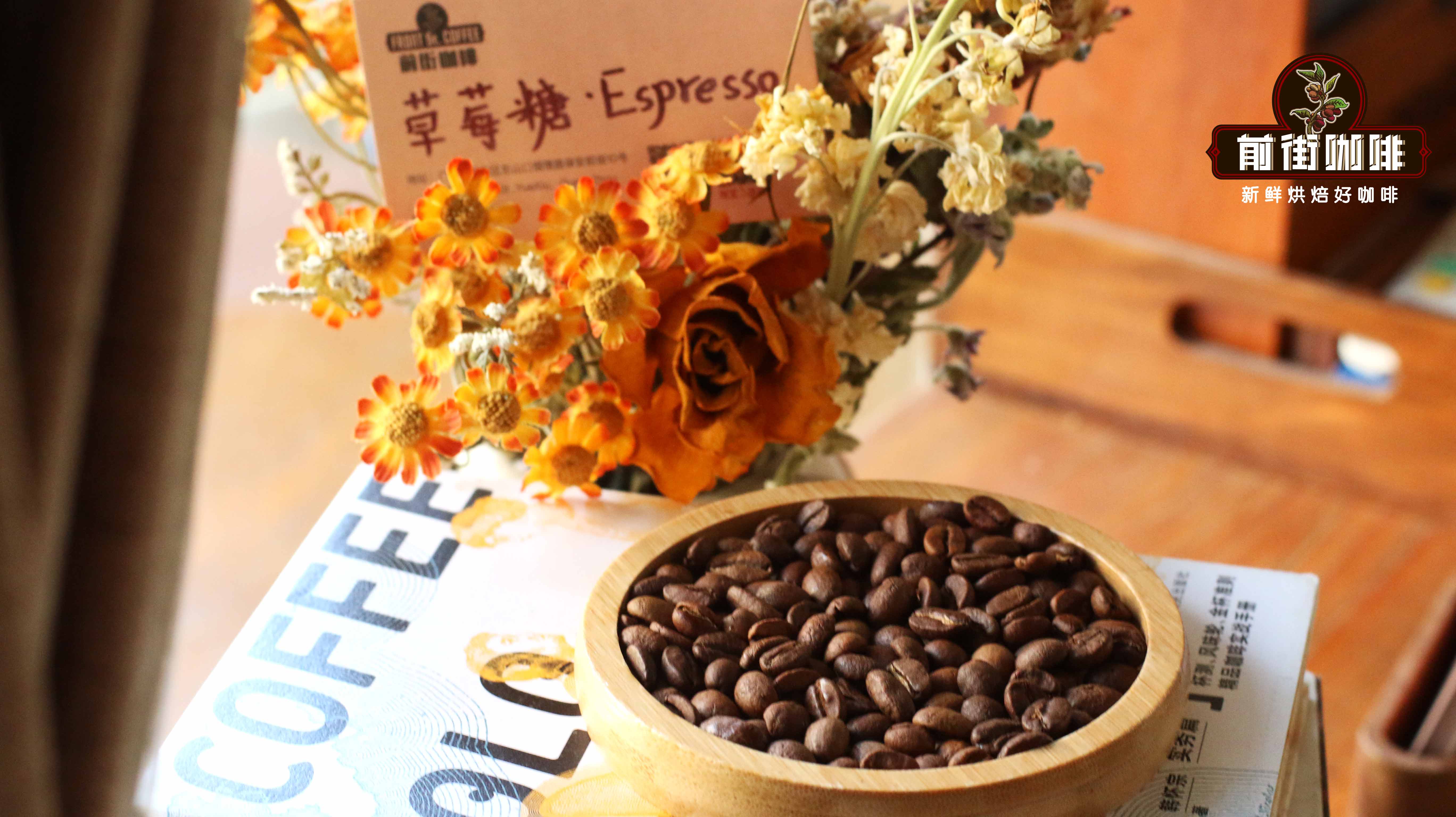
If you prefer fruity acidity and sweetness, try the “Strawberry Sugar Espresso” at 43 yuan per 100 grams. It combines beans from Costa Rica, Panama, and Ethiopia, exuding aromas of rose, strawberry candy, and glucose, with a refreshing and pleasant sweet-sour taste.
Espresso extraction follows certain standards. Depending on the portafilter basket used, the coffee dosage typically ranges between 18 to 22 grams. Accurate weighing is essential, as even small errors can significantly affect the final flavor. The most common extraction ratio is double the weight of the coffee grounds—for example, using 18 grams of coffee to aim for 36 grams of espresso. Exceeding this ratio can lead to over-extraction, resulting in sharp or bitter flavors.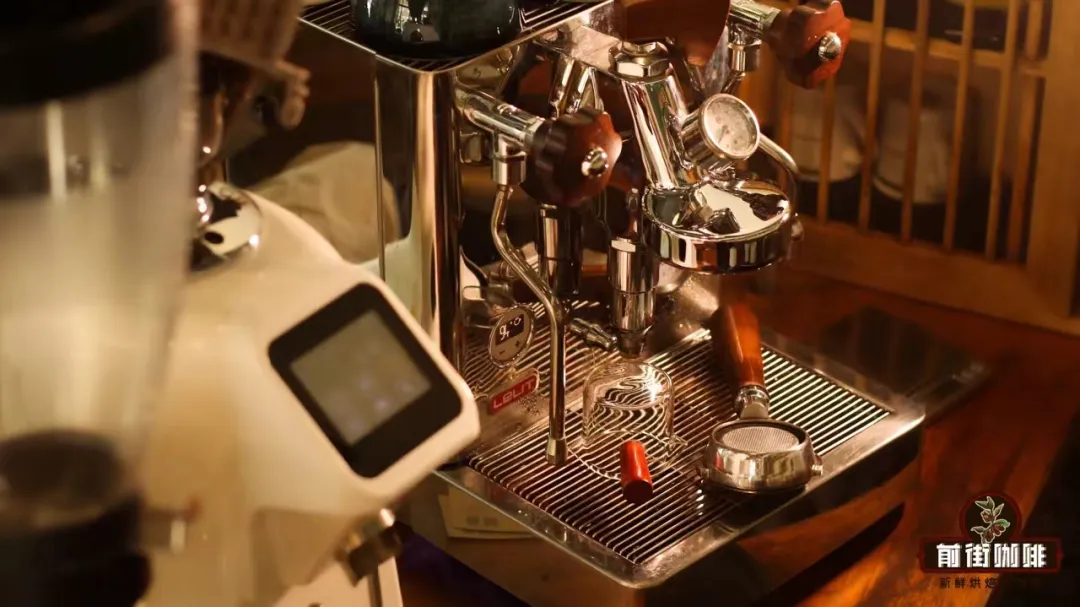
Of course, these parameters can be adjusted based on personal preference. For instance, some shops use 20 grams of coffee to extract 36 grams of liquid to enhance the base flavor for Americanos or lattes. Generally, it’s recommended that the liquid coffee weight be 1 to 3 times the weight of the dry coffee, with 2 times being the most commonly used ratio.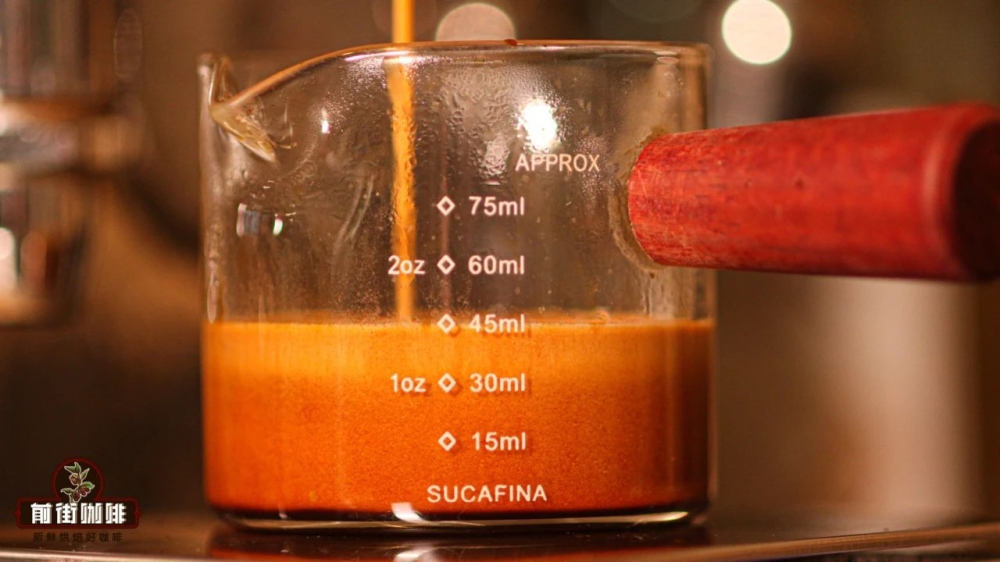
Extraction time is usually between 25 to 35 seconds, starting from when the extraction button is pressed until completion. If the time is too long or too short, the first thing to check is the coffee grind size, adjusting it appropriately to optimize extraction parameters. Too fast an extraction may emphasize acidity and lack sweetness; too slow may bring bitterness and dullness.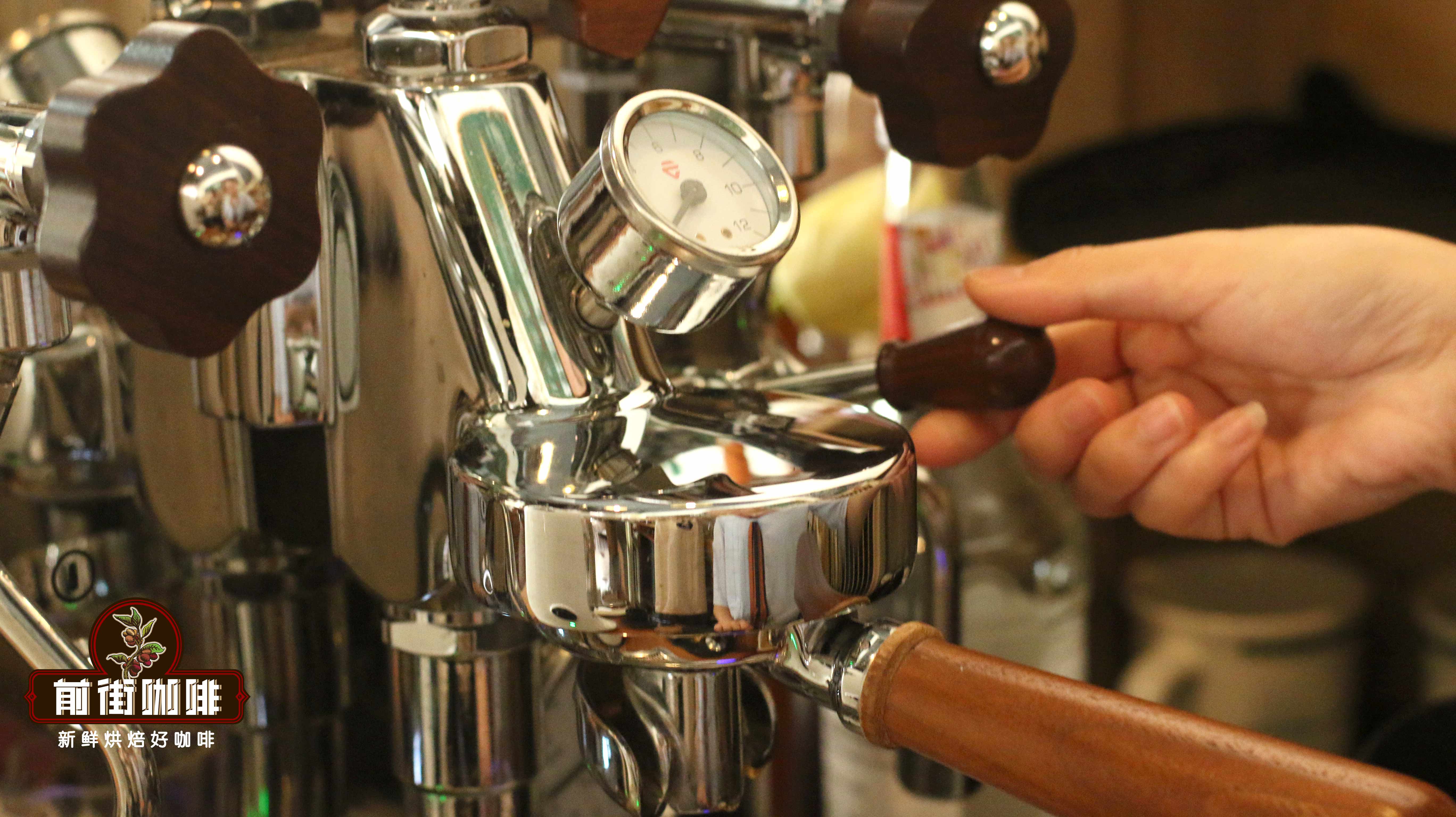
The most direct way to assess espresso quality is by tasting, but due to its subjectivity, many professionals use a refractometer to measure total dissolved solids (TDS) to obtain precise data on extraction strength and ratio. Using the formula “(%TDS × extracted coffee weight) ÷ coffee grounds weight = extraction percentage,” you can quantitatively evaluate the extraction effect.
Although many customers admire the barista’s proficiency in operating the espresso machine, the key actually lies in mastering the correct steps. Below is the standard operating procedure:
Step 1: Wipe the portafilter basket with a clean cloth to ensure it is dry and free of moisture.
Step 2: Accurately weigh the coffee grounds, with an error margin ideally controlled within ±0.1 gram.
Step 3: Distribute the grounds evenly to ensure a level coffee bed.
Step 4: Tamp the coffee moderately with consistent pressure.
Step 5: Lightly tap the handle to ensure the coffee puck is compact.
Step 6: Press the extraction button to begin brewing.
Step 7: After extraction, gently tap the portafilter and immediately clean the group head to prevent residue buildup.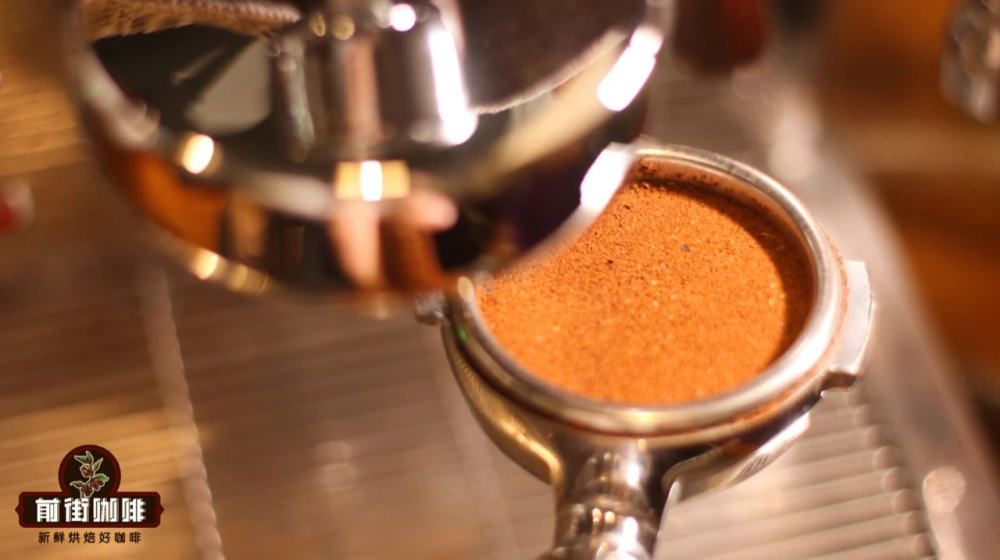
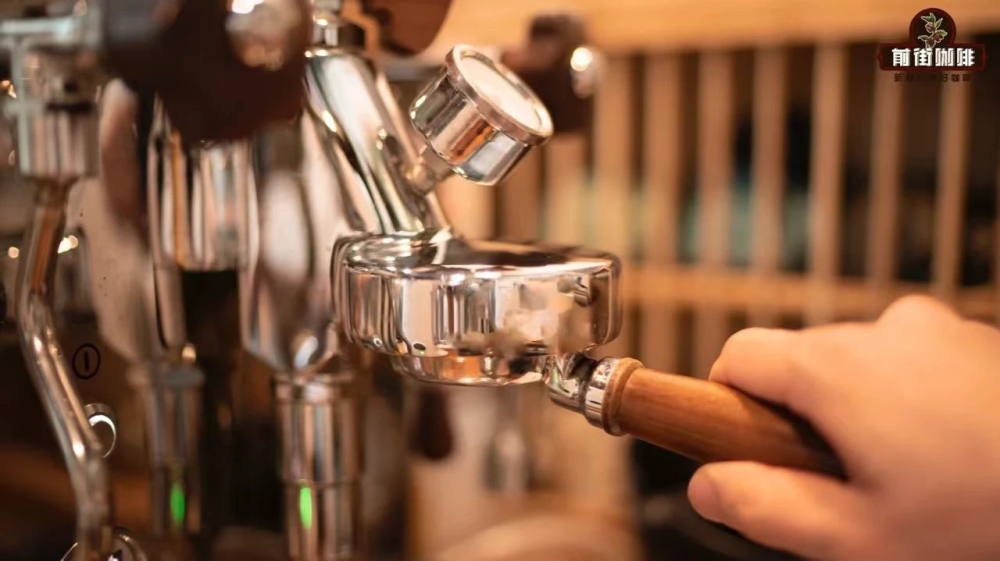
Recommended extraction setup: Use 20 grams of coffee grounds and aim to extract 40 grams of espresso, with a time control of around 30 seconds, to achieve a balanced and flavorful espresso.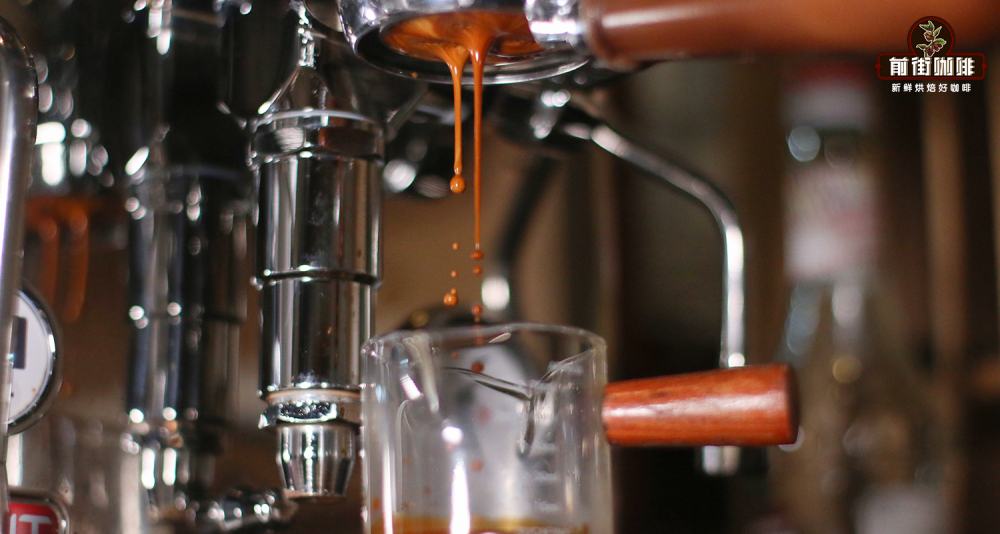
After completing the above steps, a professional-grade espresso is ready. To make other coffee drinks, simply add hot water, milk, or sugar to the espresso base—for example, a hot Americano is made by mixing 160 ml of hot water with the espresso and pouring it into a 200 ml cup.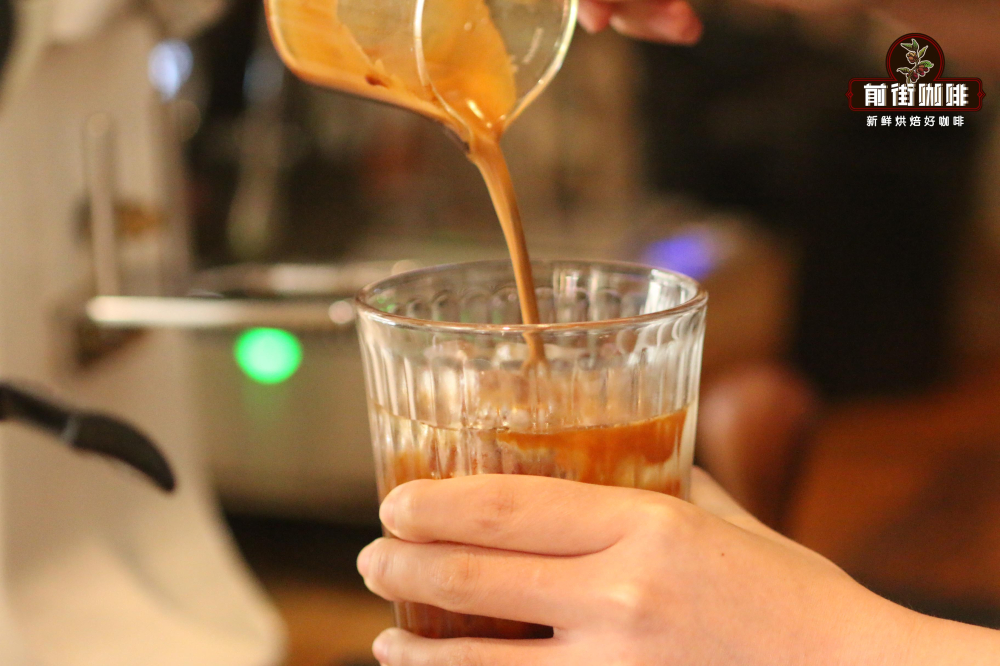
The above content is compiled by CoffeeHunters, a coffee news website.


