








Introduction:The golden crema on top of an espresso shot is not only a visual highlight but also an indicator of flavor and freshness. This article delves into the core factors that influence the thickness of the crema, including coffee bean freshness, roast level, extraction parameters, and more. It also analyzes common issues such as insufficient pressure and grind size, while recommending bean varieties ideal for producing rich espresso crema to help you achieve the optimal extraction.
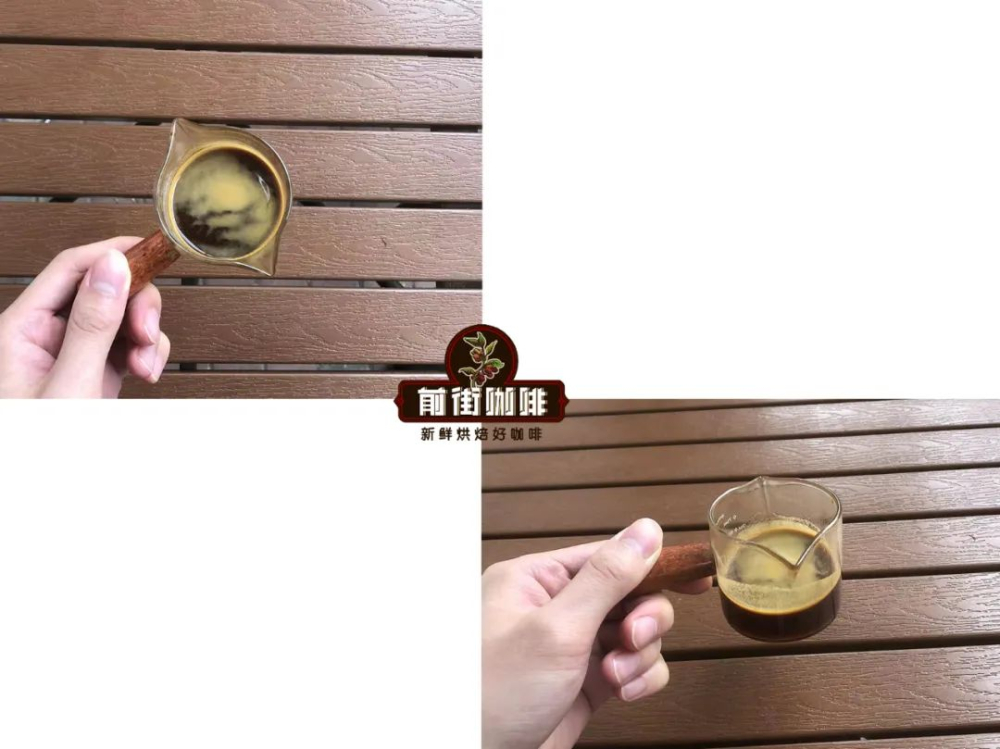
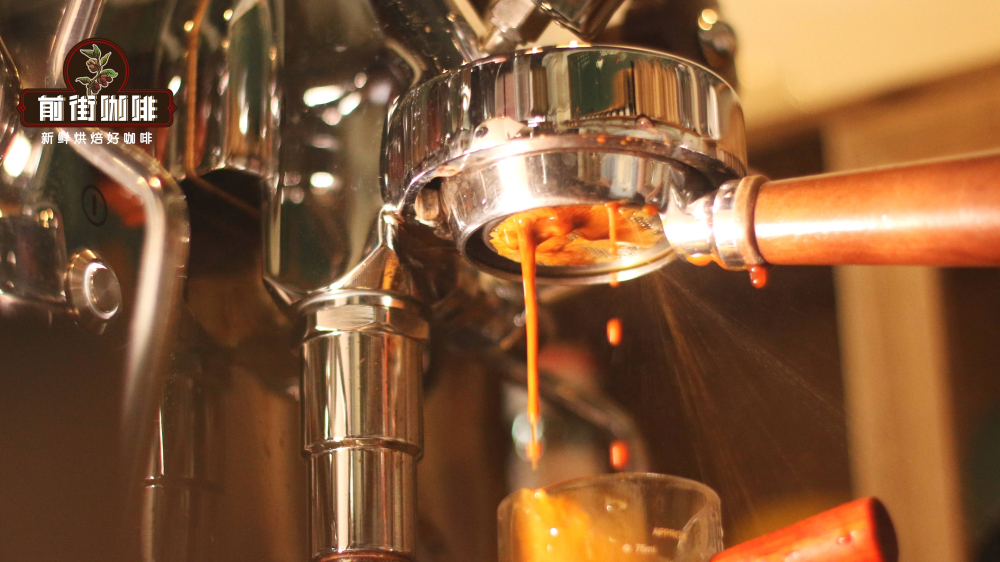
Many coffee enthusiasts often encounter the frustration of thin or even absent crema when pulling espresso shots. This golden layer is not just the soul of espresso but also a reflection of extraction quality. An ideal shot should have a crema covering about one-third of the black liquid, with a creamy texture and noticeable clinging effect on the cup walls.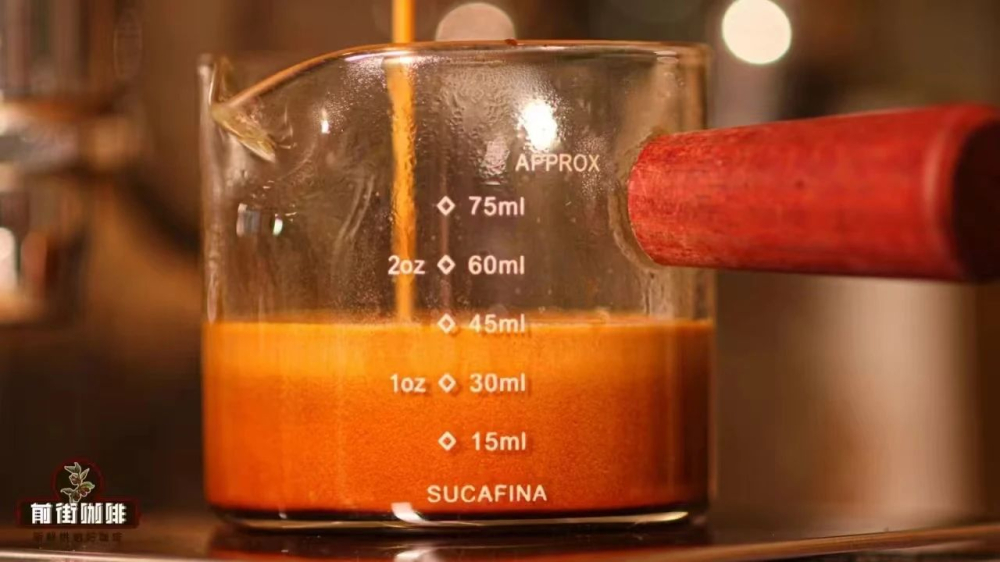
The primary factor influencing crema presentation iscoffee bean freshness. Crema is essentially a combination of coffee oils and carbon dioxide, and fresher beans typically produce richer crema. When purchasing, pay attention to the roast date indicated on the packaging (not the expiration date), and opt for suppliers that provide information on recently roasted beans. Properly stored beans reach their peak flavor around 5 to 10 days after roasting, and espresso made during this period usually exhibits the best crema performance.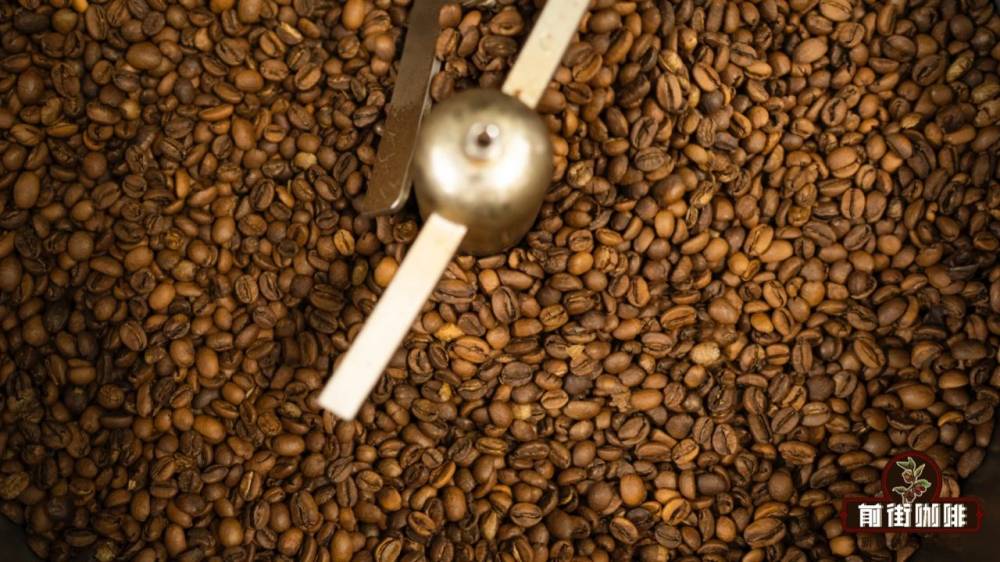
Roast levelis positively correlated with crema volume. Darker roasts, due to more thorough breakdown of cell structures, release more carbon dioxide, aiding in the formation of denser crema. Observations show that under the same conditions, dark roast beans often produce a thicker and darker crema layer compared to lighter roasts. However, over-roasting can lead to exaggerated bitterness, so it's important to balance crema volume with flavor profile.

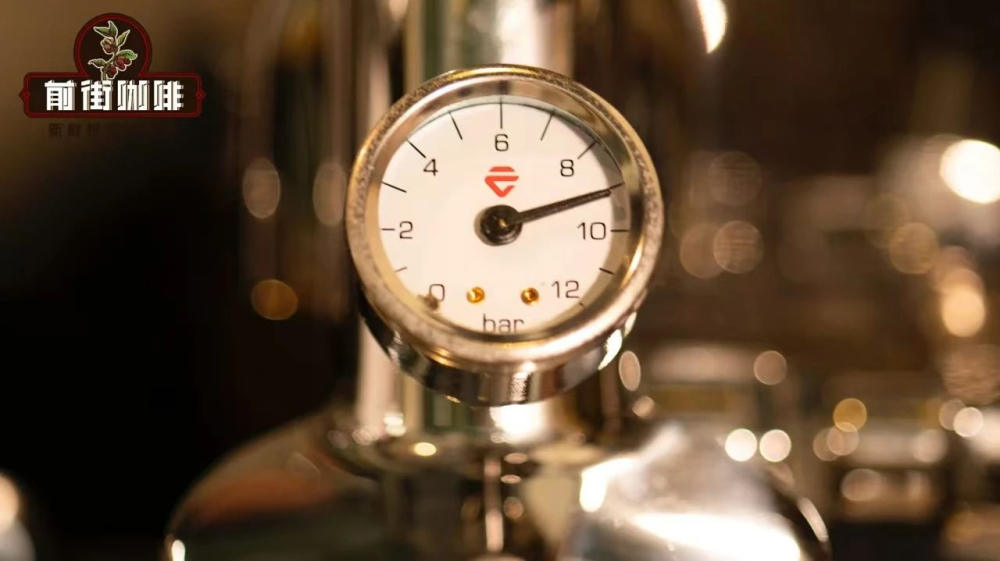
Thepressure systemof the extraction equipment is a key technical element. The standard 9-bar pressure of commercial espresso machines effectively extracts the essential substances from the coffee puck, which is also a common technical bottleneck in home machines. While moka pots operate at lower pressure (about 1-2 bar), they can still produce a basic crema layer when paired with fresh dark roast beans. Be sure to check the machine’s pressure gauge reading—unstable pressure output directly affects crema texture.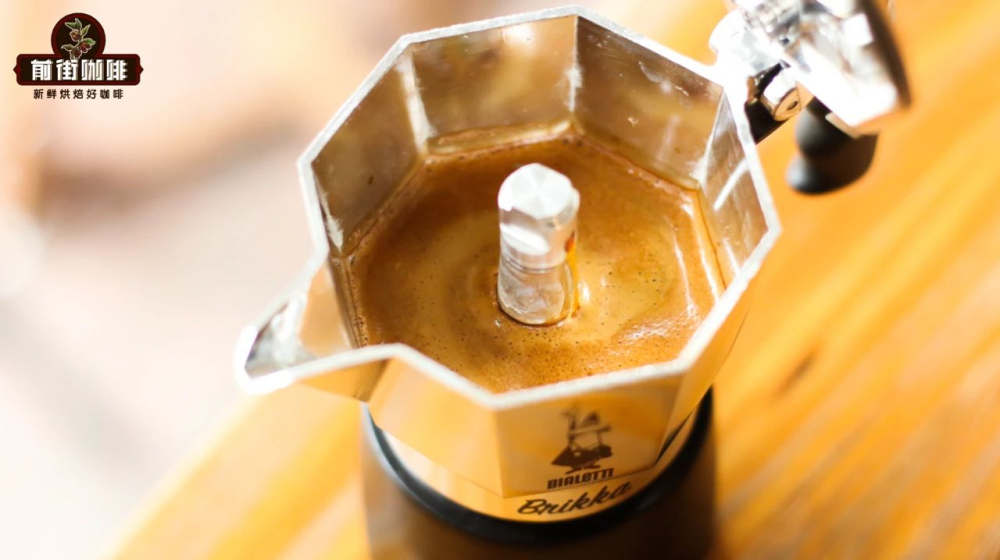
Varietal differences in coffee beansalso significantly impact crema characteristics. Robusta beans, due to their high caffeine content and harder bean structure, naturally produce more microbubbles, which is why some commercial blends include 5–10% Robusta to enhance crema performance. However, choosing pure single-origin beans requires consideration of overall flavor balance—over-pursuing crema volume may sacrifice acidity and sweetness.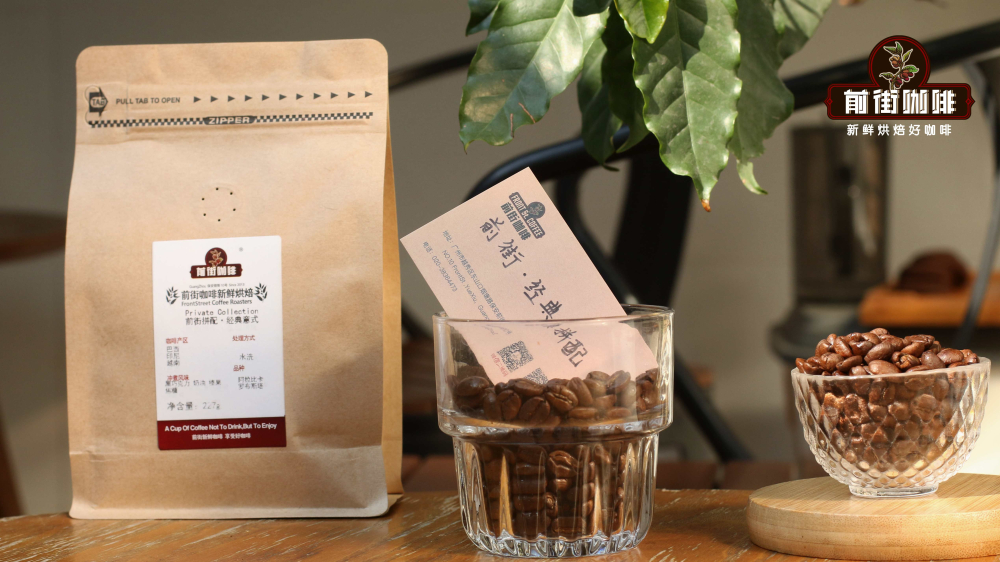
Common operational mistakes include:improper grind size(leading to fast flow rate and channeling),low water temperature(recommended extraction temperature range is 90–96°C),insufficient bean resting time(freshly roasted beans require 7–10 days for degassing). Pay special attention to the common issue of inadequate preheating in home machines—crema extracted before reaching optimal working temperature often appears grayish and opaque.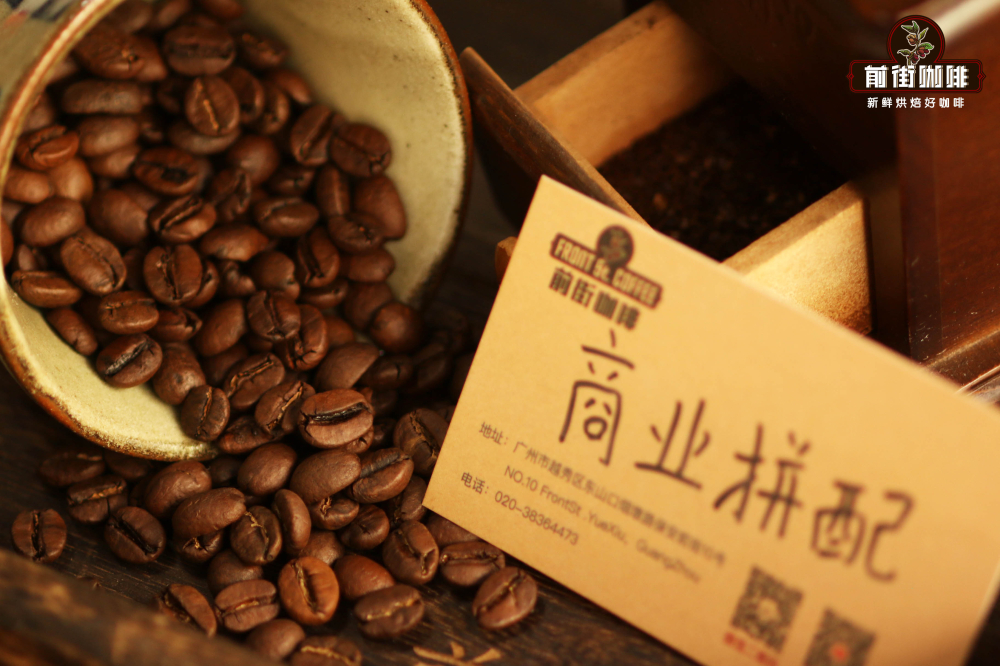
To improve your current results, consider the following steps: ensure the beans were roasted within 10 days, check if your grinder settings are suitable for espresso (recommended brew ratio of 1:2 to 1:3), and preheat the portafilter and cup to prevent temperature loss. Record each extraction’s time (ideal range is 20–30 seconds), yield (about 30ml for a single shot), and observe the crema’s color and texture, then gradually adjust to achieve the best outcome.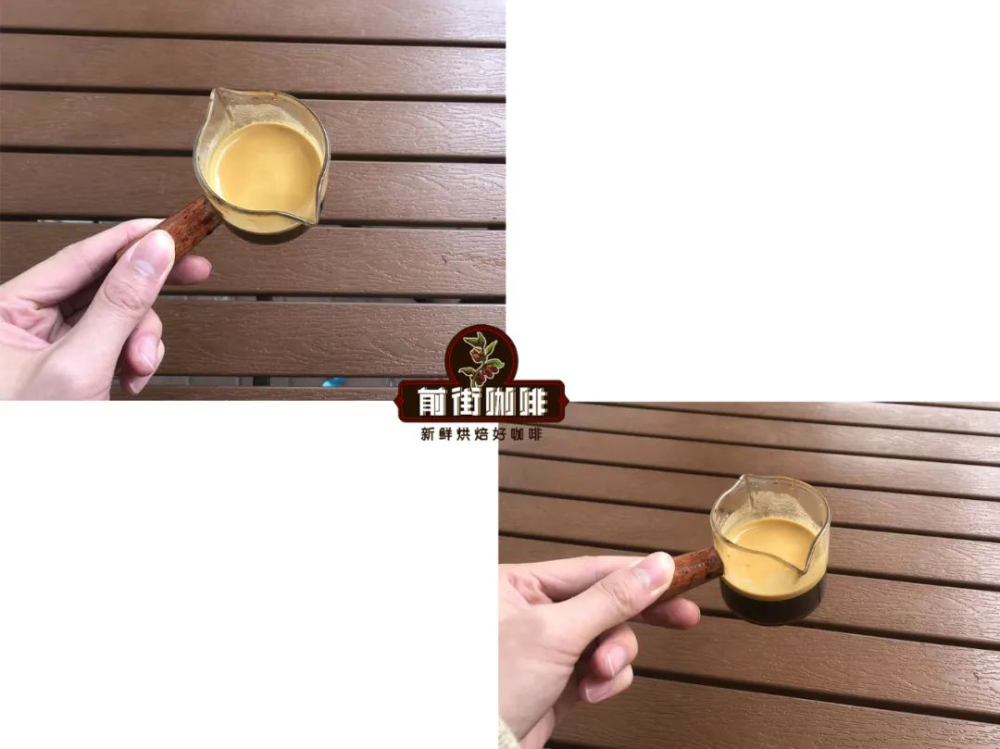
The above content is compiled by CoffeeHunters, a coffee news website.


