








Introduction:Want to brew delicious espresso with a moka pot but don’t know how to choose coffee beans or adjust the parameters? This article dives deep into the extraction principles and operation details of the moka pot, explaining why dark roast blends are more suitable. We also recommend five highly cost-effective and easy-to-find everyday coffee beans that let you easily brew rich, non-bitter coffee — whether for personal use or daily brewing.
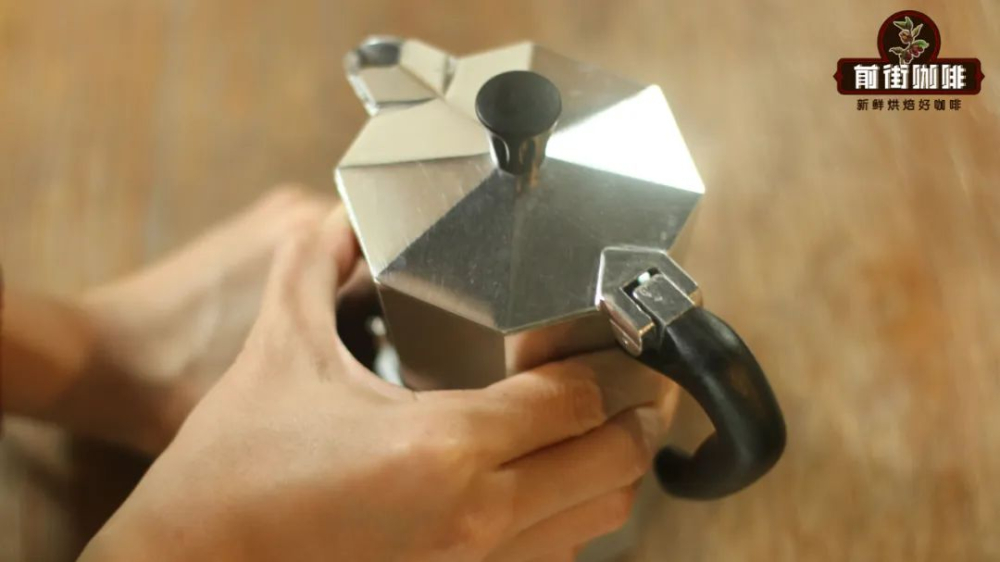
The reason the moka pot is so popular is its intuitive operation: just add water, place the coffee grounds, and heat — three simple steps to make espresso-like coffee at home. This classic device mainly consists of three parts: the bottom, middle, and top. When heated, the water in the lower chamber turns into steam, generating about 1.5 to 2 atmospheres of pressure, which pushes the hot water through the coffee grounds in the middle section, and finally delivers the extracted coffee into the upper chamber.
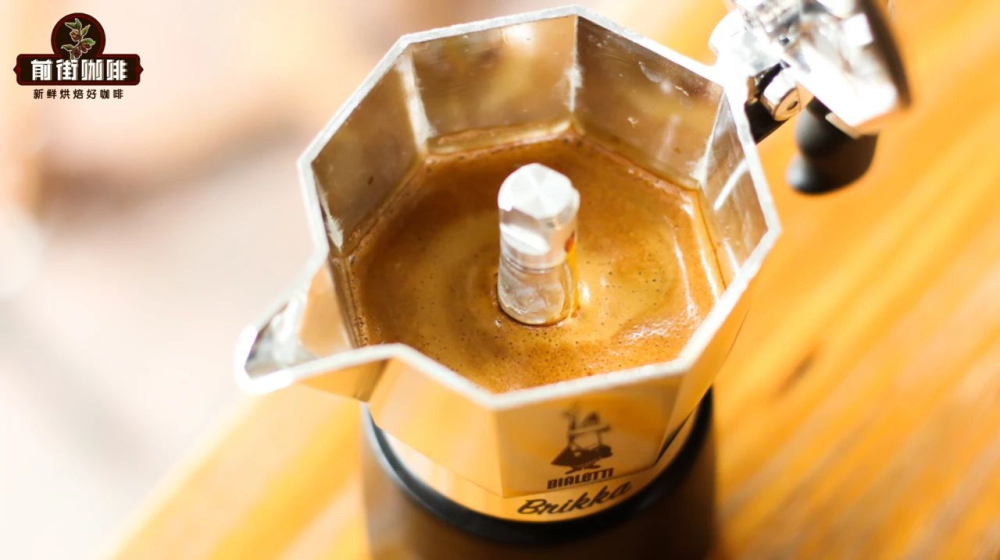
Thanks to the high-temperature pressurized method, the moka pot concentrates the release of aroma and flavor from the coffee, resulting in typically bold and rich brews. Especially with a moka pot featuring a dual-valve design, not only is the pressure more stable, but it also allows more delicate crema to form on the surface, adding texture and layers to the taste.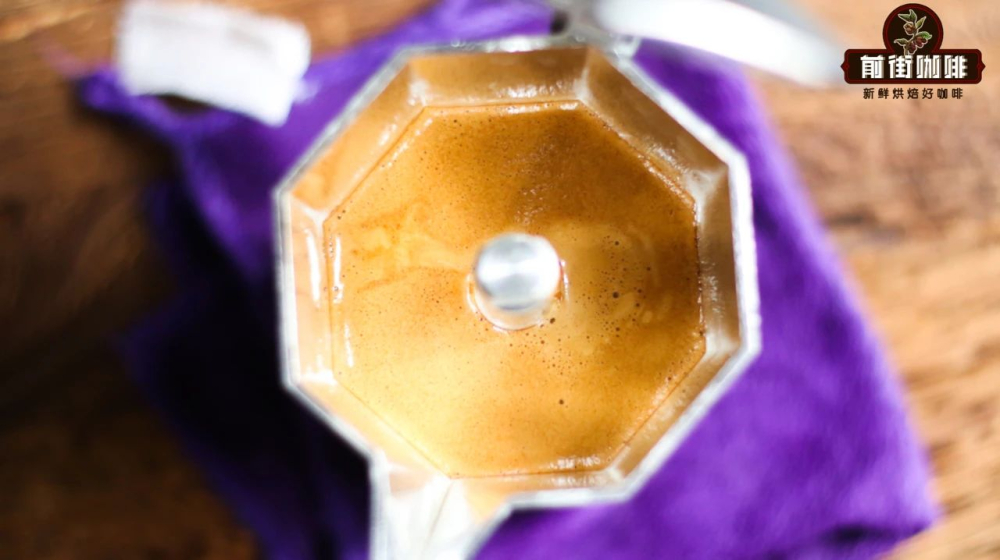
However, there are still clear differences between the moka pot and professional espresso machines. Commercial espresso machines can reach an extraction pressure of over 9 atmospheres, producing dense, creamy espresso with rich layers; the moka pot, on the other hand, maxes out at around 2 atmospheres, yielding a relatively lighter brew. Though not as thick as machine-made espresso, it still delivers strong coffee flavors, making it ideal for home daily use.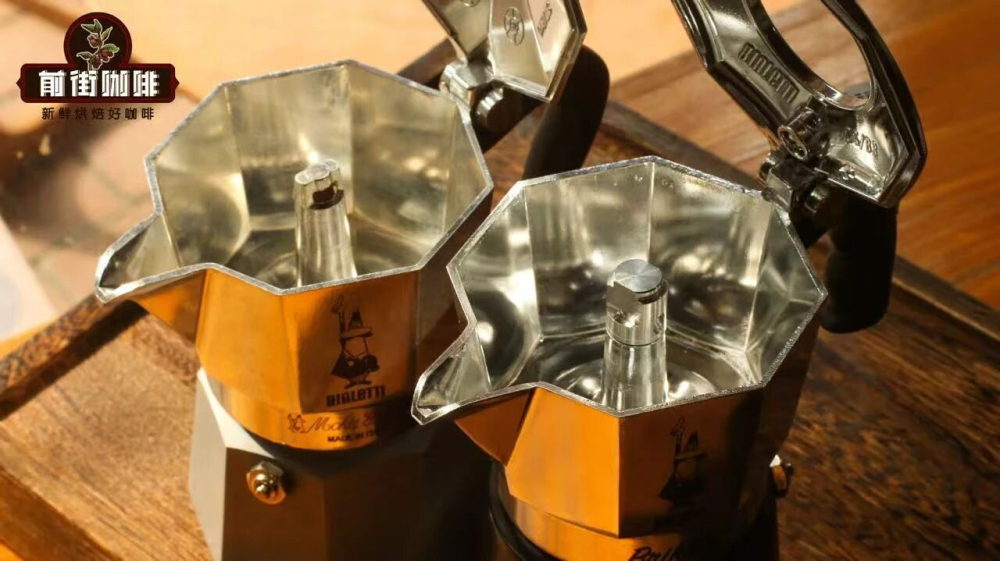
Since the moka pot uses high-pressure extraction, it's recommended to prioritize dark roast espresso blends when selecting beans. These beans are usually roasted longer, have softer bean structure, and release flavors more steadily. This reduces the sourness or bitterness that can come from high temperature and pressure, and also helps stabilize the extraction of rich oils and aromas. If using light roast beans, which are generally harder, a finer grind is often needed — but under high pressure, this can lead to over-extraction, resulting in sharp and unpleasant coffee flavors.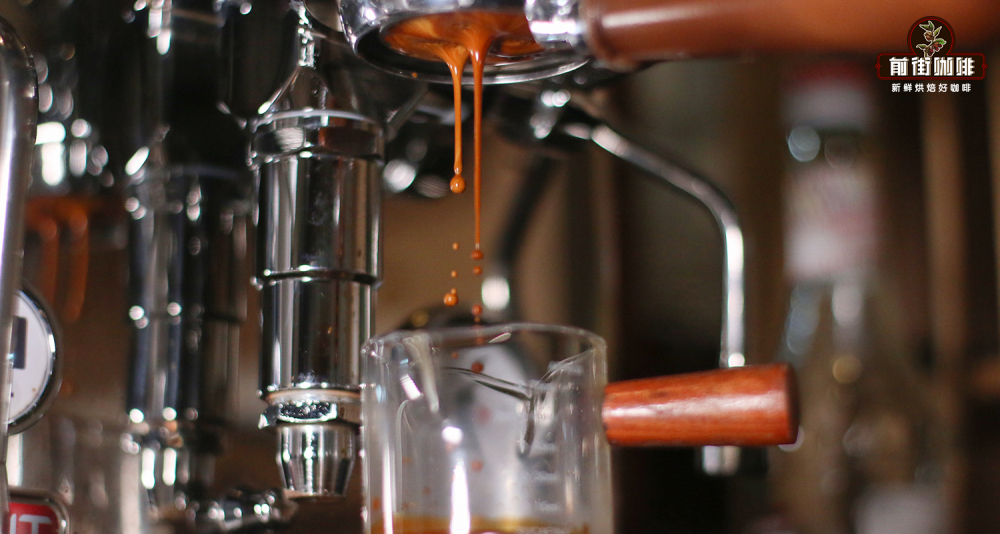
For readers looking for stable, high-value everyday coffee beans, here are five recommended dark roast blends suitable for the moka pot. These beans offer balanced flavors, affordable prices, and are great for home brewing, allowing you to easily brew espresso with character.
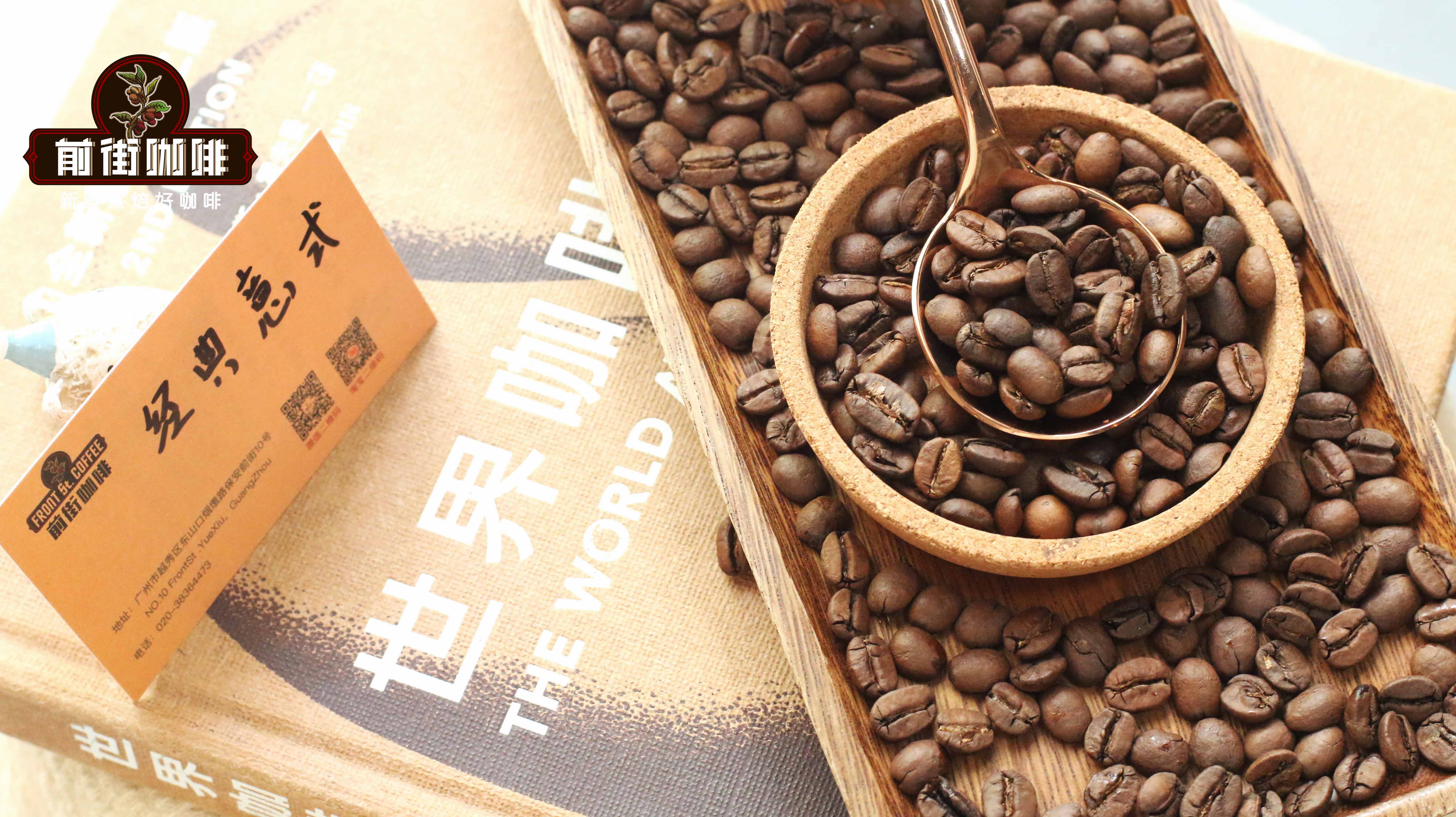
The first is the "Classic Espresso Blend." Known for its rich crema, it features prominent caramel, chocolate, and nutty notes. It’s perfect for making lattes and latte art, but also enjoyable as a straight shot to appreciate its bold body.
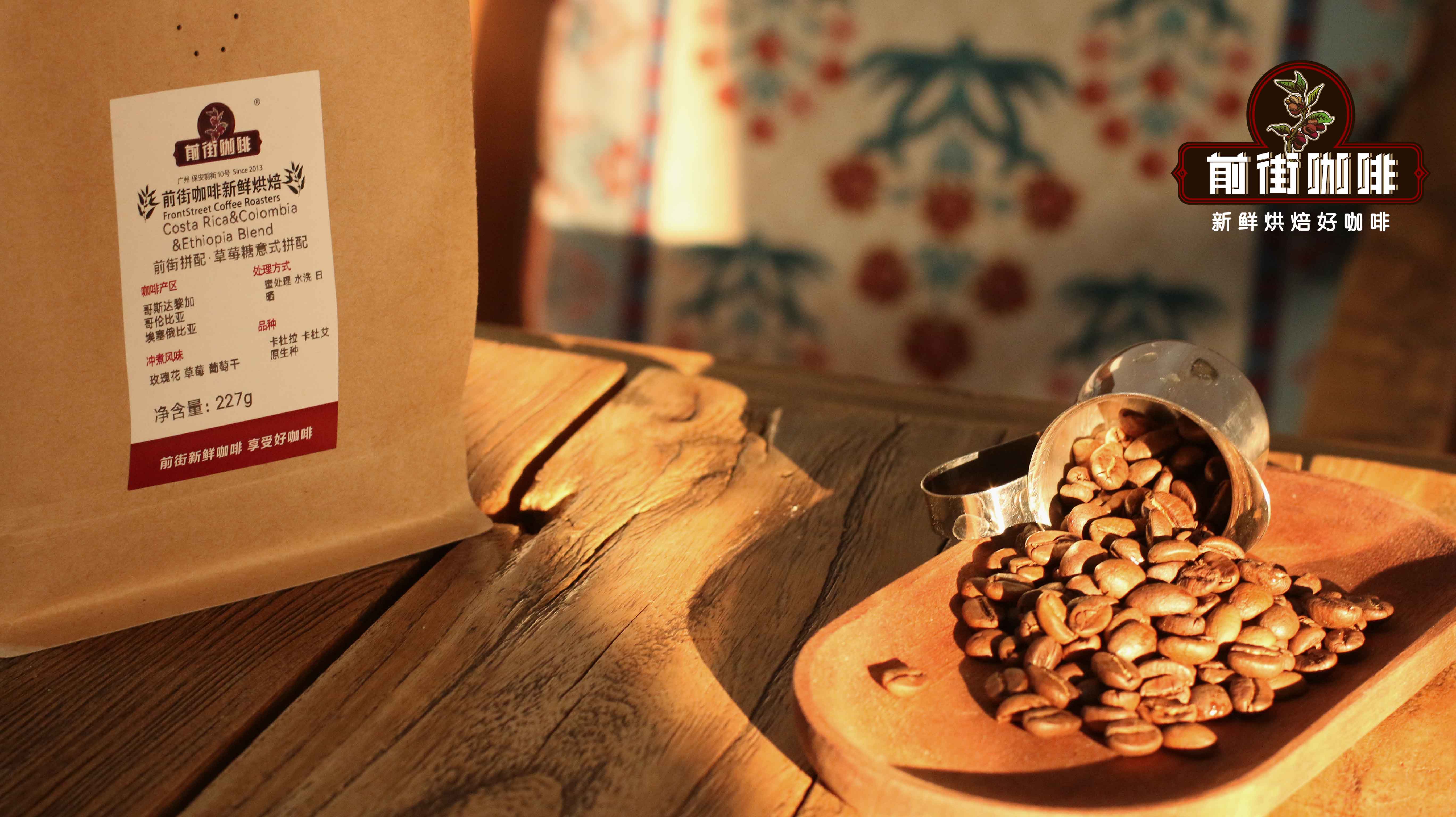
The second, "Strawberry Candy Espresso Blend," highlights fruity profiles with aromas of rose, raisin, blueberry, and almond biscuit. It has a smooth texture with a slight sweet-sour taste, ideal for coffee lovers who enjoy bright fruit notes.
The third, "Premium Espresso Blend," combines Brazilian nutty flavors with Colombian chocolate tones. The overall profile is well-balanced, yielding a brew with notes of butter cookie, cocoa, and roasted nuts — great for those who enjoy layered taste experiences.
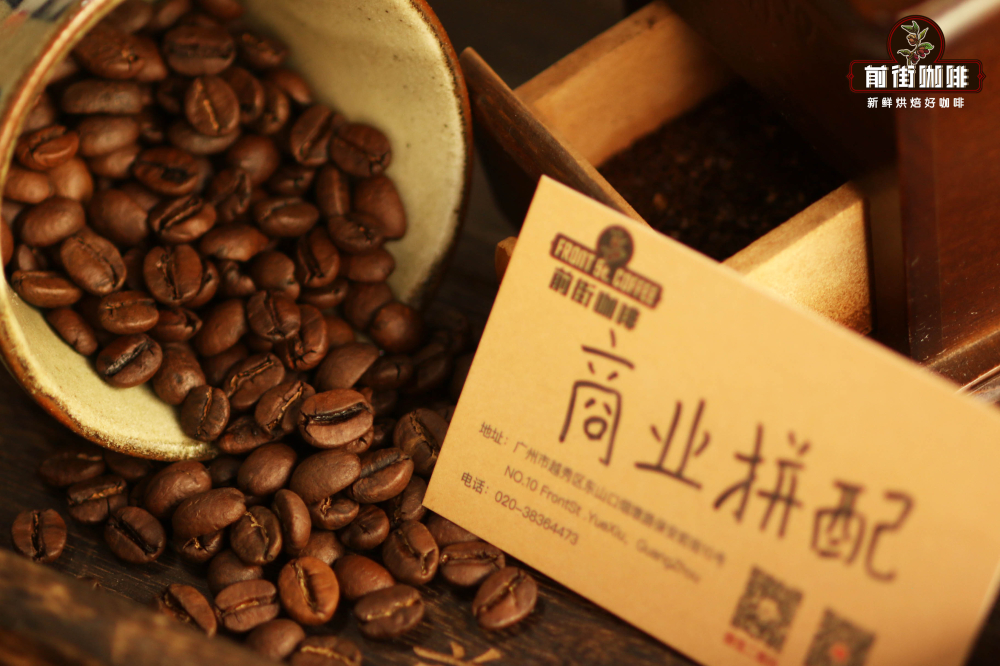
The fourth, "Commercial Espresso Blend," delivers strong roasted aromas and rich crema. Whether used for Americano or latte, it’s smooth and approachable, with an affordable price — a practical staple for home use.
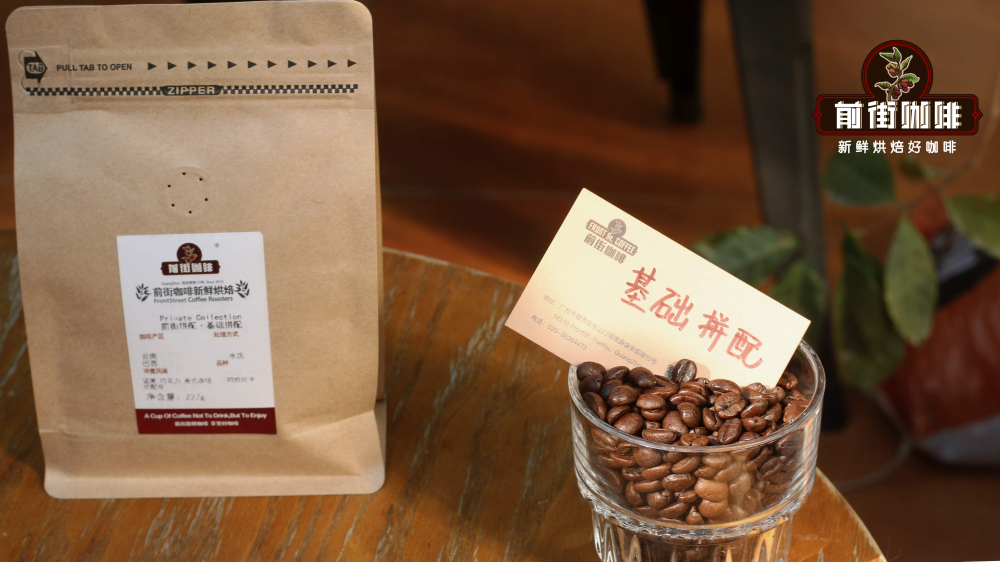
The last one, "Basic Espresso Blend," offers soft fruity acidity, caramel sweetness, and dark chocolate notes. It has a smooth and consistent taste, is budget-friendly, and very suitable for beginners or users with limited budgets.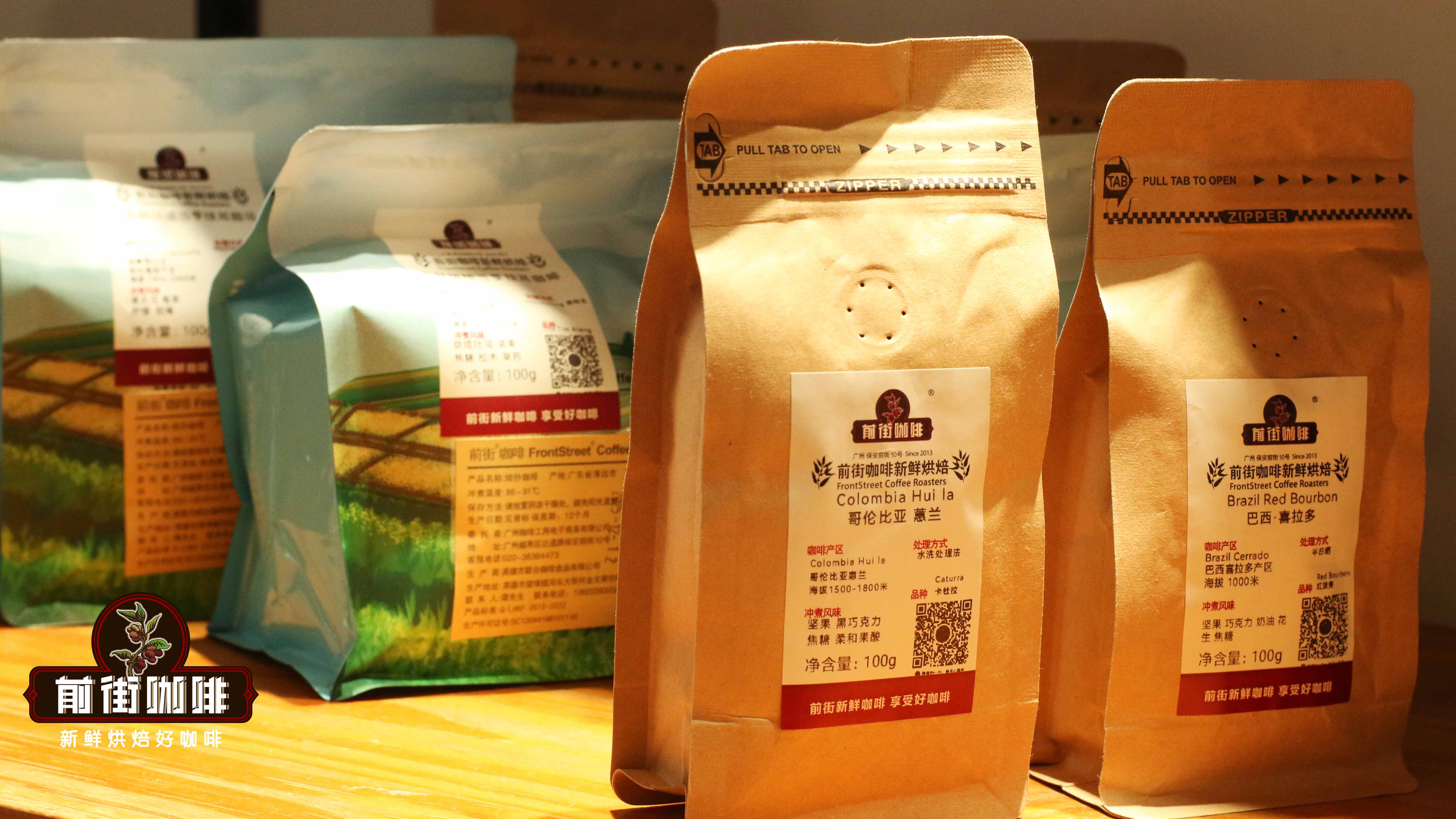

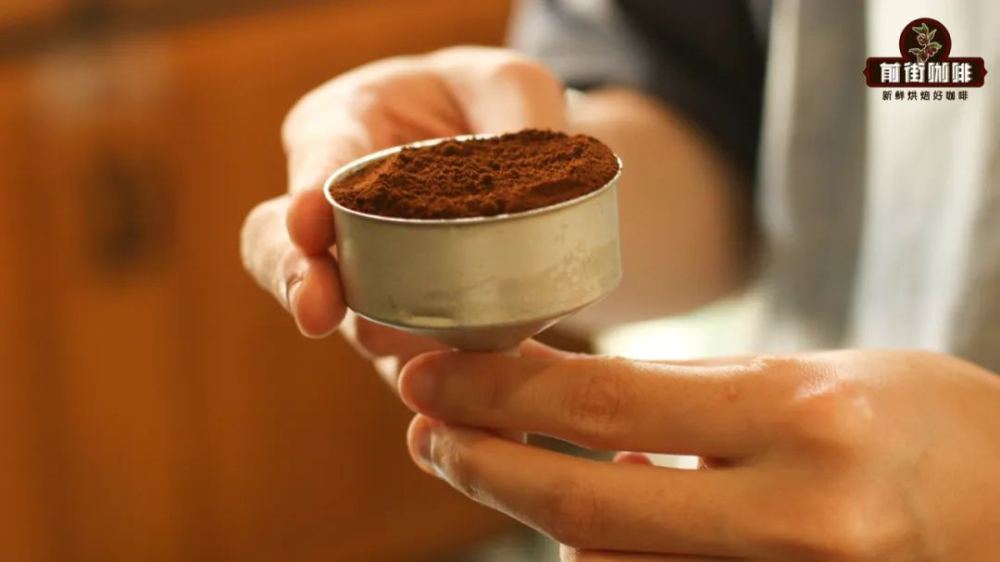
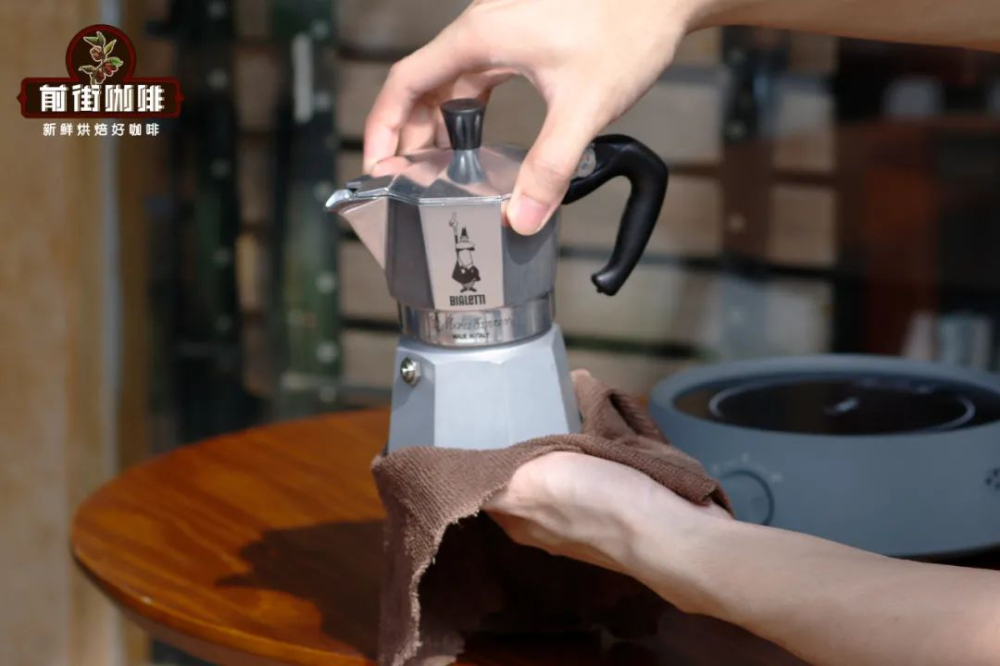
When actually using a moka pot, it’s recommended to use freshly roasted coffee beans and a suitable grinder. The grind size should be finer than pour over, but avoid going too fine to prevent clogging. Use warm water when filling, and keep the water level below the safety valve to avoid excessive pressure and potential hazards. Don’t use too high a heat source when brewing; a medium or small flame is advised. Once you hear the coffee start to flow, reduce the flame, and turn off the heat when the upper chamber is about half full, letting residual heat finish the final extraction.
There are also some common precautions when using a moka pot: avoid touching the hot metal exterior, prevent the spout from getting blocked, and ensure the coffee chamber is fully filled and leveled to maintain even extraction. It’s also recommended to clean the moka pot immediately after each use to avoid leftover coffee grounds affecting flavor or shortening the equipment’s lifespan.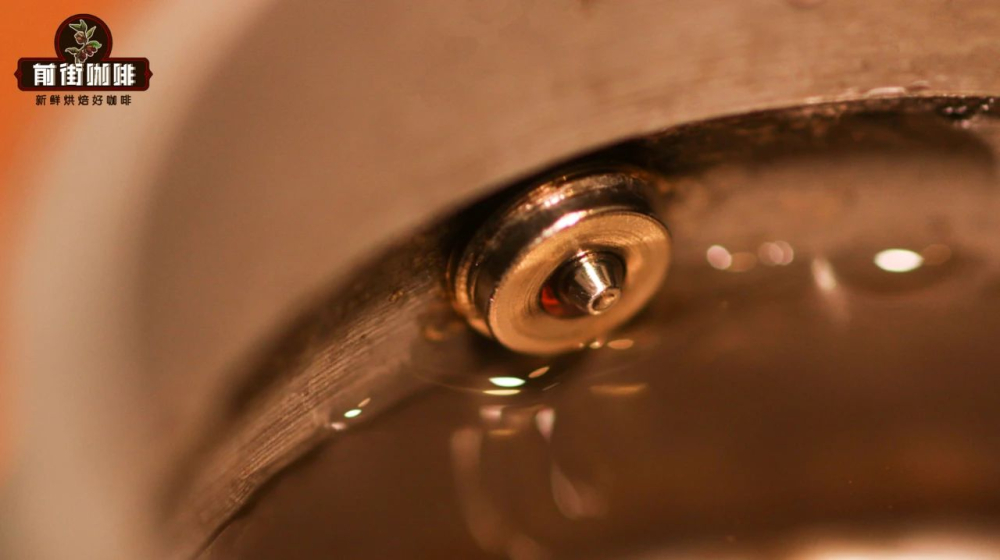
The above content is compiled by CoffeeHunters, a coffee news website.


