







Introduction:Drip bags combine the convenience of pour over with the immediacy of ready-to-drink, making them an affordable choice for modern coffee lovers to enjoy freshly ground flavors. This article delves into the brewing principles of drip bags, guiding you to master the golden parameters of a 1:15 coffee-to-water ratio and 90°C water temperature, and recommends two classic varieties from the Baoshan and Lincang regions of Yunnan. Whether you're a beginner or an advanced coffee enthusiast, you can find a suitable entry-level experience.
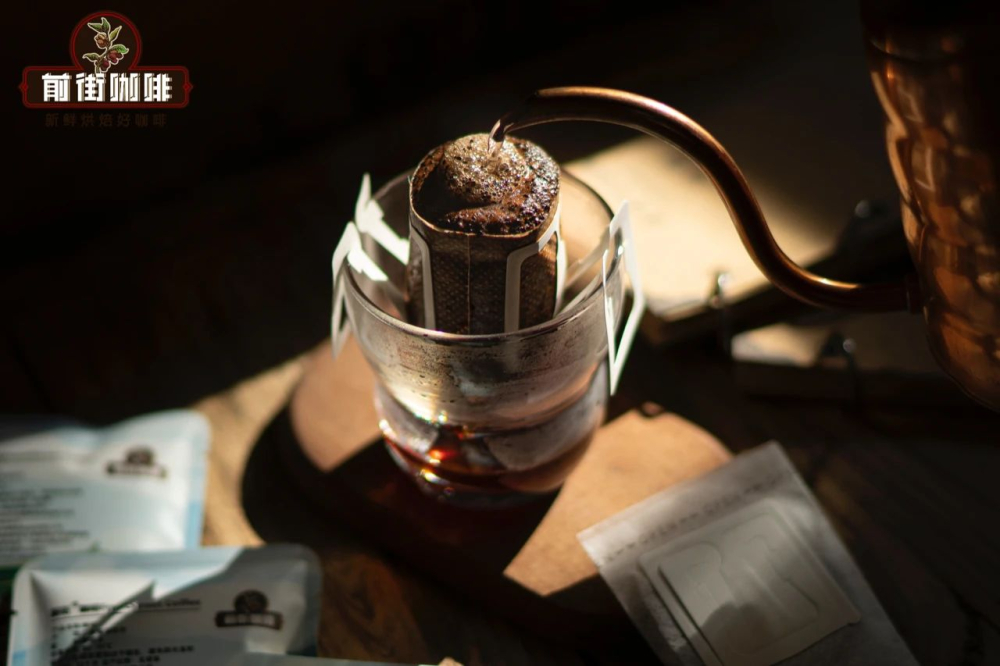
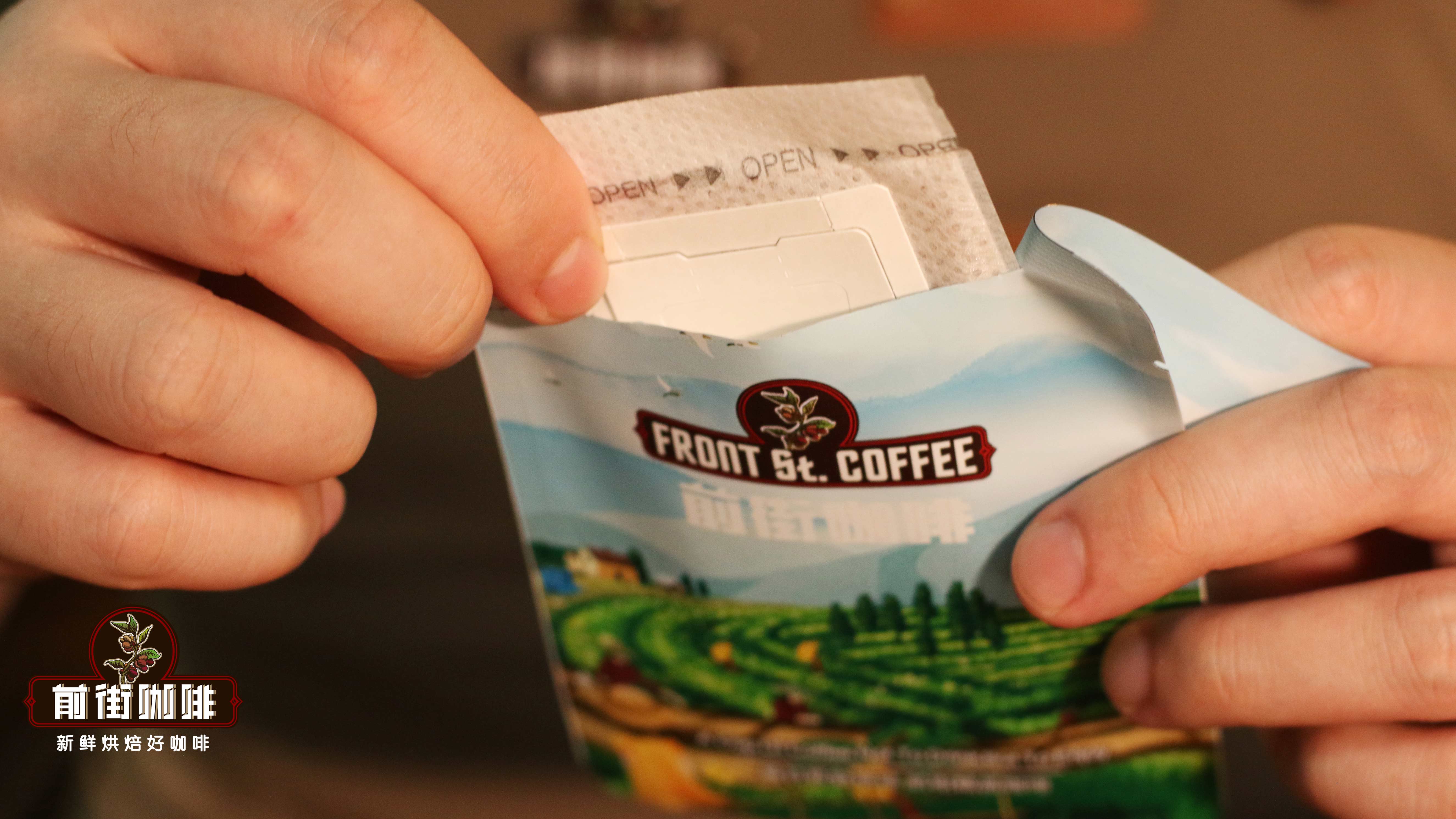
Drip bagsfeature an innovative design where pre-ground coffee is sealed in a filter bag and held on the rim of a cup by two expandable "ear-like" holders, simulating the drip extraction of pour over. This convenient format, originating from Japan, allows users to enjoy a layered flavor close to freshly ground coffee without complex equipment, making it especially suitable for quickly brewing a cup of black coffee at the desk or while traveling.
When choosing drip bags, it's particularly important to prioritize brands that roast in small batches.Freshnessdirectly impacts flavor performance — it's recommended to select products roasted within 5 days, and to prioritize suppliers that offer same-day shipping. This article uses two classic drip bags from China's Yunnan region as examples to analyze the unique flavor profiles brought by different processing methods.
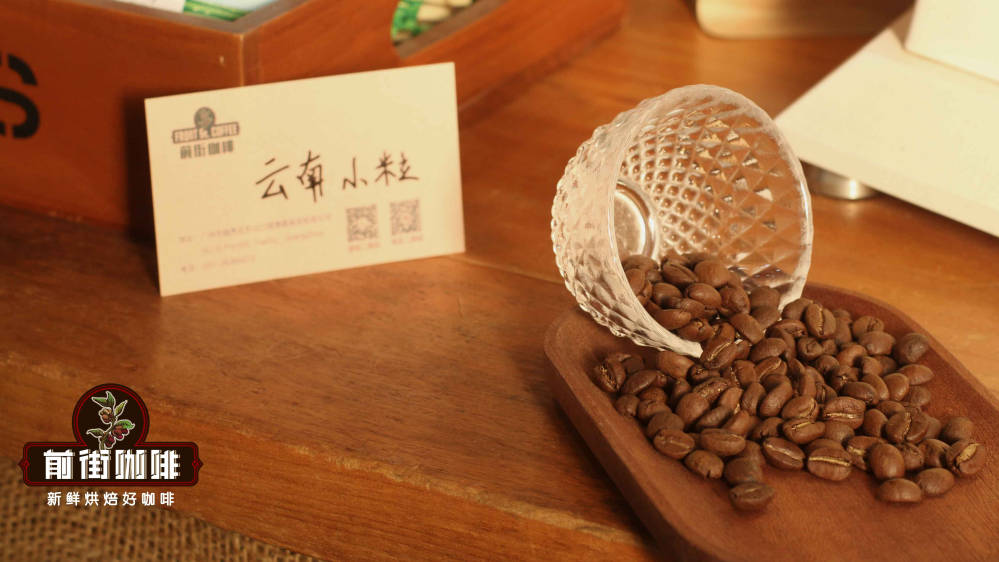
For first-timers, it's recommended to start exploring withbalanced flavors. The first Yunnan small-bean drip bag uses the Catimor variety grown at an altitude of 1200 meters in Baoshan, processed with the washed method to bring out a distinct nutty base, complemented by herbal notes and a dark chocolate finish. Its moderate caramel sweetness and subtle fruit acidity form a complete flavor profile. The second drip bag from the Lincang region, a sun-dried Tiepika, showcases a richer berry character, paired with a thick sweetness reminiscent of brown sugar and a subtle tea-like aftertaste, presenting a three-dimensional expression of traditional small-bean varieties.
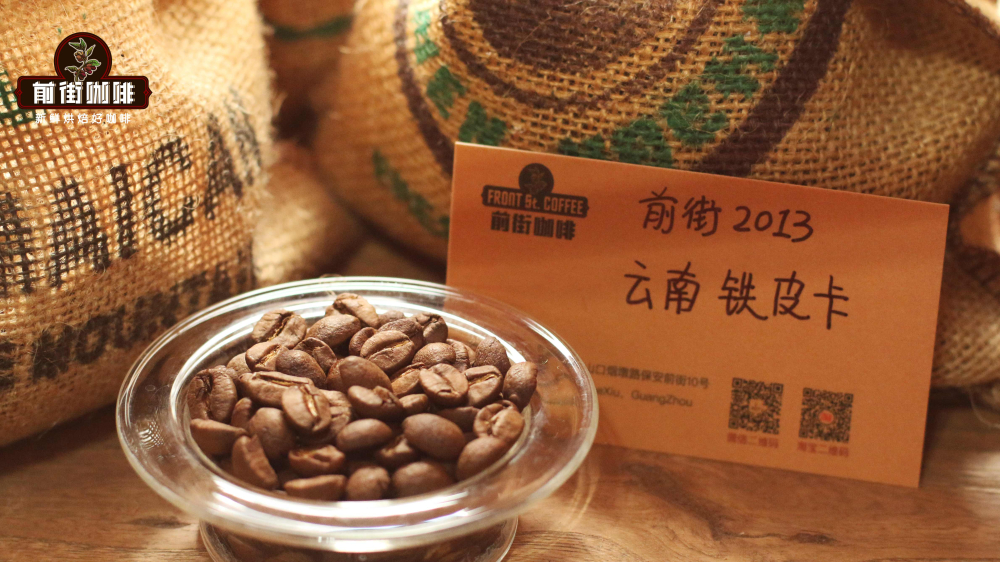
Special attention should be paid to theshelf lifeof pre-ground coffee: the aroma molecules in the exposed powder dissipate more quickly, so it's recommended to consume it within 7 days after opening. If you're pursuing ultimate flavor performance, it's advisable to invest in a home grinder for fresh grinding and brewing. The intact cell walls of whole beans can retain more volatile aromatic compounds.
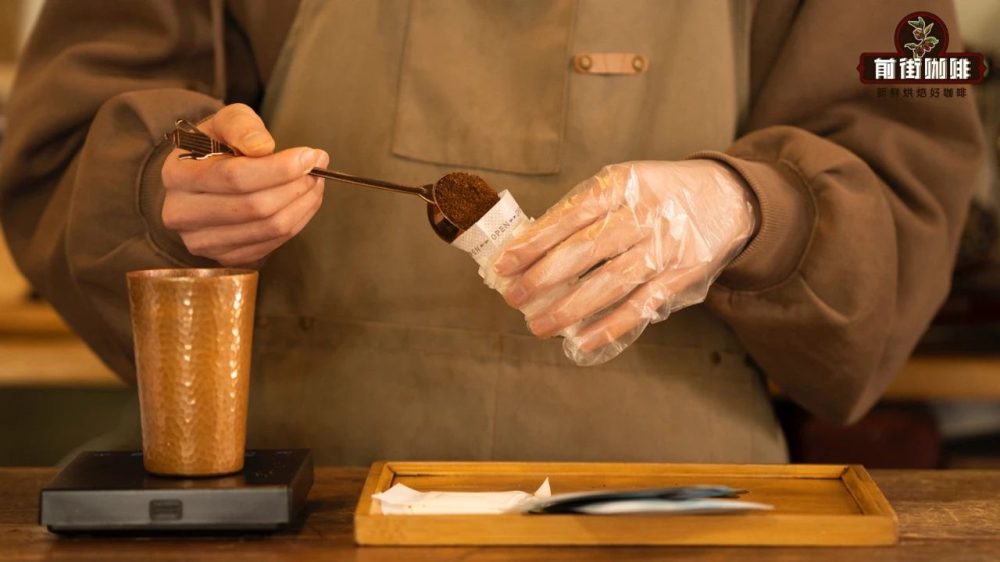
In actual operation, even without professional equipment, you can precisely control brewing conditions:A standard single serving drip bag contains 10 grams of coffee. Using a 1:15 to 1:16 coffee-to-water ratio (total brew volume 140-150 ml) with 90°C water temperature can replicate the key parameters of pour over. The specific steps include preheating the cup, hanging the filter bag, and then performing a 30-second bloom with a small amount of hot water to activate the coffee grounds.
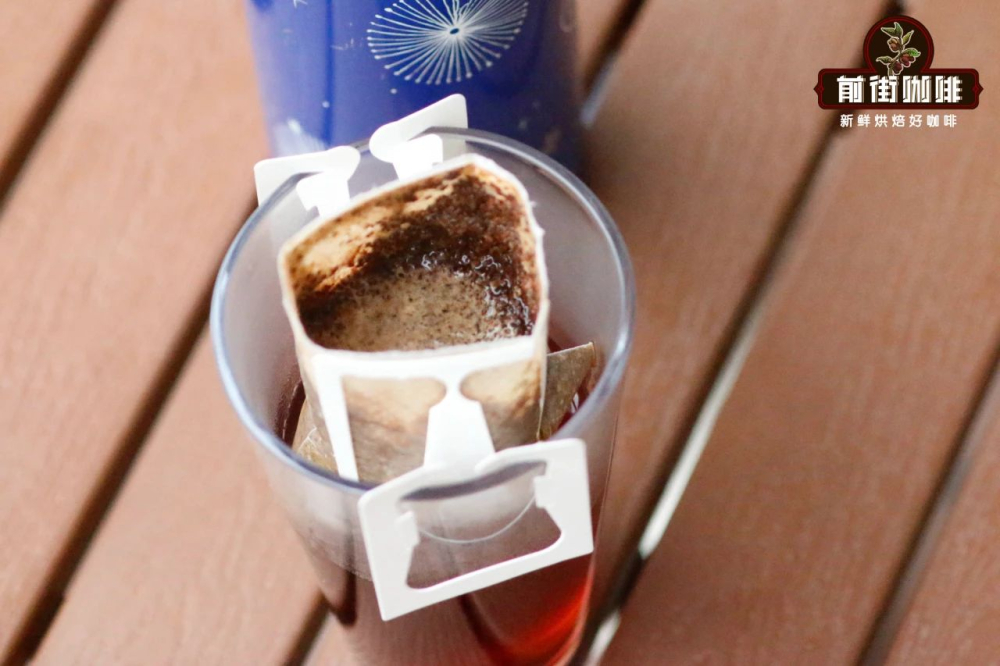
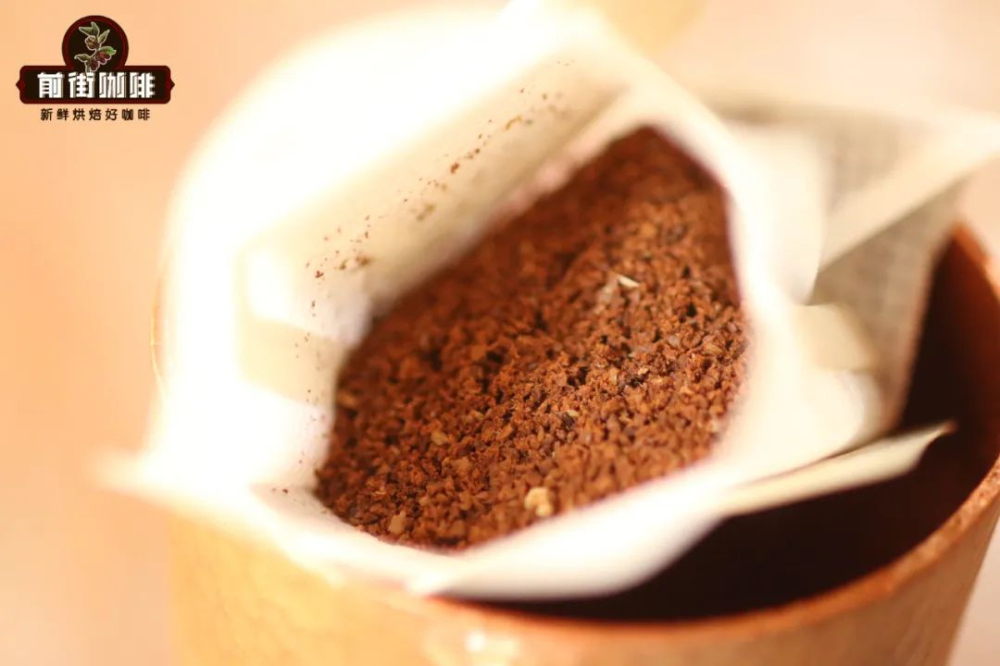
During the main extraction phase, it's recommended to use a thin stream of water in a circular motion to pour, keeping the water level slowly rising to the target volume. If you don't have a scale, you can pre-fill the kettle with 150-160 ml of hot water and continue pouring until the liquid has completely filtered through. This method controls the total water volume while maintaining an ideal brewing time of about 1 minute, avoiding over-extraction or under-extraction.
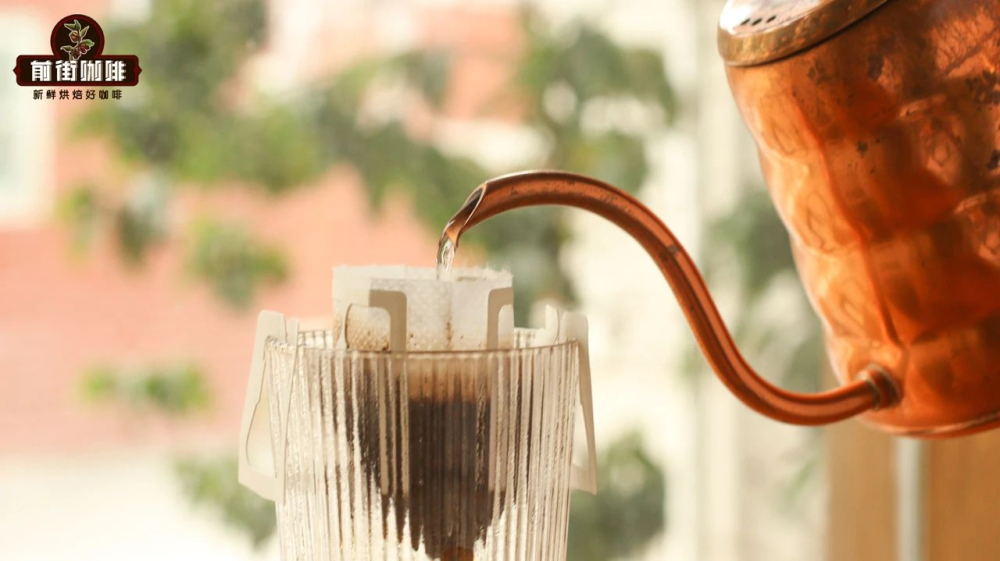
Temperature control tip: if you don't have a temperature-controlled kettle, let boiled water sit for 2-3 minutes (at 28°C room temperature) to naturally cool to around 90°C, the golden zone. In winter when room temperature is lower, you may need to extend the waiting time slightly, while in summer it's recommended to shorten it to 1-2 minutes. Remember to preheat the filter bag and cup with hot water before brewing to minimize heat loss.
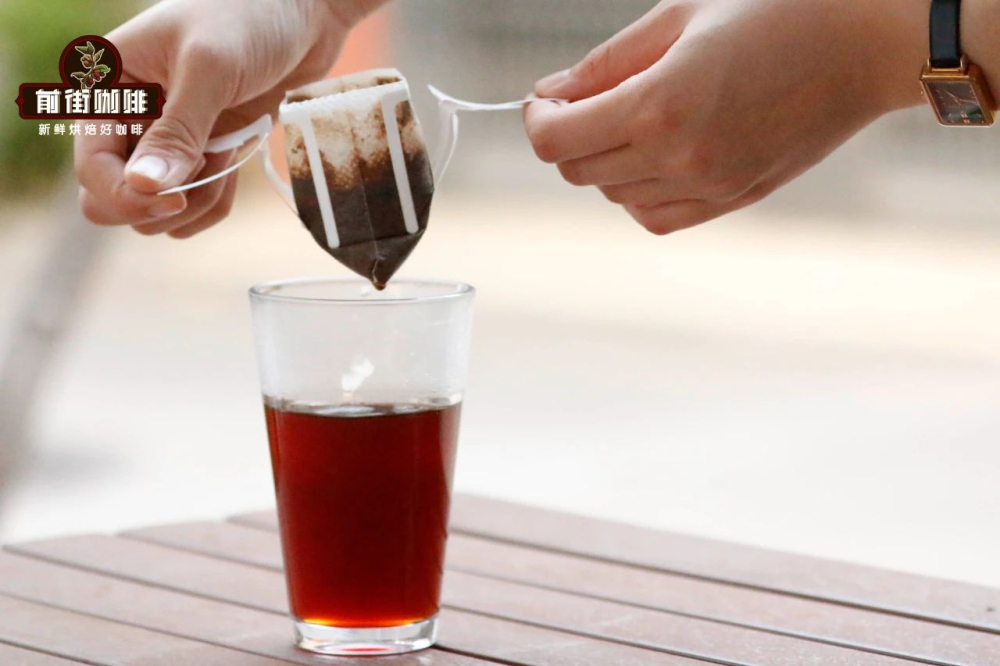
Finally, a reminder: the flavor peak of drip bag coffee usually occurs within 15 minutes after brewing. It's recommended to brew and drink immediately for the best experience. Regularly trying different regional flavors not only trains your taste sensitivity but is also an economical way to explore global coffee cultures.
The above content is compiled by CoffeeHunters, a coffee news website.


