







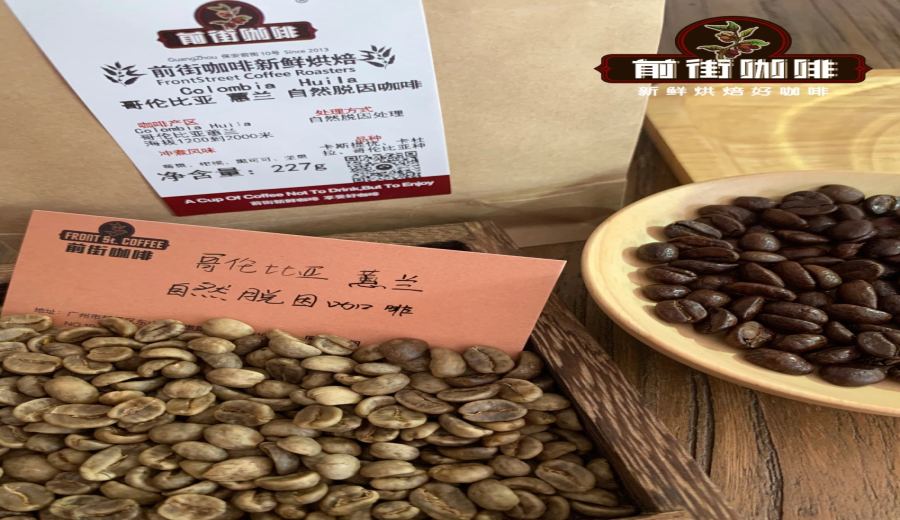
Introduction:Want to enjoy the purity of black pour over coffee but worried about caffeine affecting your sleep? Low-caffeine coffee can actually offer rich layers of flavor too. This article takes an in-depth look at Colombian low-caffeine beans processed using the Swiss Water Method — from the decaffeination principle, differences in processing techniques, to actual brewing parameters and flavor profiles. It will guide you on how to choose high-quality specialty-grade low-caffeine beans and master the key techniques for brewing a cup with rich caramel and nutty notes.
Nowadays, people drink coffee not only for a boost of energy, but also as part of their daily ritual. But for those who are sensitive to caffeine or need to stay creative late at night, low-caffeine coffee provides the perfect solution. The market offers a variety of low-caffeine options, among which Colombian beans processed using the Swiss Water Method are a closely guarded secret among many roasters. Wondering how this method removes caffeine while preserving flavor? Let’s break it down in detail below.
What is true low-caffeine coffee?
Generally speaking, Arabica beans contain about 0.9%–1.4% caffeine, while Robusta contains even higher levels of 1.8%–4%. So-called low-caffeine coffee, according to EU standards, must have its caffeine content reduced to below 0.1% of the original, while the U.S. FDA stipulates it must be less than 3%. It’s worth noting that low-caffeine coffee is not completely caffeine-free; it may still retain around 2%–3%, which equates to roughly 0–7 milligrams per cup — an amount that has minimal impact on most people.
A comprehensive comparison of the four major decaffeination technologies
Currently, mainstream methods for removing caffeine include: direct/indirect solvent methods, supercritical carbon dioxide method, Swiss Water Method, and mountain water method. Among them, the direct solvent method uses dichloromethane or ethyl acetate (commonly used in Colombian decaffeination processes). Although the FDA has confirmed that the residual amounts are safe, it still raises concerns among some consumers. The supercritical carbon dioxide method selectively adsorbs caffeine by liquefying gas under high pressure, without damaging flavor compounds, but the equipment cost is very high. The Swiss Water Method, with its purely physical process, is gradually becoming the preferred choice for specialty-grade low-caffeine coffee.
The core secret of the Swiss Water Method
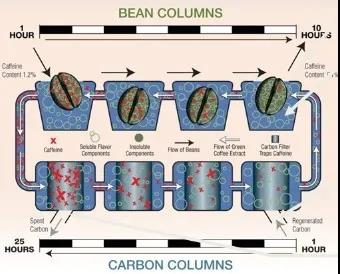
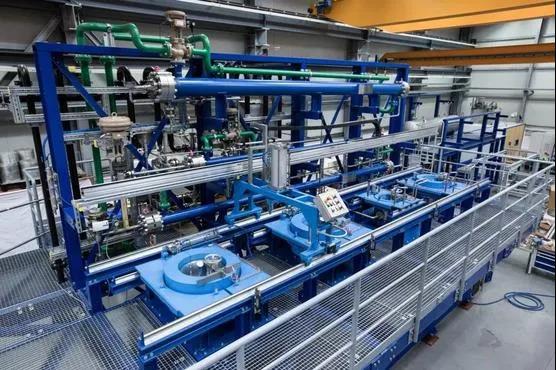
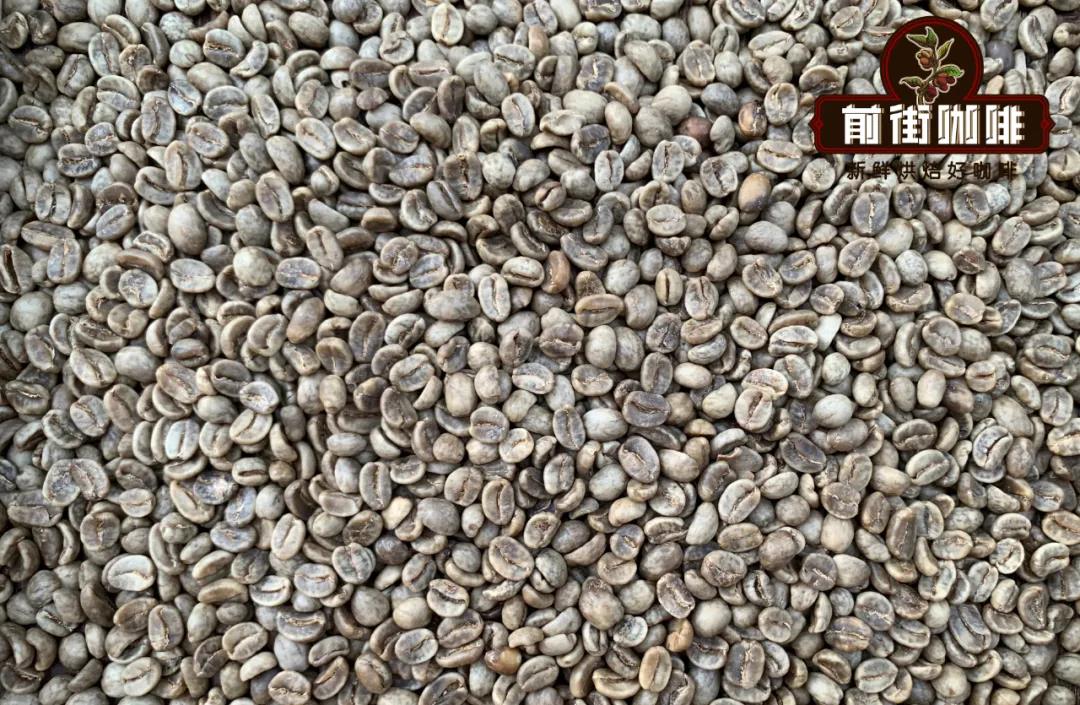
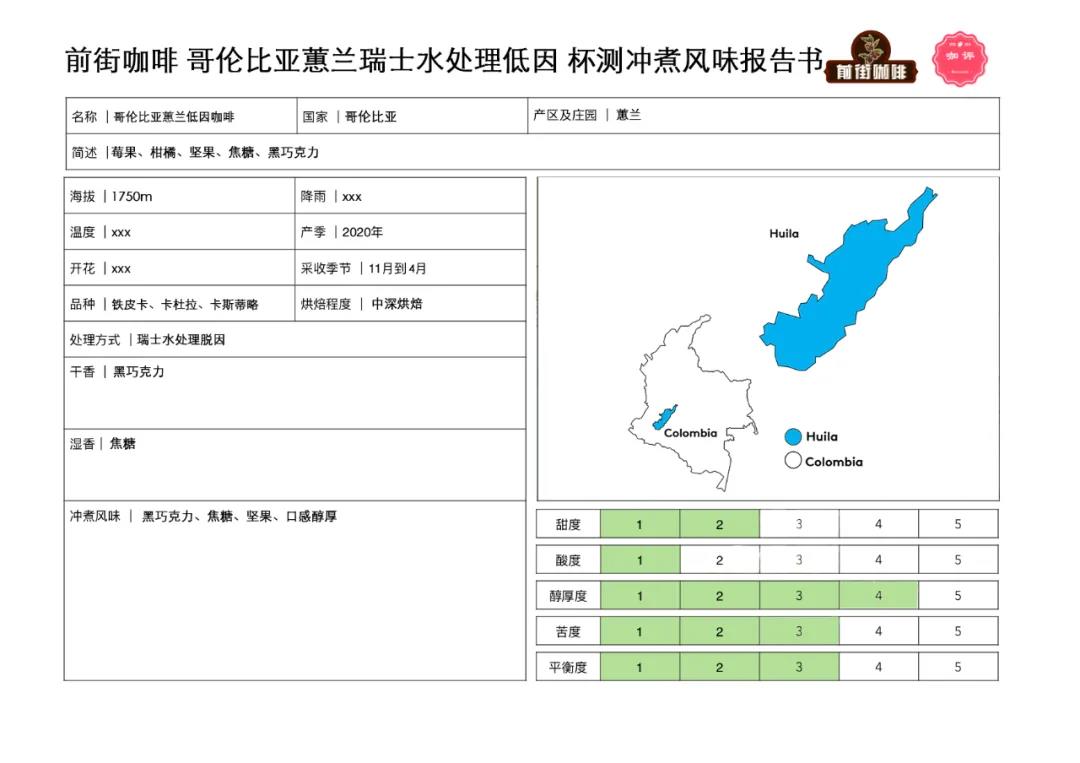
This patented technology, originating from Canada, utilizes “flavor-saturated water” as the medium. First, the green beans are soaked in hot water to release all flavor compounds and caffeine. Then, an activated carbon filter is used to precisely remove the caffeine, leaving behind flavor-rich processing water. This pure flavor-infused water is then used to soak a new batch of green beans, allowing the beans to absorb only the flavors without excess stimulants. The entire process involves no chemical additives, resulting in the delicate profile of this low-caffeine bean from Colombia’s Huila region.
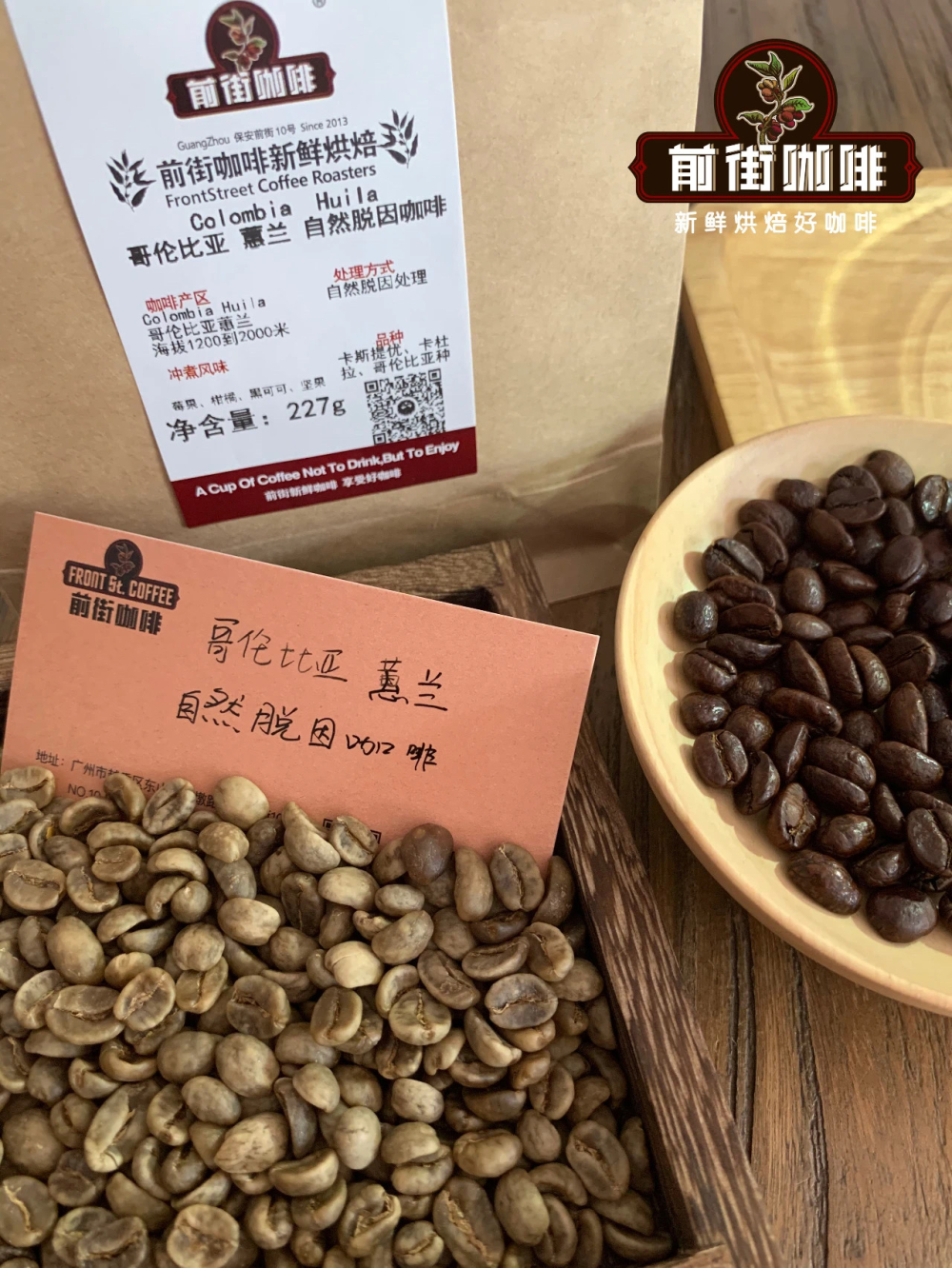
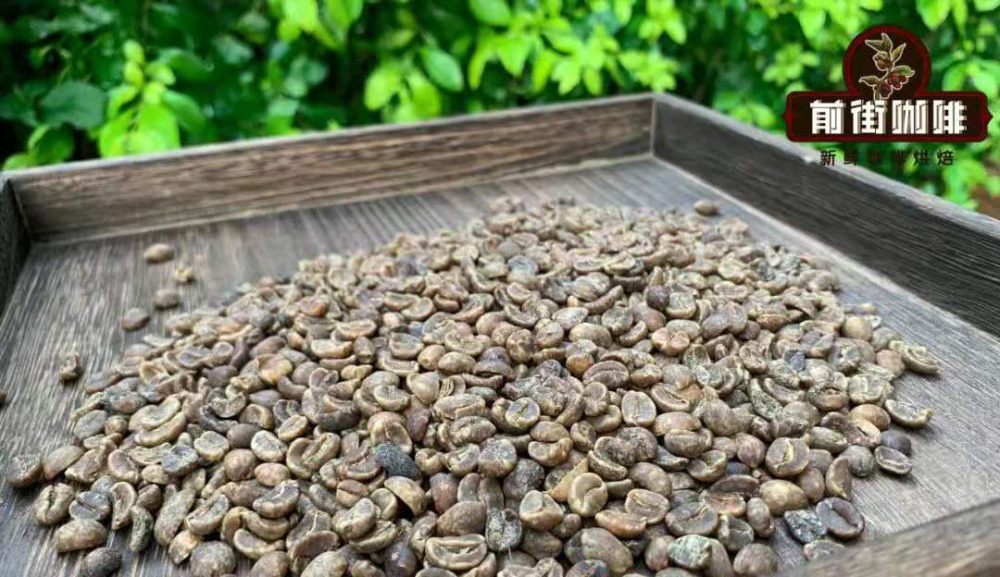
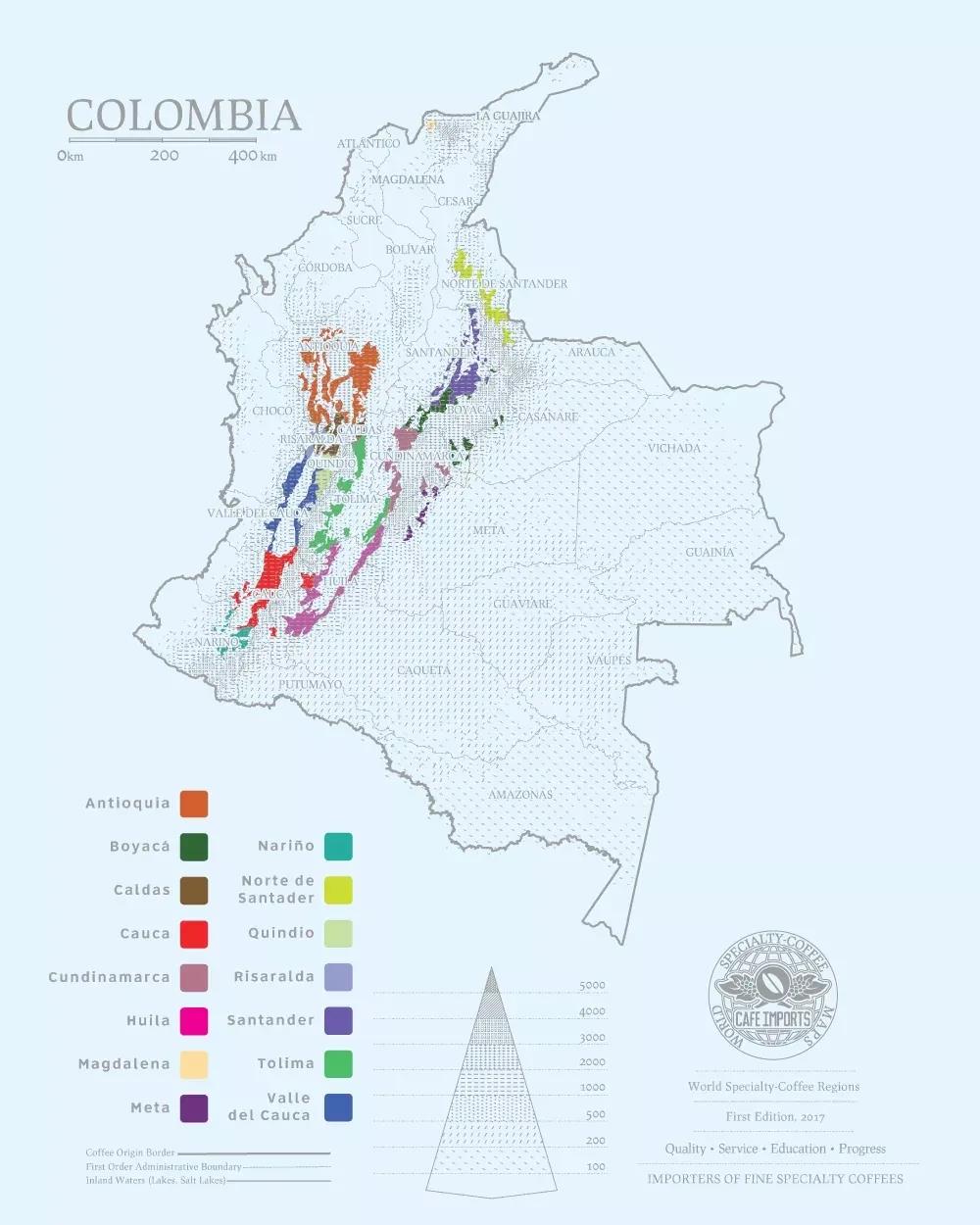
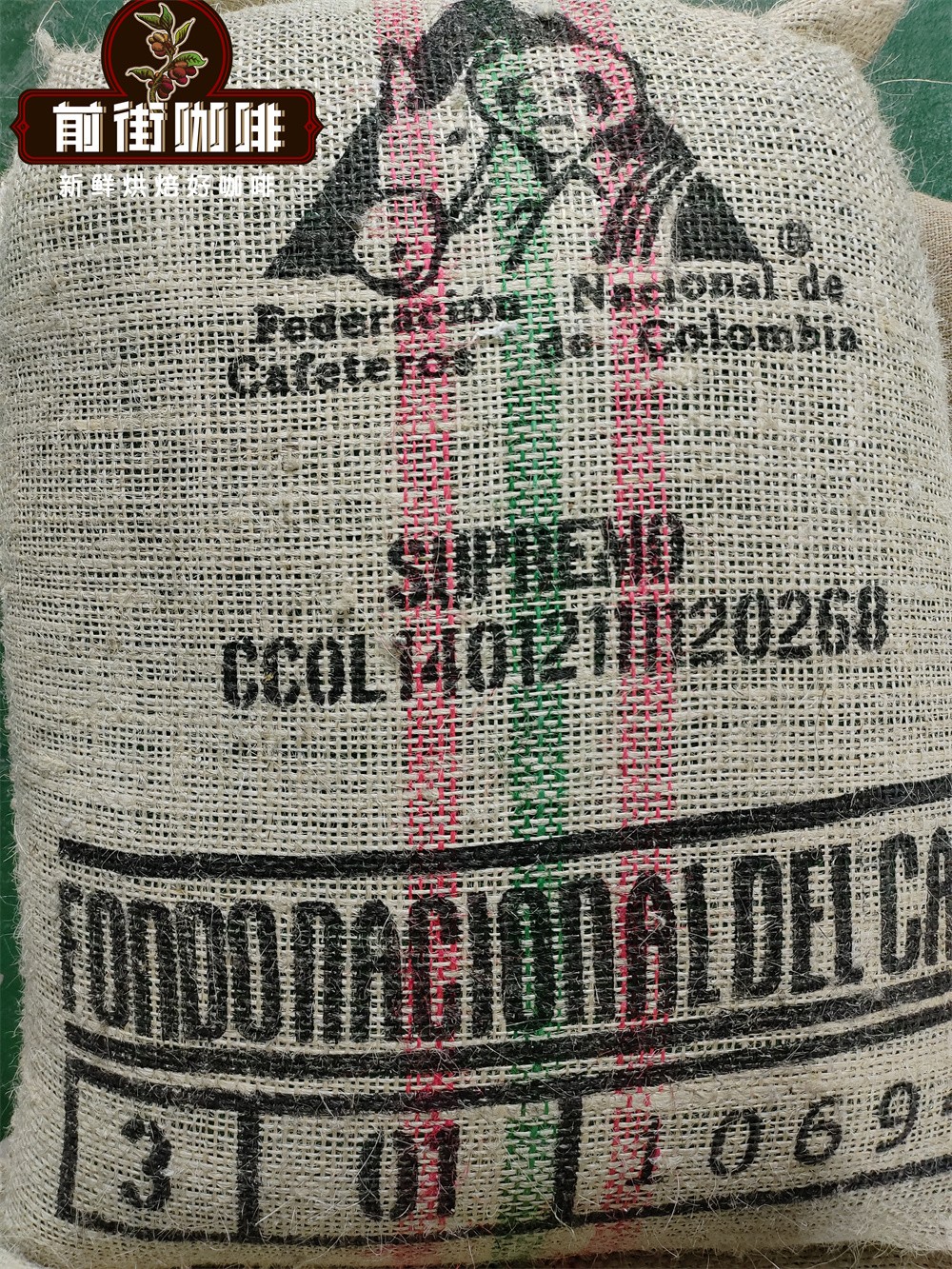
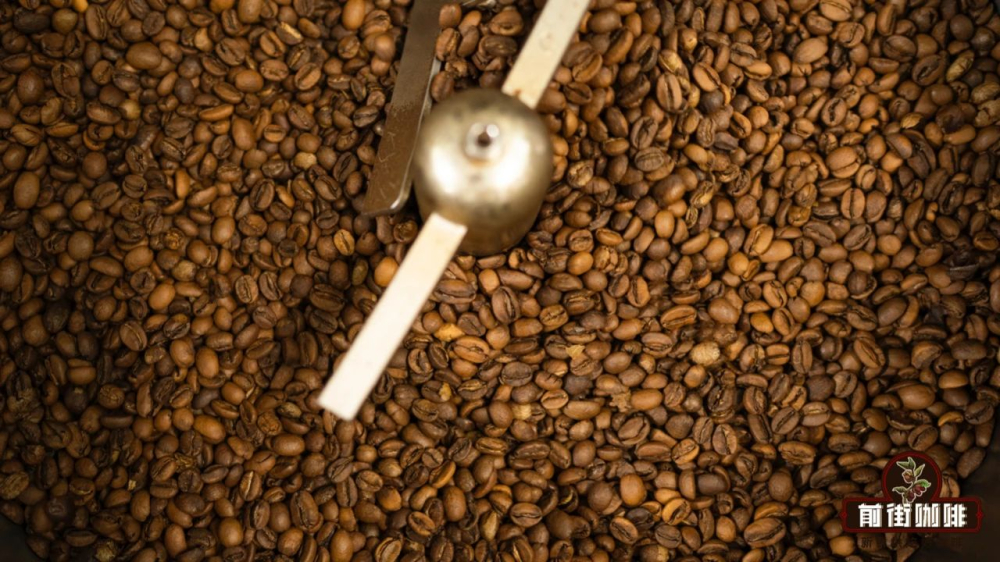
Huila Province in Colombia boasts an altitude of 1750 meters and significant day-night temperature variations, nurturing tightly structured Typica, Caturra, and Castillo hybrids. These varieties, selected under the Supremo grade, already possess foundational notes of dark chocolate and nuts. When paired with the Swiss Water Method, the caramel sweetness becomes even more pronounced. Roasters recommend a stable medium heat ramp-up, with a 2-minute-and-30-second development phase after the first crack, to achieve a smooth and mellow medium roast flavor profile.
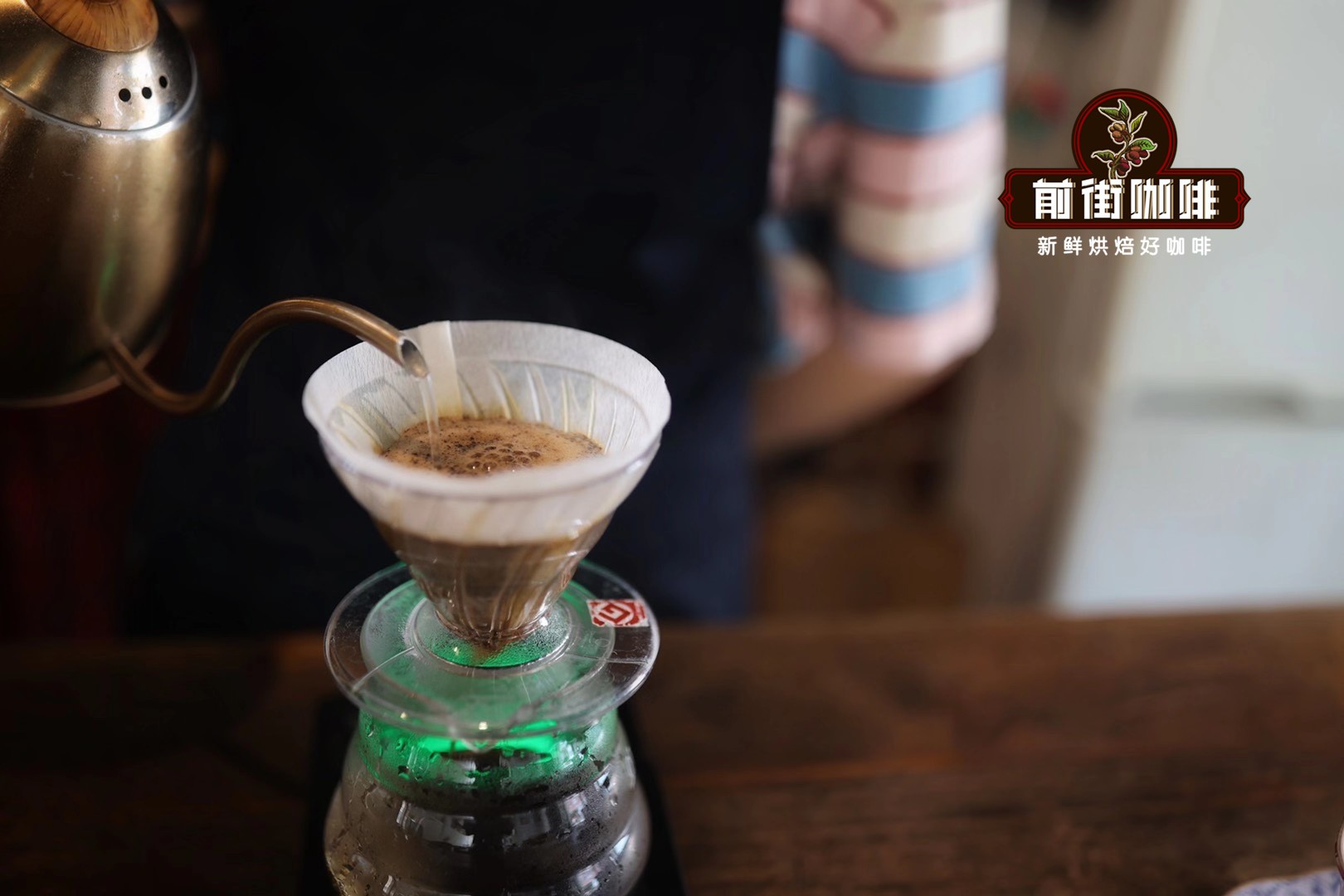
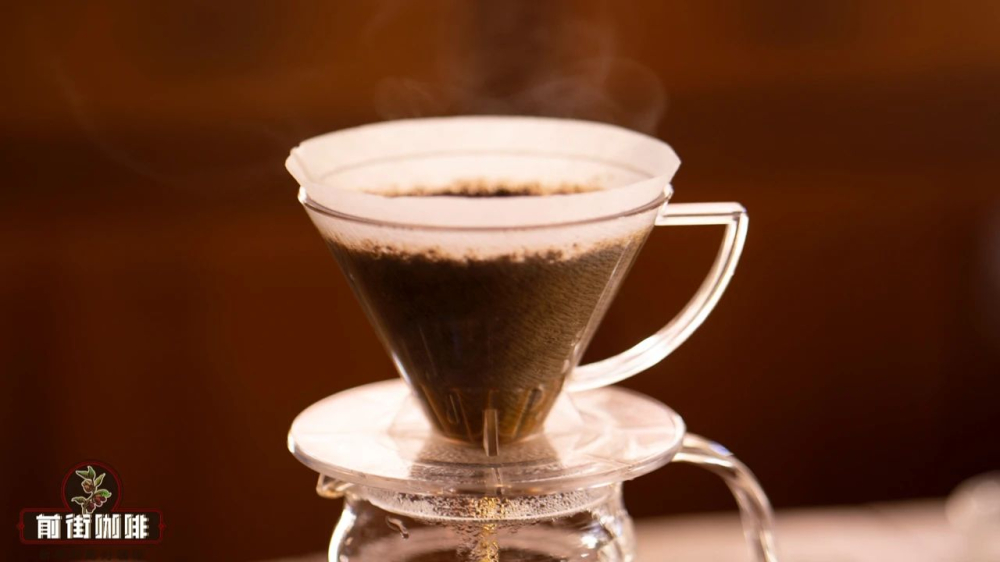
For actual pour over brewing, it is recommended to use a Kono filter cone with a medium-coarse grind (70% passing through a #20 sieve), with water temperature controlled at 90°C. The recommended step extraction strategy is: first, bloom 30 grams for 30 seconds, then slowly pour in a circular motion until reaching the first 125-gram pour. When the water level is about to expose the coffee bed, continue pouring until the total reaches 225 grams. This parameter effectively balances acidity and sweetness, avoiding dryness caused by over-extraction.
The resulting cup is surprisingly impressive — featuring a prominent dark chocolate base note paired with a caramel finish, while delicate notes of almond and nuts unfold layer by layer. Many consumers mistakenly assume that low-caffeine coffee must be weak, but in fact, premium processing and carefully selected beans can still deliver a rich mouthfeel. It’s especially suitable for enjoyment in the afternoon or as a healthier alternative for regular drinkers.
No matter which decaffeination technology you choose, the key ultimately lies in the quality of the green beans and the details of the processing. Next time you want to savor the terroir of Colombia’s high mountains while reducing your caffeine intake, give this Swiss Water Method-processed Huila hybrid bean a try. With precise pour over techniques, experience a unique journey into specialty-grade low-caffeine coffee.
The above content is compiled by CoffeeHunters, a coffee news website.


