







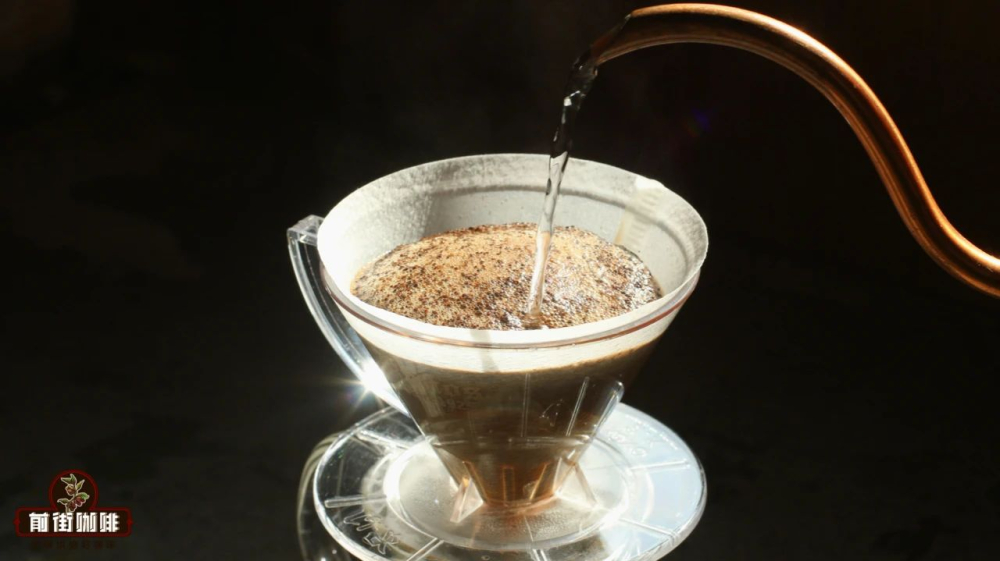
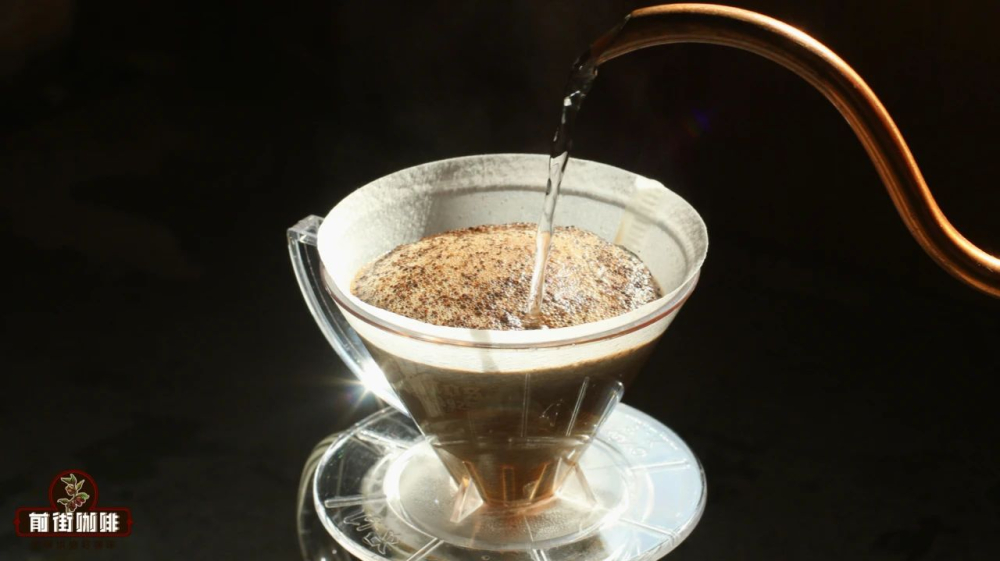
Introduction:Many coffee beginners believe that freshly ground beans are synonymous with freshness, but in reality, a coffee bean’s flavor performance is closely tied to the time elapsed since roasting. This article delves into how to choose truly fresh coffee beans, explains the principles and necessity of resting beans, and analyzes the key differences between the optimal tasting period and storage methods. From the role of one-way degassing valves to the myth of refrigerating beans, we provide practical advice to help you preserve the best flavors of your coffee beans, ensuring every pour over cup is vibrant and full of life.
Many people mistakenly assume that freshly ground coffee beans equate to freshness, but in fact, to truly enjoy the aroma and layered complexity of coffee, what matters more than just grinding it fresh is the roast date and the beans’ storage condition. After roasting, coffee beans gradually lose their delicate flavors over time. Generally speaking, after about 50 days post-roast, most of the captivating aromas have already dissipated. Therefore, understanding what constitutes fresh coffee beans, how to select them, and how to store them properly are fundamental skills every coffee enthusiast should master.
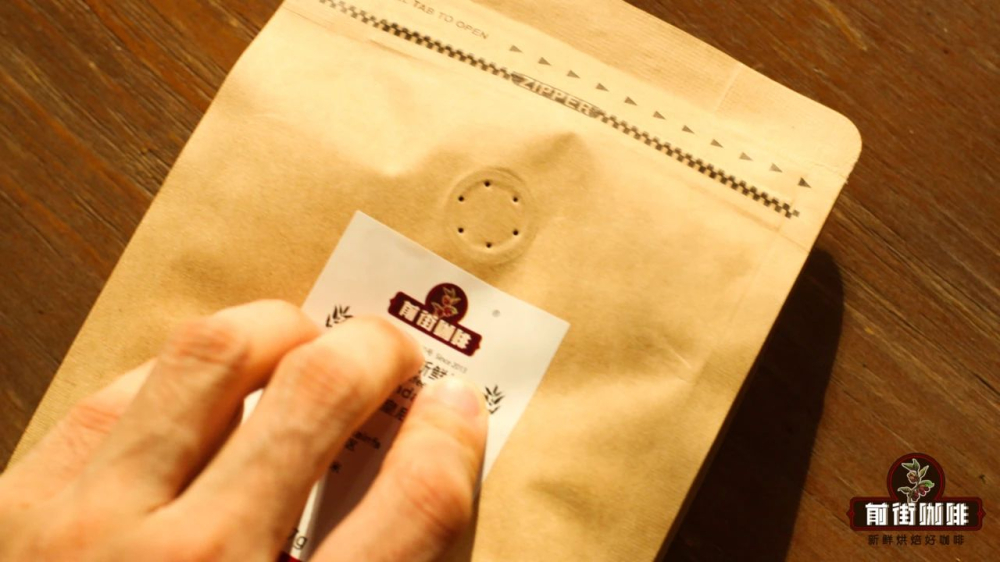
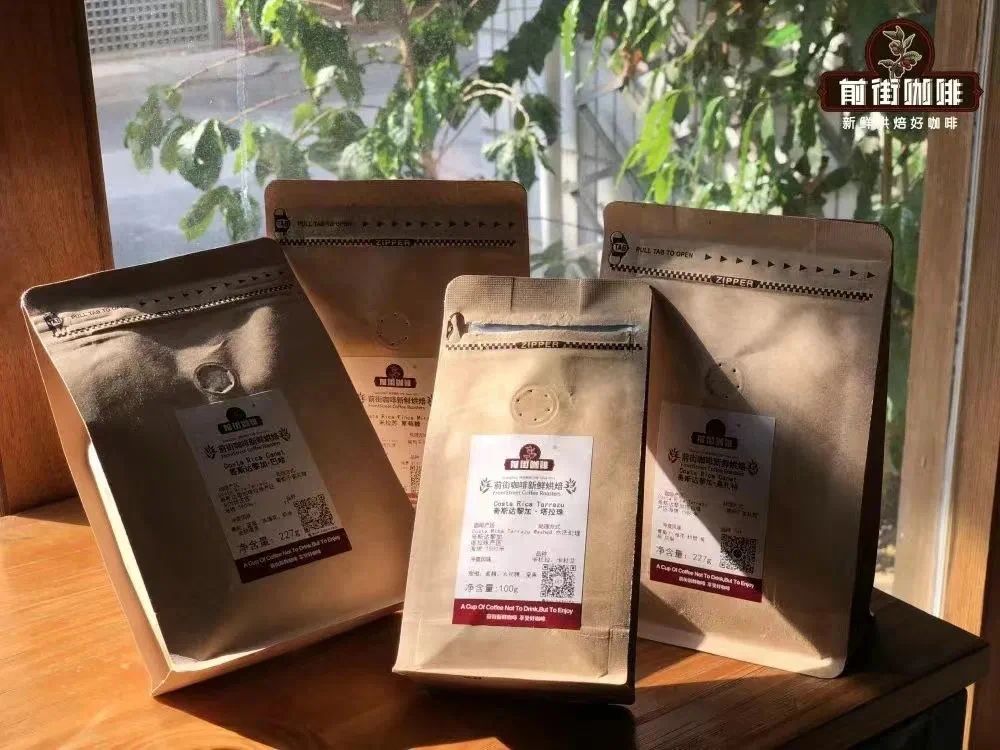
To choose fresh coffee beans, the first priority is to check whether the packaging clearly displays the roast date—not just the expiration or best-before date. It’s recommended to choose professionally roasted beans from reputable brands that emphasize fresh roasting. Additionally, high-quality coffee packaging often features a “one-way degassing valve,” which is a small circular button usually located on the top of the bag. Its function is to allow carbon dioxide released during the beans’ maturation process to escape while preventing external oxygen from entering and accelerating oxidation. You can place the one-way valve close to your nose and gently squeeze the coffee bag; if you detect a rich, inviting coffee aroma, it means the beans still possess good flavor; however, if the smell is dull or even rancid, the beans are likely no longer fresh, and it's advisable to avoid purchasing them.
The so-called “resting” or “degassing” period refers to the process in which coffee beans release a large amount of internal carbon dioxide after roasting. This is also a crucial stage for allowing the internal flavor compounds of the coffee to reach their optimal balance. Roasted coffee beans typically contain around 2% of their weight in carbon dioxide. As these gases are released, they help aromatic compounds and oils integrate fully, enabling a more complete extraction of the coffee’s layered flavors during brewing. During the resting period, coffee beans go through what is known as the “awakening” or “maturation” phase, the duration of which varies depending on the roast level. Generally, light roast beans are recommended to rest for 5 to 7 days, medium-light roasts for 3 to 4 days, and medium-dark roasts for 2 to 3 days. For espresso blends, which are often dark roasted, it’s advisable to extend the resting period to around 15 days to avoid unstable extraction flow caused by residual gases during hot water brewing, which could negatively impact the final flavor profile.
When discussing the optimal tasting period of coffee beans, many people easily confuse it with the shelf life. The optimal tasting period refers to the time after roasting when, following appropriate resting, the coffee’s flavors are at their peak—typically between the 4th and 30th day post-roast. During this window, volatile compounds such as fruity and floral notes are still abundant, offering a rich sensory experience. However, as time goes on, these easily evaporated aromas gradually fade, eventually leaving behind duller, woody tones. Although coffee beans past their prime can still be consumed, their overall flavor performance is noticeably inferior to that at their peak. In contrast, roasted coffee beans generally have a shelf life of six months to a year, but their flavor will have significantly deteriorated by then.

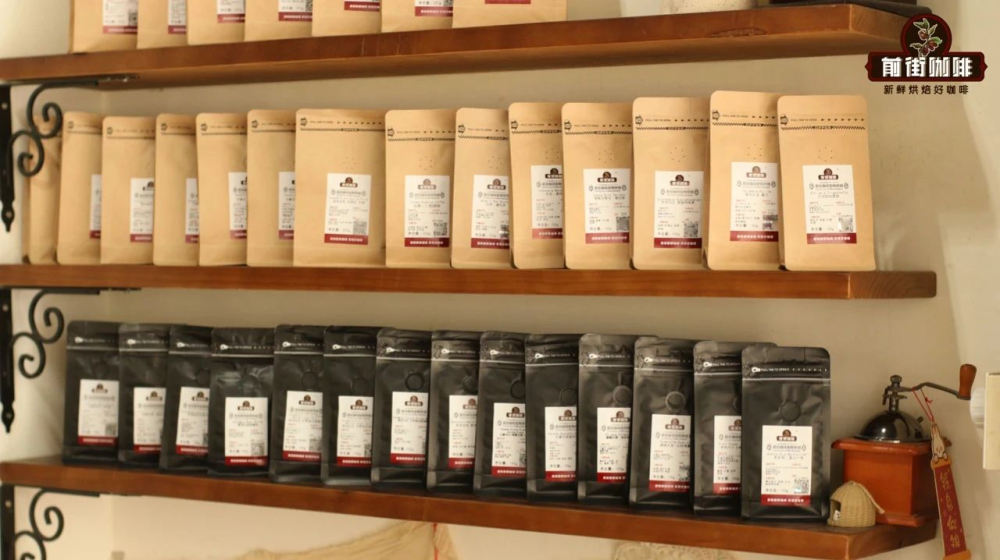
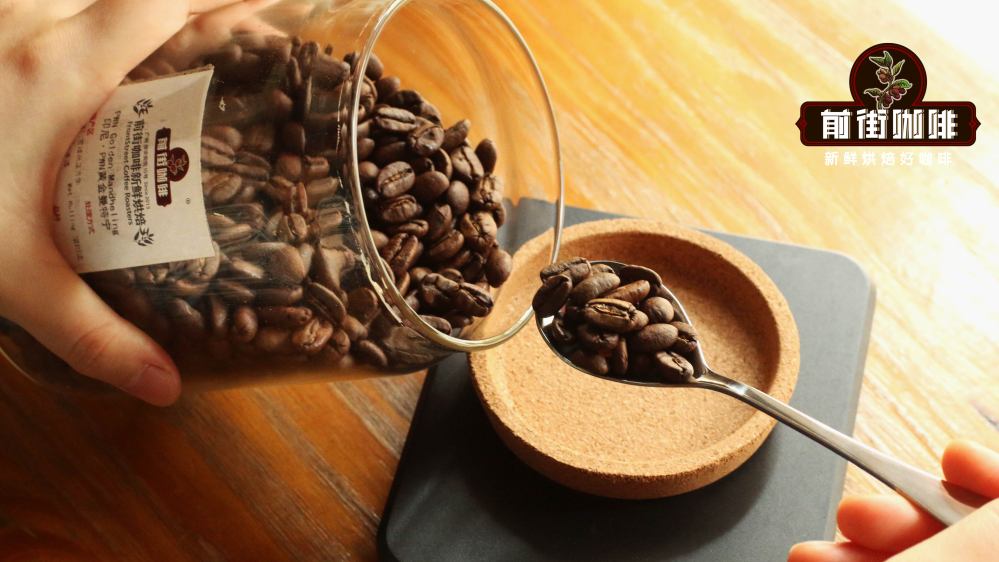
How you store your coffee beans is crucial to maintaining their flavor. The most common and recommended method is to place rested beans in an airtight, moisture-proof container and keep it in a cool, dark place. It’s especially important to avoid exposing the beans to direct sunlight or humid environments, as light accelerates the evaporation of aromas, while moisture can lead to mold or off-flavors. Even if you use transparent sealed jars for display, short-term impact is minimal if consumption is frequent, but long-term storage should still prioritize light avoidance. In addition, the commonly available “one-way degassing valve cans” are also a good option. Their design principle is the same as the one-way valves on coffee bags—they allow carbon dioxide to escape while blocking outside air, helping to delay oxidation.
If you don’t have another container on hand, you can temporarily use the original packaging for storage, but be aware that its moisture resistance is generally weaker. It’s recommended to consume the beans within 14 days to prevent flavor impairment due to moisture exposure. It must be emphasized that coffee beans are absolutely not suitable for refrigerator storage. The cold environment can cause the beans to absorb odors from other foods in the fridge, and the moisture inside the refrigerator can also seep into the packaging, thereby compromising the coffee’s original aroma. Moreover, ground coffee beans, due to their greatly increased surface area exposed to air, oxidize more rapidly, with aromas dissipating quickly, often resulting in a loss of the coffee’s intended layers and richness. Therefore, it is recommended to store coffee in whole bean form as much as possible, and only grind it right before brewing.
The above content is compiled by CoffeeHunters, a coffee news website.

