







Introduction:Want to easily make high-value cold coffee at home? This article details the two mainstream methods—cold brew and cold drip—and guides you through essential equipment needs, precise parameter settings, and flavor difference analysis. It also covers the key impacts of different steeping durations from 6 to 24 hours. Special professional advice is given for high-acidity beans such as Kenya Little Tomato, along with tested comparison data to help you find the ice coffee method that best suits your taste.
The Two Main Methods of Making Ice Coffee at Home
Making ice coffee at home mainly falls into two categories: cold water immersion (cold brew) and ice water drip filtration (cold drip). The former only requires common containers and filter bags, while the latter needs specialized drip equipment but produces a richer flavor. Based on a test using 60 grams of coffee grounds, both methods can produce about 600 ml of coffee liquid at a 1:10 coffee-to-water ratio, butcold drip takes 6–8 hours, while cold brew requires 8–12 hours of refrigeration.
Professional Cold Drip Coffee Brewing Process
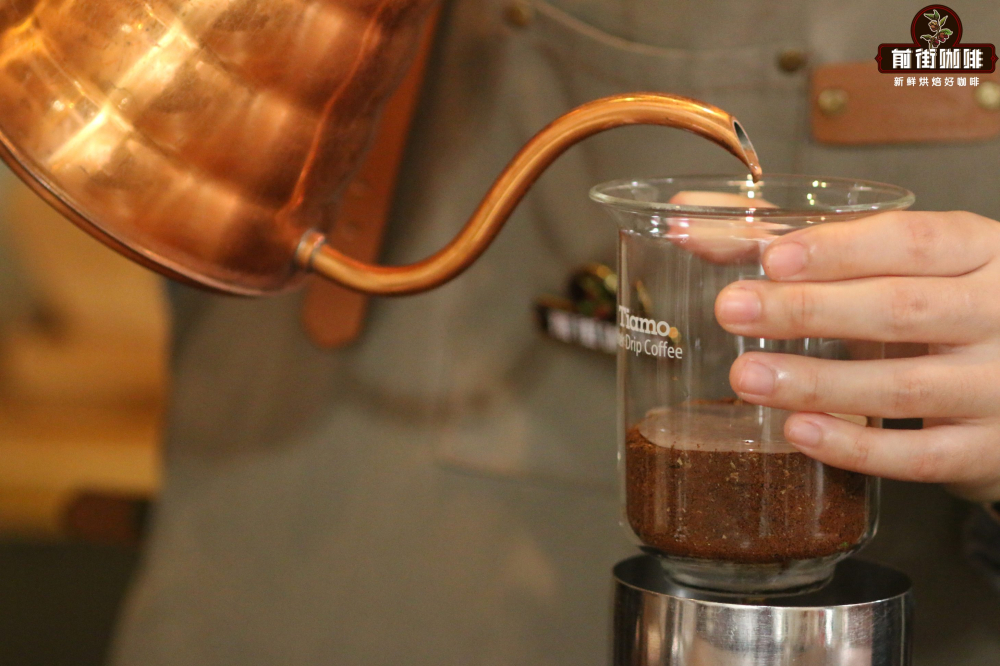
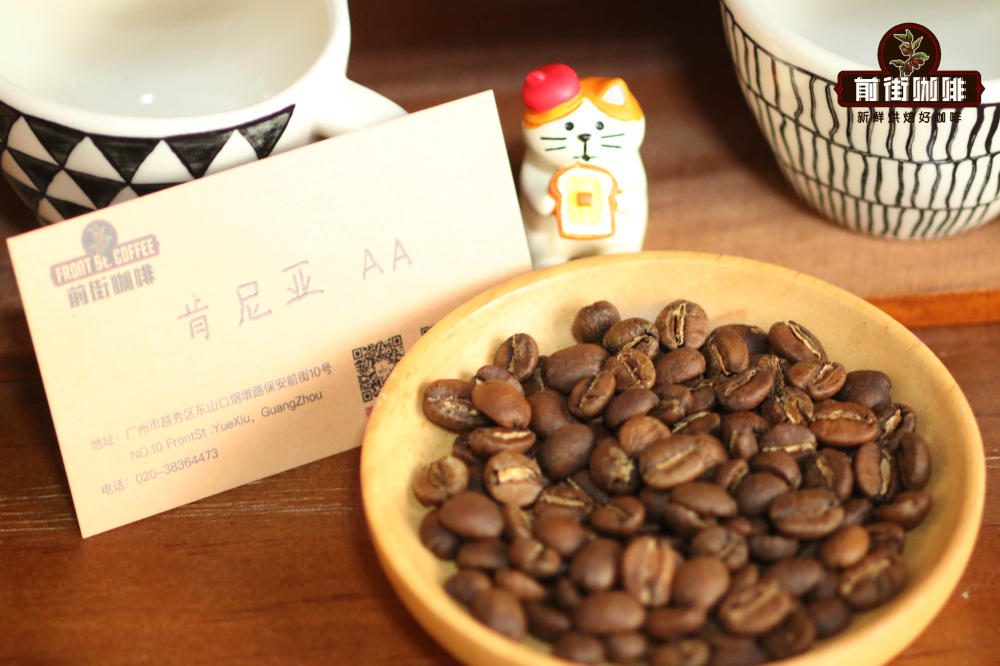
Using a medium-coarse grind with 85% fineness through a Chinese standard No. 20 sieve, place the coffee grounds into the filter basket lined with pre-moistened filter paper. Then cover with a second layer of filter paper to prevent the coffee bed from collapsing. The crucial step is pouring an ice water mixture and adjusting the drip rate to7 drops per 10 seconds (under approximately 0°C extraction conditions), continuing for 6–8 hours before sealing and refrigerating overnight. Experimental data shows that under these parameters, the Kenya Little Tomato bean variety exhibits distinct cherry tomato acidity and a berry-like finish.
Key Parameters of Cold Drip Equipment
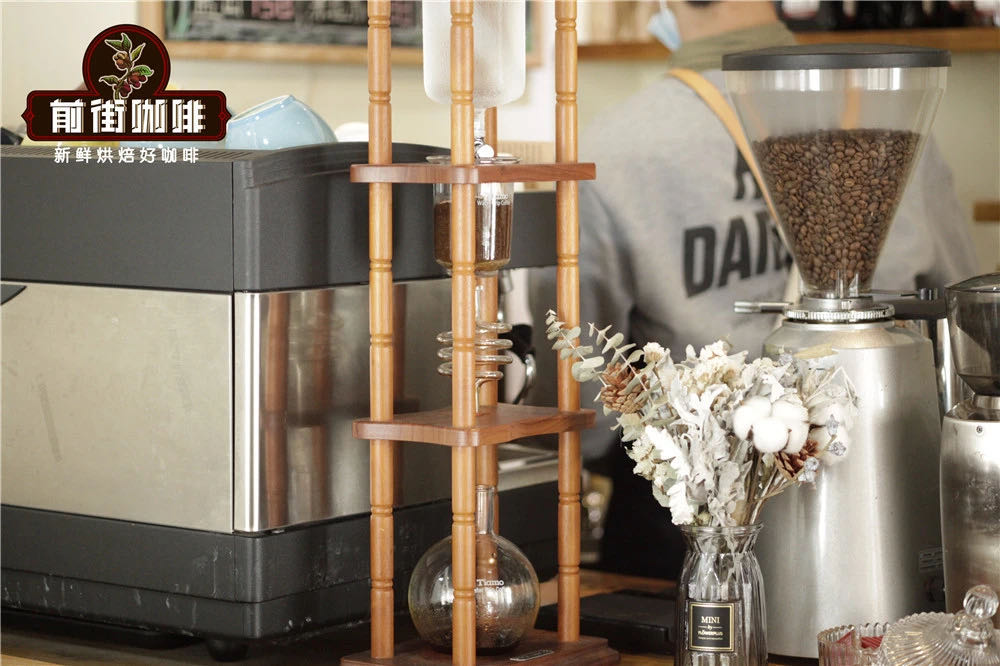
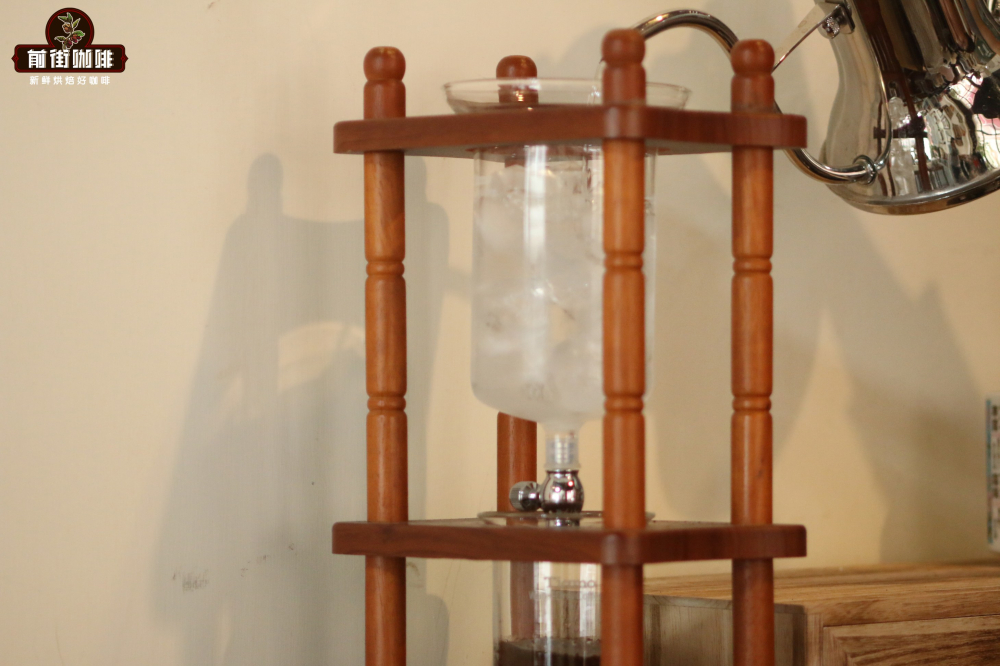
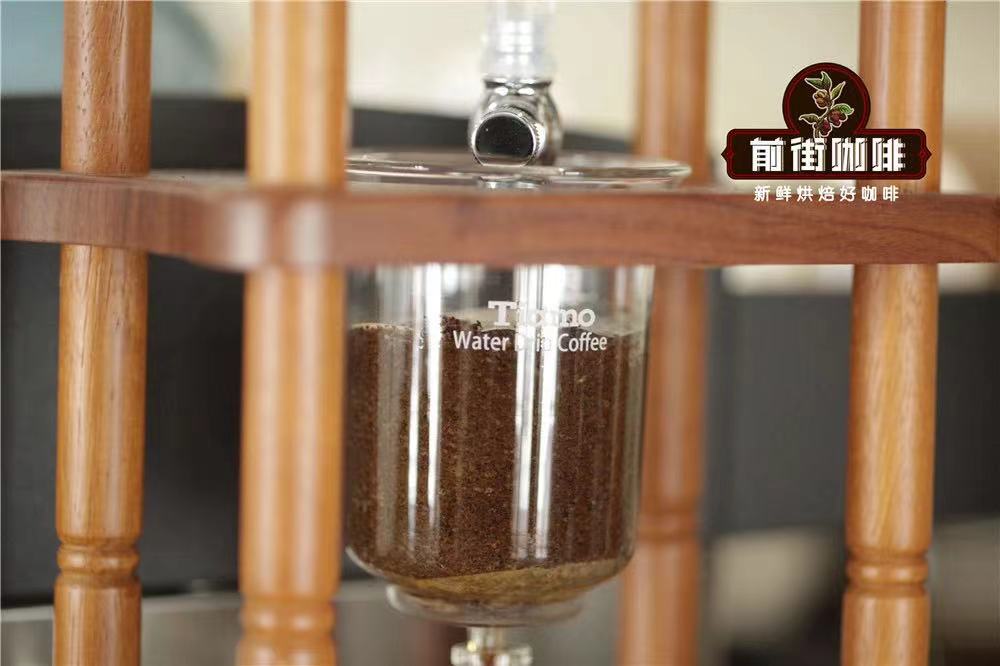
The layered structure of a professional cold drip pot consists of three parts: the filter basket, water reservoir, and collection bottle. When filling the reservoir with a 1:1 ice-to-water ratio, it is crucial to precisely control the water flow rate via the throttle valve.Low-temperature extraction over 6–8 hours preserves the original flavor compounds in the coffee, reducing the extraction of bitter substances compared to high-temperature brewing. Though the equipment shown may look complex, its design is scientifically aimed at enhancing extraction uniformity.
Simple Cold Brew Coffee Solution
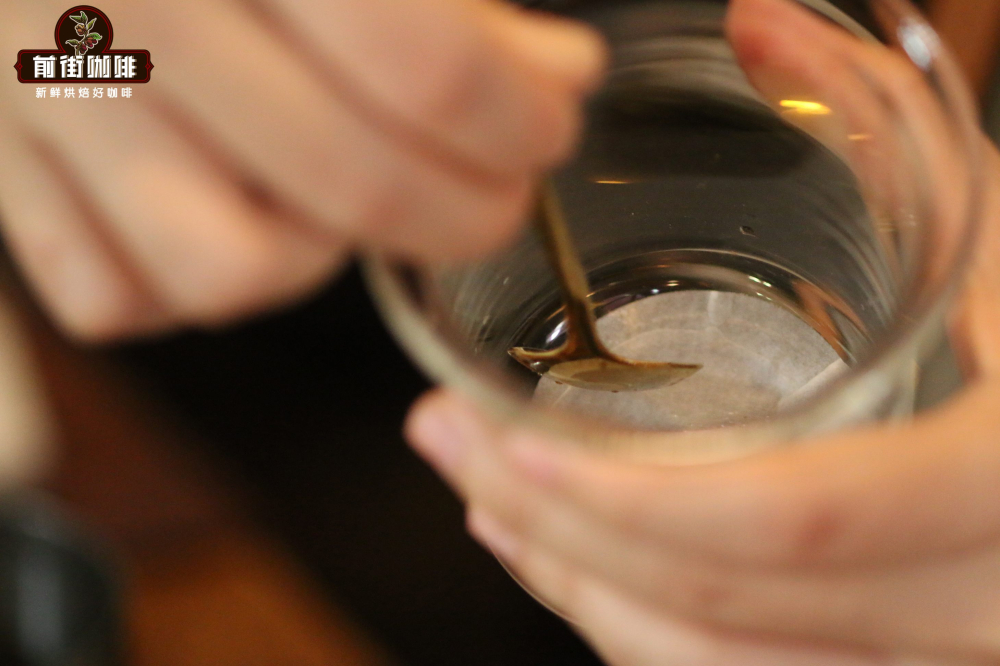
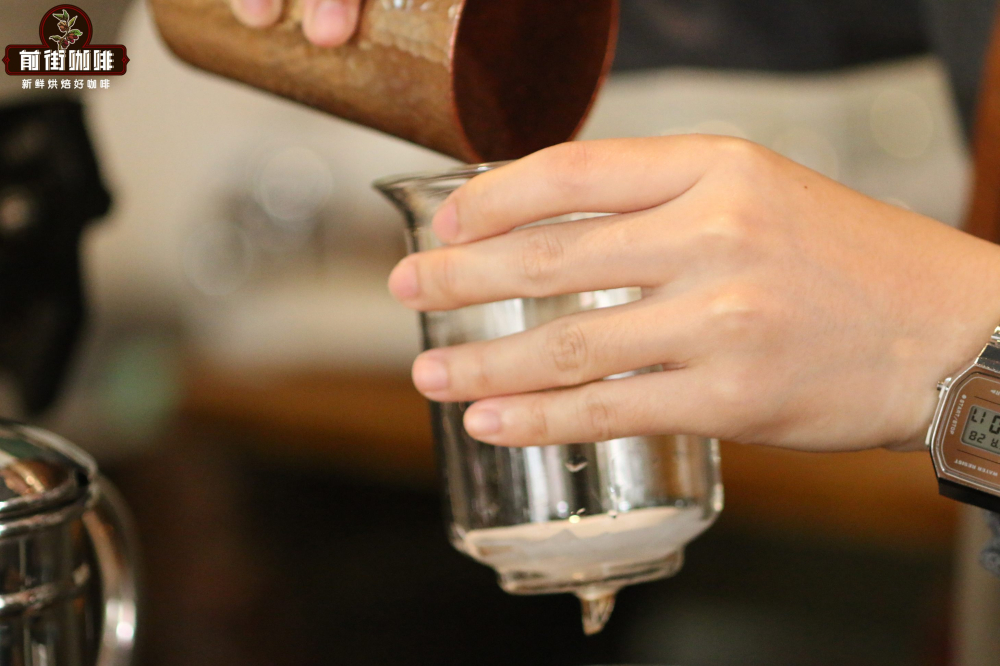
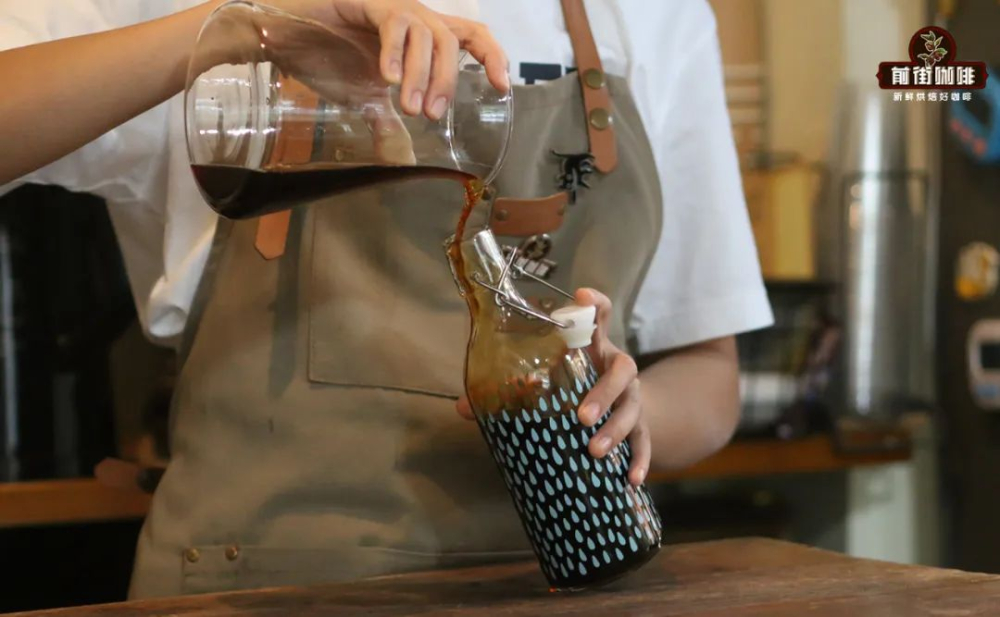
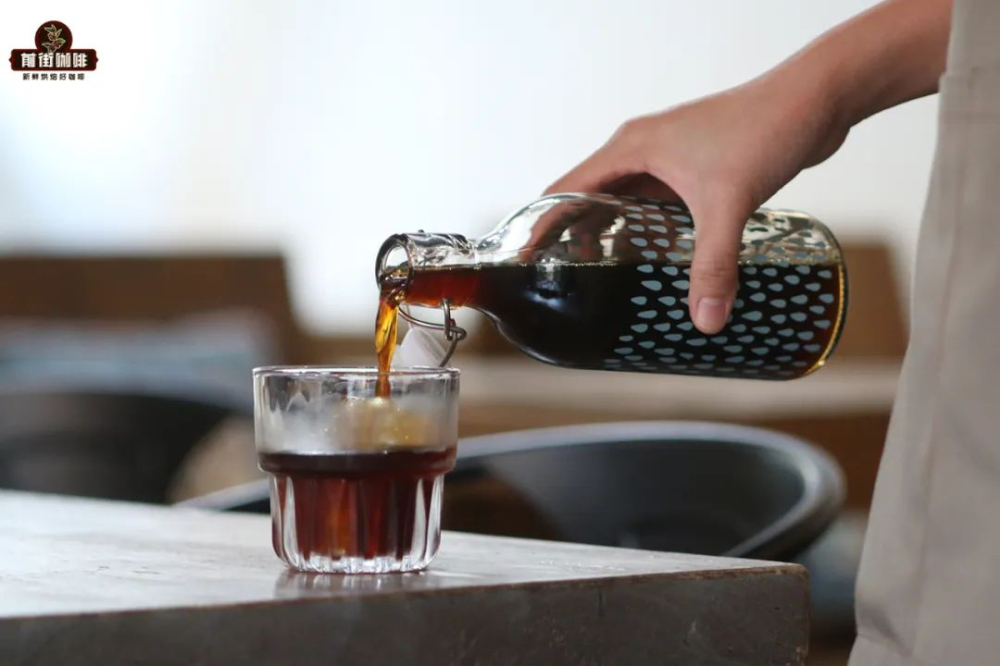
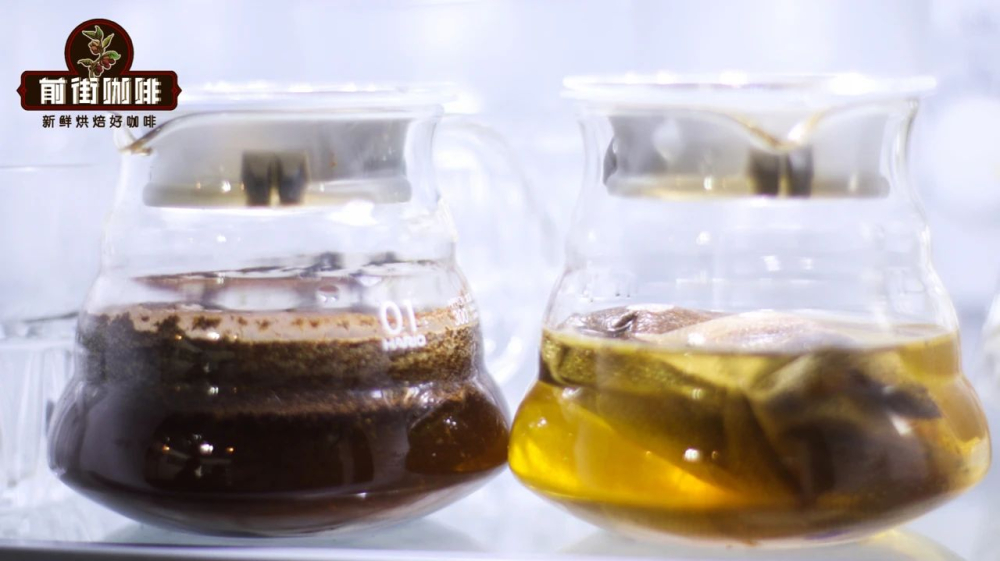
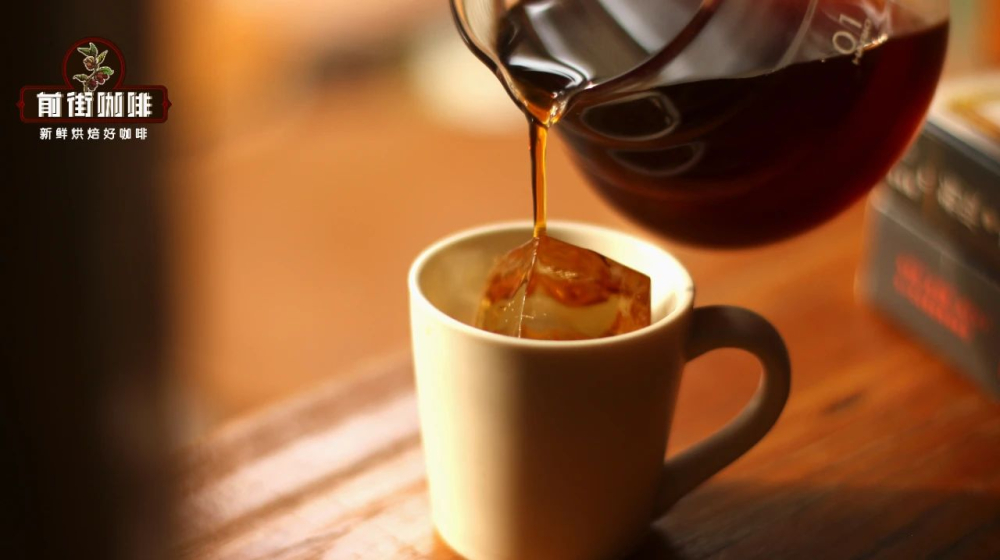
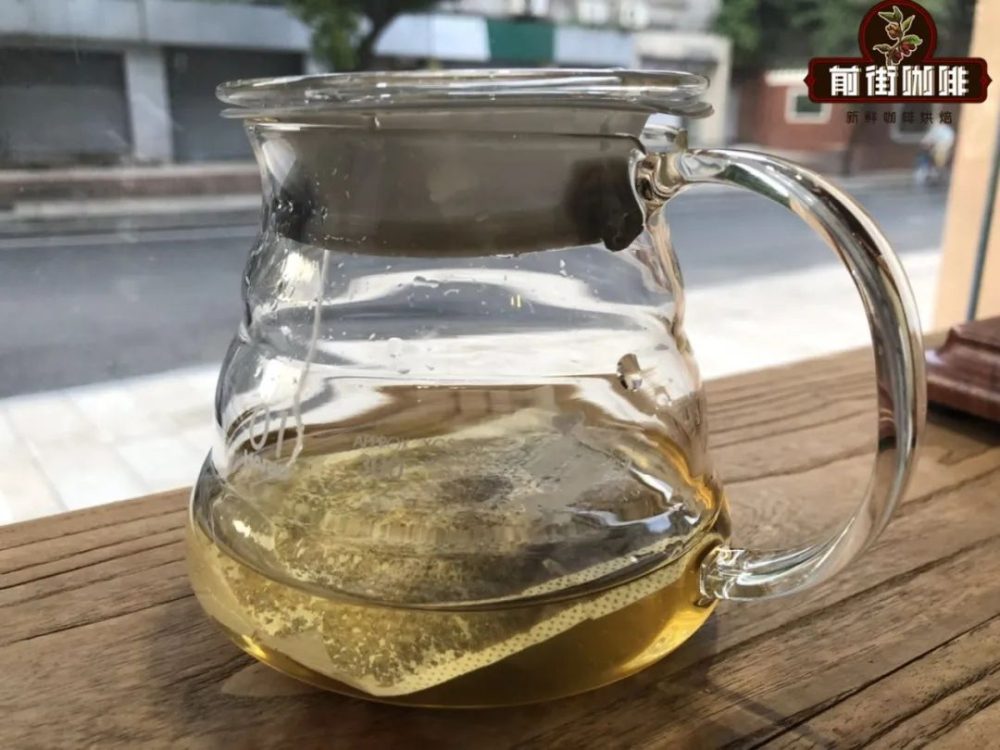
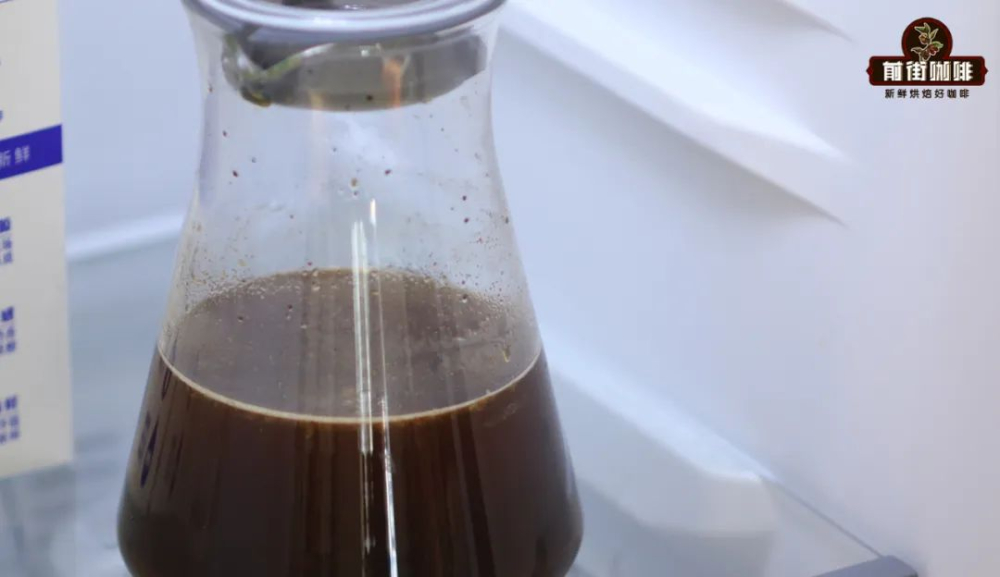
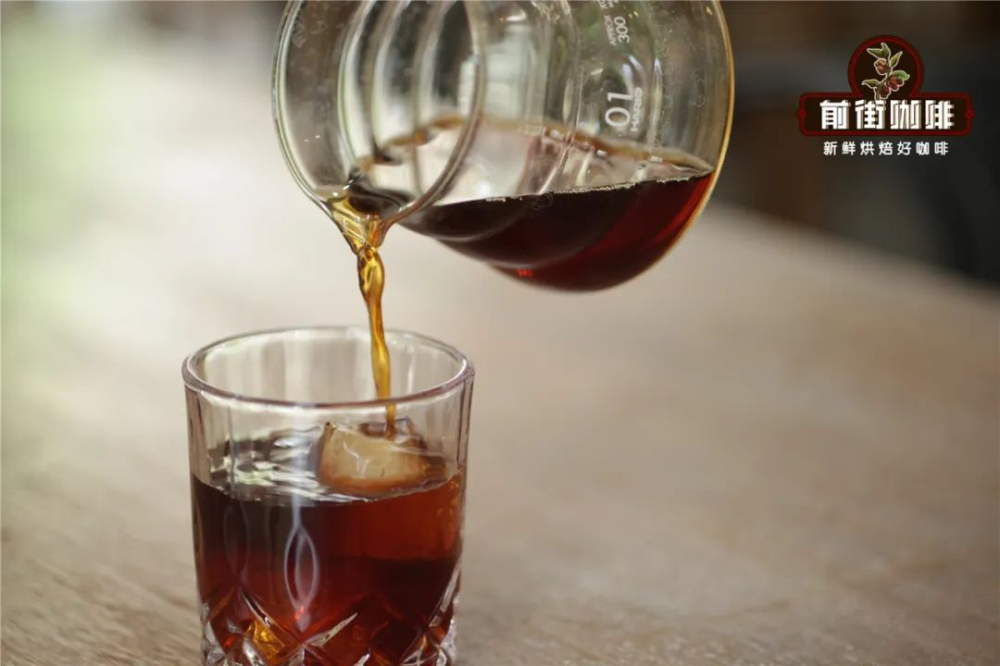
For those without professional equipment, a tea filter bag solution is available: place 10 grams of coffee grounds (about a 1:10 coffee-to-water ratio) into a filter bag, first moisten with 100 ml of room temperature water, shake, then transfer to a sealed container.Refrigerating for 8–12 hours is the flavor sweet spot; going longer can lead to over-extraction and off-flavors. When serving, gently squeeze the filter bag to ensure full flavor release, and it’s recommended to drink from a
The flavor code of steeping duration
Practical comparison of four different durations reveals:The 12-hour group performed best in terms of sweet-acid balance and aroma complexity—The 4-hour group showed insufficient extraction yield and noticeable aroma loss after refrigeration, while the 24-hour group was rich but overly bitter. Special reminder: light roast beans suit 8–10 hours, dark roasts can extend to 12–14 hours, but parameters should be adjusted according to bean variety.
The key impact of water temperature on extraction
The core difference between cold soaking (room temperature/refrigerated) and ice drip lies in temperature control:The extraction rate in a 0°C ice drip environment is only 1/3 that at room temperature, but it extracts aromatic compounds more completely. Pour over coffee often uses high temperatures of 90–93°C with rapid 2-minute extraction, whereas ice drip achieves similar concentration through long-duration low-temperature slow infusion while reducing impurity precipitation. Both methods suit different bean characteristics.
Common issues and practical tips
Avoid three major mistakes: ① Do not pre-soak with hot water during cold brew ② Ice drip flow rate should not be too fast (ideal: 10–15 seconds/drop) ③ Consume within 24 hours after opening.Kenya beans’ high acidity is particularly suited to ice drip processing, while Central and South American beans better showcase nutty tones during cold brew. Regular equipment cleaning prevents oil oxidation from affecting flavor.
The above content is compiled by CoffeeHunters, a coffee news website.


