







Introduction:In recent years, Combo coffee has gained immense popularity for allowing drinkers to experience multiple variations of a single coffee bean in one go. But what exactly is Combo? How does it transform a single coffee bean into various beverage styles? And which coffee varieties are best suited to showcase complex and balanced flavors? This article delves into the brewing principles behind Combo coffee, highlights the characteristics of recommended beans, and offers practical advice on extraction and ratio adjustments to help you master this art of coffee presentation.
Splitting a single shot of espresso into two to three parts, then crafting each part into a different style of coffee drink, and finally combining them into a diverse set—that’s the Combo coffee that has received widespread acclaim in cafes recently.

This format not only allows customers to experience the multifaceted nature of the same coffee bean in one sitting, but also wins favor due to the small serving size of each cup, which doesn’t take up much stomach space. As a result, more and more coffee shops are offering Combo options (with some exceptions). Though the combination method may seem simple, many encounter challenges during actual execution: some drinks turn out too bitter, others taste bland with muted aromas. Therefore, many consumers have turned to online platforms asking if the choice of bean variety plays a role?

Technically speaking, almost any coffee bean can be used to make Combo, as its essence is merely dividing a single shot of espresso base and reworking it. However, if you’re aiming for more distinct flavor profiles and unforgettable taste experiences, then the choice of bean becomes crucial. This article will guide you through selecting the right coffee beans and the key techniques for making Combo.

I. Roast Level: Avoid Extremes, Opt for the Middle Path
If you want your Combo to deliver rich aroma and clear flavors, it’s advisable to avoid overly dark-roasted beans. Dark roasts often bring intense smokiness and heavy body, which can mask the inherent fruity notes and delicate flavor characteristics of the coffee, resulting in a more one-dimensional profile.

On the other hand, overly light roasts are also less than ideal. Due to insufficient caramelization, they lack sweetness, may have overly prominent acidity, and generally offer a lighter flavor that can easily be overshadowed by milk, causing milk-based coffees to lose their complexity.

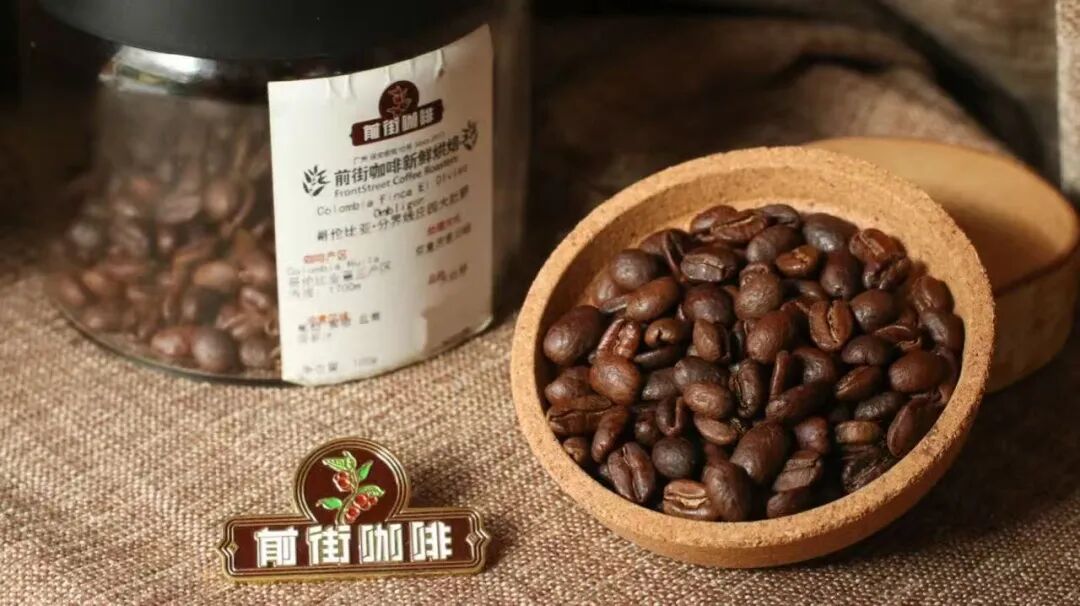
Therefore, it is recommended to choosemedium-light to medium roastcoffee beans. These beans typically retain a rich array of flavors and offer a balanced level of sweetness and acidity, making them compatible with milk while still showcasing their unique traits.

II. Fermentation Level: Deep-Fermented Processing Delivers Layered Flavors
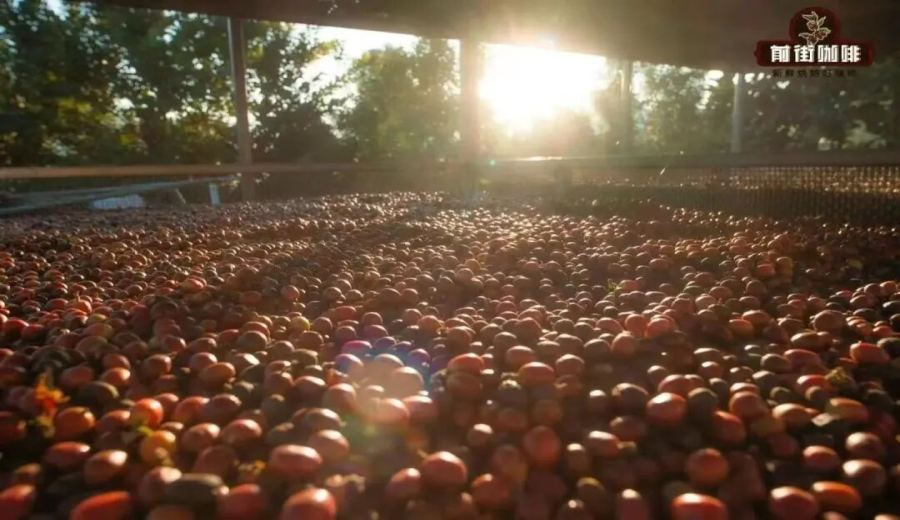
Beyond roast level, processing methods are also key to flavor expression. If you want your Combo to present richer and more distinctive aromas, consider prioritizing coffee beans that usedeep-fermented processing methodssuch as natural (sun-dried), anaerobic fermentation, or honey processing.
These processing techniques deepen the degree of fermentation in the beans, thereby releasing more complex fruit, floral, and even wine-like or syrupy sweet notes. This helps to create noticeable differences between the various drinks in a Combo, making each one more memorable.
In summary,coffee beans with moderate roast levels and rich fermentationare better equipped to meet the dual demands of Combo coffee for both flavor complexity and expressive power.

III. Recommended Bean Varieties: Practical Choices with Rich Aroma and Strong Expression
There are many bean varieties on the market that fit the above criteria. For instance, in the selection lists of some coffee shops, over half of the beans feature medium-light roasting and rich aromatic profiles. Here are a few popular choices commonly used in Combo:
IV. Combo Brewing Considerations
Even with the right bean selection, the details during the brewing process should not be overlooked. Below are several practical points to keep in mind:
1. Dose Adjustment
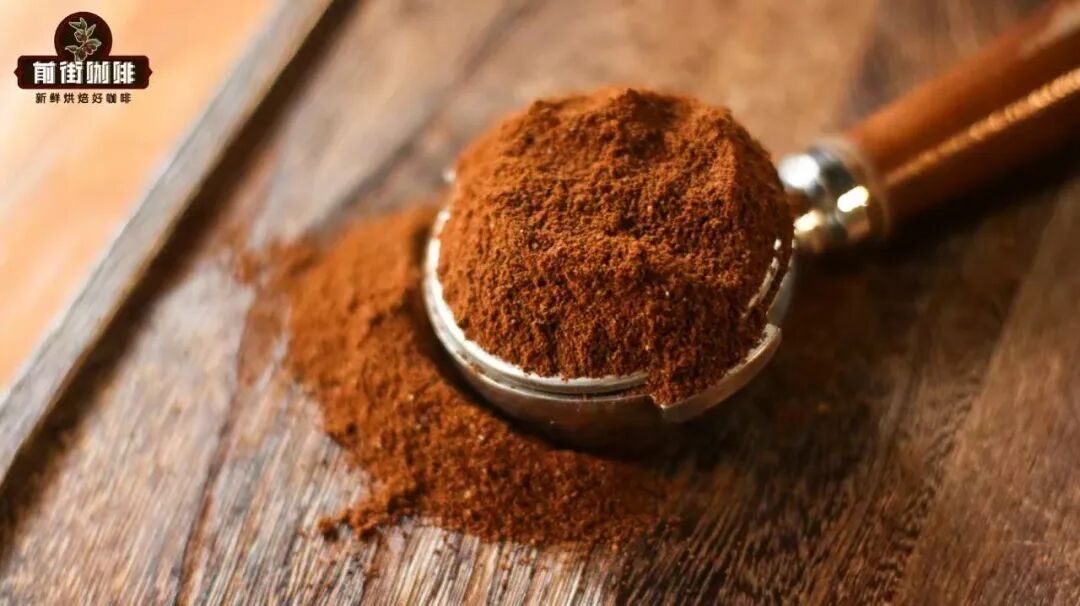
Since one shot of espresso is divided into multiple cups, if you typically use a smaller dose, it’s recommended to moderately increase it to ensure sufficient extraction liquid per serving, avoiding overly small portions that impact flavor expression. (This advice is mainly for shops; home brewers can adjust flexibly.)

2. Espresso Extraction Parameters and Testing
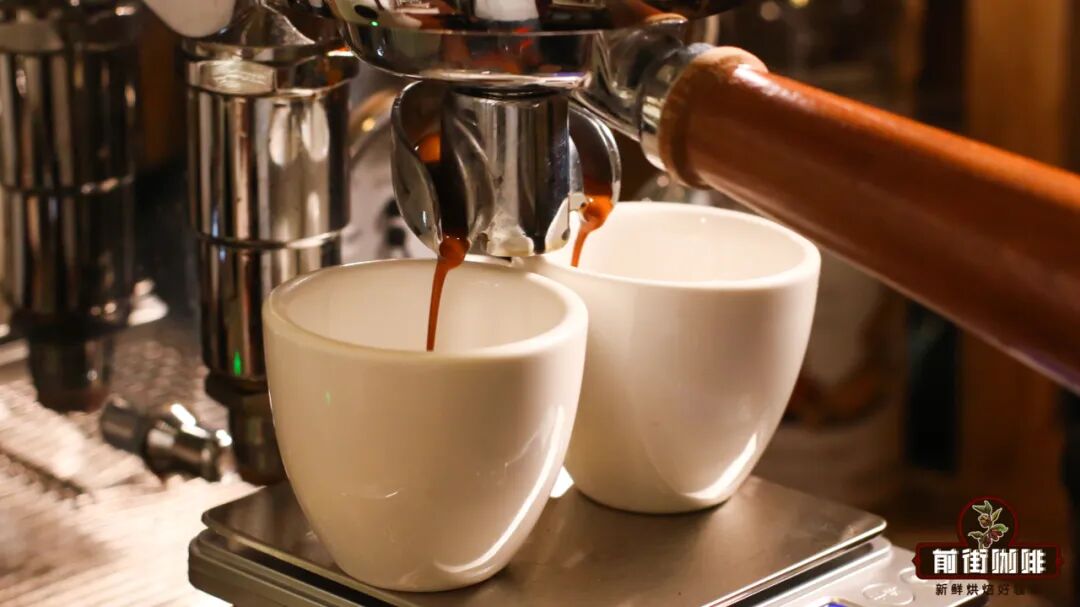
A stable espresso shot is key to the success of Combo. Some shops adjust extraction parameters at the start of each day and test with a latte to verify whether the batch of espresso is suitable for milk-based coffee. If the espresso itself is too acidic or lacks flavor intensity, it may throw off the balance of the milk coffee. Therefore, it’s advised to reserve a stronger espresso for milk-based Combo drinks, and if needed, slightly extend the extraction time to improve the balance between bitterness and sweetness.
3. Coffee-to-Ingredient Ratio Adjustment
Since the selected beans are usually lightly roasted, their overall flavor intensity is not as strong as that of dark roasted beans. Therefore, when preparing Combo, it’s recommended to moderately increase the ratio of coffee to water or milk. For example, for a medium-light roasted Combo latte, the coffee-to-milk ratio can be adjusted to 1:4 to 1:4.5 to avoid dilution that leads to muted flavors.

In summary, the charm of Combo coffee lies in showcasing a single bean’s diverse expressions, and its success hinges on the choice of roast and processing, the stability of extraction, and the fine-tuning of ratios. We hope these practical guidelines will help you craft more exciting and layered coffee experiences as you explore the world of Combo coffee.
The above content is compiled by CoffeeHunters, a coffee news website.


