







Introduction:Understanding the grind size of coffee powder is one of the key factors that influence extraction flavor. This article delves into the grind standards required for pour over, moka pot, and espresso brewing, including how to use a sieve grinder, optimal extraction ratios, water temperature control, and suggested brew times. Whether you’re a beginner or an advanced coffee enthusiast, you can gain practical tips from parameter settings and hands-on operations to enhance your coffee's overall performance.
A coffee’s flavor profile is closely related to many factors, among which grind size has a particularly significant impact. From water temperature and coffee-to-water ratio to grind coarseness, each parameter affects the final flavor. Especially in home or small-scale coffee setups, a high-quality grinder is often more important than the coffee machine itself, because grind uniformity directly influences extraction efficiency and flavor balance.
If the grind is too coarse, the contact area between coffee powder and water is insufficient, leading to incomplete extraction of flavor compounds, and the resulting cup can taste thin and dull. Conversely, if the grind is too fine, over-extraction occurs, releasing excessive bitter and astringent substances that disrupt overall flavor harmony. Therefore, mastering the appropriate grind size for different brewing methods is essential for every coffee lover.
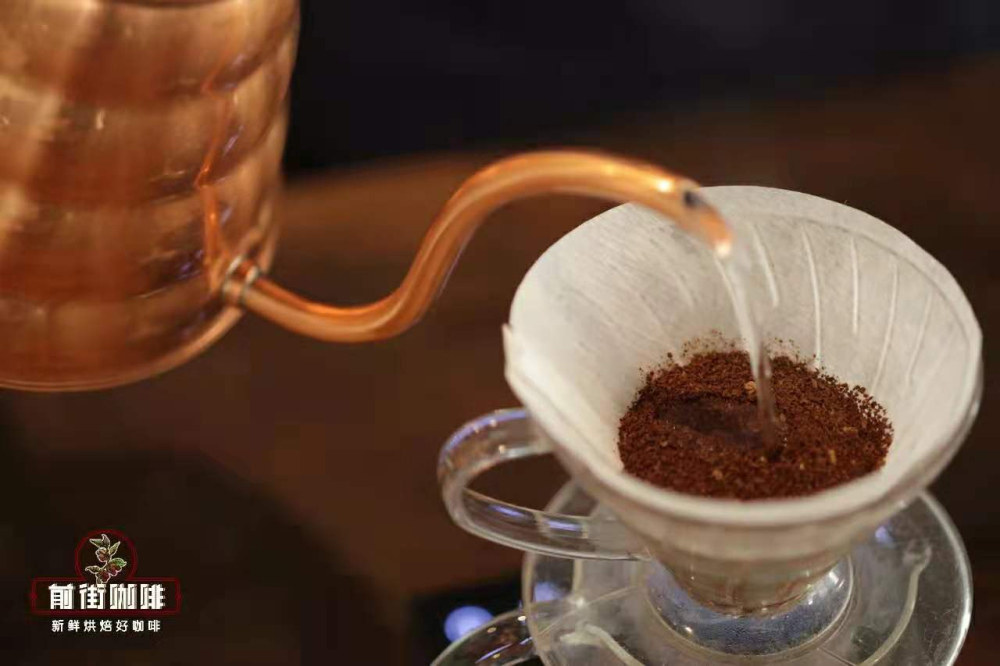
Taking pour over as an example, the recommended grind size varies depending on roast level. Medium-light roasted beans usually exhibit distinct fruity acidity and floral notes, but since caramelized compounds are harder to extract, it is recommended to use a medium-fine grind—approximately 80% of the coffee passes through a 0.85mm (No. 20) sieve, with a particle feel similar to fine sugar. This grind size extends the contact time between water and coffee powder, helping to bring out acidity, sweetness, and caramel flavors, making the overall cup more balanced.
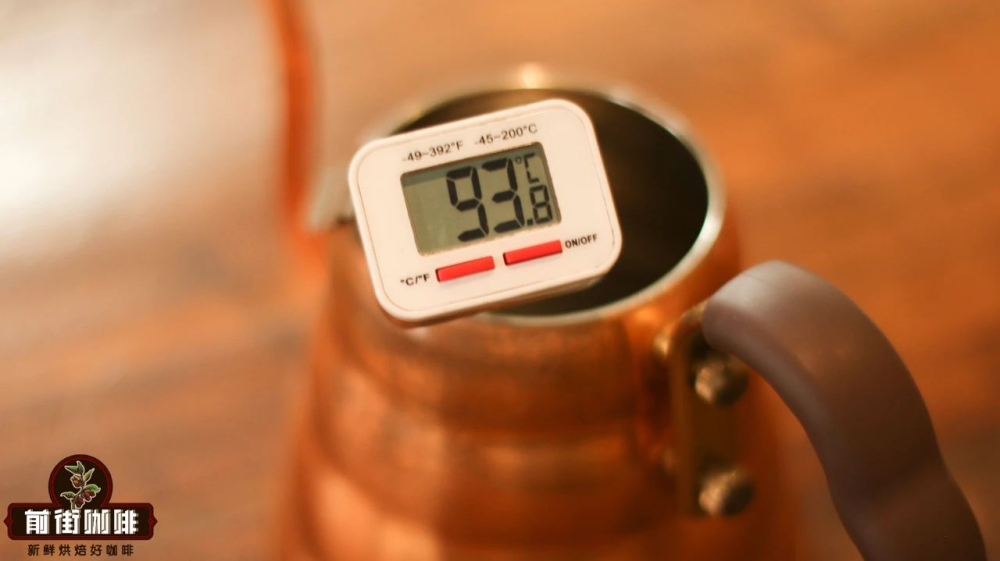
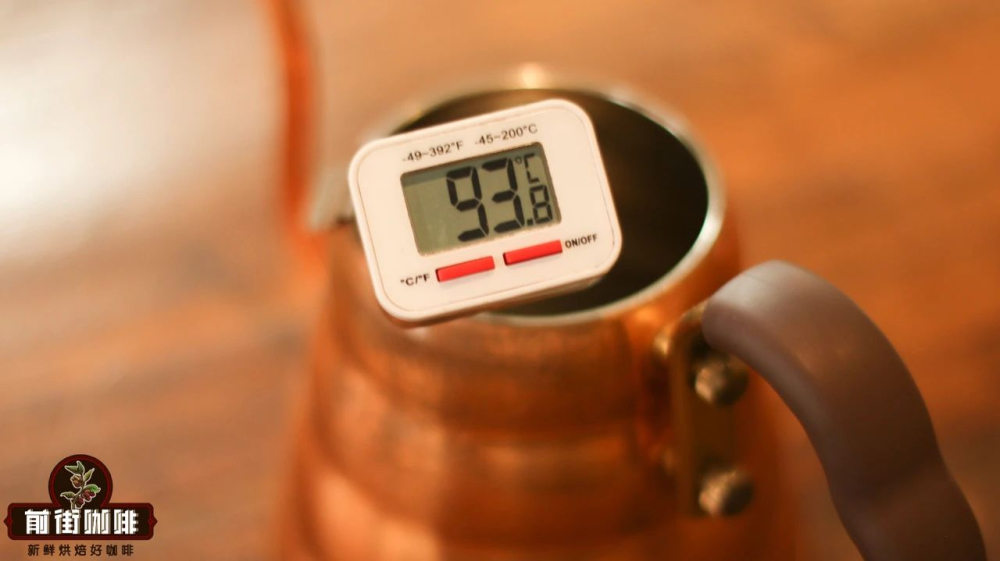
It is suggested to keep the pour over water temperature between 90–91°C. Too high can lead to prominent bitterness, while too low may result in under-extraction and a flat flavor. Maintain a stable flow rate; if the water flows too quickly, it likely means the grind is too coarse, and if too slow, the grind may be too fine. Adjust the grind settings as needed to achieve ideal extraction.
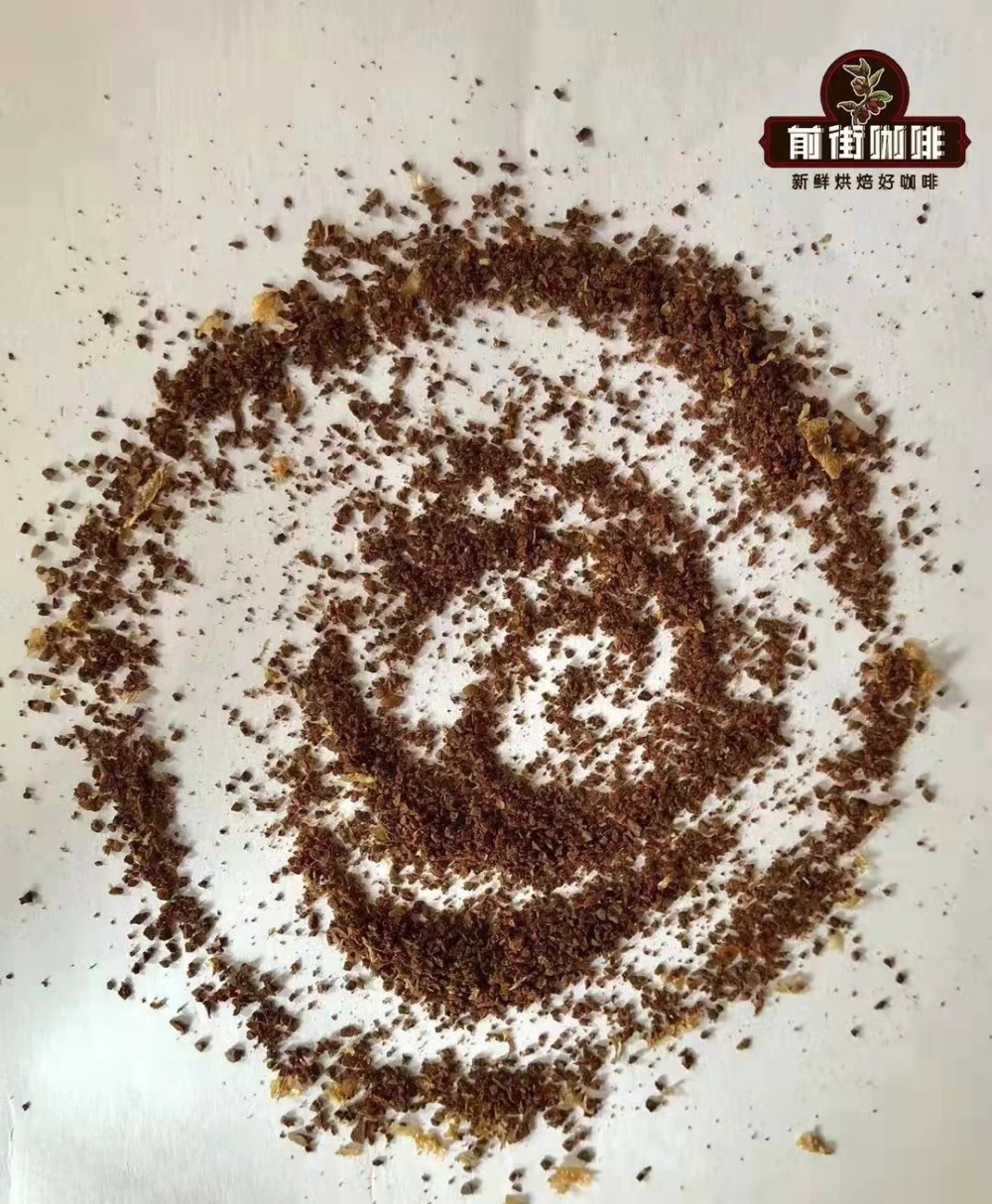
Medium-dark roasted beans typically have lower acidity and a fuller body, with rich caramelized compounds, resulting in a more intense flavor. In this case, a medium-coarse grind is recommended—that is, about 70% of the coffee passes through a No. 20 sieve, with a particle size similar to coarse sugar. This grind helps improve water flow speed, preventing over-extraction of caramel compounds, allowing the coffee to express a rich yet sweet taste while avoiding unnecessary bitterness.
For medium-dark roast pour over, the water temperature is recommended to be set between 88–89°C. Too high may produce bitterness, and too low can result in a bland flavor. With the right coffee-to-water ratio and brew time, the nutty, chocolatey, and caramel layers of medium-dark roast beans can be fully revealed.
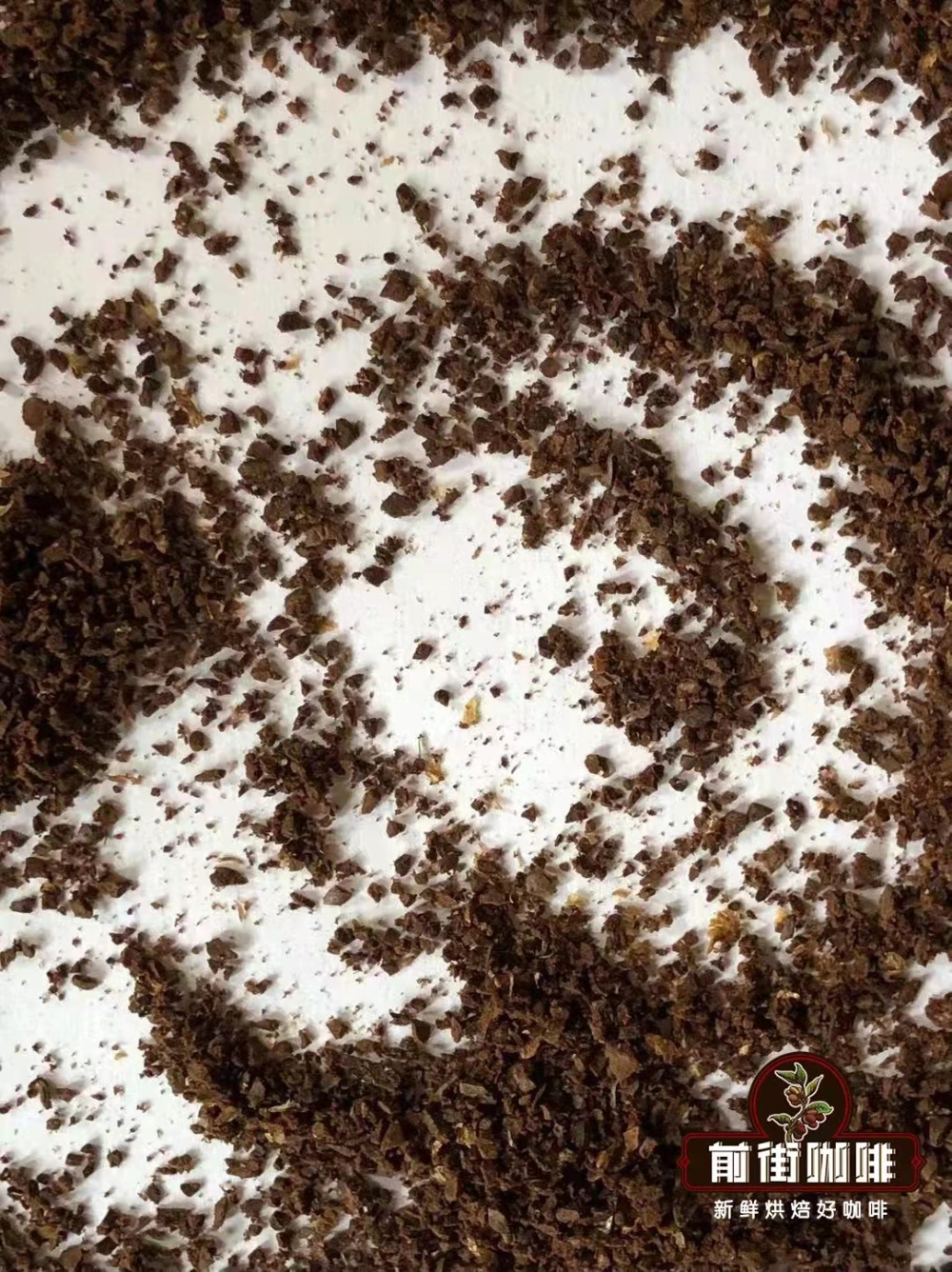
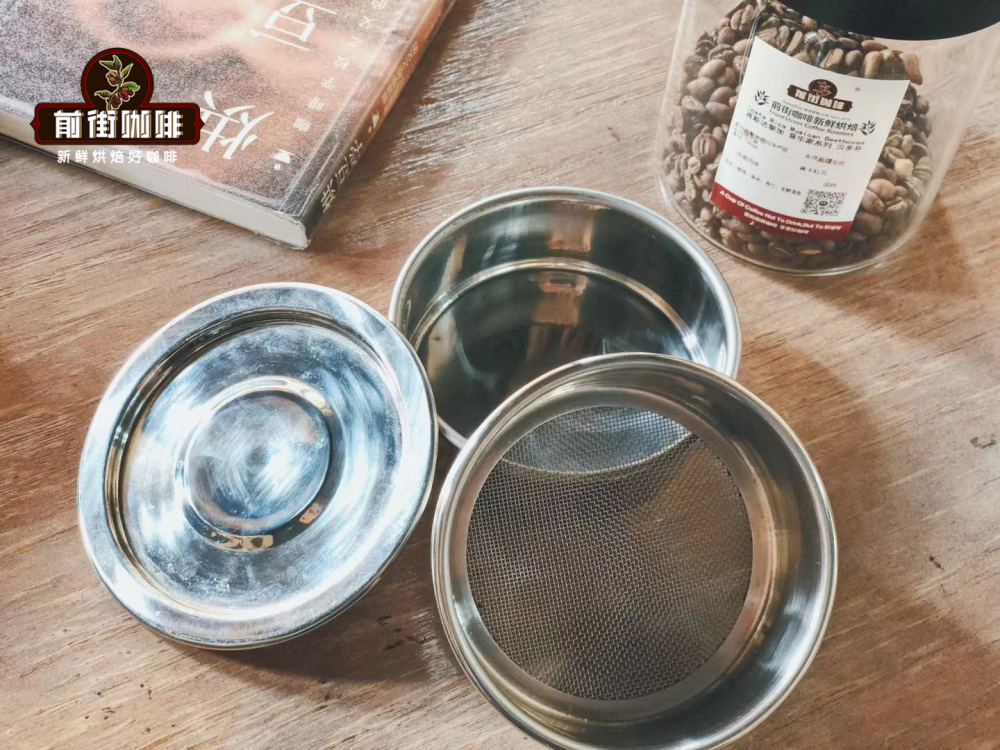
For sieve testing, you can use a No. 20 sieve to perform an actual sieving test. Pour 10 grams of ground coffee into the sieve, gently shake it to let the fine powder pass through until no more coffee powder falls. Then weigh the coffee powder that passed through the sieve: if the pass rate is around 80%, it is a medium-fine grind; if about 70%, it is a medium-coarse grind. Adjust the grinder’s setting based on the pass rate—if the rate is too high, make the grind coarser; if too low, make it finer.
If you don’t have a professional sieve at home, you can also assist in judgment by observing the brew water flow speed: fast flow usually indicates a too-coarse grind, and slow flow may mean the grind is too fine. This method is not precise, but it can serve as a preliminary reference when tools are unavailable.
Among various coffee extraction methods, different equipment require different grind sizes. Generally speaking, cold drip requires the coarsest grind, followed by pour over, siphon, American drip, cupping, and finally French press. The suggested pass rates are roughly: cold drip > pour over > siphon (about 80%) > American drip (75–80%) > cupping (70–75%) > French press (65–70%). Understanding these differences helps choose the appropriate grind size based on brewing method, optimizing overall extraction performance.
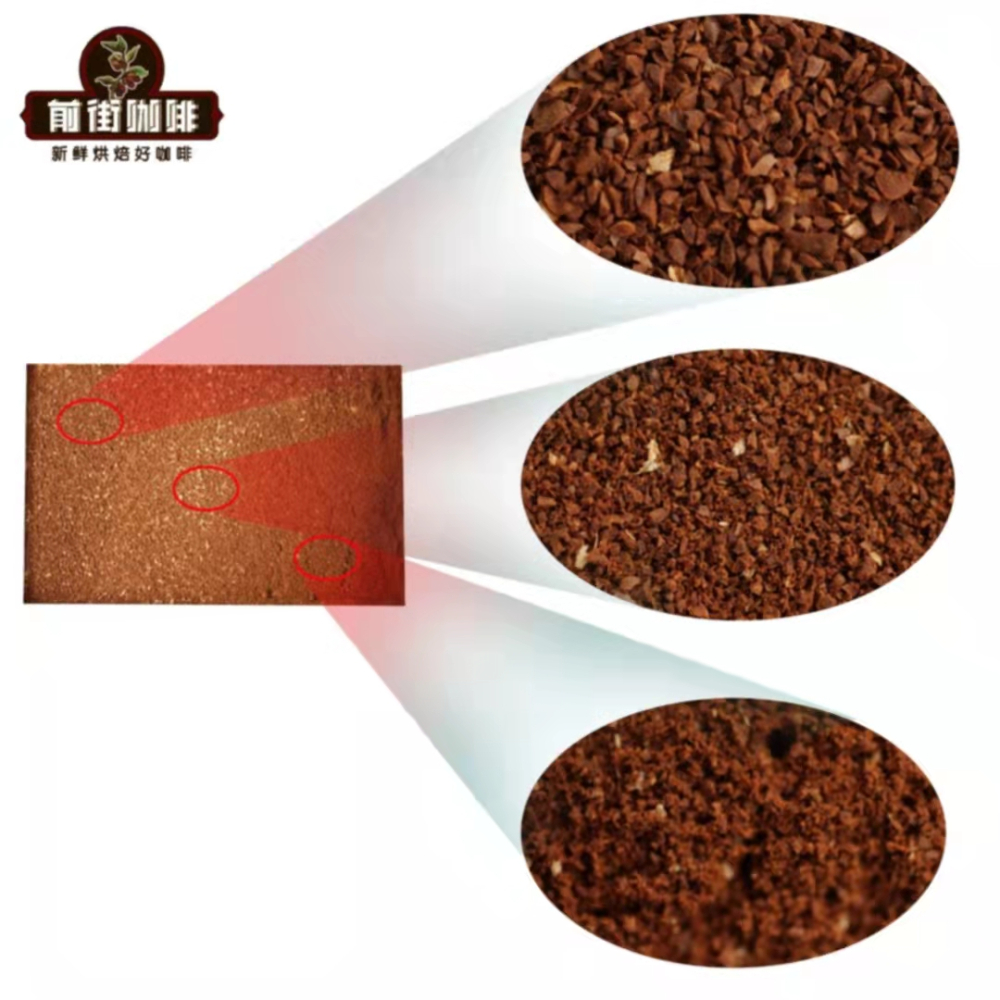
When it comes to espresso, due to the 9 bar high pressure used to complete extraction in a short time (usually no more than 30 seconds), the grind requirements are much higher than for pour over. Espresso grind must be extremely fine to ensure sufficient release of flavor compounds within a brief period. Generally, the setting range on a professional grinder is about 1.8 to 2.0 (the smaller the number, the finer the grind), though it still needs fine-tuning based on bean condition, environmental factors, and actual extraction results.
For example, using 20 grams of coffee grounds with a grinder setting of 1.8, aiming to extract 40 grams of coffee liquid, the recommended brew time is between 27–28 seconds. This coffee-to-water ratio (1:2) and flow rate control can balance flavor integrity and mouthfeel smoothness, especially suitable for blends that highlight chocolate and nut aromas.
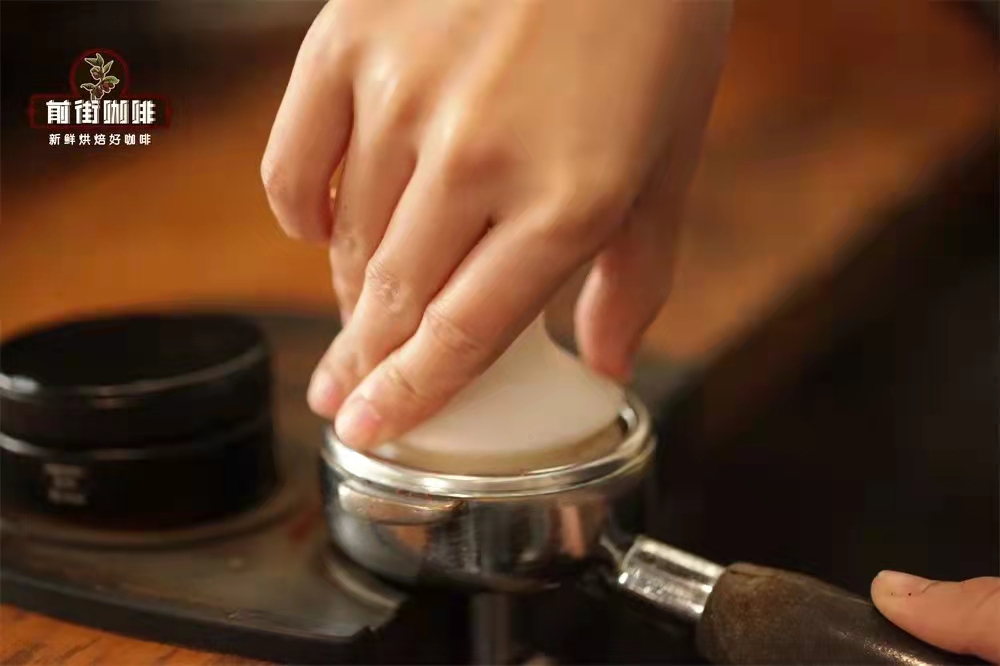
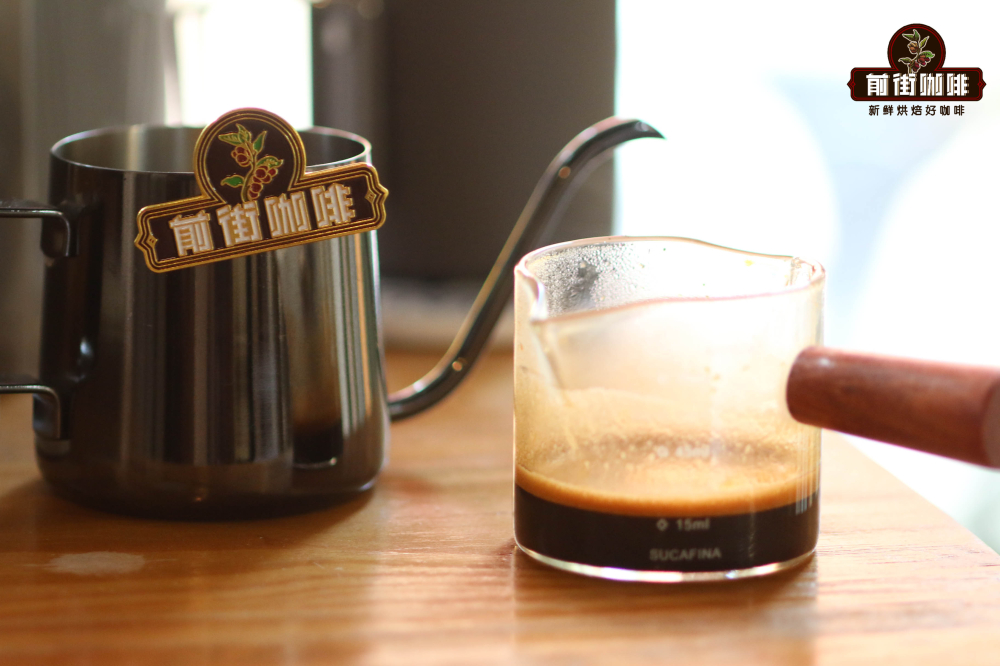
Although the moka pot is a common household device, its operating principle is similar to espresso, also extracting coffee via pressure. The pressure produced by a moka pot is about 1.5–3 bar, not as high as professional espresso machines, but with proper operation, it can also produce coffee with crema. Its grind should be slightly coarser than that for professional espresso, with a particle diameter of about 0.3–0.55mm.
There are two ways to judge grind coarseness: one is by using a dedicated particle size gauge, and the other is through repeated testing—usually after adjusting 3–5 times, you can get the hang of it. If the grind is too coarse, the coffee may shoot out quickly or even splash; if too fine, you might hear the water boiling but see no coffee coming out, in which case you should turn off the heat immediately to avoid overheating. Always pay attention to safety during testing to prevent burns or damage to equipment.
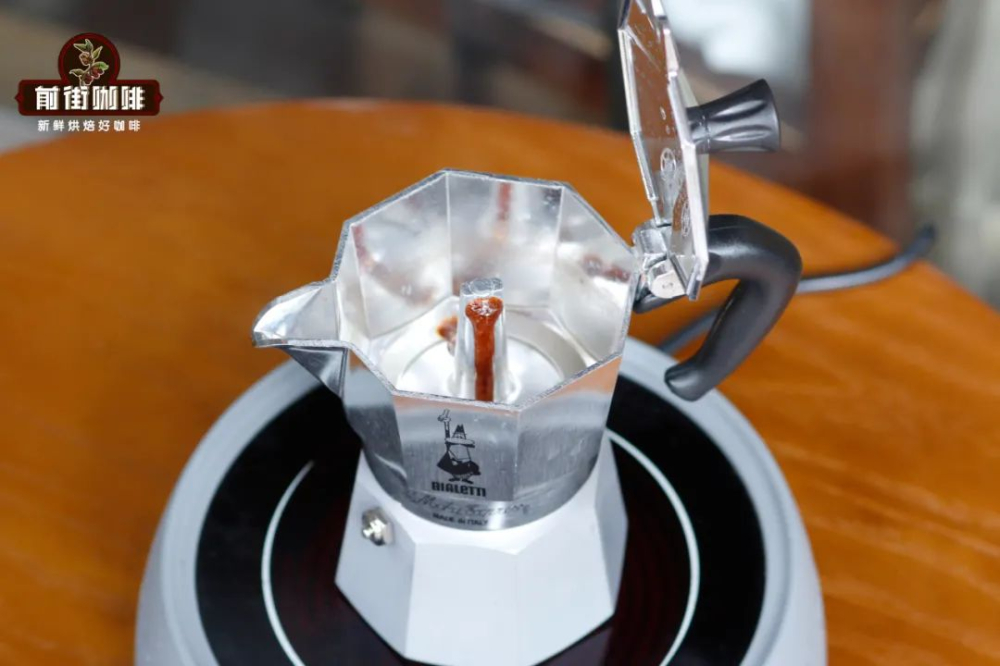
As for the types of coffee beans suitable for moka pots, it is recommended to prioritize medium to medium-dark roasts, as these beans can provide a fuller body and moderate crema. For instance, honey-processed blends from Central and South America and Africa can showcase gentle sweet-sour notes and a solid mouthfeel during extraction. A quality moka pot-specific bean not only improves extraction success but also delivers a café-level flavor experience.
The above content is compiled by CoffeeHunters, a coffee news website.


