








Introduction:Want to learn how to brew a delicious Yirgacheffe pour over? This article provides an in-depth look at the geography and terroir of Ethiopia’s Yirgacheffe coffee region, its washed processing methods, and practical three-stage brewing parameters. We’ll explain everything from water temperature and grind size to coffee-to-water ratio, helping you fully bring out its bright citrus acidity and floral-fruity aroma, and understand the origin of every sip’s flavor.
Yirgacheffe is a renowned coffee region in southern Ethiopia, famous for producing pour over coffee with bright acidity, delicate floral notes, and a clean cup profile. The region sits at elevations between 1,700 and 2,200 meters, where cool, humid weather and fertile soil give the coffee beans more time to develop, allowing them to accumulate richer flavor compounds. This article will start with the background of the region, delve into how Yirgacheffe became a classic in the specialty coffee world, analyze in depth how washed processing influences its flavor, and offer practical pour over brewing tips along with flavor profiles.

Ethiopia is not only the birthplace of coffee but also one of the world’s most important Arabica-producing countries, with coffee culture deeply rooted in society. Locally, coffee is not just a daily beverage but also an essential part of social interaction and rituals. From family-run smallholder farms to cooperative processing, a diverse coffee supply system has emerged, encompassing four production models: forest coffee, semi-forest coffee, garden coffee, and plantation coffee. Among these, garden coffee is the most common, where farmers grow coffee on a small scale and then carry out initial processing through nearby processing facilities. This has resulted in Ethiopian beans having diverse and regionally distinctive flavor profiles.
It’s worth noting that most Ethiopian coffee varieties are heirloom types. Due to long-term natural evolution and geographic isolation, the country is home to tens of thousands of unique Arabica varieties. These varieties have great potential in flavor expression but are also difficult to classify. Moreover, due to the government's protection policies not fully disclosing variety information, the market generally refers to them collectively as “heirloom,” which has become a hallmark of Ethiopian coffee. Thanks to this rich genetic diversity and suitable growing environment, coffee from regions like Yirgacheffe possesses a unique aromatic spectrum—featuring fruity, floral, and citrus notes.
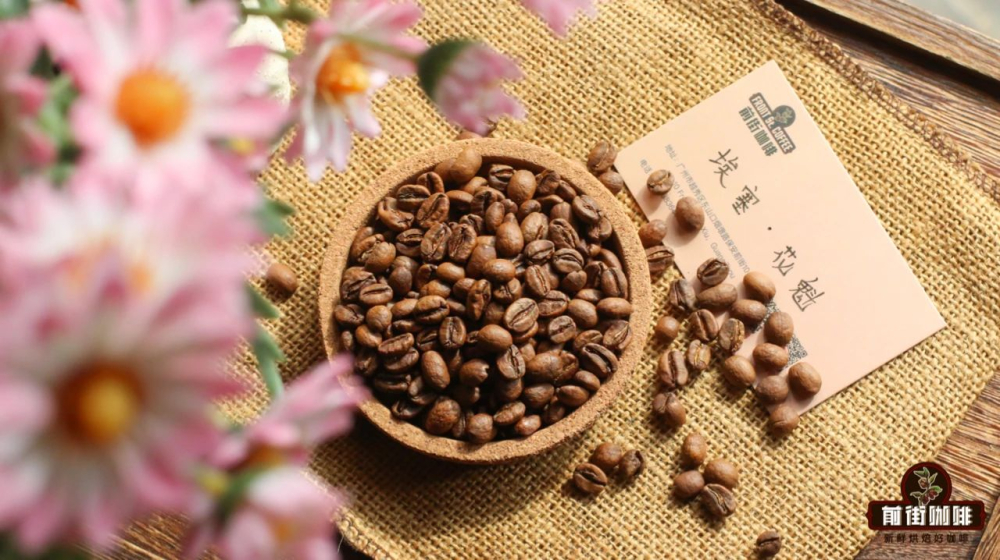
Originally part of the larger Sidamo region, Yirgacheffe became its own distinct area due to its outstanding flavor profile, and is now world-renowned. The region enjoys cool, stable weather with good air circulation and moderate humidity. Year-round mist helps the coffee ripen slowly, allowing it to accumulate more sugars and aromatic compounds. These environmental conditions result in coffee that typically exhibits high aroma intensity and a clear acidity structure, making Yirgacheffe a star region in the specialty coffee market.
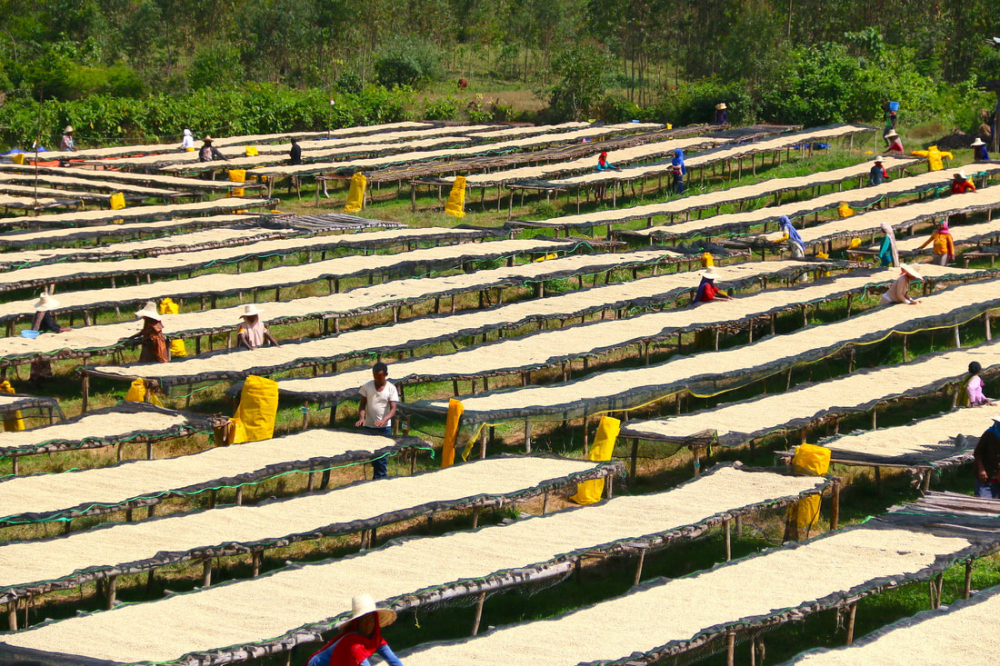
The bright acidity and clean cup profile of Yirgacheffe coffee are largely thanks to the washed processing method. After Ethiopia introduced washed techniques from Central and South America in 1972, the process—removing the pulp and mucilage layers, fermenting in water to remove stickiness, followed by washing and drying—greatly reduced defect rates while highlighting the coffee’s intrinsic flavors. Compared to natural (sun-dried) processing, washed processing brings out clearer citrus, white floral, and green tea notes, with a cleaner and more layered mouthfeel. It’s well-suited for those who enjoy fruity acidity and floral notes.
When brewing Yirgacheffe pour over coffee, it is recommended to use a light to medium roast with a medium-fine grind to fully unlock its flavor potential. The general recommendation is a grind size that allows about 78% of the coffee to pass through a Chinese standard No. 20 sieve—similar in coarseness to fine sugar. As for water temperature,92 to 93°Cis ideal, as it can effectively extract bright citrus acidity, fruity tones, and delicate floral notes, while avoiding over-extraction that could lead to bitterness. If your brew tastes overly sharp and lacks complexity, it may be due to insufficient water temperature or a grind that’s too coarse.
To fully showcase Yirgacheffe’s multi-layered flavors, it is recommended to usea three-stage pouring techniquewith a V60 filter cone. The V60’s spiral ridges help with gas release from the coffee grounds and the diffusion of aromatic compounds, effectively enhancing clarity of flavor. A suggested coffee-to-water ratio is1:15 to 1:16, which can be adjusted based on personal taste preference: a 1:15 ratio yields a richer cup, while 1:16 results in a cleaner, sweeter, and more refreshing profile. Use about15 gramsof coffee, with total water volume adjusted according to the ratio to between 225 and 250 milliliters. The total brew time should be kept withinapproximately 2 minutes.
In practice, start with a bloom using hot water equal to twice the coffee dose (about 30 milliliters) for around 30 seconds to awaken the grounds and release initial aromas. Then, pour in a small, steady stream in a circular motion from the center outward until you reach 125 milliliters, wait for the water level to drop by roughly half, and then continue pouring up to 225 milliliters to finish the brew. This staged pouring method allows different flavor notes—such as berries, citrus, and green tea in the early stages, and creamy, sugarcane, and berry undertones in the aftertaste—to unfold across varying temperature phases. The resulting cup is clean, refreshing, and well-layered.
Freshly brewed Yirgacheffe pour over coffee offers delicate aromas of honey and jasmine. On the palate, bright notes of lemon, citrus, and subtle green tea come forward. As the cup cools, berry, cream, and sugarcane sweetness gradually emerge, with a clean and lingering aftertaste. It’s a classic coffee that clearly showcases the characteristics of washed processing and high-altitude terroir. Whether you’re practicing your daily pour over routine or exploring Ethiopian coffee for the first time, Yirgacheffe is a must-try option.
The above content is compiled by CoffeeHunters, a coffee news website.


