








Introduction:Kenyan coffee is renowned for its bright acidity and juicy body, but its flavor profile goes far beyond just tomato-like notes. This article delves into Kenya’s coffee-growing regions, the characteristics of the SL28 and SL34 varieties, the K72 washed processing method, the flavor differences across its six major regions, and offers practical pour-over parameters along with cupping data to help you better understand the traits of this classic specialty bean.
Kenyan coffee is world-famous for its distinctive acidity structure and rich juice-like mouthfeel. However, many assume that only a pronounced tomato-like note represents the true expression of Kenyan coffee. In reality, the foundational flavors of Kenyan beans are robust and layered fruit acids paired with sweetness, featuring clean acidity that is never overly sharp, often accompanied by citrus, berry, and tea-like aftertastes. This article will comprehensively explore the mysteries of Kenyan coffee—from growing environments and variety traits, to processing techniques, auction systems, major regions, and practical pour-over recommendations.
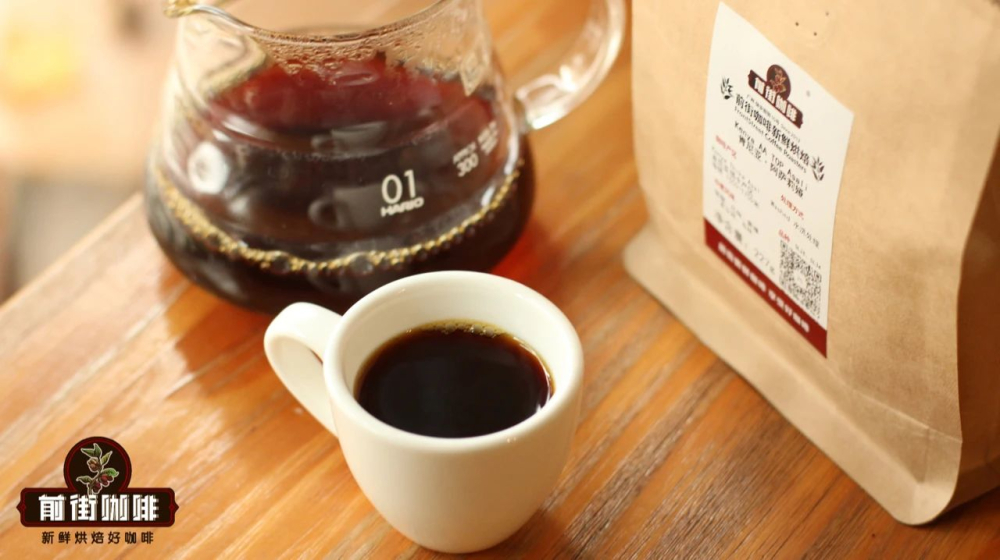
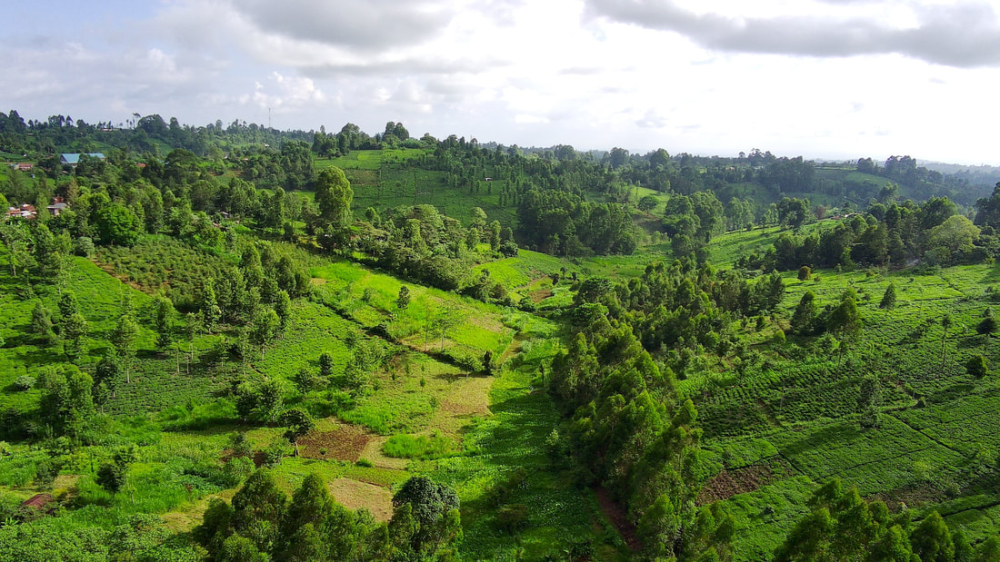
Kenya’s geography and climate are exceptionally well-suited for coffee cultivation. The country features numerous high-altitude areas that provide ideal day-night temperature variations, helping coffee cherries ripen slowly and accumulate richer flavor compounds. Coffee is primarily grown at elevations between 1,500 and 2,100 meters, and there are two main harvest seasons each year: the main season runs from October to December, while the secondary season is from June to August. To ensure harvesting quality, farmers often conduct multiple inspections and careful selections, typically examining each coffee cherry up to seven times or more, choosing only fully ripe ones.
Kenya’s coffee trading system is quite advanced, centered around the Nairobi Coffee Exchange (NCE) in the capital city of Nairobi, which operates a centralized auction system accounting for about 85% of total production. A smaller portion—roughly 15%—is traded through what is known as the “second window,” a direct trade channel. Auctions are held biweekly, always on Tuesdays. Twelve days before the auction, market agents must submit samples to the exchange for buyers to cup and evaluate. Auctions usually run from 9:30 AM to 4–5 PM, offering hundreds to over a thousand lots of beans for selection. The process is open and transparent, with bidders placing bids based on cupping performance and regional information.
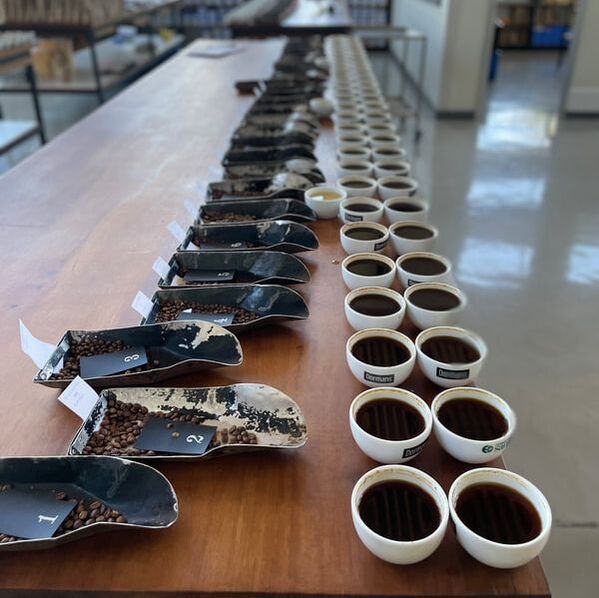
Kenyan coffee is graded according to bean size and physical characteristics after processing, with AA and AB being the two most common grades. AA-grade beans are sized between 17 and 18 screens, typically offering the richest flavor potential. AB-grade beans are slightly smaller, around 15 to 16 screens. Though marginally smaller in size, they still perform excellently and make up the highest proportion of production. Other grades include PB (peaberry), C, E (elephant beans), T, and TT, each subdivided based on size, weight, and shape. It’s worth noting that bean size is not an absolute indicator of flavor—region, altitude, variety, and processing method also significantly influence the final cup profile.
Kenya has six major coffee-growing regions: Nyeri, Kirinyaga, Thika, Mt. Kenya West, Kiambu, and Muranga. These regions are mostly located in the high-altitude areas surrounding Mount Kenya, with the main harvesting periods being from October to December and June to August. Among them, Nyeri and Kirinyaga are recognized as representative regions of Kenya’s specialty coffee due to their consistently high-quality output.
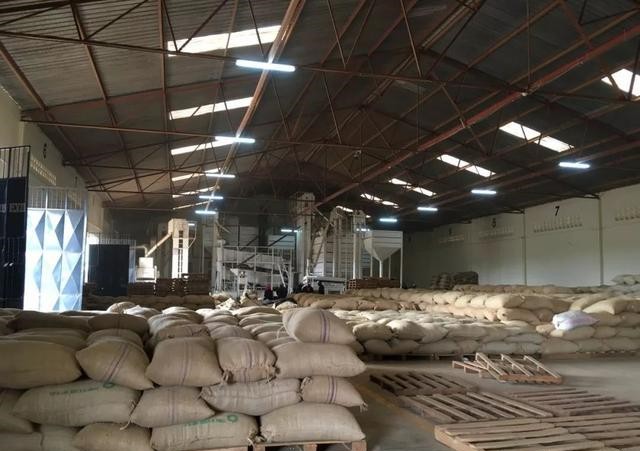
The Nyeri region is situated on the highland plateau at the foot of Mount Kenya, mostly above 1,500 meters in elevation. It lies between the Aberdare Mountains and Mount Kenya, boasting fertile soil and highly suitable climatic conditions for coffee growth. This area not only enjoys stable yields but also benefits from well-developed processing facilities and market infrastructure, contributing to consistently improved coffee quality. The neighboring Kirinyaga region is located on the slopes of Mount Kenya, at altitudes of approximately 1,300 to 1,900 meters. Its coffee is celebrated for its intense flavor profile, rich layers, and solid body, and is highly regarded among specialty coffee enthusiasts.
In terms of varieties, Kenyan coffee primarily features two patented cultivars: SL28 and SL34. SL28 was developed in 1935 by selecting drought-resistant strains from Tanganyika. It boasts excellent drought tolerance but is somewhat susceptible to diseases. The variety resembles Bourbon in appearance, and genetic studies have confirmed it belongs to the Bourbon genetic group. SL34 originated in the late 1930s when Scott Laboratories selected it from a tree known as the “French Mission.” Its shape is similar to Typica, slightly flattened when viewed from the side, and genetic analysis shows a close relation to the Typica group. Together, these two varieties create the unique acidity and aroma that define Kenyan coffee.
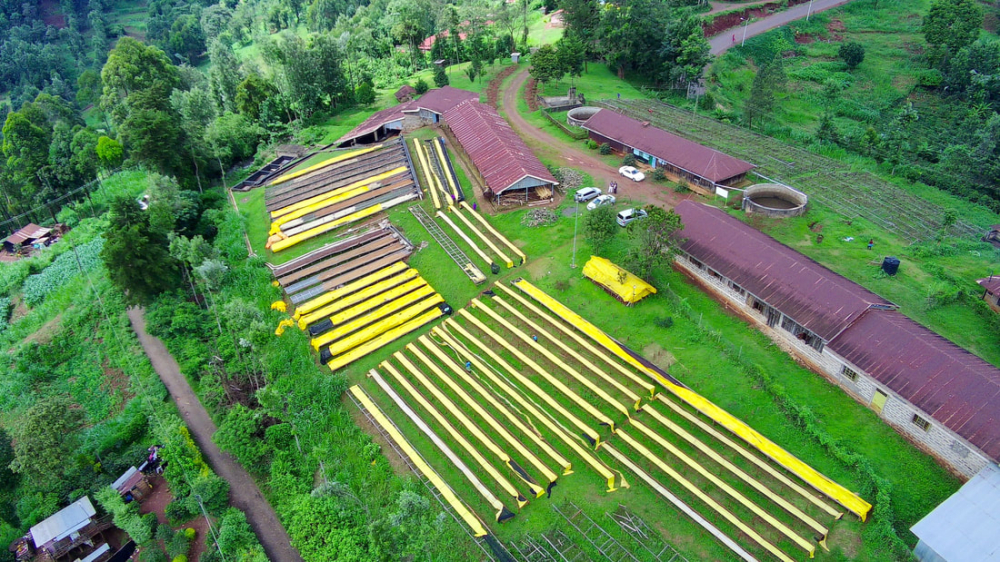
Kenya’s washed processing method has its own distinctive features, particularly the well-known K72 process. Unlike typical washed processing where fermentation lasts 24 to 48 hours, the K72 method divides fermentation into three stages, each lasting 24 hours, totaling 72 hours. On the day of harvest, farmers first select the ripest coffee cherries, remove the skin and pulp, retain the mucilage, and then undergo the first fermentation. Afterward, the beans are rinsed with clean water, and this process is repeated three times. Through long-duration, low-temperature fermentation, the method imparts a brighter, cleaner, yet still full-bodied flavor structure to the coffee beans.
Actual cupping data show significant differences in flavor profiles among Kenyan coffees from various regions and altitudes. For example, AB-grade beans from the Gachatha Cooperative in Nyeri at 1,825 meters altitude exhibit a distinct citrusy dry aroma, with plum and berry notes in the wet aroma. The cup reveals layers of citrus, honey, and tea-like sensations. In contrast, AB beans from the Mukurweini Factory at 1,400 meters altitude have a dry aroma leaning toward berries and caramel, with flavors balancing dark plum, nuts, and grape sweetness. These differences arise not only from altitude but also from microclimates and the specific handling details of each processing facility.
For pour-over brewing suggestions, using a V60 dripper as an example, it is recommended to use a medium-fine grind (approximately 77% passing through a #20 sieve), with water temperature controlled at 90°C and a coffee-to-water ratio of 1:16. Specifically, start with a 30-second bloom using 30 grams of water, then pour in a small circular motion until reaching 130 grams for the first pour. After the water level drops, continue pouring up to 240 grams to finish extraction, with the entire process taking about 2 minutes. These parameters help balance the acidity and sweetness of Kenyan coffee, highlighting its clear, bright citrus and fruity notes.
The above content is compiled by CoffeeHunters, a coffee news website.


