







Introduction:Want to easily brew a cup of rich-flavored coffee at home but find pour over techniques too difficult to master? The French press is the go-to tool for many coffee beginners. This article will take an in-depth look at the working principle, extraction characteristics, pros and cons, and practical operation process of the French press, and use real-world examples to show you how to brew coffee with standout flavors using it—helping you decide whether this classic brewing device is right for you.
For those who are just starting to explore coffee and haven’t yet mastered pour over skills, the French press is a convenient and easy-to-learn option. This coffee brewing tool, originating from France, is not only simple to operate but also brings out a rich and full-bodied coffee taste, making it a daily favorite for many coffee enthusiasts.
So, is the French press worth buying? What’s its price range? And what kind of coffee flavors is it suitable for brewing? We’ll start with the basic structure and working principle of the French press, gradually analyze its advantages and limitations, and through practical coffee brewing examples, guide you on how to use it to brew coffee with your desired flavors.
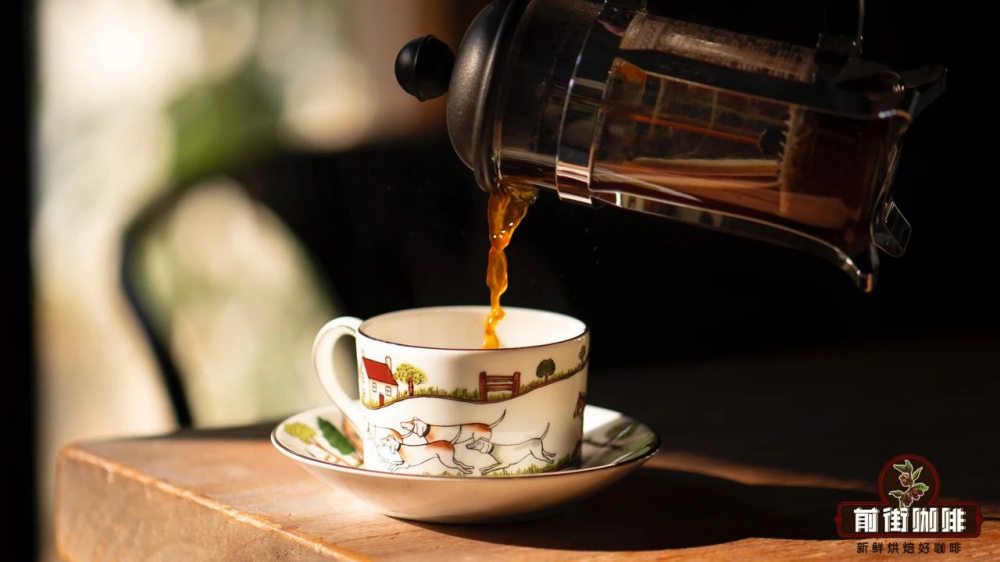
For those who have just entered the world of coffee and haven’t yet become proficient with pour over steps, choosing a coffee brewing device with intuitive operation is especially important. The reason the French press is favored is mainly because it’s simple and easy to use—you can consistently brew a rich cup of coffee without complicated techniques.
The origin of the French press can be traced back to around 1850 in France, where it was initially used as a teapot. It mainly consists of a heat-resistant glass carafe and a plunger with a metal filter. Later, when people tried steeping coffee grounds in it, they were pleasantly surprised to find that it produced a rich coffee flavor distinctly different from traditional tea. With improvements in metal filter technology, the French press is now widely used for coffee brewing and has become a staple in many homes and cafés.
The French press uses an immersion brewing principle. Within a certain volume of hot water, the soluble substances in coffee grounds are gradually released, and water temperature and time are the two key factors controlling the extraction level. The longer the steeping time, the more flavor compounds are released, but care must be taken to avoid over-extraction, which can easily bring out excessive undesirable flavors. The generally recommended steeping time is 4 minutes, and should not exceed 6 minutes, as this duration achieves a good balance between flavor and strength.
Many people wonder, since the French press brewing time is so long, does it also release unpleasant flavors? In fact, the so-called “long time” refers to about 4 minutes of steeping, not ten minutes or more. The recommended water temperature range is 88°C to 91°C, paired with medium-coarse ground coffee, with a coarseness of about 68% passing through a standard No. 20 sieve. Because the glass material has limited heat retention, the water temperature will naturally decrease over time, and the relatively coarse coffee particles release flavor more slowly—so 4 minutes is the optimal brewing time in most cases. After steeping, remember to gently press the filter and pour the coffee into your cup as soon as possible to avoid over-steeping.
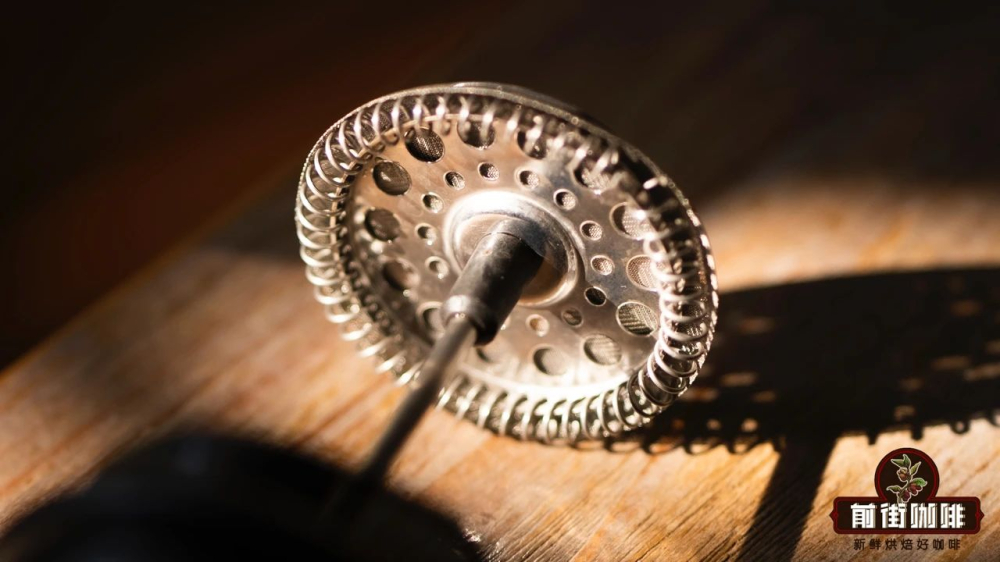
The coffee brewed with a French press has noticeably different flavor characteristics compared to common drip-style pour over coffee. First, because the French press uses a metal filter with wider holes than paper filters, it retains more coffee oils. These oils float on the surface of the coffee, giving the beverage a rounder, fuller mouthfeel, making it taste richer and more layered. In contrast, pour over coffee uses high-density paper filters that mostly filter out the oils, resulting in a cleaner and crisper taste.
However, the metal filter also has a small drawback: it cannot completely filter out all fine coffee particles, so occasionally you may notice some fine coffee grounds settling at the bottom of the cup. Additionally, the immersion brewing method of the French press is similar to professional cupping methods. Its biggest advantage is that it minimizes the influence of human operation on flavor, allowing the coffee to showcase more original and authentic qualities. The main variables affecting the flavor of French press coffee are just three: grind size, water temperature, and steeping time. Compared to the variable operations of pour over, the French press offers more stable and consistent extraction results.
So, how do you use a French press to brew a great cup of coffee? Below, we’ll use the Mozart coffee beans from Costa Rica’s Musician Series as an example to explain the actual operation process and parameter settings. These coffee beans exhibit distinct dried fruit fermentation aromas, white floral notes, and clear sweet-and-sour flavors—perfect for experiencing the unique extraction traits of the French press.
Recommended parameters are as follows: use 15 grams of coffee grounds, with a coffee-to-water ratio of 1:15, paired with about 225 milliliters of hot water, keeping the water temperature around 90°C, and a medium-coarse grind, roughly 68% passing through a standard No. 20 sieve. During the process, first preheat the French press with warm water, then discard the preheating water, and add the coffee grounds to the pot. Next, quickly pour the hot water (within about 3 seconds), stirring gently to ensure even extraction. After pouring, gently lift the filter, put the lid on, and let it steep for 4 minutes. Once the time is up, slowly press the filter down—ideally only to about one-quarter of the pot’s height—to avoid disturbing the fine grounds at the bottom. Finally, pour the coffee into your cup and enjoy.
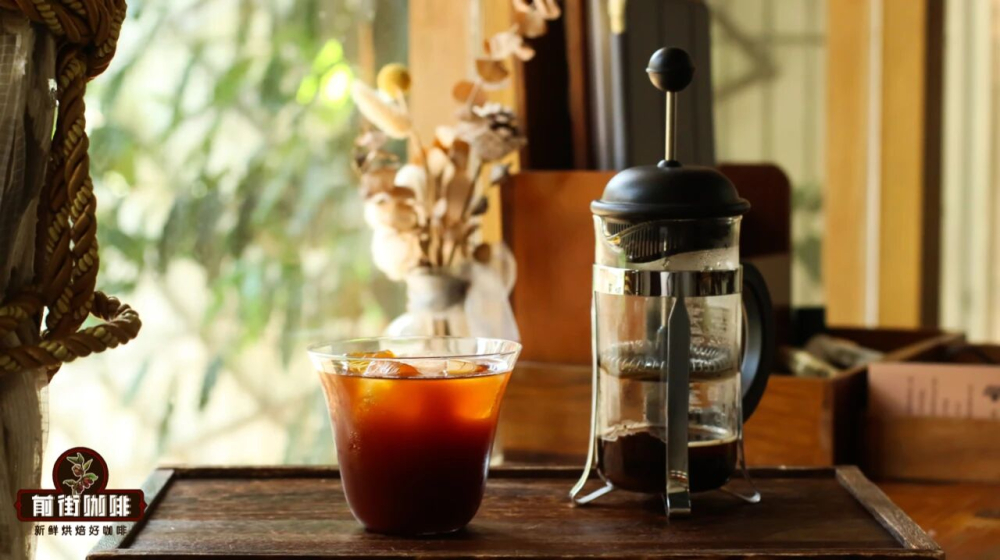
Using the above method to brew the Mozart coffee yields quite outstanding flavor performance. Right from the start, you can smell rich raisin fermentation aromas, and upon tasting, there’s a distinct berry juice sensation, complemented by the fragrance of orange blossoms. The acidity and sweetness are well balanced and layered, and the finish even offers a refreshing sweetness reminiscent of pineapple. The overall experience is rounded and highly impressive.
In summary, the French press is a practical tool suitable for coffee beginners and those who prefer simple operation. It can not only stably brew rich-flavored coffee but also retain more oils, delivering an extraction that closely resembles cupping in its originality. As long as you master the three key elements—grind size, water temperature, and steeping time—you too can easily brew a great-tasting cup of coffee with your own personal touch.
The above content is compiled by CoffeeHunters, a coffee news website.


