







Introduction:Sumatra Mandheling is renowned for its unique spice notes and rich body, which are inseparable from the region’s distinctive wet-hulling process. This article will delve into how Sumatra’s geographical conditions contribute to Mandheling’s flavor profile, analyze the unique steps of the wet-hulling method, and guide you through the selection criteria and pour-over techniques for PWN Golden Mandheling—including parameter settings and flavor characteristics—to help you extract its caramel sweetness and herbal layers more precisely.
When it comes to Sumatran coffee, most people immediately think of Mandheling, known for its bold flavors with distinctive herbal and spicy notes. This single-origin coffee from Indonesia’s Sumatra Island boasts a deep body and solid richness, underpinned by a special processing method developed by local farmers to adapt to the high-temperature, high-humidity climate—the wet-hulling process. This technique not only shapes Mandheling’s regional character but also secures its place in the global specialty coffee market.
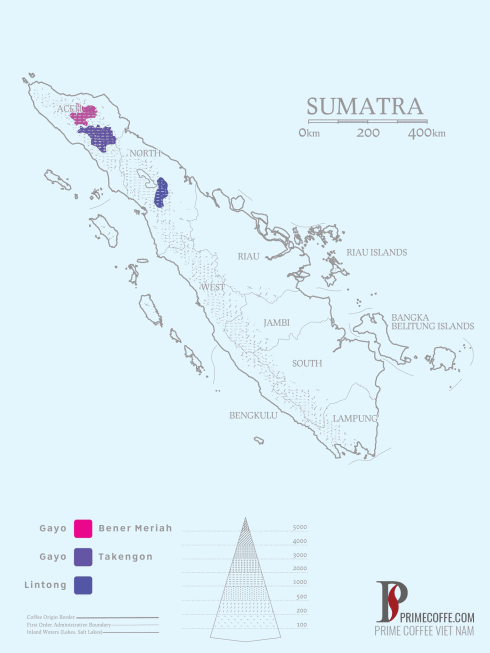
Sumatran coffee is primarily grown in two major volcanic lake regions in the northern part of the island: Lake Tawar in Aceh and Lake Toba in Lintong. These areas, situated in volcanic soil zones, boast extremely fertile land. Coupled with the year-round hot and humid tropical rainforest climate, they endow the coffee beans with intense and complex flavor profiles, particularly herbal aromas, one of the most recognizable features of Mandheling.
However, Sumatra’s high-temperature, high-humidity environment and limited freshwater resources make traditional washed processing difficult to implement. Similarly, prolonged sun drying is impractical in the rainy climate. As a result, locals developed a “semi-washed” method that combines elements of both washed and sun-dried processes—now widely known as wet-hulling. This approach not only effectively reduces moisture content during processing but also shortens the overall workflow, making it better suited to the local climate.
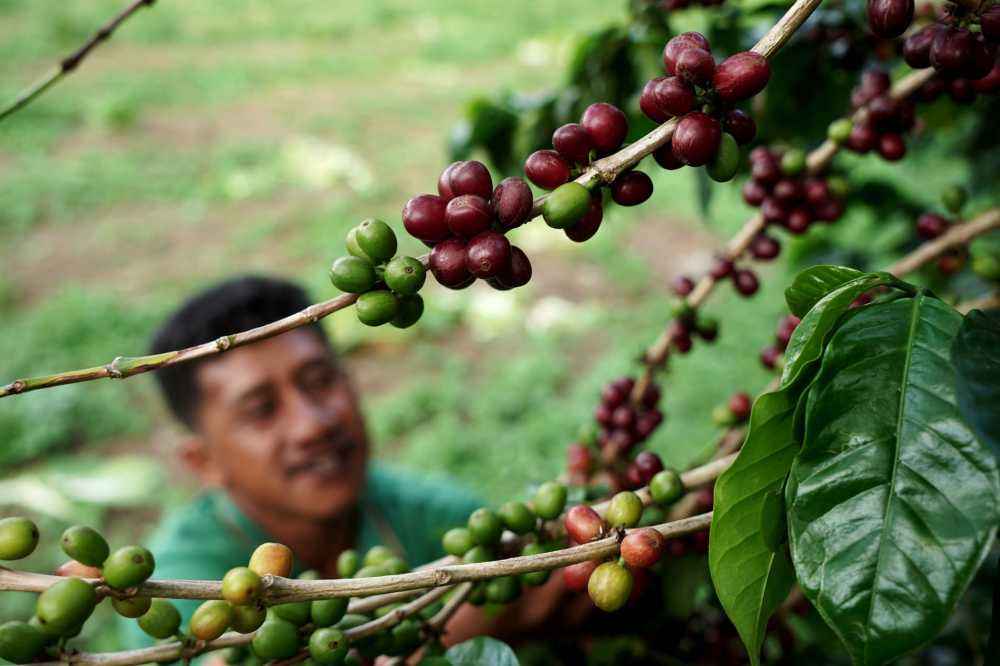
The wet-hulling process generally follows these steps: after removing the outer skin and pulp of the coffee cherry, a brief fermentation—usually just a few hours—is carried out. Next, clean water is used to wash away the remaining mucilage. At this stage, the parchment-covered beans are not yet fully dried, with moisture content reduced only to30% to 40%, followed by initial sun drying for about2 to 3 days. During this phase, farmers often sell the still semi-dry parchment beans.
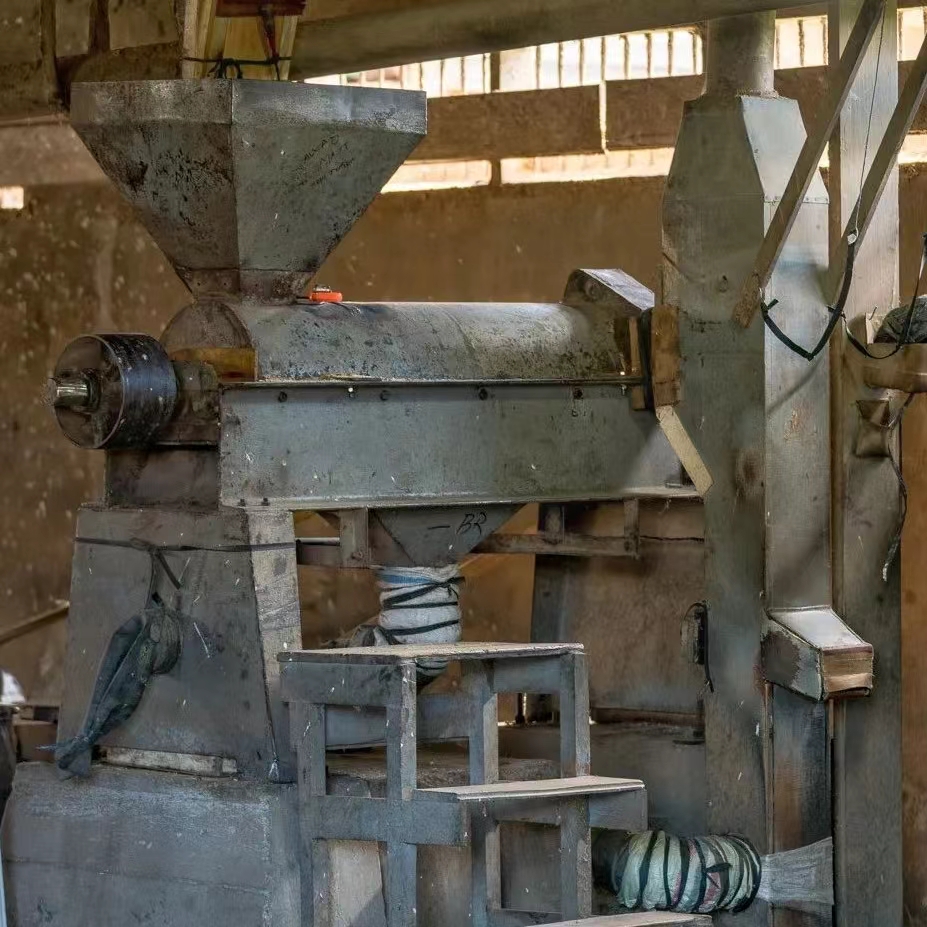
The processing mills or exporters who take over then send these semi-dry parchment beans directly into a hulling machine for depulping. Notably, the intense friction during hulling compresses the parchment layer still enclosing the green bean, sometimes even squeezing out white or greenish viscous liquid. Since the green beans are still moist and structurally soft at this point, they are highly susceptible to mechanical pressure, leading to damage—such as chipped or indented edges, known as “elephant ear” beans.
Once hulled, the green beans lose the protective parchment layer and are directly exposed to humid air. This not only accelerates drying but also makes them more prone to mold or bacterial contamination, resulting in distinctive woody and spicy notes—the key “regional character” that sets Sumatran Mandheling apart from coffees of other origins. Compared to traditional washed methods, wet-hulling drastically shortens fermentation and drying times while significantly reducing labor and time costs.
Among the many Sumatran Mandhelings, the “Golden Mandheling” launched by PWN is regarded as the benchmark for quality. The company manually sorts the purchased green beans in four stages, retaining only plump, uniformly sized beans that meet18 mesh (G1 grade)or higher. This stringent selection process effectively removes common impurities, unripe beans, and defective beans, resulting in a cleaner, clearer flavor profile for Golden Mandheling, with noticeably reduced earthy or woody notes often found in some Mandhelings.
It’s worth noting that the name “Golden Mandheling” is a registered trademark of PWN, so although many products on the market claim to be Golden Mandheling, only the official PWN version obtained through legitimate channels is the certified authentic one. This coffee is typically dark roasted to fully highlight its spicy, herbal foundation and rich body.
To enjoy the complex flavors of Golden Mandheling through pour-over, it’s recommended to use freshly roasted beans, with the optimal tasting window being4 to 7 days post-roast. Beyond a month and a half, the aroma and flavors will noticeably decline, and woody off-notes may emerge. For brewing, the Kono filter cone is recommended. Its design features ribs that extend only halfway up the cone, encouraging the filter paper to adhere more tightly to the walls and reduce airflow, thereby extending extraction time and enhancing overall body and flavor uniformity.
For specific brewing parameters, usewater at 87 to 88°C,15 grams of coffee grounds, with a1:15 coffee-to-water ratio, and grind size set to medium (approximately 70% extraction through a Chinese No. 20 sieve). Employ a three-stage pouring method: start with a bloom pour using30mlhot water to release gases and initiate extraction; then pour to allow the coffee bed to expand and release golden crema; finally, use100ml, allowing the coffee grounds layer to fully expand and release golden crema; finally, with95mla gentle center pour to complete extraction. After brewing, gently swirl the coffee in the filter cone before serving.
With the above method, you’ll fully experience Golden Mandheling’s rich spice and herbal notes, paired with pronounced caramel sweetness, dark chocolate, and nutty undertones. The overall body is bold and solid—a classic Sumatran single-origin worth savoring.
The above content is compiled by CoffeeHunters, a coffee news website.


