







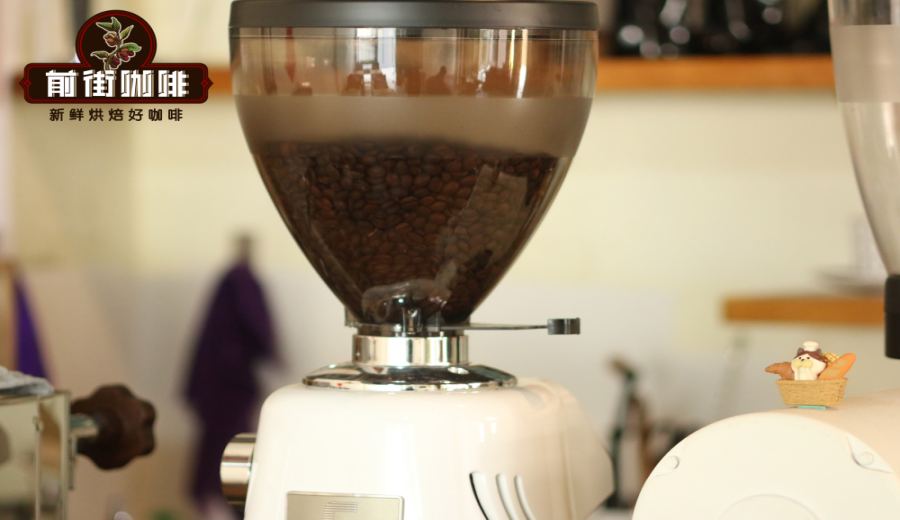
Introduction:To brew a well-balanced shot of espresso at home, precise control over grind size is key. This article delves into the logic behind adjusting the grind settings on a semi-automatic espresso machine. From assessing coffee particle fineness, calibrating flow rate, to fine-tuning flavor, we’ll guide you step-by-step to master the golden extraction parameters. We’ll also share practical tips to help you pull the perfect shot and avoid common mistakes.
During the espresso-making process, grind size is one of the most critical factors affecting extraction success. Compared to pour over or cold brew, espresso requires much finer coffee particles, with a texture close to fine salt or even flour. Even the slightest deviation in grind setting can lead to abnormal flow rates, resulting in under-extraction or over-extraction, causing the coffee’s flavor to fall short of the ideal range. This article will explore the observation of grind size, flow rate adjustment, coffee bean selection, and flavor correction, giving you an in-depth understanding of how to set grind sizes on a semi-automatic espresso machine and optimize your extraction.
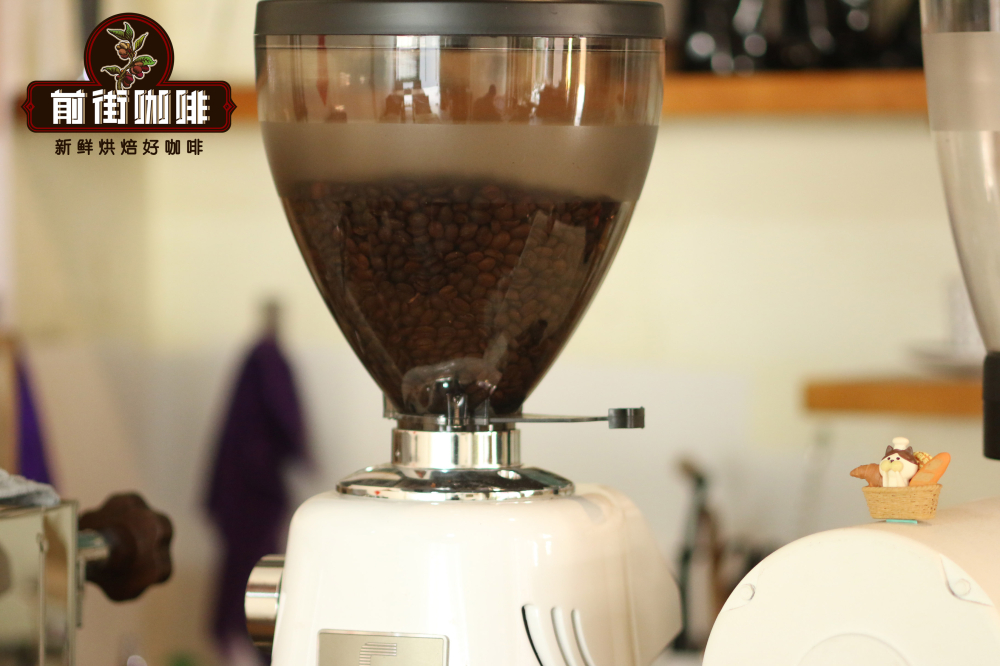 Many coffee enthusiasts know that the fineness of coffee particles directly impacts the final flavor. Choosing the wrong grind size or having inconsistent particle size can easily result in either under-extracted, flat, sour, and astringent coffee, or over-extracted, bitter, and harsh brews. Especially for espresso, which involves high-pressure, short-duration extraction, the requirements for particle fineness are even stricter. Adjustments need to be more precise to allow the espresso to showcase its optimal flavor profile.
So, how fine should espresso coffee be ground? Taking pour over coffee as an example, the industry often refers to China’s No. 20 standard sieve, using a specific mesh size to filter out appropriately sized coffee particles. However, espresso involves high-pressure, short-time extraction, where flavors are amplified and more sensitive to details, making grind size control even more demanding. The particles for this type of coffee are typically finer than fine salt, and it’s almost impossible to discern their fineness or uniformity with the naked eye. Using a sieve for measurement is also impractical.
If the grind is slightly too fine, water will encounter greater resistance as it passes through the coffee bed, which can lead to over-extraction and a noticeable burnt, bitter taste. Conversely, if the particles are too coarse, water flows too easily, resulting in under-extraction, with a thin flavor and pronounced acidity. Such subtle differences can sometimes stem from just a fraction of a grind setting adjustment. Therefore, in practice, we usually observe the flow rate and flavor during extraction to determine whether the current grind size is appropriate.
 Choosing the right coffee beans is also key. Even with perfectly dialed-in grind and parameters, if the beans themselves don’t have the desired flavor characteristics, it’s hard to brew a satisfying shot of espresso. If you want to replicate café-quality espresso at home, try using a classic espresso blend featuring beans from multiple origins. A blend that combines characteristics of Brazilian, Indonesian, and Vietnamese beans offers caramel sweetness and a moderate wild complexity, along with dark roasting that enhances body and crema — making it ideal for both Americanos and lattes.
If you prefer fruit-forward espresso, go for medium-roasted beans as the base. For example, a blend combining Costa Rican honey-processed beans, Ethiopian heirloom varieties, and Colombian beans can produce a gentle sweet-and-sour profile akin to strawberry taffy during extraction, while still maintaining the dense body and rich crema that espresso is known for.
For beginners just starting to adjust grind size, it’s recommended to first establish a baseline range. When you get a new bag of beans and aren’t sure where to start, try grinding small amounts at several different settings. When the resulting coffee particles feel as fine as flour, soft to the touch, and nearly free of grittiness, you’re likely close to the right grind state.
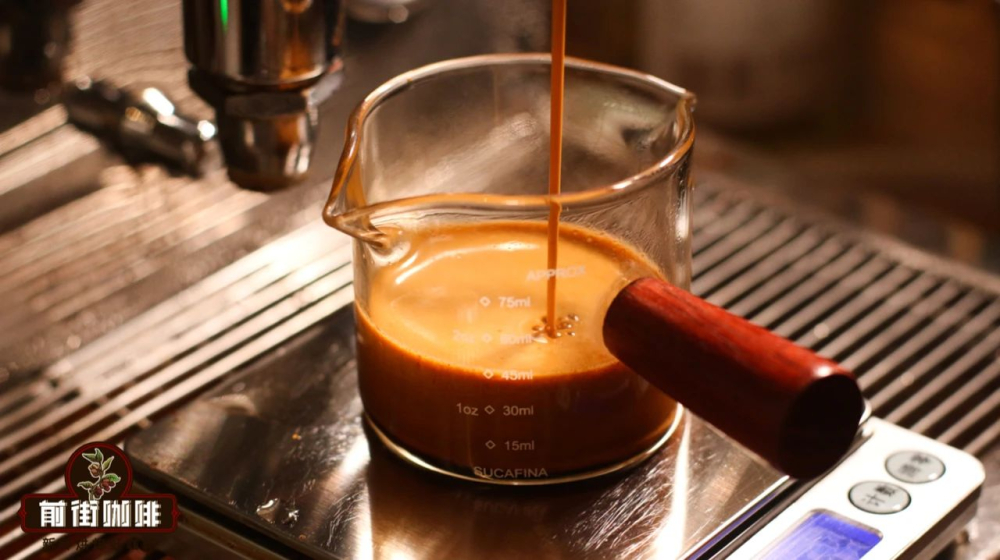
Next, you can apply the common espresso extraction formula: the coffee-to-water ratio is ideally set at 1:2 — that is, about 2 grams of coffee liquid extracted per 1 gram of coffee grounds, with an extraction time controlled between 25 to 30 seconds. For example, if using a 20-gram portafilter basket, you can dose 20 grams of coffee and aim to extract 40 grams of liquid. If the extraction time is below 20 seconds, it means the flow is too fast, likely leading to under-extraction; if it exceeds 35 seconds, the flow may be too slow, posing a risk of over-extraction.
When you notice the flow is too fast, it usually means water is passing through the coffee bed too easily, potentially resulting in a weak or overly acidic cup. In this case, you should make the grind finer. When adjusting the setting, if you’re within 5 seconds of the target time, adjust by 0.2 notches at a time. For larger gaps, adjust by 0.5 to 1 notch at a time, gradually narrowing in on the ideal range. Conversely, if the flow is too slow, it indicates the grind is too fine and water flow is restricted—you’ll need to make the grind coarser. Through such adjustments, you can gradually identify the optimal grind range.
However, formulas are only a reference. Ultimately, you’ll still need to fine-tune based on actual flavor results. If your espresso tastes noticeably burnt or bitter but still has decent strength, it may be due to overlong extraction time—try making the grind coarser to shorten the brew time. If the crema is pale and thin, it could be due to over-extraction in the latter phase of brewing—consider raising the coffee-to-water ratio to 1:1.5 to 1:1.7 to reduce the total liquid yield. If the flavor is rich but the aftertaste is lacking, you might extend the extraction time slightly and adjust the ratio to 1:2.5.
In summary, adjusting grind size is not something achieved overnight. It requires combining bean characteristics, observing flow rates, and responding to flavor feedback, through repeated experimentation and record-keeping. Even if you brew coffee infrequently at home, by consistently noting each set of parameters and the corresponding flavor outcomes, you can gradually figure out your own optimal extraction conditions. This helps avoid wasted beans from blind adjustments and gets you closer to brewing the ideal espresso shot.
The above content is compiled by CoffeeHunters, a coffee news website.


